Kumar Pradeep, Choonara Yahya E, du Toit Lisa C, Singh Neha, Pillay Viness
Wits Advanced Drug Delivery Platform Research Unit, Department of Pharmacy and Pharmacology, School of Therapeutic Sciences, Faculty of Health Sciences, University of the Witwatersrand, Johannesburg, 7 York Road, Parktown 2193, South Africa.
Pharmaceutics. 2018 Nov 15;10(4):233. doi: 10.3390/pharmaceutics10040233.
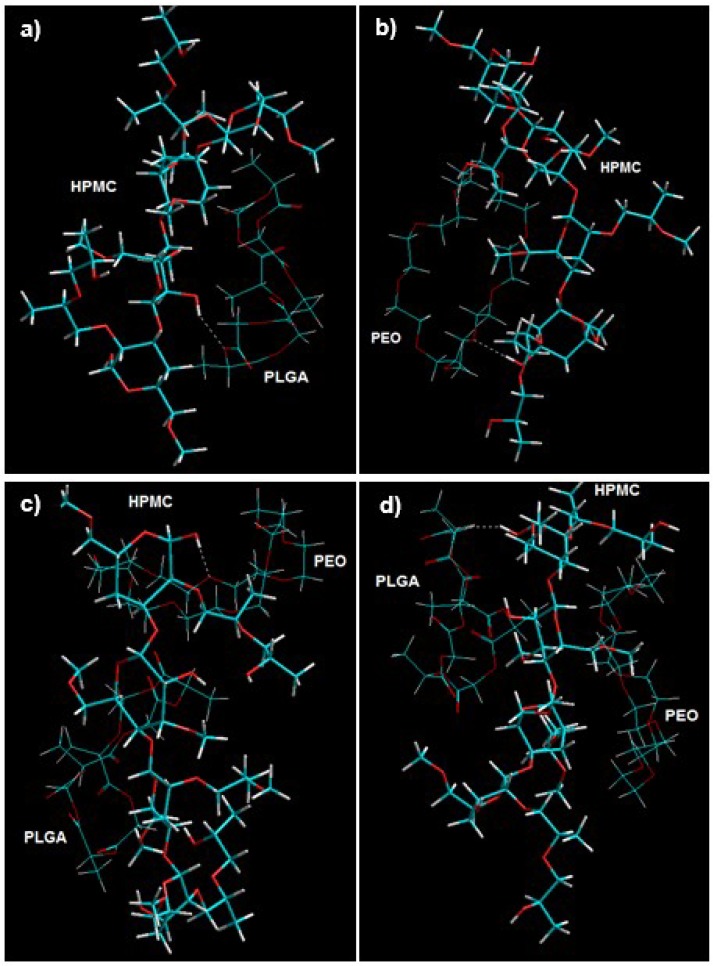
This study aimed to develop a prolonged-release device for the potential site-specific delivery of a neuroprotective agent (nicotine). The device was formulated as a novel reinforced crosslinked composite polymeric system with the potential for intrastriatal implantation in Parkinson's disease interventions. Polymers with biocompatible and bioerodible characteristics were selected to incorporate nicotine within electrolyte-crosslinked alginate-hydroxyethylcellulose gelispheres compressed within a release rate-modulating external polymeric matrix, comprising either hydroxypropylmethylcellulose (HPMC), polyethylene oxide (PEO), or poly(lactic--glycolic) acid (PLGA) to prolong nicotine release. The degradation and erosion studies showed that the produced device had desirable robustness with the essential attributes for entrapping drug molecules and retarding their release. Zero-order drug release was observed over 50 days from the device comprising PLGA as the external matrix. Furthermore, the alginate-nicotine interaction, the effects of crosslinking on the alginate-hydroxyethycellulose (HEC) blend, and the effects of blending PLGA, HPMC, and PEO on device performance were mechanistically elucidated using molecular modelling simulations of the 3D structure of the respective molecular complexes to predict the molecular interactions and possible geometrical orientation of the polymer morphologies affecting the geometrical preferences. The compressed polymeric matrices successfully retarded the release of nicotine over several days. PLGA matrices offered minimal rates of matrix degradation and successfully retarded nicotine release, leading to the achieved zero-order release for 50 days following exposure to simulated cerebrospinal fluid (CSF).
本研究旨在开发一种缓释装置,用于潜在的神经保护剂(尼古丁)的位点特异性递送。该装置被制成一种新型增强交联复合聚合物系统,有可能用于帕金森病干预中的纹状体内植入。选择具有生物相容性和生物可蚀性的聚合物,将尼古丁掺入在释放速率调节外部聚合物基质内压缩的电解质交联藻酸盐 - 羟乙基纤维素凝胶球中,该外部聚合物基质由羟丙基甲基纤维素(HPMC)、聚环氧乙烷(PEO)或聚(乳酸 - 乙醇酸)共聚物(PLGA)组成,以延长尼古丁的释放。降解和侵蚀研究表明,所制备的装置具有理想的稳健性,具备捕获药物分子并延缓其释放的基本特性。从以PLGA作为外部基质的装置中观察到在50天内药物呈零级释放。此外,使用各自分子复合物的3D结构的分子建模模拟,从机理上阐明了藻酸盐 - 尼古丁相互作用、交联对藻酸盐 - 羟乙基纤维素(HEC)共混物的影响以及共混PLGA、HPMC和PEO对装置性能的影响,以预测分子相互作用以及影响几何偏好的聚合物形态的可能几何取向。压缩的聚合物基质成功地在数天内延缓了尼古丁的释放。PLGA基质的基质降解速率最小,并成功地延缓了尼古丁的释放,在暴露于模拟脑脊液(CSF)后实现了50天的零级释放。