Prabhu Shamit S, Fortier Kevin, May Michael C, Reebye Uday N
Wake Forest School of Medicine, Winston-Salem, USA.
Triangle Implant Center, 5318 NC Highway 55, Suite 106, Durham, NC, 27713, USA.
Int J Implant Dent. 2018 Nov 23;4(1):36. doi: 10.1186/s40729-018-0148-0.
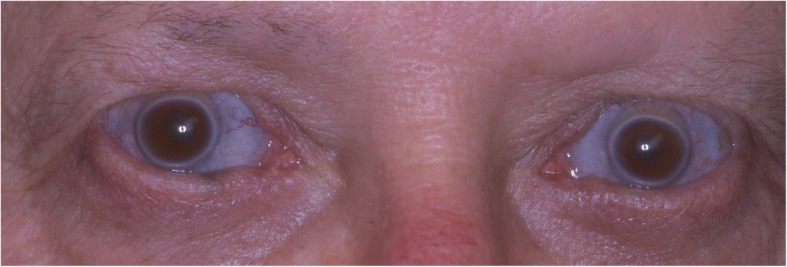
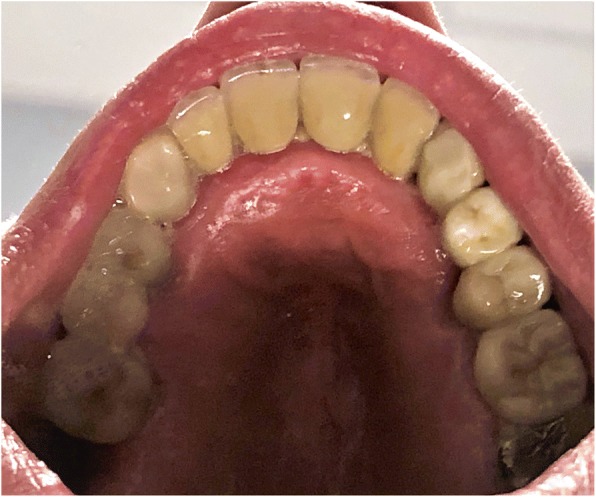
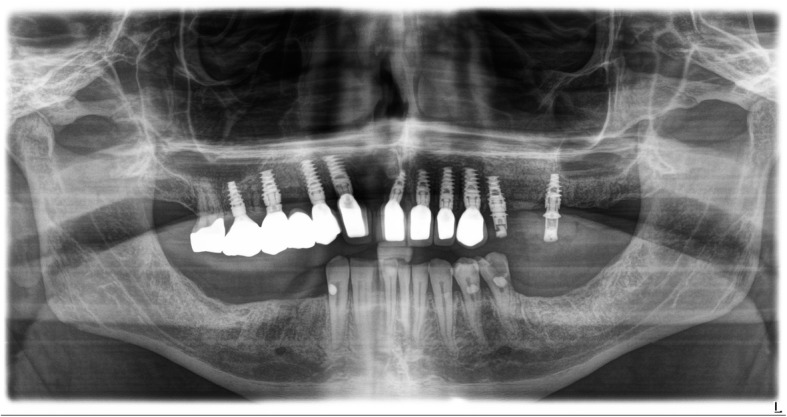
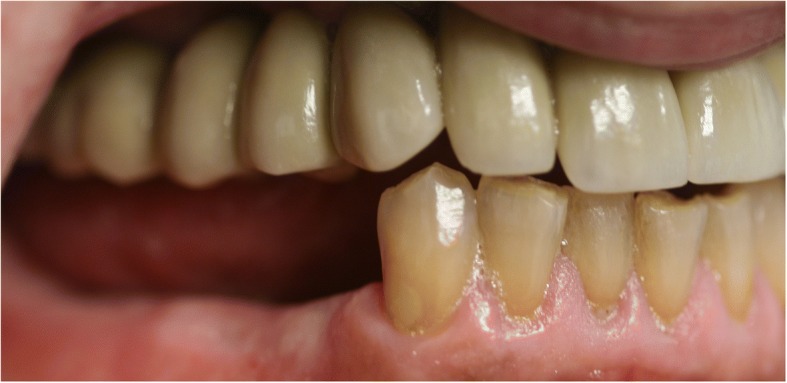
Bone fragility and skeletal irregularities are the characteristic features of osteogenesis imperfecta (OI). Many patients with OI have weakened maxillary and mandibular bone, leading to poor oral hygiene and subsequent loss of teeth. Improvements in implant therapy have allowed for OI patients to achieve dental restoration. However, there is limited available literature on implant therapy for patients with OI. The greatest challenge in the restoration process for OI patients in an outpatient setting is ensuring primary stability and osseointegration. Improvements in synthetic grafts improve successful implant placement and prevent predisposing patients to unnecessary procedures. This report details the successful restoration process of an OI type I patient's maxillary arch in addition to a review of the currently available literature.
骨脆性和骨骼畸形是成骨不全症(OI)的特征性表现。许多OI患者的上颌骨和下颌骨骨质薄弱,导致口腔卫生状况差,进而牙齿脱落。种植治疗的进展使OI患者能够实现牙齿修复。然而,关于OI患者种植治疗的现有文献有限。在门诊环境中,OI患者修复过程中最大的挑战是确保种植体的初期稳定性和骨结合。合成骨移植材料的改进提高了种植体植入的成功率,并避免患者接受不必要的手术。本报告详细介绍了一名I型OI患者上颌牙弓的成功修复过程,并对现有文献进行了综述。