Bagheri Bahareh, Zambelli Paolo, Vigentini Ileana, Bauer Florian Franz, Setati Mathabatha Evodia
Department of Viticulture and Oenology, Institute for Wine Biotechnology, Stellenbosch University, Stellenbosch, South Africa.
Department of Food, Environmental and Nutritional Sciences, University Degli Studi di Milano, Milan, Italy.
Front Bioeng Biotechnol. 2018 Nov 13;6:169. doi: 10.3389/fbioe.2018.00169. eCollection 2018.
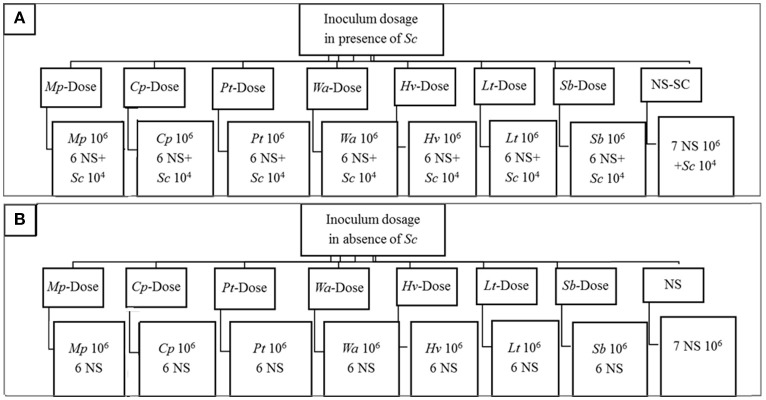
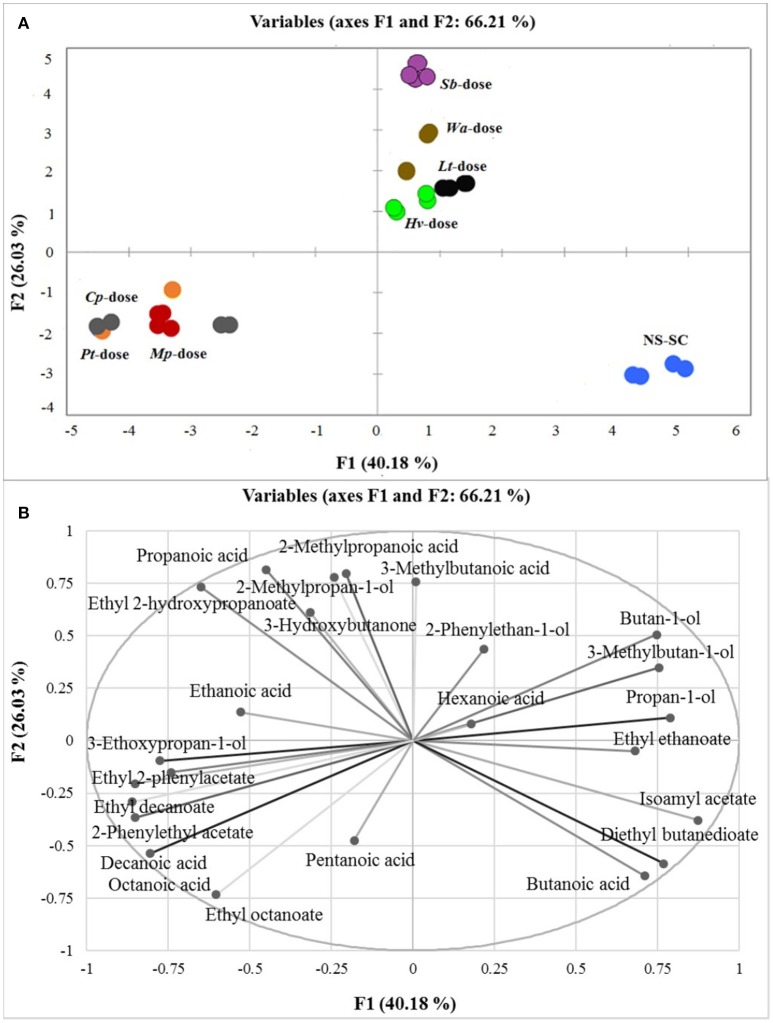
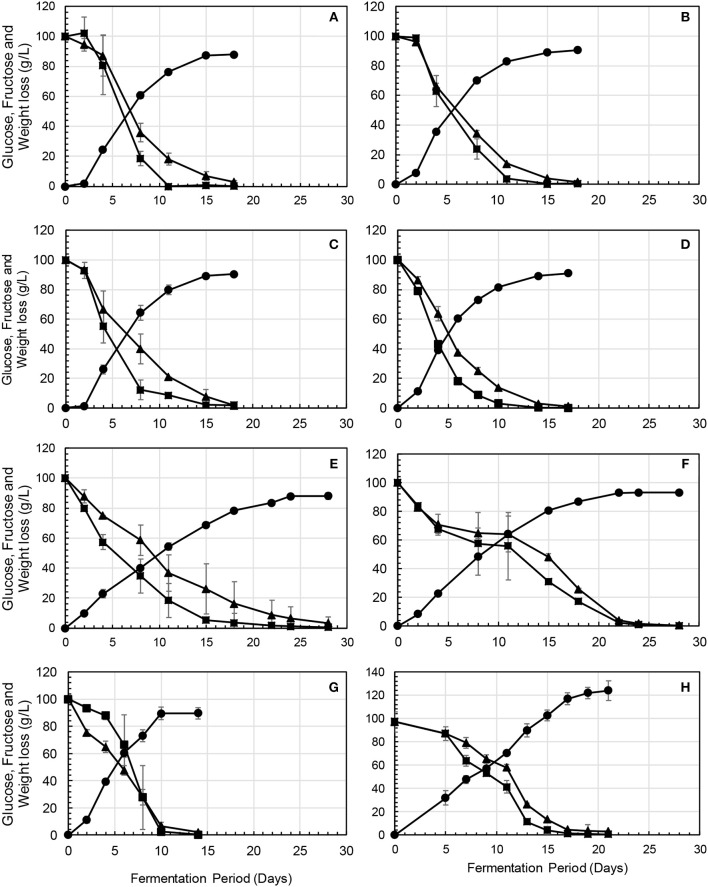
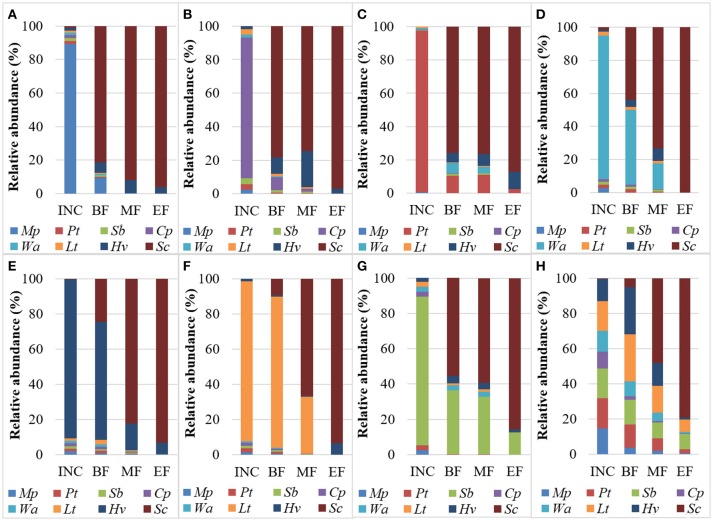
Natural alcoholic fermentation is initiated by a diverse population of several non- yeast species. However, most of the species progressively die off, leaving only a few strongly fermentative species, mainly . The relative performance of each yeast species is dependent on its fermentation capacity, initial cell density, ecological interactions as well as tolerance to environmental factors. However, the fundamental rules underlying the working of the wine ecosystem are not fully understood. Here we use variation in cell density as a tool to evaluate the impact of individual non- wine yeast species on fermentation kinetics and population dynamics of a multi-species yeast consortium in synthetic grape juice fermentation. Furthermore, the impact of individual species on aromatic properties of wine was investigated, using Gas Chromatography-Flame Ionization Detector. Fermentation kinetics was affected by the inoculation treatment. The results show that some non- species support or inhibit the growth of other non- species in the multi-species consortium. Overall, the fermentation inoculated with a high cell density of displayed the fastest fermentation kinetics while fermentation inoculated with showed the slowest kinetics. The production of major volatiles was strongly affected by the treatments, and the aromatic signature could in some cases be linked to specific non- species. In particular, at high cell density contributed to elevated levels of 2-Phenylethan-1-ol whereas at high cell density resulted in the high production of 2-methylpropanoic acid and 3-Hydroxybutanone. The data revealed possible direct and indirect influences of individual non- species within a complex consortium, on wine chemical composition.
天然酒精发酵由多种非酵母菌种引发。然而,大多数菌种会逐渐死亡,仅留下少数强发酵菌种,主要是……每种酵母菌种的相对表现取决于其发酵能力、初始细胞密度、生态相互作用以及对环境因素的耐受性。然而,葡萄酒生态系统运作的基本规则尚未完全明了。在此,我们利用细胞密度的变化作为一种工具,来评估单个非酿酒酵母菌种对合成葡萄汁发酵中多菌种酵母联合体的发酵动力学和种群动态的影响。此外,使用气相色谱 - 火焰离子化检测器研究了单个菌种对葡萄酒香气特性的影响。发酵动力学受接种处理的影响。结果表明,在多菌种联合体中,一些非……菌种会支持或抑制其他非……菌种的生长。总体而言,接种高细胞密度……的发酵表现出最快的发酵动力学,而接种……的发酵动力学最慢。主要挥发性物质的产生受处理的强烈影响,在某些情况下,香气特征可能与特定的非……菌种有关。特别是,高细胞密度的……导致苯乙醇水平升高,而高细胞密度的……则导致2 - 甲基丙酸和3 - 羟基丁酮的高产。数据揭示了复杂联合体中单个非……菌种对葡萄酒化学成分可能存在的直接和间接影响。