
纤维素纳米纤维作为锂离子电池电极粘合剂在纸质隔膜上进行丝网印刷的应用。
Use of Cellulose Nanofibers as an Electrode Binder for Lithium Ion Battery Screen Printing on a Paper Separator.
作者信息
El Baradai Oussama, Beneventi Davide, Alloin Fannie, Bultel Yann, Chaussy Didier
机构信息
Univ. Grenoble Alpes, CNRS, Grenoble INP, LGP2, 38000 Grenoble, France.
Univ. Grenoble Alpes, Univ. Savoie Mont Blanc, CNRS, Grenoble INP, LEPMI, 38000 Grenoble, France.
出版信息
Nanomaterials (Basel). 2018 Nov 27;8(12):982. doi: 10.3390/nano8120982.
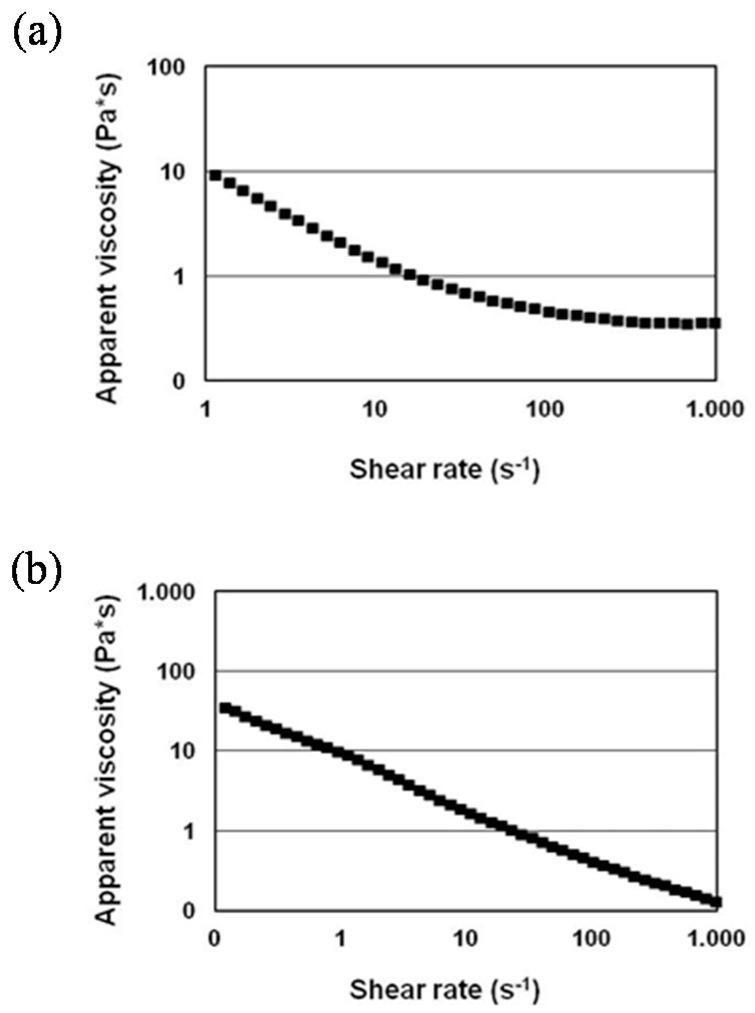
Water-based inks were formulated using cellulose nanofibers as a binder in order to directly front/reverse print lithium ion cells on a paper separator. Moreover, the high cohesion of electrodes as provided by cellulose nanofibers allowed for the embedding metallic current collectors in the electrodes during the printing stage, in order to develop a one-step printing and assembling process. Positive and negative inks based on LiFePO₄, or graphite, respectively, and cellulose nanofibers, displayed rheological properties complying with a variety of printing processes, as well as with screen printing. Printed cells exhibited high electrical conductivity and adhesion between current collectors and inks, i.e., up to 64 ± 1 J/m². Electrochemical cycling tests at C/10 showed a reversible capacity during the first cycle of about 80 mAh/g, which slightly decayed upon cycling. Preliminary results and assembling strategies can be considered as promising, and they represent a quick solution for the manufacturing of lithium ion batteries. Work is in progress to improve these processing issues and the cycling performances of Li-ion cells.
水性油墨采用纤维素纳米纤维作为粘合剂进行配制,以便在纸质隔膜上直接进行锂离子电池的正面/反面印刷。此外,纤维素纳米纤维提供的电极高内聚力使得在印刷阶段能够将金属集流体嵌入电极中,从而开发出一步印刷和组装工艺。分别基于磷酸铁锂或石墨以及纤维素纳米纤维的正负极油墨,表现出符合多种印刷工艺以及丝网印刷的流变特性。印刷电池在集流体和油墨之间表现出高电导率和附着力,即高达64±1 J/m²。在C/10下的电化学循环测试显示,第一个循环期间的可逆容量约为80 mAh/g,循环时略有衰减。初步结果和组装策略可被视为有前景的,并且它们代表了一种用于制造锂离子电池的快速解决方案。正在努力改进这些工艺问题以及锂离子电池的循环性能。



 Zotero 插件