Research Institute of Basic Sciences, Ajou University, Suwon, 16499, Republic of Korea.
STR Biotech Ltd., Chuncheon, 24232, Republic of Korea.
BMC Complement Altern Med. 2018 Dec 5;18(1):322. doi: 10.1186/s12906-018-2365-8.
Human infection by pathogenic Salmonella bacteria can be acquired by consuming of undercooked meat products and eggs. Antimicrobial resistance against antibiotics used in medicine is also a major concern. To help overcome these harmful effects on microbial food safety and human health, we are developing novel antimicrobial food-compatible formulations, one of which is described in the present study.
The composition of a bioprocessed (fermented) rice bran extract (BPRBE) from Lentinus edodes liquid mycelia culture was evaluated using gas chromatography and mass spectrometry, and the mechanism of its antibacterial effect against Salmonella Typhimurium, strain SL1344 was investigated in macrophage cells and in mice.
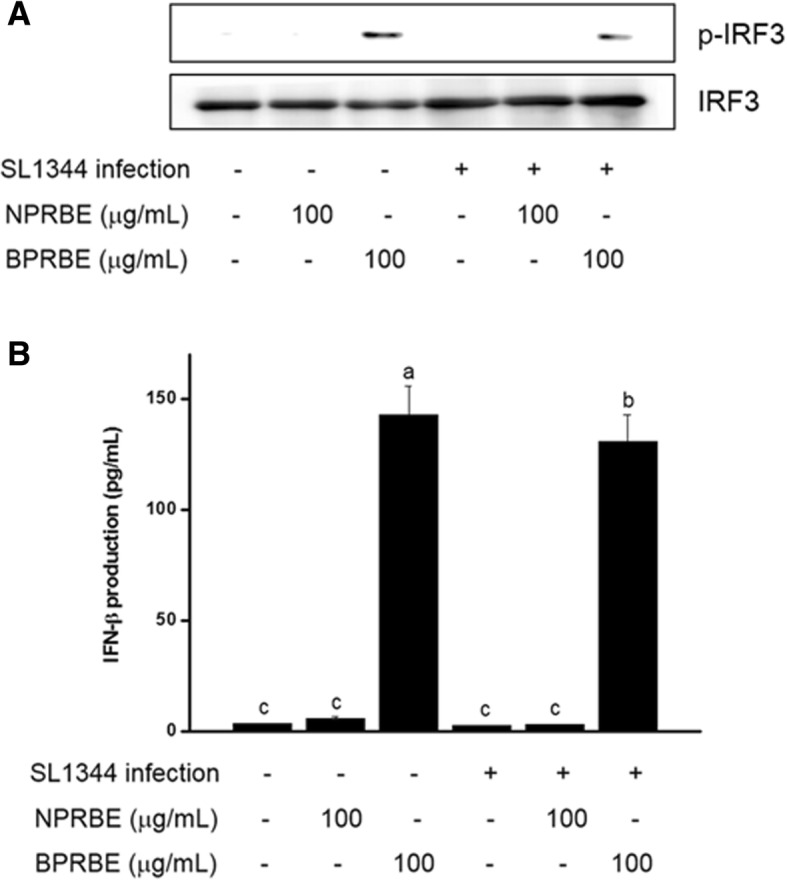
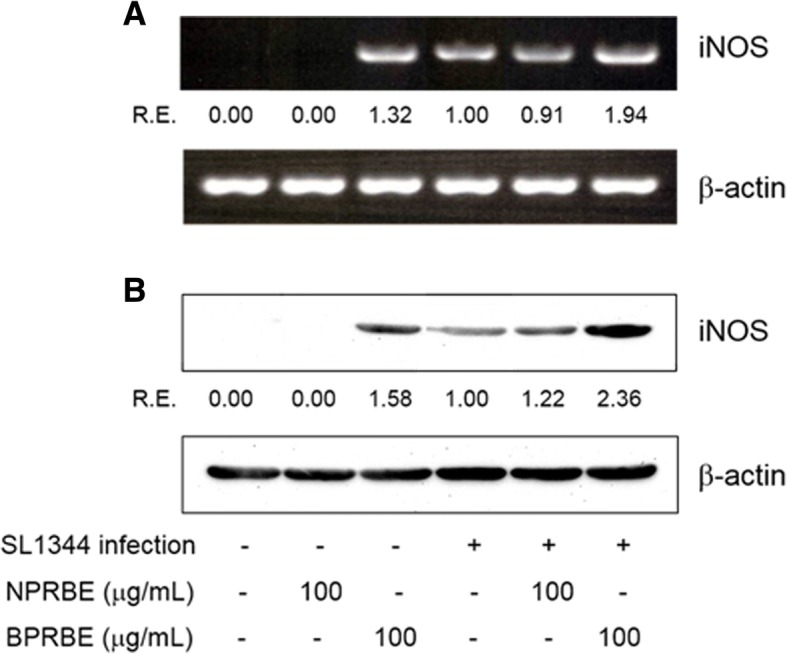
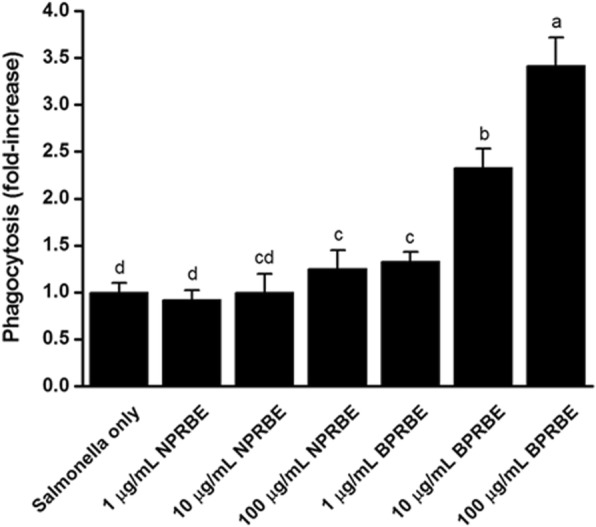
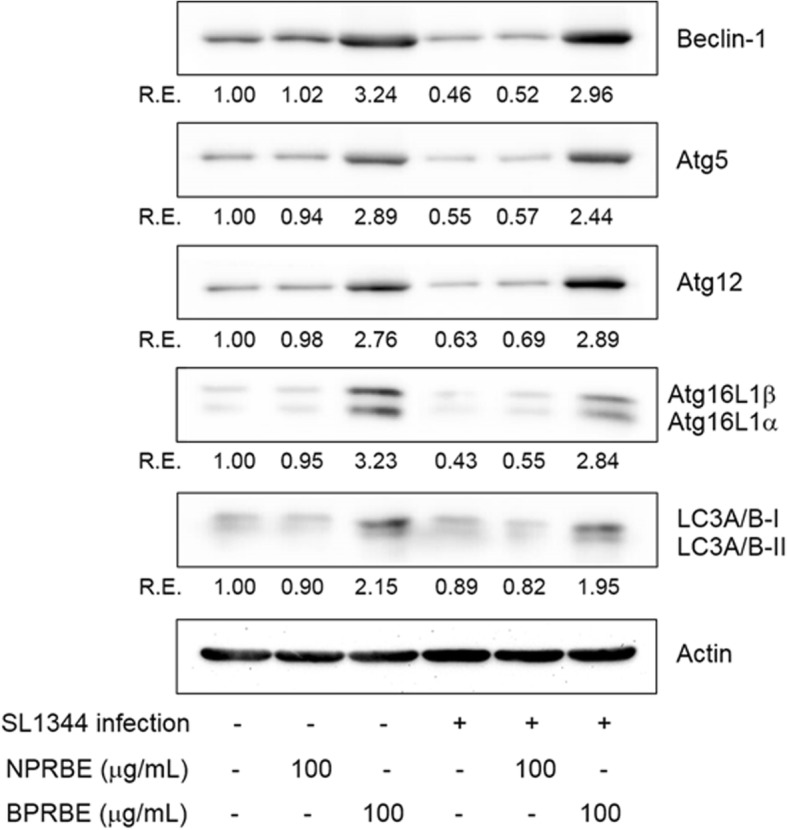
BPRBE stimulated uptake of the bacteria into RAW 264.7 murine macrophage cells. Activation of the cells was confirmed by increases in NO production resulting from the elevation of inducible nitric oxide synthase (iNOS) mRNA, and in protein expression. Salmonella infection down-regulated the expression of the following protein biomarkers of autophagy (a catabolic process for stress adaptation of cellular components): Beclin-1, Atg5, Atg12, Atg16, LC3-I and LC3-II. BPRBE promoted the upregulation of protein expressions that induced bacterial destruction in autolysosomes of RAW 264.7 cells. ELISA analysis of interferon IFN-β showed that inflammatory cytokine secretion and bactericidal activity had similar profiles, suggesting that BPRBE enhances cell-autonomous and systemic bactericidal activities via autophagic capture of Salmonella. The treatment also elicited increased excretion of bacteria in feces and their decreased translocation to internal organs (cecum, mesenteric lymph node, spleen, and liver).
The antibiotic mechanism of BPRBE involves the phagocytosis of extracellular bacteria, autophagic capture of intracellular bacteria, and prevention of translocation of bacteria across the intestinal epithelial cells. The new bioprocessing combination of mushroom mycelia and rice brans forms a potentially novel food formulation with in vivo antimicrobial properties that could serve as a functional antimicrobial food and medical antibiotic.
人类感染致病性沙门氏菌可以通过食用未煮熟的肉类产品和鸡蛋来获得。抗生素在医学上的抗药性也是一个主要关注点。为了帮助克服这些对微生物食品安全和人类健康的有害影响,我们正在开发新型的抗菌食品兼容配方,其中一种在本研究中进行了描述。
采用气相色谱和质谱法评估香菇液体菌丝体培养的生物加工(发酵)米糠提取物(BPRBE)的组成,并研究其对鼠伤寒沙门氏菌 SL1344 菌株的抗菌作用机制在巨噬细胞和小鼠中。
BPRBE 刺激 RAW 264.7 鼠巨噬细胞摄取细菌。通过诱导型一氧化氮合酶(iNOS)mRNA 和蛋白质表达的升高,确认细胞被激活,从而导致 NO 产生增加。沙门氏菌感染下调了自噬(细胞成分应激适应的分解代谢过程)的以下蛋白生物标志物的表达:Beclin-1、Atg5、Atg12、Atg16、LC3-I 和 LC3-II。BPRBE 促进了自噬溶酶体中诱导细菌破坏的蛋白表达上调。干扰素 IFN-β 的 ELISA 分析表明,炎症细胞因子分泌和杀菌活性具有相似的特征,表明 BPRBE 通过自噬捕获沙门氏菌增强了细胞自主和系统杀菌活性。该治疗还引起粪便中细菌排泄增加和向内部器官(盲肠、肠系膜淋巴结、脾脏和肝脏)转移减少。
BPRBE 的抗生素机制涉及对细胞外细菌的吞噬作用、细胞内细菌的自噬捕获以及防止细菌穿过肠上皮细胞的易位。蘑菇菌丝体和米糠的新型生物加工组合形成了一种具有体内抗菌特性的潜在新型食品配方,可作为功能性抗菌食品和医用抗生素。