Kubitza Dagmar, Willmann Stefan, Becka Michael, Thelen Kirstin, Young Guy, Brandão Leonardo R, Monagle Paul, Male Christoph, Chan Anthony, Kennet Gili, Martinelli Ida, Saracco Paola, Lensing Anthonie W A
1Bayer AG, Global Drug Discovery - Clinical Sciences, Clinical Pharmacology Cardiovascular, Aprather Weg 18a, Gebäude 429, 42113 Wuppertal, Germany.
2Research and Clinical Sciences, Bayer AG, Wuppertal, Germany.
Thromb J. 2018 Dec 4;16:31. doi: 10.1186/s12959-018-0186-0. eCollection 2018.
The EINSTEIN-Jr program will evaluate rivaroxaban for the treatment of venous thromboembolism (VTE) in children, targeting exposures similar to the 20 mg once-daily dose for adults.
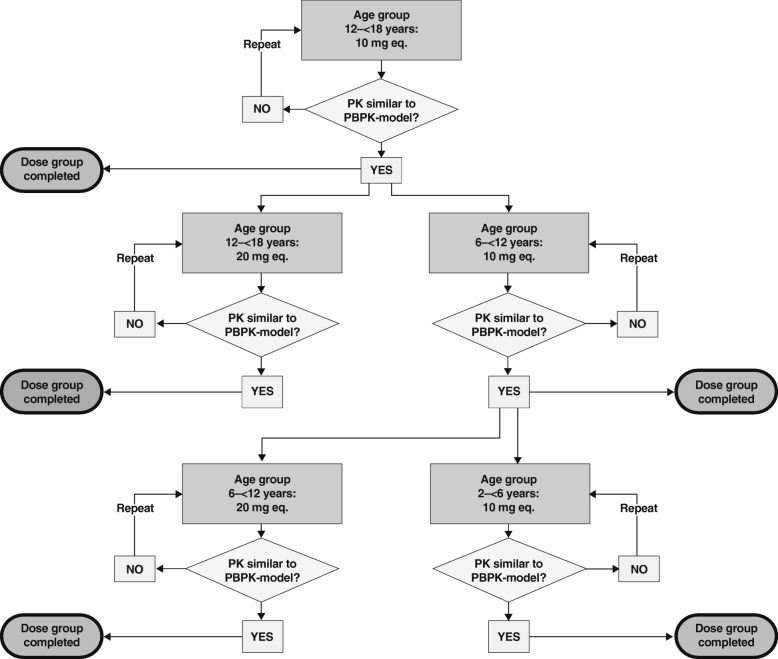
This was a multinational, single-dose, open-label, phase I study to describe the pharmacodynamics (PD), pharmacokinetics (PK) and safety of a single bodyweight-adjusted rivaroxaban dose in children aged 0.5-18 years. Children who had completed treatment for a venous thromboembolic event were enrolled into four age groups (0.5-2 years, 2-6 years, 6-12 years and 12-18 years) receiving rivaroxaban doses equivalent to 10 mg or 20 mg (either as a tablet or oral suspension). Blood samples for PK and PD analyses were collected within specified time windows.
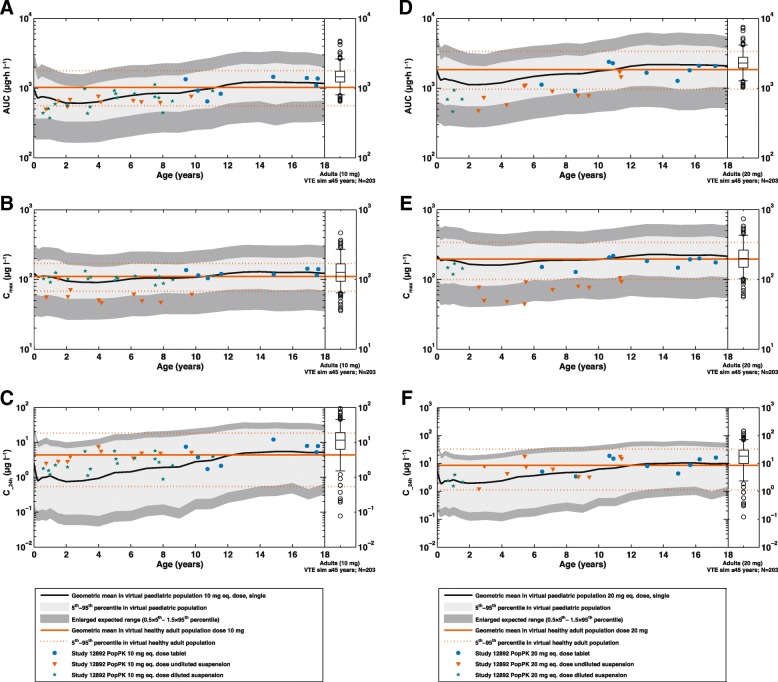
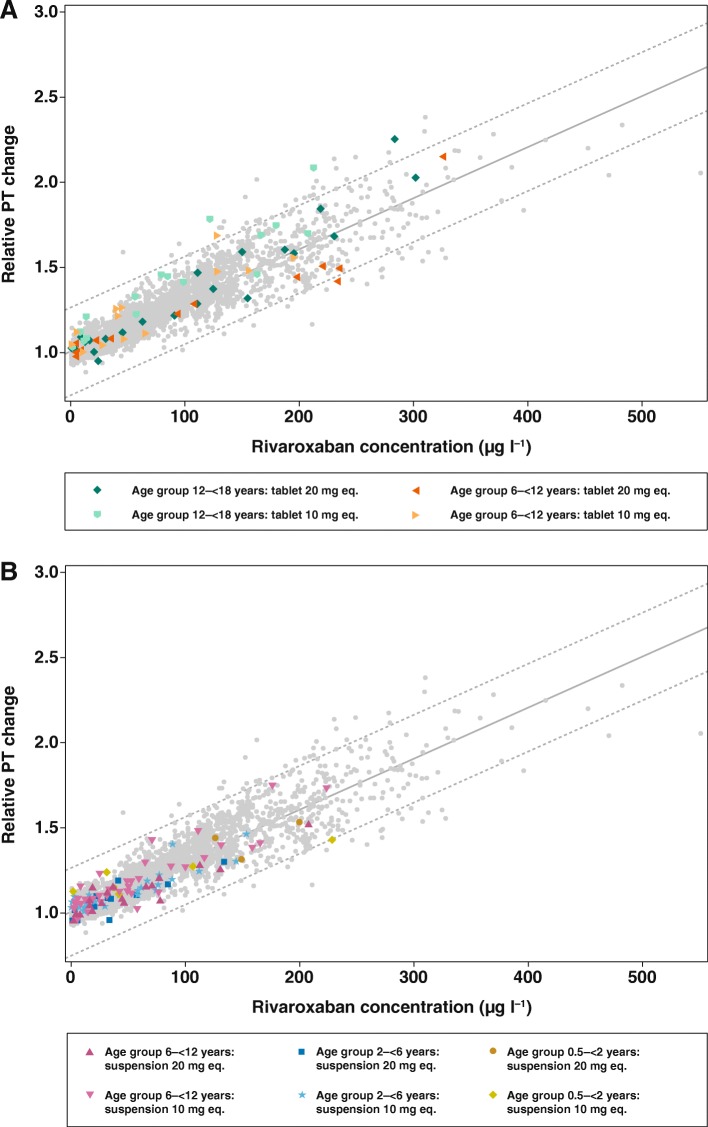
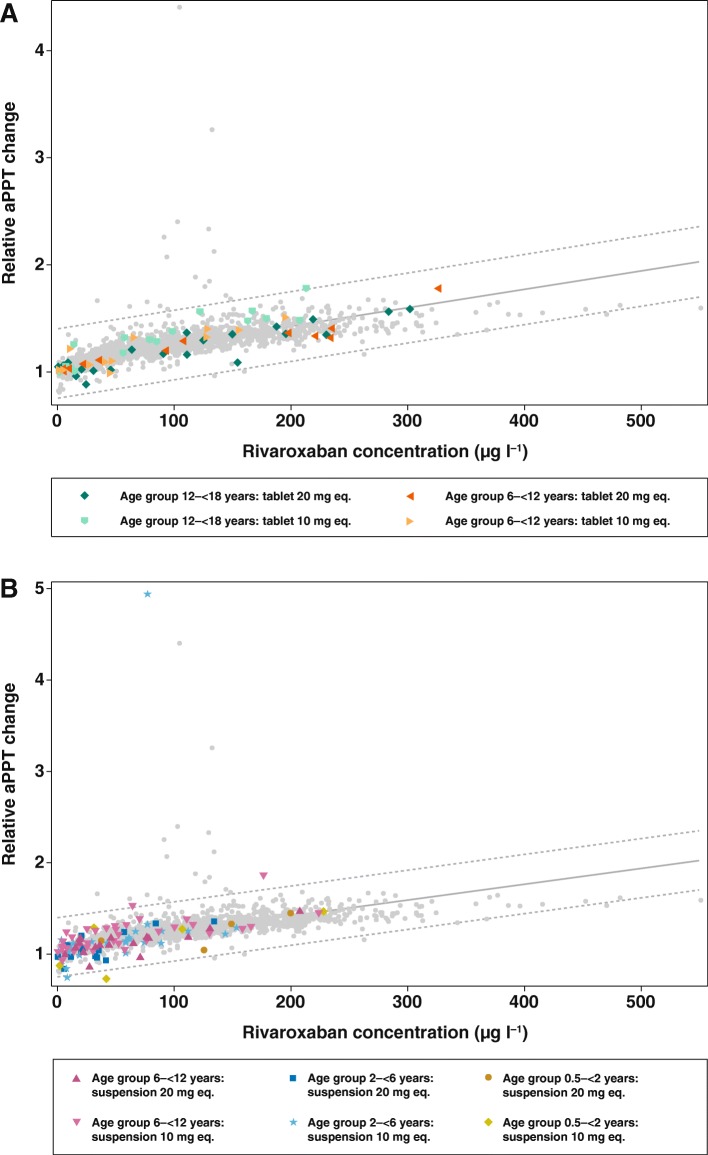
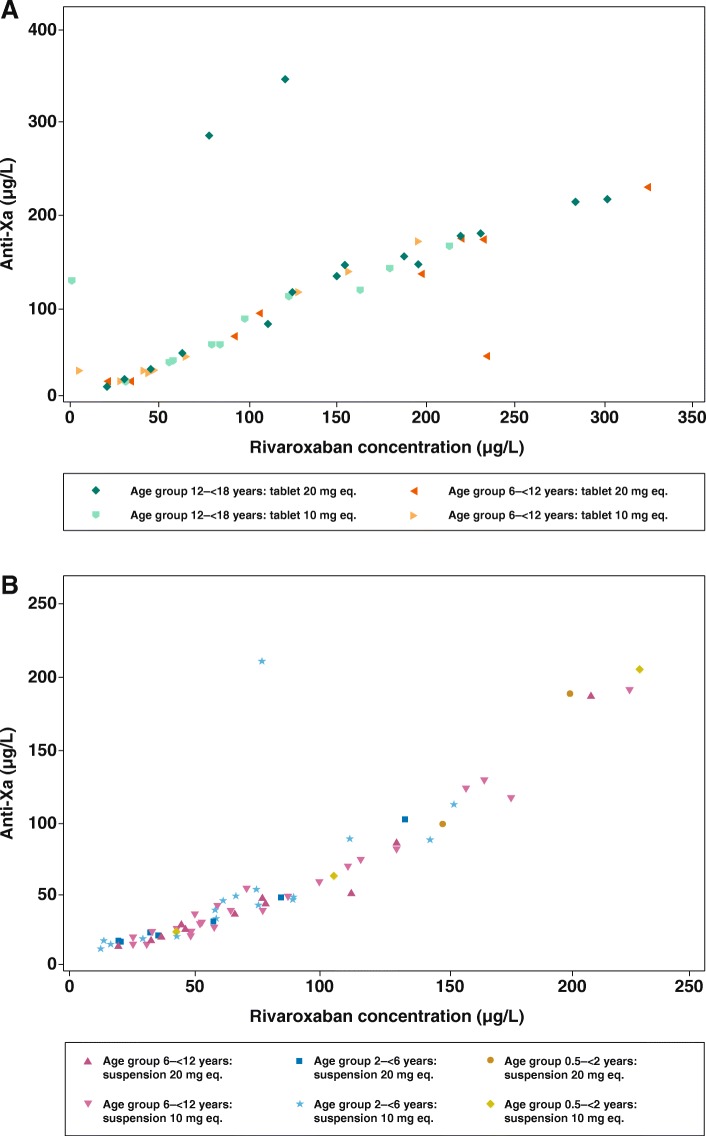
Fifty-nine children were evaluated. In all age groups, PD parameters (prothrombin time, activated partial thromboplastin time and anti-Factor Xa activity) showed a linear relationship versus rivaroxaban plasma concentrations and were in line with previously acquired adult data, as well as in vitro spiking experiments The rivaroxaban pediatric physiologically based pharmacokinetic model, used to predict the doses for the individual body weight groups, was confirmed. No episodes of bleeding were reported, and treatment-emergent adverse events occurred in four children and all resolved during the study.
Bodyweight-adjusted, single-dose rivaroxaban had predictable PK/PD profiles in children across all age groups from 0.5 to 18 years. The PD assessments based on prothrombin time and activated partial thromboplastin time demonstrated that the anticoagulant effect of rivaroxaban was not affected by developmental hemostasis in children.
ClinicalTrials.gov number, NCT01145859.
EINSTEIN-Jr项目将评估利伐沙班用于治疗儿童静脉血栓栓塞症(VTE)的效果,目标是达到与成人每日一次20毫克剂量相似的暴露量。
这是一项多中心、单剂量、开放标签的I期研究,旨在描述根据体重调整的单剂量利伐沙班在0.5至18岁儿童中的药效学(PD)、药代动力学(PK)和安全性。已完成静脉血栓栓塞事件治疗的儿童被纳入四个年龄组(0.5至2岁、2至6岁、6至12岁和12至18岁),接受相当于10毫克或20毫克的利伐沙班剂量(片剂或口服混悬液)。在指定的时间窗口内采集用于PK和PD分析的血样。
共评估了59名儿童。在所有年龄组中,PD参数(凝血酶原时间、活化部分凝血活酶时间和抗Xa因子活性)与利伐沙班血浆浓度呈线性关系,与先前获得的成人数据以及体外加样实验结果一致。用于预测各个体重组剂量的利伐沙班儿科生理药代动力学模型得到了验证。未报告出血事件,4名儿童出现治疗期间新出现的不良事件,且在研究期间均已缓解。
根据体重调整的单剂量利伐沙班在0.5至18岁的所有年龄组儿童中具有可预测的PK/PD特征。基于凝血酶原时间和活化部分凝血活酶时间的PD评估表明,利伐沙班的抗凝作用不受儿童发育性止血的影响。
ClinicalTrials.gov编号,NCT01145859。