Department of Life Sciences, Imperial College London, London, UK.
Department of Anesthesiology & Perioperative Medicine, Xijing Hospital, Xi'an, Shanxi, China.
Nat Neurosci. 2019 Jan;22(1):106-119. doi: 10.1038/s41593-018-0288-9. Epub 2018 Dec 17.
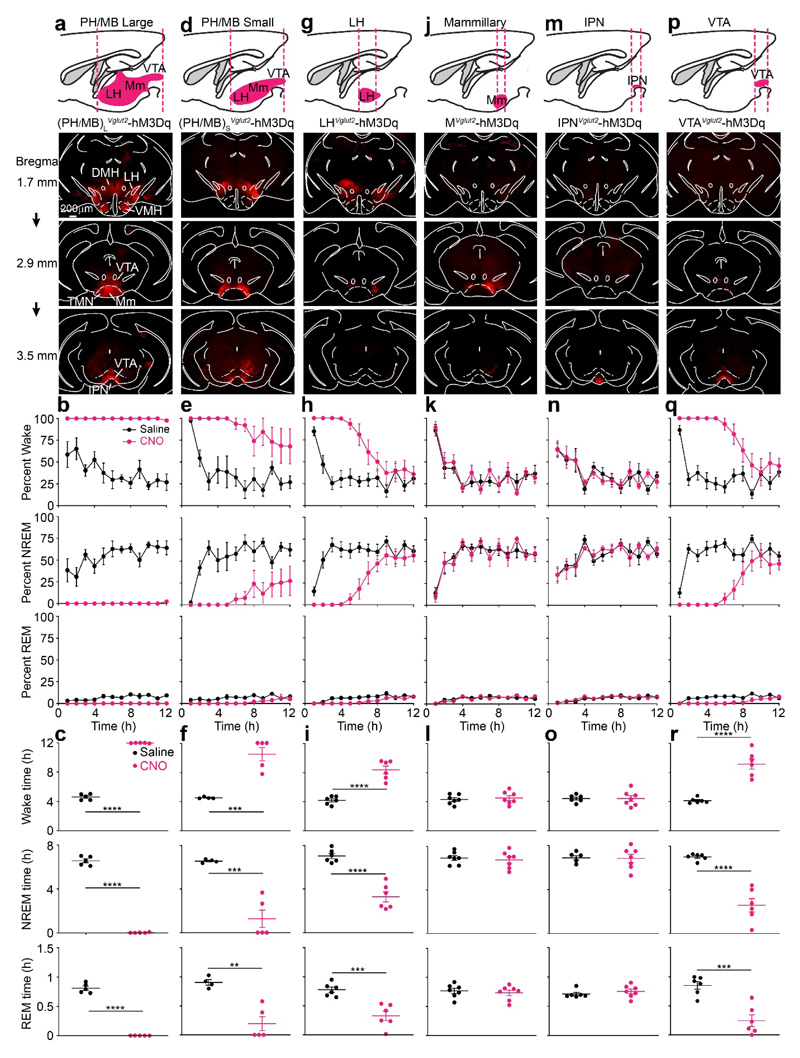
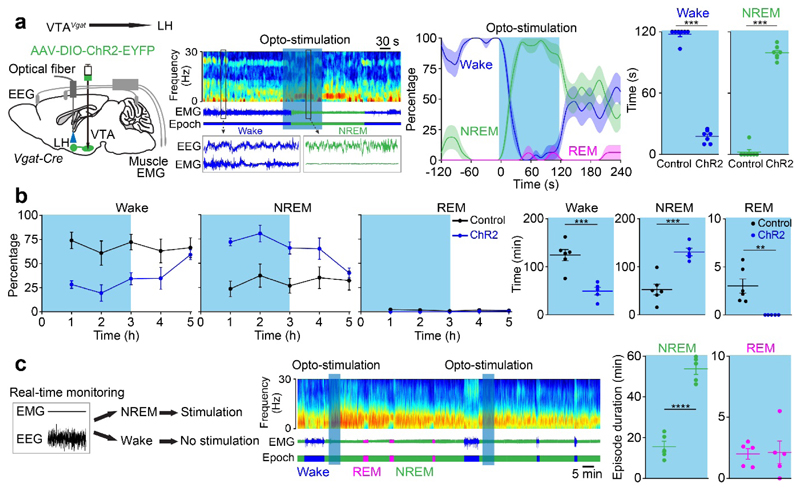
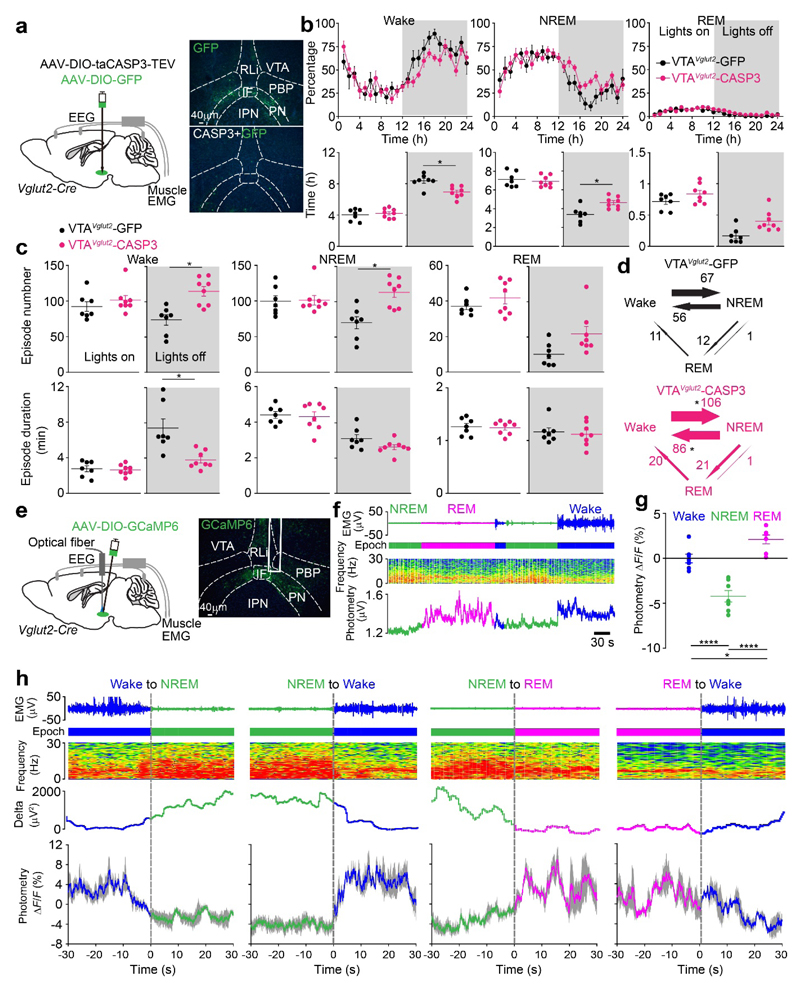
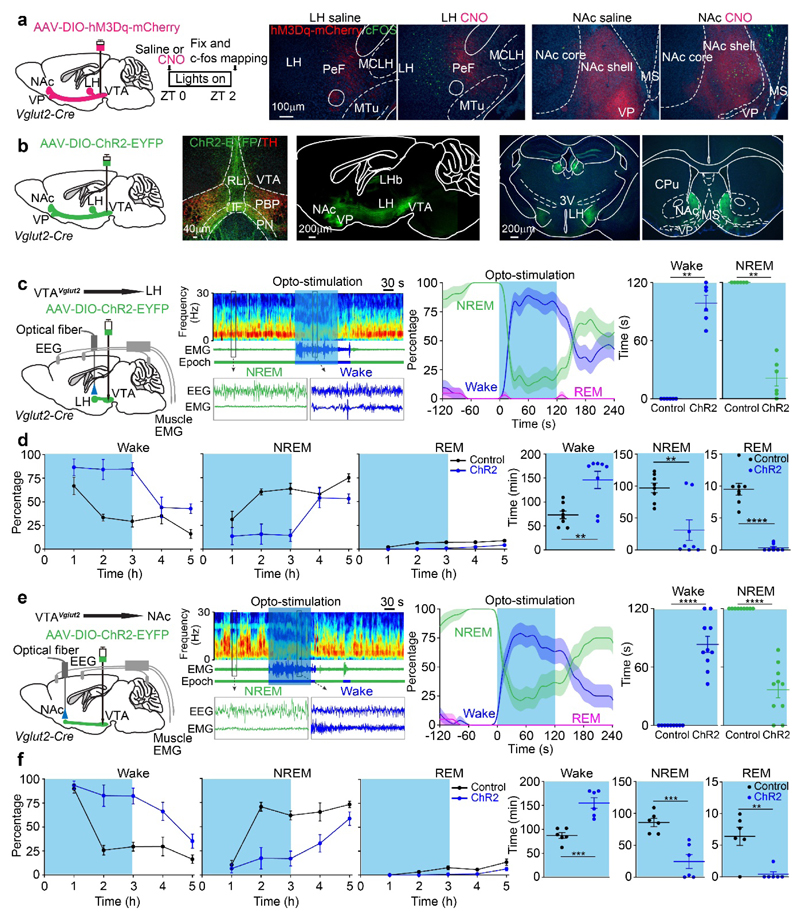
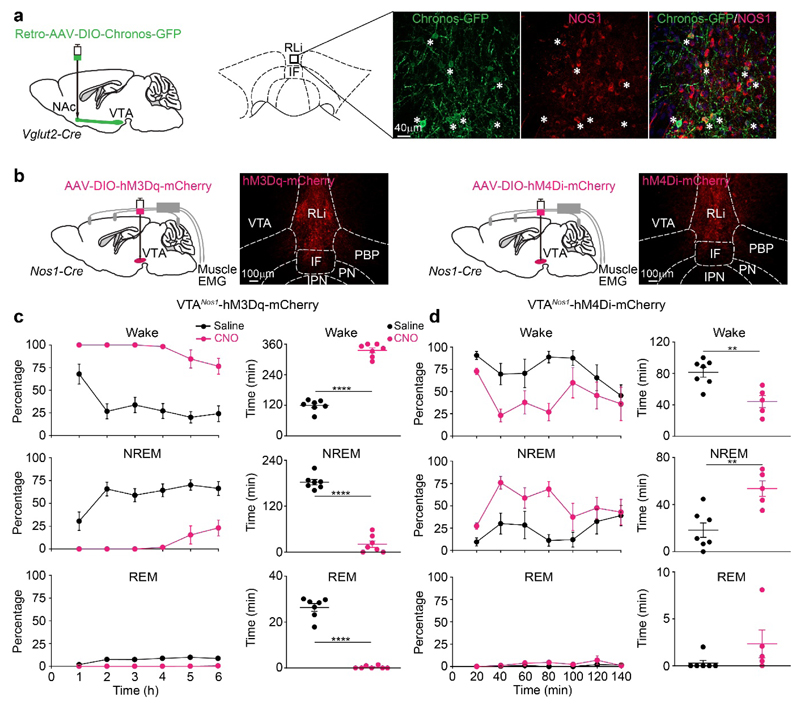
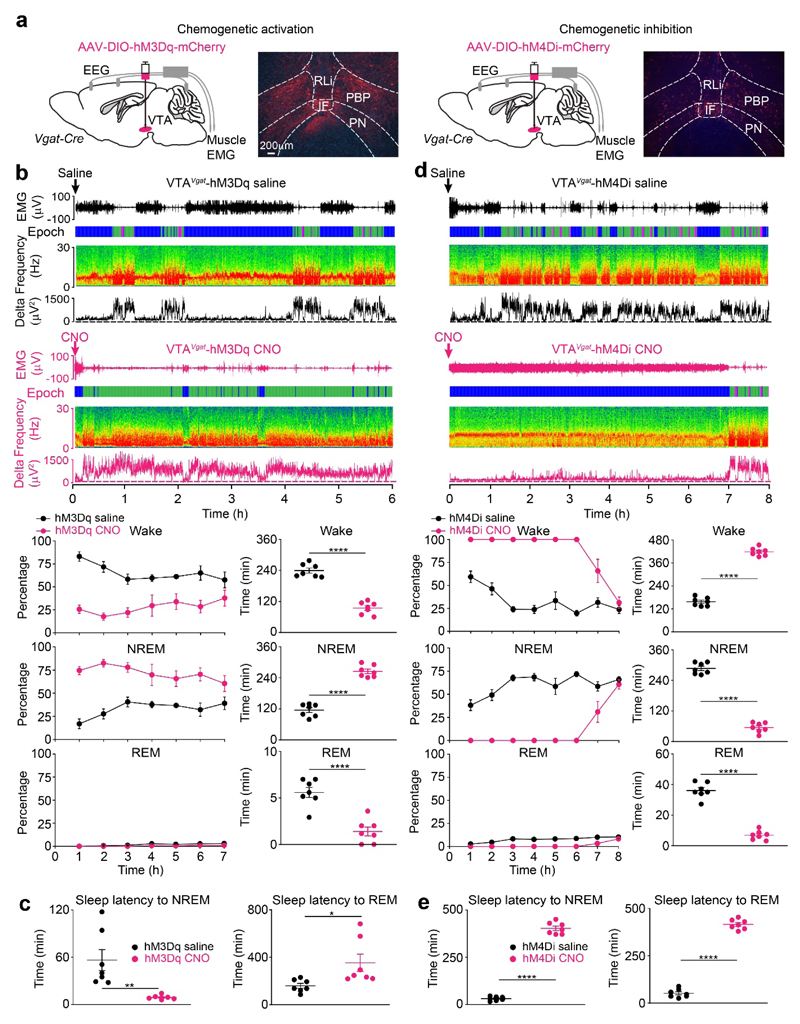
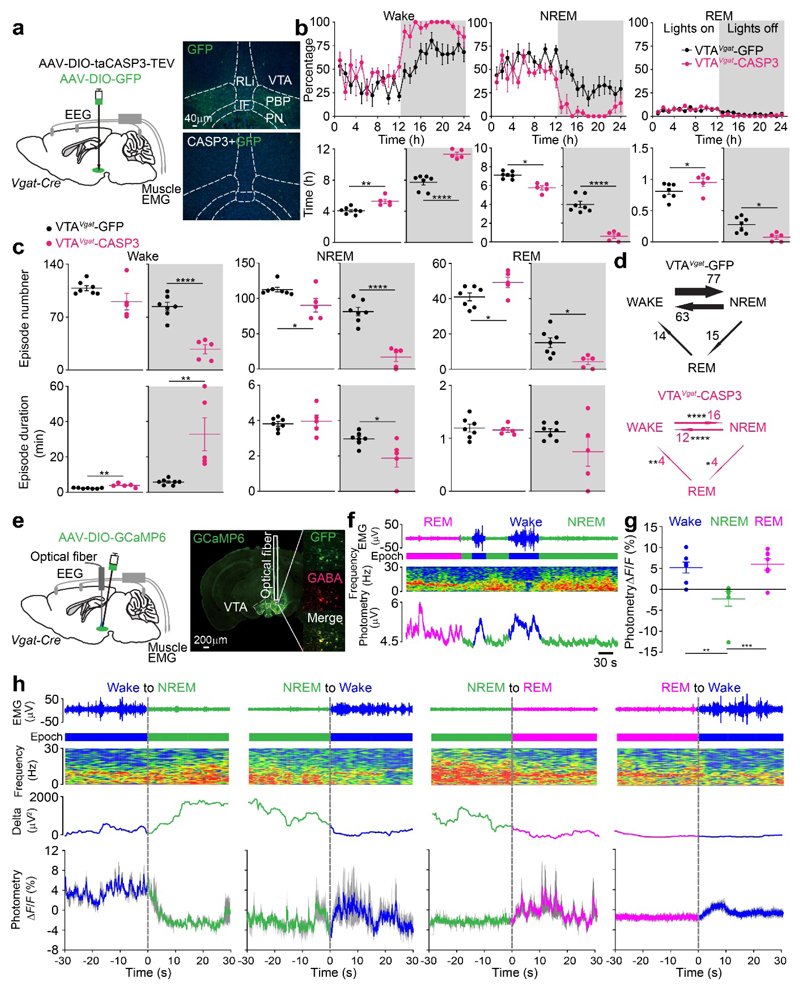
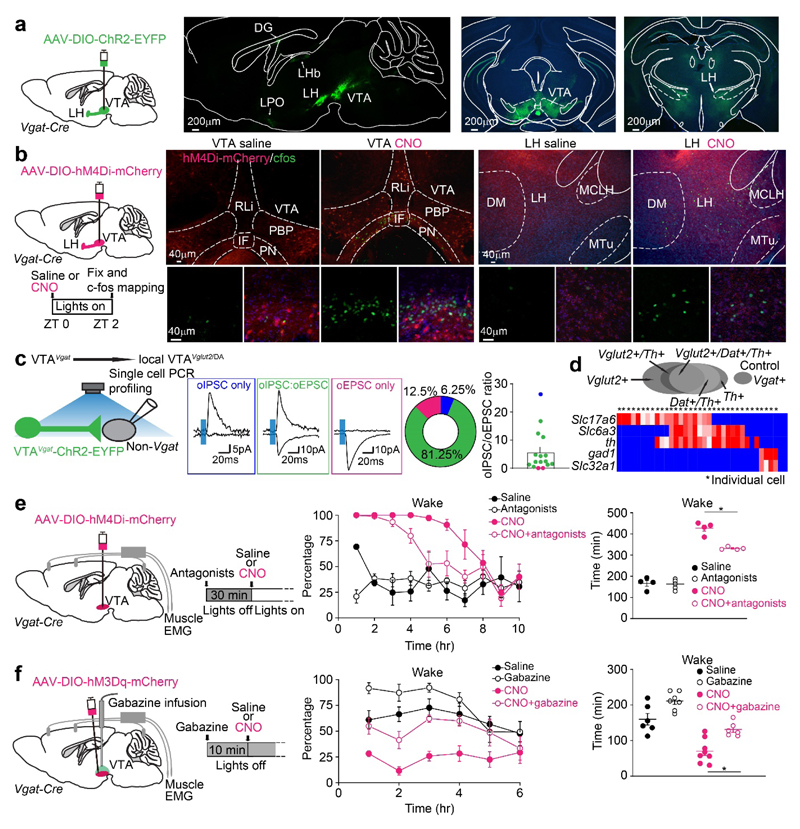
We screened for novel circuits in the mouse brain that promote wakefulness. Chemogenetic activation experiments and electroencephalogram recordings pointed to glutamatergic/nitrergic (NOS1) and GABAergic neurons in the ventral tegmental area (VTA). Activating glutamatergic/NOS1 neurons, which were wake- and rapid eye movement (REM) sleep-active, produced wakefulness through projections to the nucleus accumbens and the lateral hypothalamus. Lesioning the glutamate cells impaired the consolidation of wakefulness. By contrast, activation of GABAergic VTA neurons elicited long-lasting non-rapid-eye-movement-like sleep resembling sedation. Lesioning these neurons produced an increase in wakefulness that persisted for at least 4 months. Surprisingly, these VTA GABAergic neurons were wake- and REM sleep-active. We suggest that GABAergic VTA neurons may limit wakefulness by inhibiting the arousal-promoting VTA glutamatergic and/or dopaminergic neurons and through projections to the lateral hypothalamus. Thus, in addition to its contribution to goal- and reward-directed behaviors, the VTA has a role in regulating sleep and wakefulness.
我们在小鼠大脑中筛选出促进觉醒的新回路。化学遗传激活实验和脑电图记录指向腹侧被盖区(VTA)中的谷氨酸能/氮能(NOS1)和 GABA 能神经元。激活谷氨酸能/NOS1 神经元,这些神经元在觉醒和快速眼动(REM)睡眠中活跃,通过投射到伏隔核和外侧下丘脑产生觉醒。谷氨酸细胞的损伤会损害觉醒的巩固。相比之下,激活 VTA 的 GABA 能神经元会引发类似于镇静作用的长时间非快速眼动样睡眠。这些神经元的损伤会导致觉醒增加,至少持续 4 个月。令人惊讶的是,这些 VTA GABA 能神经元在觉醒和 REM 睡眠中活跃。我们认为,VTA GABA 能神经元可能通过抑制促觉醒的 VTA 谷氨酸能和/或多巴胺能神经元以及通过投射到外侧下丘脑来限制觉醒。因此,除了对目标和奖励导向行为的贡献外,VTA 在调节睡眠和觉醒方面也发挥作用。