Department of Immunology, St Jude Children's Research Hospital, Memphis, TN, USA.
Department of Computational Biology, St Jude Children's Research Hospital, Memphis, TN, USA.
Nature. 2019 Jan;565(7737):101-105. doi: 10.1038/s41586-018-0806-7. Epub 2018 Dec 19.
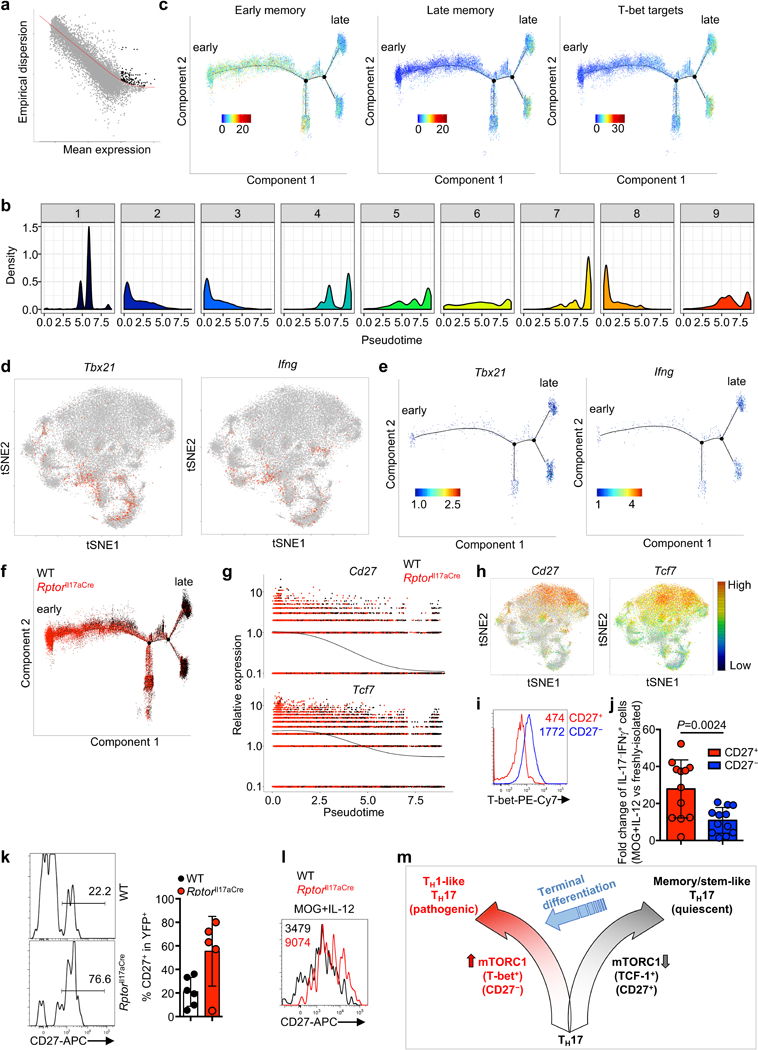
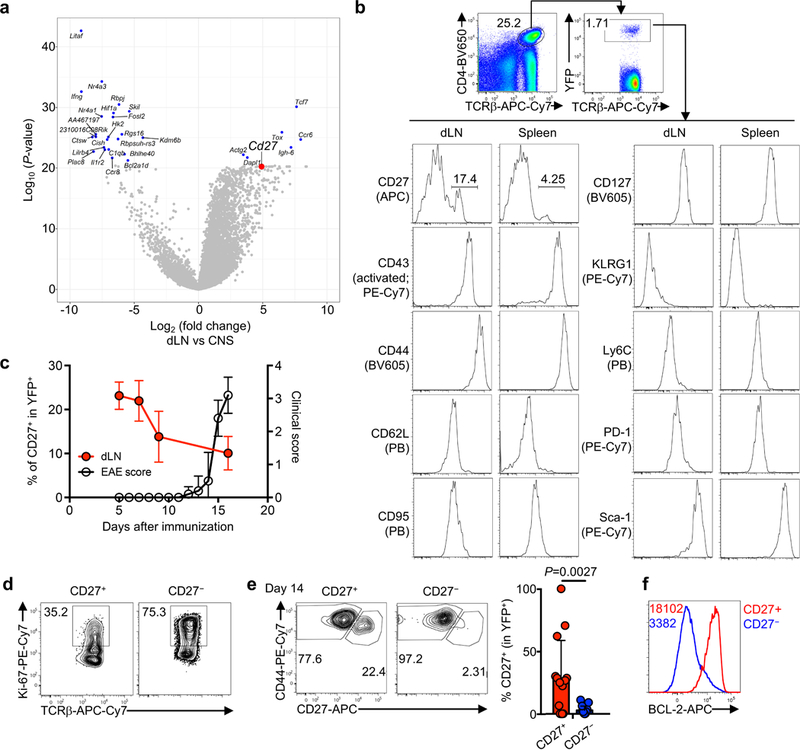
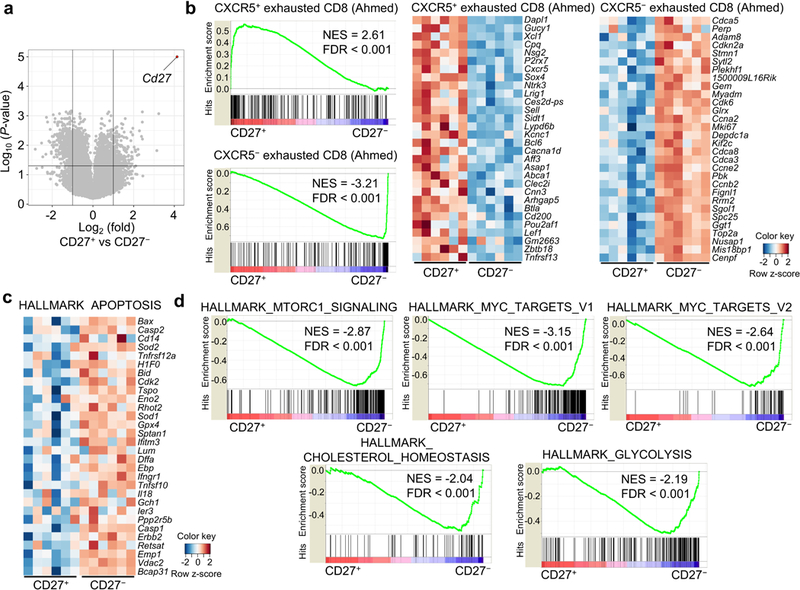
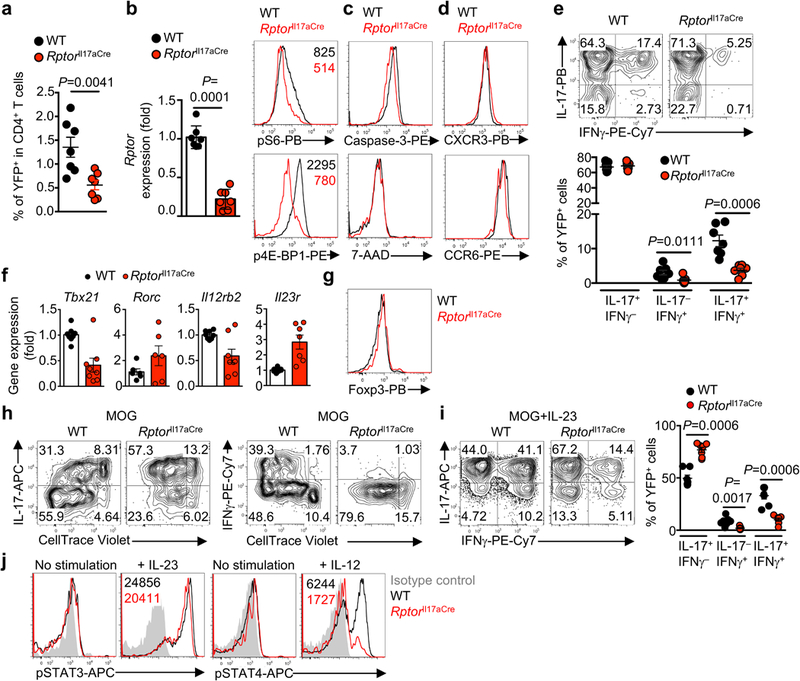
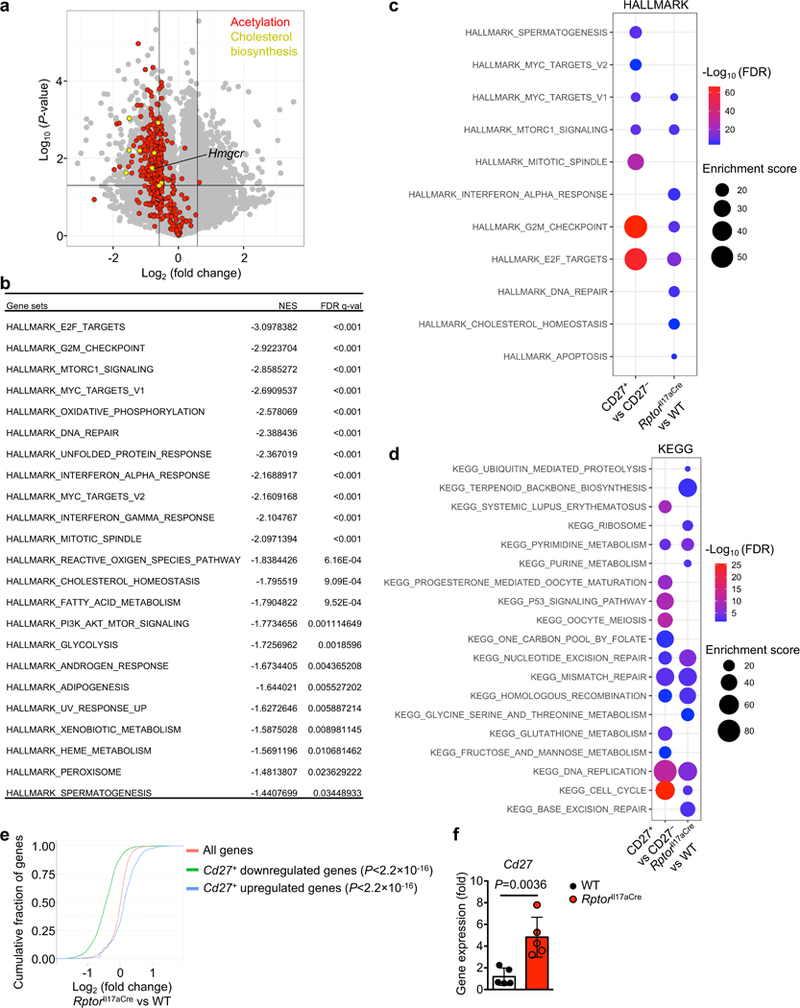
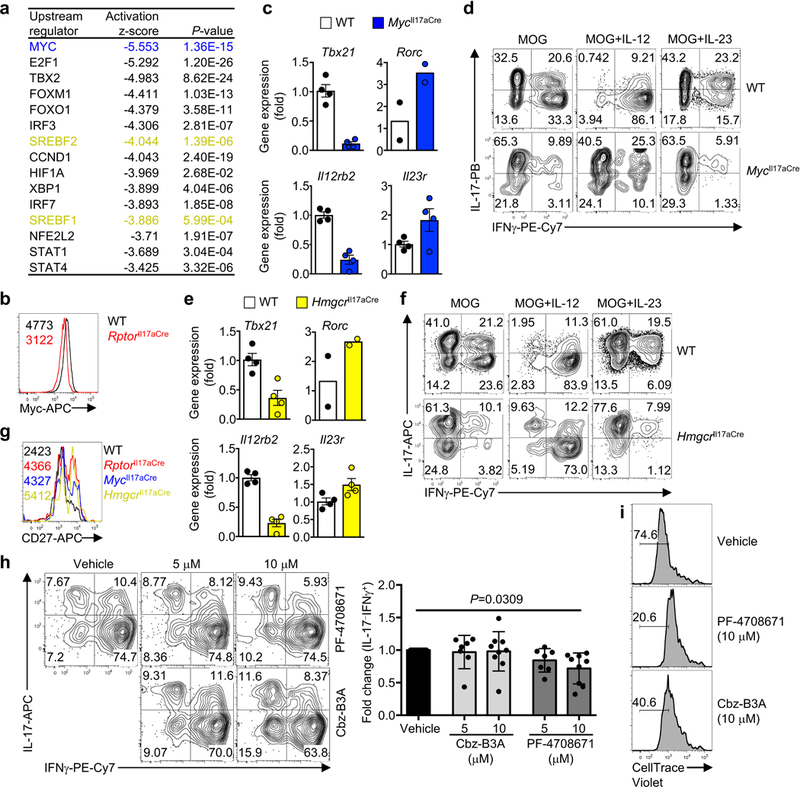
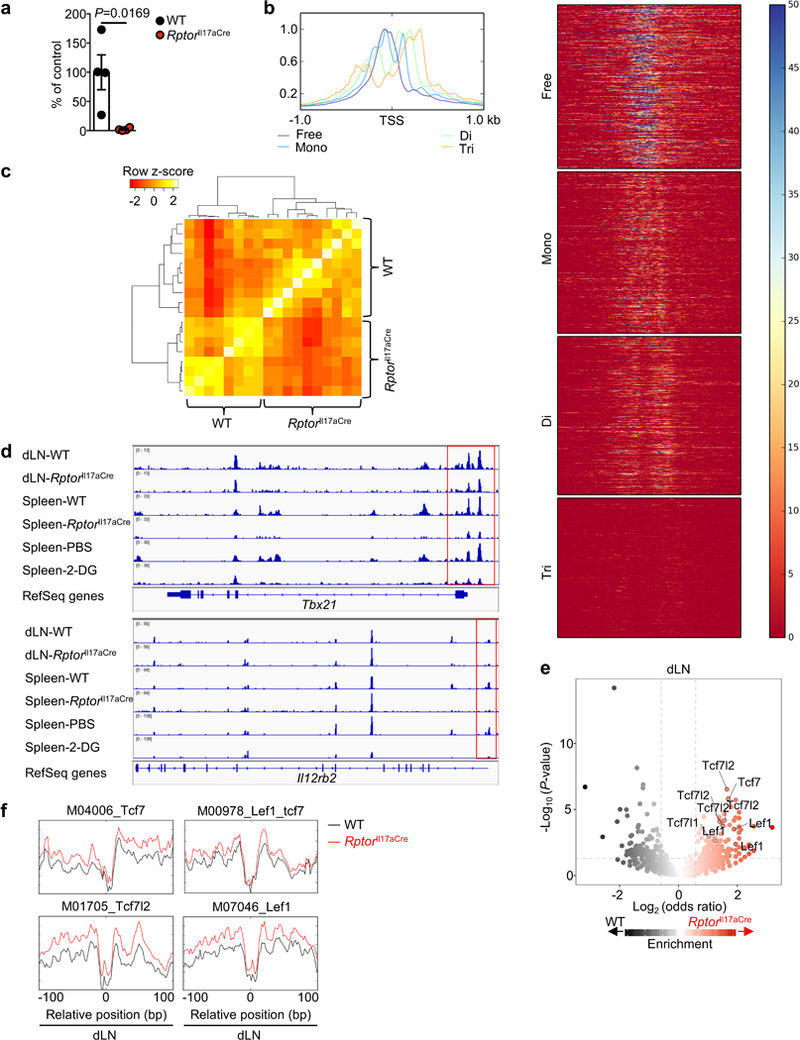
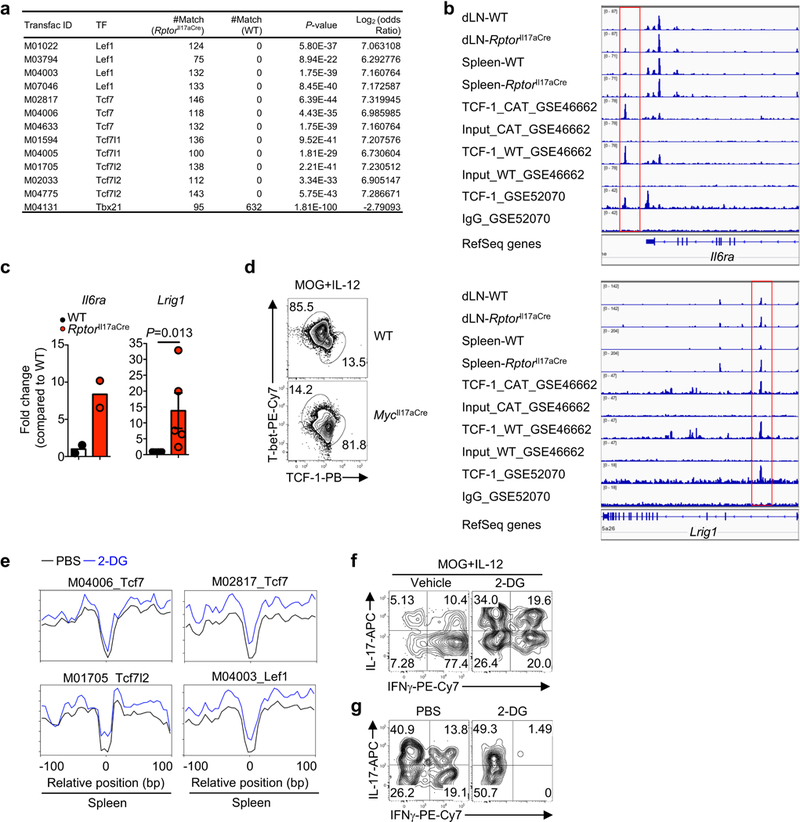
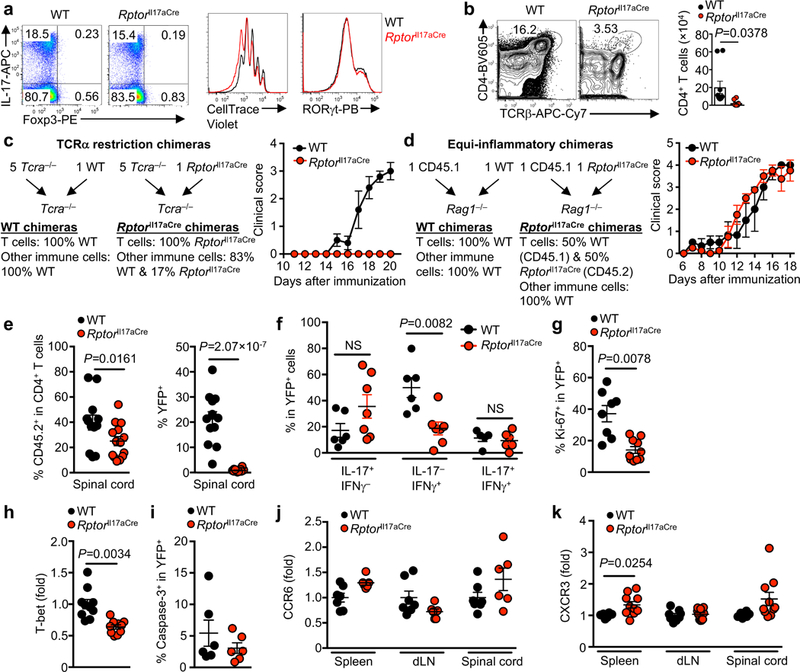
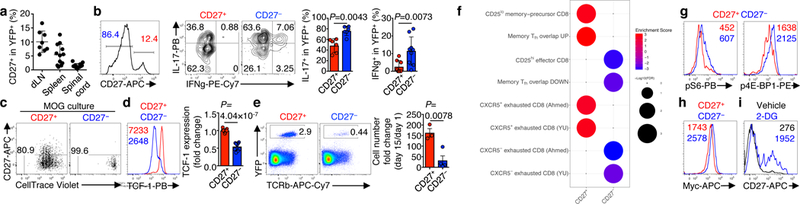
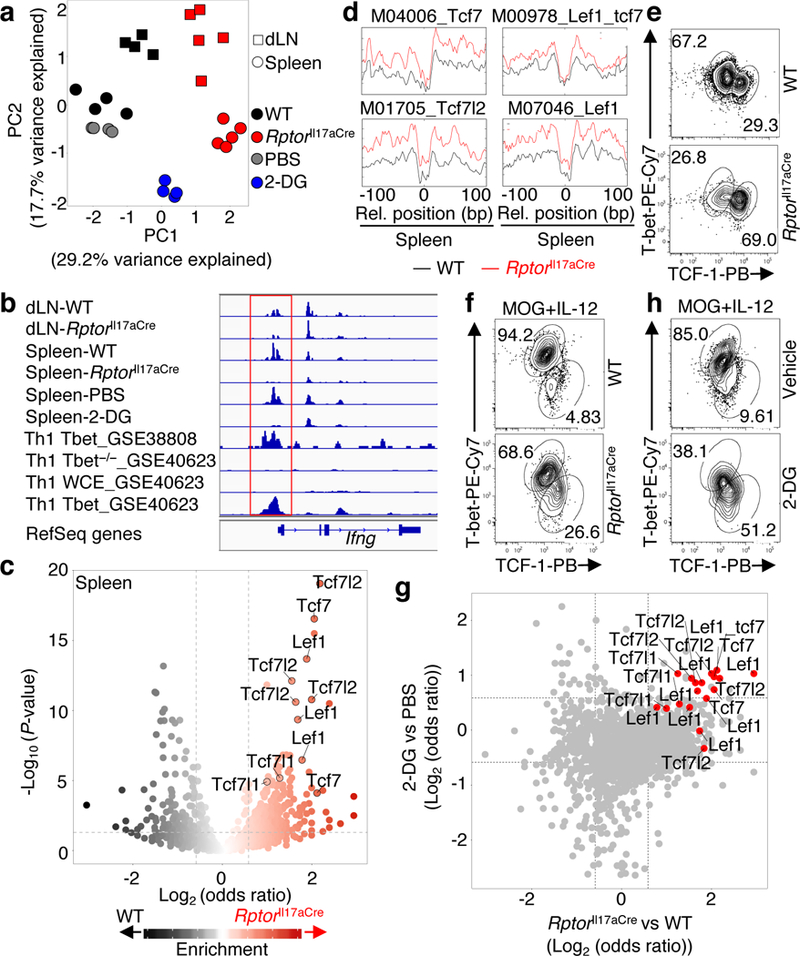
A defining feature of adaptive immunity is the development of long-lived memory T cells to curtail infection. Recent studies have identified a unique stem-like T-cell subset amongst exhausted CD8-positive T cells in chronic infection, but it remains unclear whether CD4-positive T-cell subsets with similar features exist in chronic inflammatory conditions. Amongst helper T cells, T17 cells have prominent roles in autoimmunity and tissue inflammation and are characterized by inherent plasticity, although how such plasticity is regulated is poorly understood. Here we demonstrate that T17 cells in a mouse model of autoimmune disease are functionally and metabolically heterogeneous; they contain a subset with stemness-associated features but lower anabolic metabolism, and a reciprocal subset with higher metabolic activity that supports transdifferentiation into T1-like cells. These two T17-cell subsets are defined by selective expression of the transcription factors TCF-1 and T-bet, and by discrete levels of CD27 expression. We also identify signalling via the kinase complex mTORC1 as a central regulator of T17-cell fate decisions by coordinating metabolic and transcriptional programmes. T17 cells with disrupted mTORC1 signalling or anabolic metabolism fail to induce autoimmune neuroinflammation or to develop into T1-like cells, but instead upregulate TCF-1 expression and acquire stemness-associated features. Single-cell RNA sequencing and experimental validation reveal heterogeneity in fate-mapped T17 cells, and a developmental arrest in the T1 transdifferentiation trajectory upon loss of mTORC1 activity or metabolic perturbation. Our results establish that the dichotomy of stemness and effector function underlies the heterogeneous T17 responses and autoimmune pathogenesis, and point to previously unappreciated metabolic control of plasticity in helper T cells.
适应性免疫的一个显著特征是产生记忆 T 细胞以遏制感染。最近的研究在慢性感染的耗竭 CD8+T 细胞中鉴定出一种独特的干细胞样 T 细胞亚群,但在慢性炎症条件下是否存在具有类似特征的 CD4+T 细胞亚群仍不清楚。在辅助性 T 细胞中,T17 细胞在自身免疫和组织炎症中具有突出作用,其特征是固有可塑性,尽管这种可塑性如何受到调节还知之甚少。在这里,我们证明了自身免疫疾病小鼠模型中的 T17 细胞在功能和代谢上是异质的;它们包含具有干细胞特征但代谢合成较低的亚群,以及具有更高代谢活性支持向 T1 样细胞转化的亚群。这两个 T17 细胞亚群的特征是转录因子 TCF-1 和 T-bet 的选择性表达,以及 CD27 表达的离散水平。我们还发现,通过激酶复合物 mTORC1 的信号转导是协调代谢和转录程序的 T17 细胞命运决定的中央调节剂。mTORC1 信号或代谢合成受损的 T17 细胞无法诱导自身免疫性神经炎症或向 T1 样细胞转化,但会上调 TCF-1 表达并获得与干细胞相关的特征。单细胞 RNA 测序和实验验证揭示了命运映射的 T17 细胞的异质性,以及在 mTORC1 活性丧失或代谢扰动时 T1 转化轨迹的发育停滞。我们的研究结果表明,干性和效应功能的二分法是 T17 反应和自身免疫发病机制的异质性基础,并指出了以前未被重视的辅助性 T 细胞可塑性的代谢控制。