• 文献检索
  • 文档翻译
  • 深度研究
  • 学术资讯
  • Suppr Zotero 插件Zotero 插件
  • 邀请有礼
  • 套餐&价格
  • 历史记录
应用&插件
Suppr Zotero 插件Zotero 插件浏览器插件Mac 客户端Windows 客户端微信小程序
定价
高级版会员购买积分包购买API积分包
服务
文献检索文档翻译深度研究API 文档MCP 服务
关于我们
关于 Suppr公司介绍联系我们用户协议隐私条款
关注我们

Suppr 超能文献

核心技术专利:CN118964589B侵权必究
粤ICP备2023148730 号-1Suppr @ 2026

文献检索

告别复杂PubMed语法,用中文像聊天一样搜索,搜遍4000万医学文献。AI智能推荐,让科研检索更轻松。

立即免费搜索

文件翻译

保留排版,准确专业,支持PDF/Word/PPT等文件格式,支持 12+语言互译。

免费翻译文档

深度研究

AI帮你快速写综述,25分钟生成高质量综述,智能提取关键信息,辅助科研写作。

立即免费体验

有孔虫属 Marginopora 的形态多样性。

Morphological diversity in the foraminiferal genus Marginopora.

机构信息

Naturalis Biodiversity Center, RA Leiden, the Netherlands.

出版信息

PLoS One. 2018 Dec 26;13(12):e0208158. doi: 10.1371/journal.pone.0208158. eCollection 2018.

DOI:10.1371/journal.pone.0208158
PMID:30586401
原文链接:https://pmc.ncbi.nlm.nih.gov/articles/PMC6306156/
Abstract

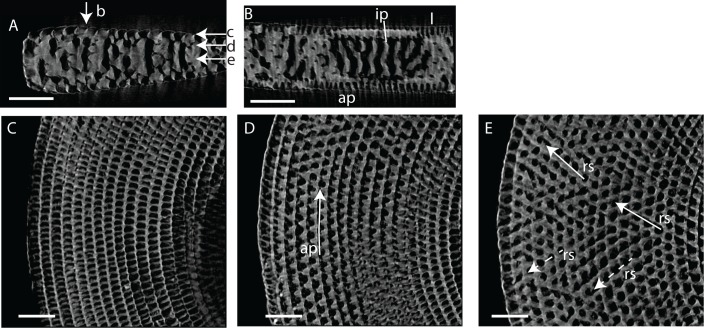
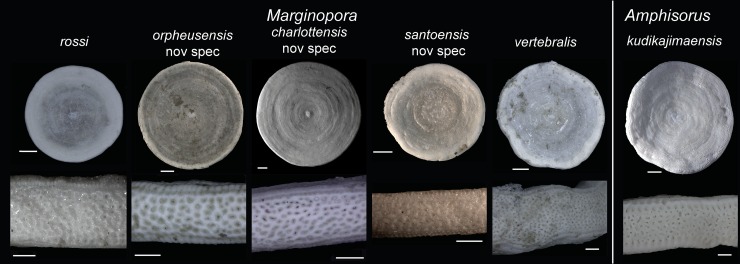
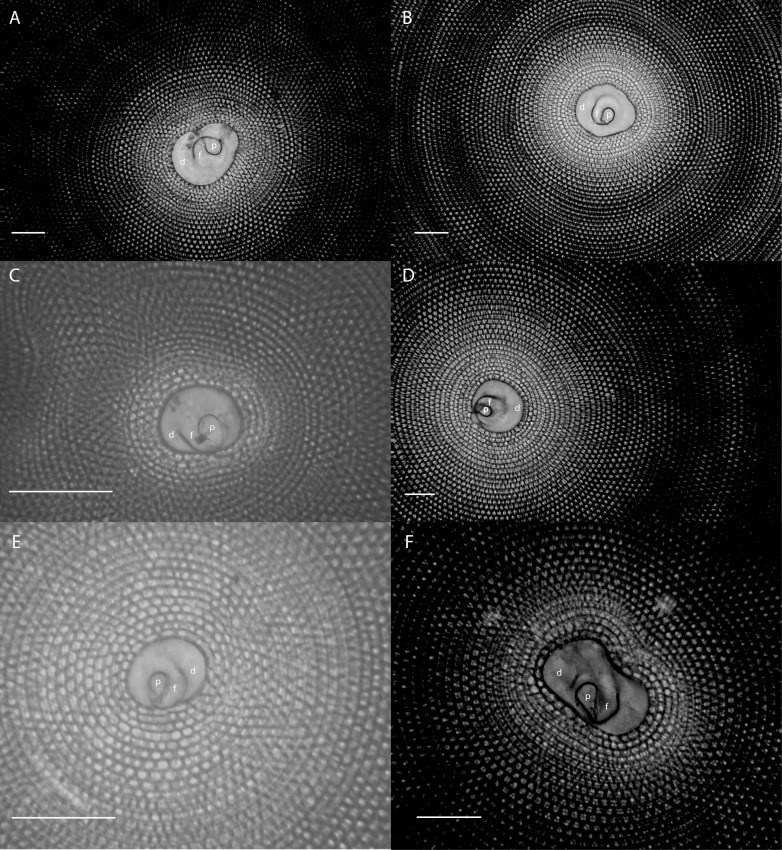
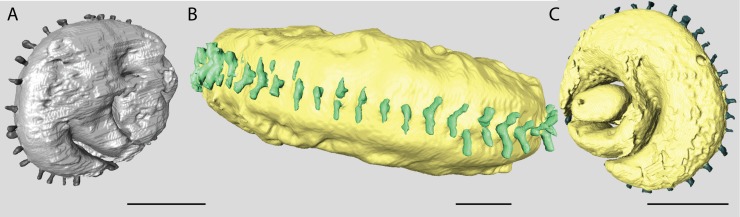
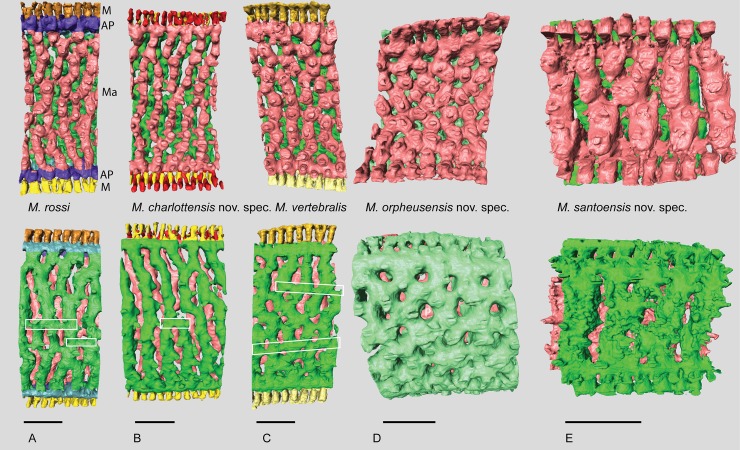
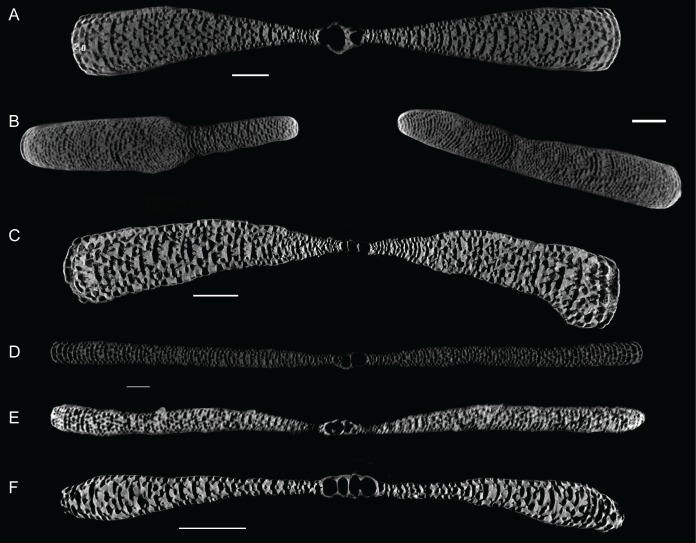
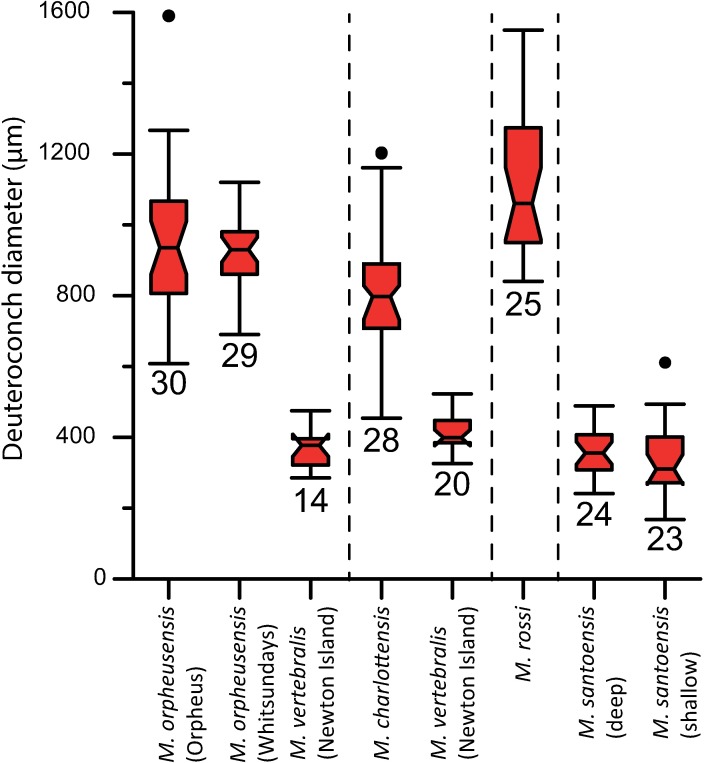
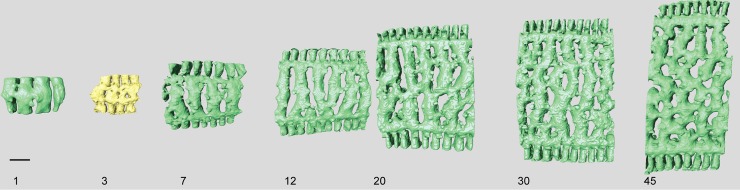
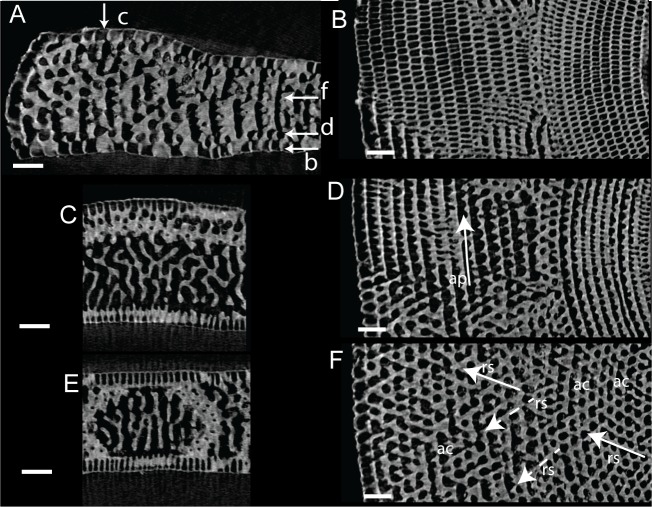
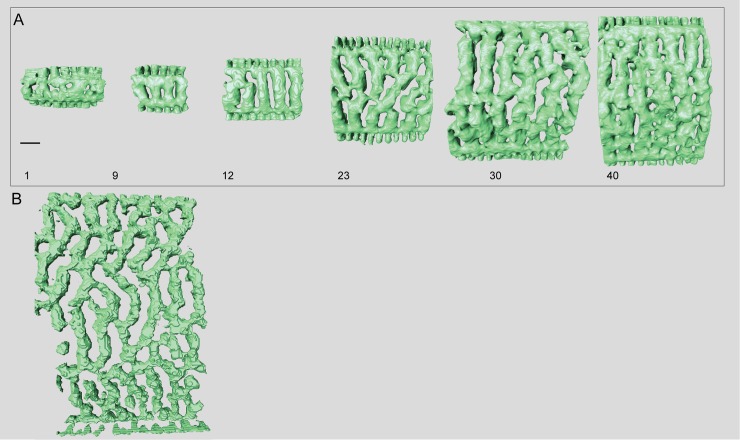
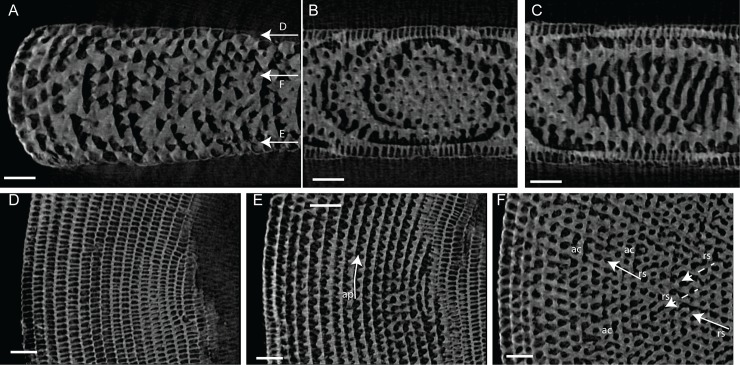
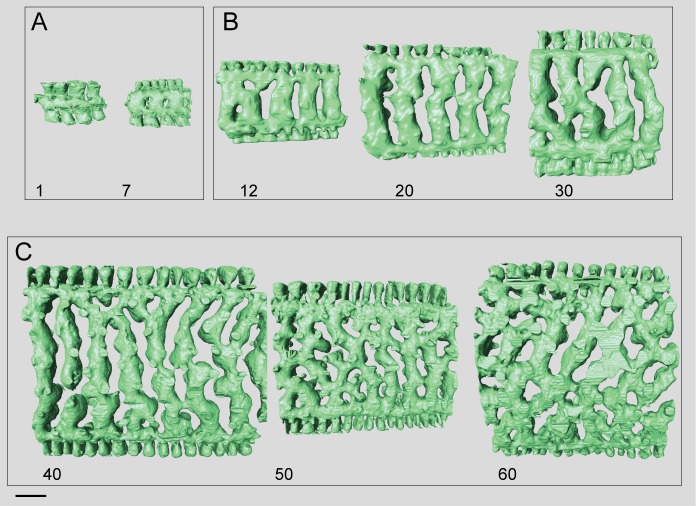
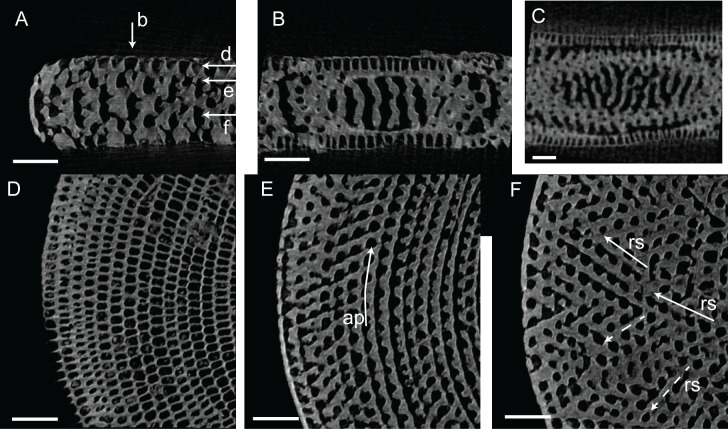
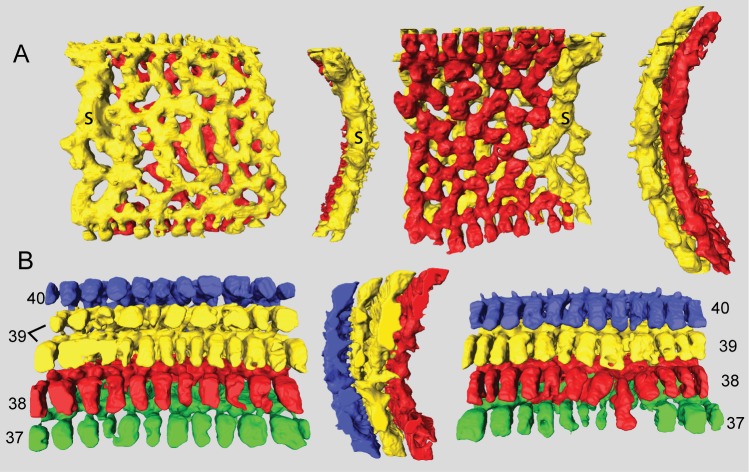
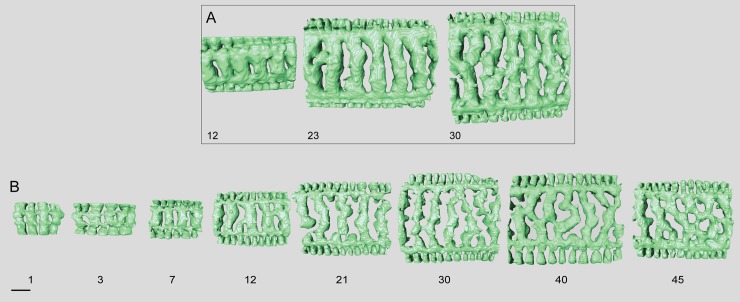
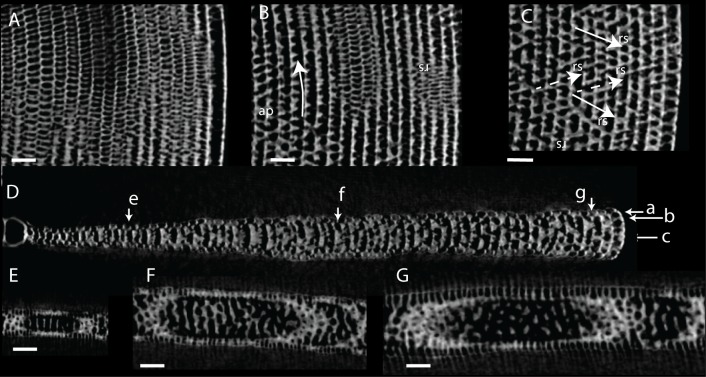
Benthic foraminifera, and certainly symbiont-bearing (large) benthic foraminifera are generally considered to have large geographic ranges in combination with significant ecomorphological variation. With the advance of molecular phylogenetic approaches, supported or preceded by detailed morphological studies, it was demonstrated that this view needs to be reevaluated. In this paper I evaluate the morphology of five Marginopora populations from around the Coral Sea by microCT-scanning. I argue that ecomorphological and ontogenetic variation is smaller than geographic variation in morphology. This forms the basis for the description of three new species, M. santoensis nov. spec., M. charlottensis nov. spec., M. orpheusensis nov. spec. Quantitative morphological variation between M. rossi, M. orpheusensis nov. spec. and M. charlottensis nov. spec. is overlapping, but each species has unique morphological characters supporting recognition as new species. Support to distinguish the deep living (M. rossi, M. charlottensis nov. spec., M. orpheusensis nov. spec.) and shallow living (M. vertebralis) Marginopora populations as separate species is strong, but not enough molecular phylogenetic data are available to test the three new deep-living species on the Great Barrier Reef hypothesis. However, detailed understanding of ecophenotypic variation in M. santoensis nov. spec. supports the conclusion that it is unlikely that ecophenotypic variation can explain the morphological variation between the three species. I argue that the number of species in this genus is underestimated, and that there are at least five species in the Coral Sea area alone.

摘要

底栖有孔虫,尤其是共生(大型)底栖有孔虫通常被认为具有广泛的地理分布范围,并伴随着显著的生态形态变异。随着分子系统发育方法的进步,在详细的形态学研究的支持或之前,已经证明这种观点需要重新评估。在本文中,我通过微 CT 扫描评估了来自珊瑚海周围的五个 Marginopora 种群的形态。我认为生态形态和个体发育变异小于形态的地理变异。这为描述三个新物种提供了基础,即 M. santoensis nov. spec.、M. charlottensis nov. spec. 和 M. orpheusensis nov. spec.。M. rossi、M. orpheusensis nov. spec. 和 M. charlottensis nov. spec. 之间的定量形态变异是重叠的,但每个物种都具有独特的形态特征,支持将其识别为新物种。区分深海生活(M. rossi、M. charlottensis nov. spec.、M. orpheusensis nov. spec.)和浅海生活(M. vertebralis) Marginopora 种群的支持是强有力的,但没有足够的分子系统发育数据来测试大堡礁假说中的三个新深海物种。然而,对 M. santoensis nov. spec. 的生态表型变异的详细了解支持这样的结论,即生态表型变异不太可能解释这三个物种之间的形态变异。我认为这个属的物种数量被低估了,仅在珊瑚海地区就至少有五个物种。
https://cdn.ncbi.nlm.nih.gov/pmc/blobs/1f93/6306156/b99b8e2c4ef4/pone.0208158.g018.jpg
https://cdn.ncbi.nlm.nih.gov/pmc/blobs/1f93/6306156/0a36fa995972/pone.0208158.g001.jpg
https://cdn.ncbi.nlm.nih.gov/pmc/blobs/1f93/6306156/92fec66aa6d2/pone.0208158.g002.jpg
https://cdn.ncbi.nlm.nih.gov/pmc/blobs/1f93/6306156/868847a8027c/pone.0208158.g003.jpg
https://cdn.ncbi.nlm.nih.gov/pmc/blobs/1f93/6306156/0edbe759145f/pone.0208158.g004.jpg
https://cdn.ncbi.nlm.nih.gov/pmc/blobs/1f93/6306156/e3ef1a43bea0/pone.0208158.g005.jpg
https://cdn.ncbi.nlm.nih.gov/pmc/blobs/1f93/6306156/a1b1a09db319/pone.0208158.g006.jpg
https://cdn.ncbi.nlm.nih.gov/pmc/blobs/1f93/6306156/4693ba96d5cc/pone.0208158.g007.jpg
https://cdn.ncbi.nlm.nih.gov/pmc/blobs/1f93/6306156/49703103abe7/pone.0208158.g008.jpg
https://cdn.ncbi.nlm.nih.gov/pmc/blobs/1f93/6306156/b67dcbf8fa4a/pone.0208158.g009.jpg
https://cdn.ncbi.nlm.nih.gov/pmc/blobs/1f93/6306156/7b90701a904e/pone.0208158.g010.jpg
https://cdn.ncbi.nlm.nih.gov/pmc/blobs/1f93/6306156/86dc48c58436/pone.0208158.g011.jpg
https://cdn.ncbi.nlm.nih.gov/pmc/blobs/1f93/6306156/e4f3956a5d95/pone.0208158.g012.jpg
https://cdn.ncbi.nlm.nih.gov/pmc/blobs/1f93/6306156/ac104f5ce17c/pone.0208158.g013.jpg
https://cdn.ncbi.nlm.nih.gov/pmc/blobs/1f93/6306156/ae638c1ccd9a/pone.0208158.g014.jpg
https://cdn.ncbi.nlm.nih.gov/pmc/blobs/1f93/6306156/0f398eb5f953/pone.0208158.g015.jpg
https://cdn.ncbi.nlm.nih.gov/pmc/blobs/1f93/6306156/149bc3376649/pone.0208158.g016.jpg
https://cdn.ncbi.nlm.nih.gov/pmc/blobs/1f93/6306156/56a818dd8f46/pone.0208158.g017.jpg
https://cdn.ncbi.nlm.nih.gov/pmc/blobs/1f93/6306156/b99b8e2c4ef4/pone.0208158.g018.jpg
https://cdn.ncbi.nlm.nih.gov/pmc/blobs/1f93/6306156/0a36fa995972/pone.0208158.g001.jpg
https://cdn.ncbi.nlm.nih.gov/pmc/blobs/1f93/6306156/92fec66aa6d2/pone.0208158.g002.jpg
https://cdn.ncbi.nlm.nih.gov/pmc/blobs/1f93/6306156/868847a8027c/pone.0208158.g003.jpg
https://cdn.ncbi.nlm.nih.gov/pmc/blobs/1f93/6306156/0edbe759145f/pone.0208158.g004.jpg
https://cdn.ncbi.nlm.nih.gov/pmc/blobs/1f93/6306156/e3ef1a43bea0/pone.0208158.g005.jpg
https://cdn.ncbi.nlm.nih.gov/pmc/blobs/1f93/6306156/a1b1a09db319/pone.0208158.g006.jpg
https://cdn.ncbi.nlm.nih.gov/pmc/blobs/1f93/6306156/4693ba96d5cc/pone.0208158.g007.jpg
https://cdn.ncbi.nlm.nih.gov/pmc/blobs/1f93/6306156/49703103abe7/pone.0208158.g008.jpg
https://cdn.ncbi.nlm.nih.gov/pmc/blobs/1f93/6306156/b67dcbf8fa4a/pone.0208158.g009.jpg
https://cdn.ncbi.nlm.nih.gov/pmc/blobs/1f93/6306156/7b90701a904e/pone.0208158.g010.jpg
https://cdn.ncbi.nlm.nih.gov/pmc/blobs/1f93/6306156/86dc48c58436/pone.0208158.g011.jpg
https://cdn.ncbi.nlm.nih.gov/pmc/blobs/1f93/6306156/e4f3956a5d95/pone.0208158.g012.jpg
https://cdn.ncbi.nlm.nih.gov/pmc/blobs/1f93/6306156/ac104f5ce17c/pone.0208158.g013.jpg
https://cdn.ncbi.nlm.nih.gov/pmc/blobs/1f93/6306156/ae638c1ccd9a/pone.0208158.g014.jpg
https://cdn.ncbi.nlm.nih.gov/pmc/blobs/1f93/6306156/0f398eb5f953/pone.0208158.g015.jpg
https://cdn.ncbi.nlm.nih.gov/pmc/blobs/1f93/6306156/149bc3376649/pone.0208158.g016.jpg
https://cdn.ncbi.nlm.nih.gov/pmc/blobs/1f93/6306156/56a818dd8f46/pone.0208158.g017.jpg
https://cdn.ncbi.nlm.nih.gov/pmc/blobs/1f93/6306156/b99b8e2c4ef4/pone.0208158.g018.jpg

相似文献

1
Morphological diversity in the foraminiferal genus Marginopora.有孔虫属 Marginopora 的形态多样性。
PLoS One. 2018 Dec 26;13(12):e0208158. doi: 10.1371/journal.pone.0208158. eCollection 2018.
2
Spatial Patterns in the Distribution, Diversity and Abundance of Benthic Foraminifera around Moorea (Society Archipelago, French Polynesia).莫雷阿岛(法属波利尼西亚社会群岛)周边底栖有孔虫分布、多样性和丰度的空间格局
PLoS One. 2015 Dec 28;10(12):e0145752. doi: 10.1371/journal.pone.0145752. eCollection 2015.
3
Benthic Foraminifera from the Capricorn Group, Great Barrier Reef, Australia.来自澳大利亚大堡礁摩羯座群的底栖有孔虫。
Zootaxa. 2016 Dec 23;4215(1):zootaxa.4215.1.1. doi: 10.11646/zootaxa.4215.1.1.
4
Patterns of species richness and the center of diversity in modern Indo-Pacific larger foraminifera.现代印太地区大型有孔虫的物种丰富度和多样性中心模式。
Sci Rep. 2018 May 29;8(1):8189. doi: 10.1038/s41598-018-26598-9.
5
Miliolidium n. gen, a New Symbiodiniacean Genus Whose Members Associate with Soritid Foraminifera or Are Free-Living.米粒藻属,一个新的共生甲藻属,其成员与石芝有孔虫共生或自由生活。
J Eukaryot Microbiol. 2021 May 9:e12856. doi: 10.1111/jeu.12856.
6
Applying Benthic Foraminiferal Assemblage to Evaluate the Coral Reef Condition in Dongsha Atoll lagoon.应用底栖有孔虫组合评估东沙环礁潟湖的珊瑚礁状况。
Zool Stud. 2017 Jul 20;56:e20. doi: 10.6620/ZS.2017.56-20. eCollection 2017.
7
The response of benthic foraminifera to aquaculture and industrial pollution: A case study from the Northern Persian Gulf.底栖有孔虫对水产养殖和工业污染的响应:来自波斯湾北部的案例研究。
Mar Pollut Bull. 2018 Oct;135:682-693. doi: 10.1016/j.marpolbul.2018.07.073. Epub 2018 Aug 2.
8
Eyes of the Deep-sea Floor: The Integrative Taxonomy of the Foraminiferal Genus Vanhoeffenella.深海底部的眼睛:有孔虫类范霍芬内拉属的综合分类学
Protist. 2018 Apr;169(2):235-267. doi: 10.1016/j.protis.2017.11.003. Epub 2017 Nov 26.
9
Flexammina islandica gen. nov. sp. nov. and some new phylotypes of monothalamous foraminifera from the coast of Iceland.冰岛Flexammina属新属新种及来自冰岛海岸的一些单房室有孔虫新系统型
Zootaxa. 2015 Jun 2;3964(2):245-59. doi: 10.11646/zootaxa.3964.2.5.
10
Ocean acidification induces biochemical and morphological changes in the calcification process of large benthic foraminifera.海洋酸化会在大型底栖有孔虫的钙化过程中引发生物化学和形态学变化。
Proc Biol Sci. 2015 Mar 22;282(1803):20142782. doi: 10.1098/rspb.2014.2782.

引用本文的文献

1
Integrating morphology and metagenomics to understand taxonomic variability of Amphisorus (Foraminifera, Miliolida) from Western Australia and Indonesia.整合形态学和宏基因组学以了解来自澳大利亚西部和印度尼西亚的 Amphisorus(有孔虫门,米氏旋回虫目)的分类变异性。
PLoS One. 2021 Jan 4;16(1):e0244616. doi: 10.1371/journal.pone.0244616. eCollection 2021.
2
Amelioration of ocean acidification and warming effects through physiological buffering of a macroalgae.通过大型海藻的生理缓冲作用改善海洋酸化和变暖效应。
Ecol Evol. 2020 Jul 19;10(15):8465-8475. doi: 10.1002/ece3.6552. eCollection 2020 Aug.

本文引用的文献

1
Congruent patterns of connectivity can inform management for broadcast spawning corals on the Great Barrier Reef.一致的连通性模式可为大堡礁上产卵珊瑚的管理提供信息。
Mol Ecol. 2016 Jul;25(13):3065-80. doi: 10.1111/mec.13649. Epub 2016 May 15.
2
Nomenclature for the Nameless: A Proposal for an Integrative Molecular Taxonomy of Cryptic Diversity Exemplified by Planktonic Foraminifera.无名之名:以浮游有孔虫为例的隐存多样性综合分子分类学建议。
Syst Biol. 2016 Sep;65(5):925-40. doi: 10.1093/sysbio/syw031. Epub 2016 Apr 12.
3
Deep genetic divergences among Indo-Pacific populations of the coral reef sponge Leucetta chagosensis (Leucettidae): founder effects, vicariance, or both?
珊瑚礁海绵白枝海绵(白枝海绵科)印度-太平洋种群之间的深度遗传分化:奠基者效应、隔离分化,还是两者皆有?
BMC Evol Biol. 2008 Jan 26;8:24. doi: 10.1186/1471-2148-8-24.
4
Molecular evidence for host-symbiont specificity in soritid foraminifera.索里蒂有孔虫宿主-共生体特异性的分子证据。
Protist. 2005 Dec;156(4):399-412. doi: 10.1016/j.protis.2005.08.003. Epub 2005 Nov 2.