Dal Sasso Cristiano, Maganuco Simone, Cau Andrea
Museo di Storia Naturale di Milano, Milano, Italy.
Museo Geologico "Giovanni Capellini", Bologna, Italy.
PeerJ. 2018 Dec 19;6:e5976. doi: 10.7717/peerj.5976. eCollection 2018.
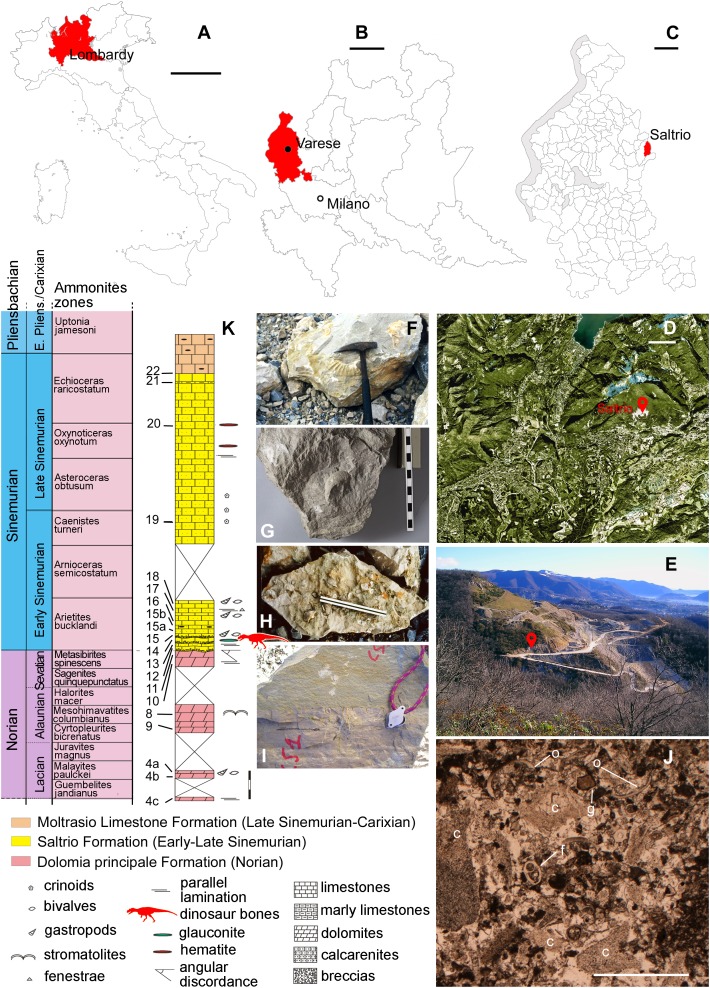
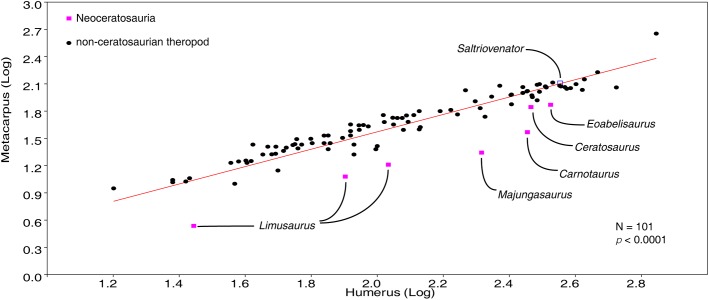
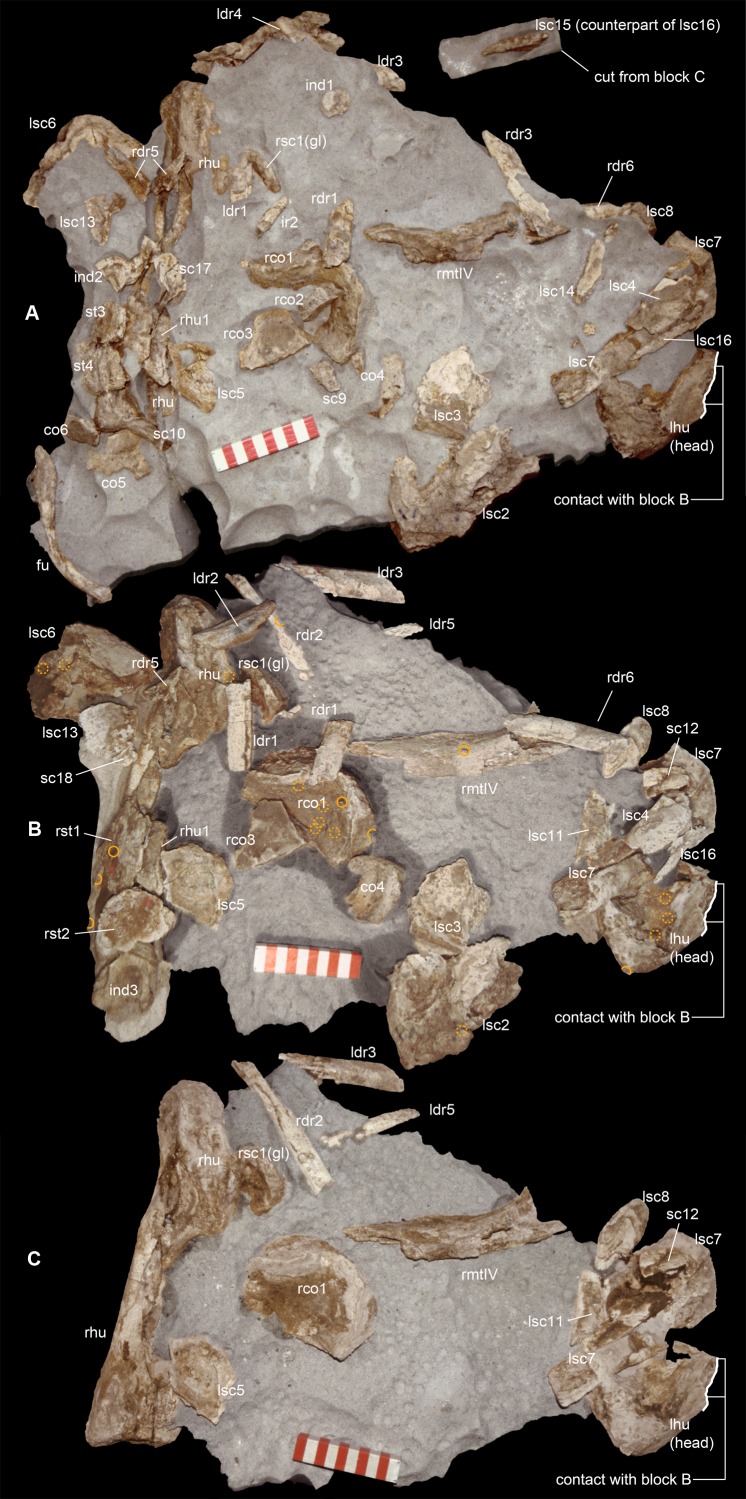
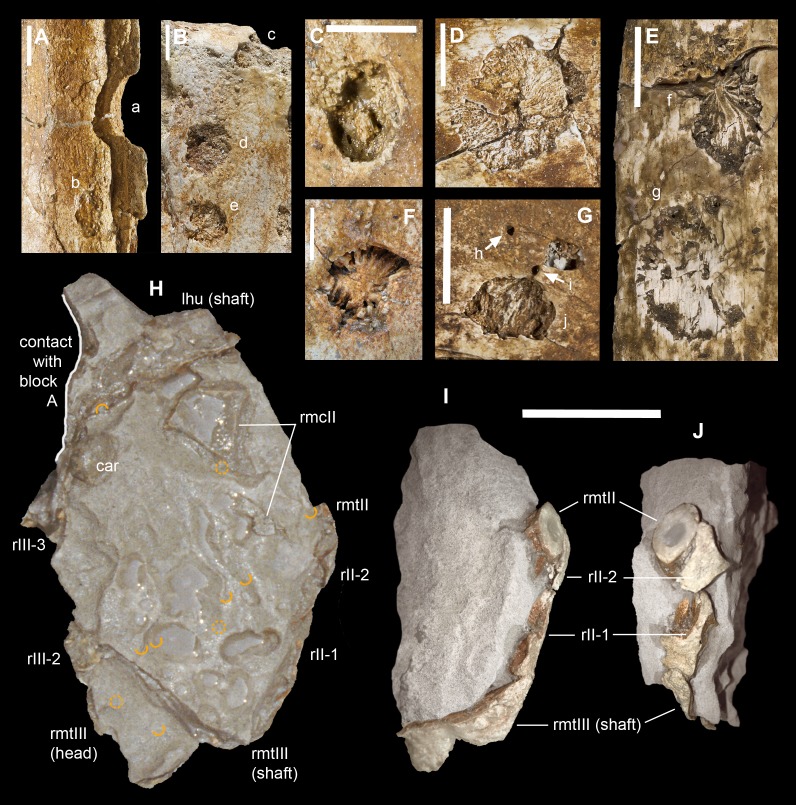
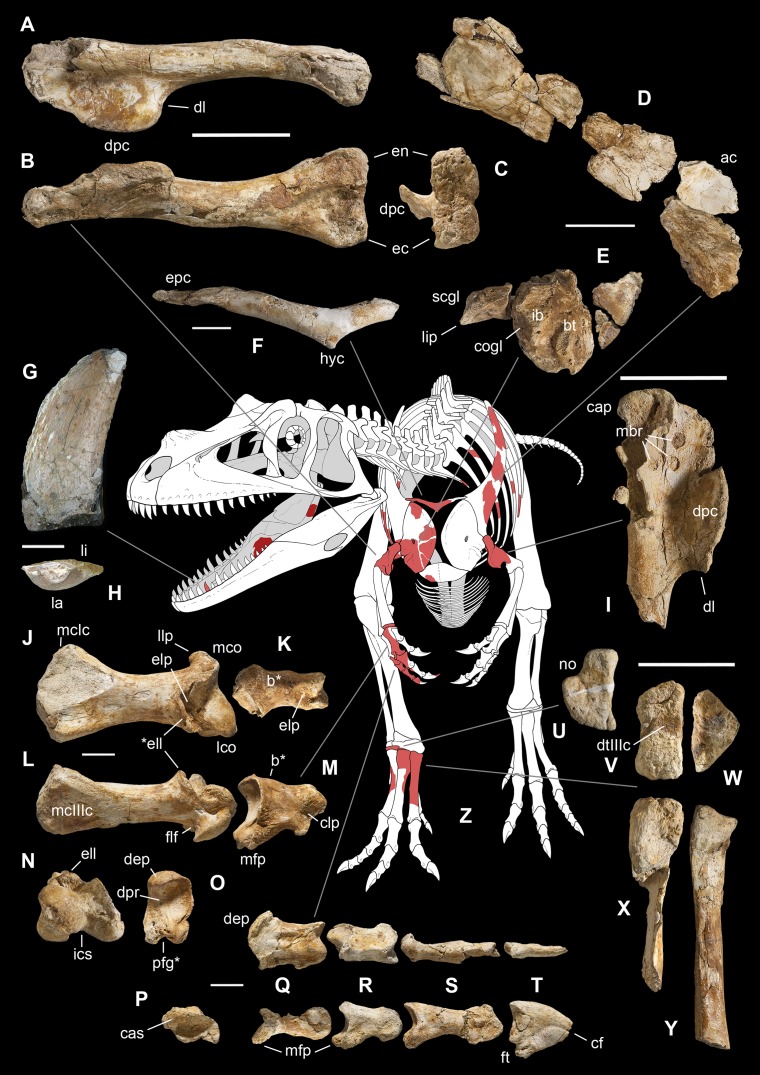
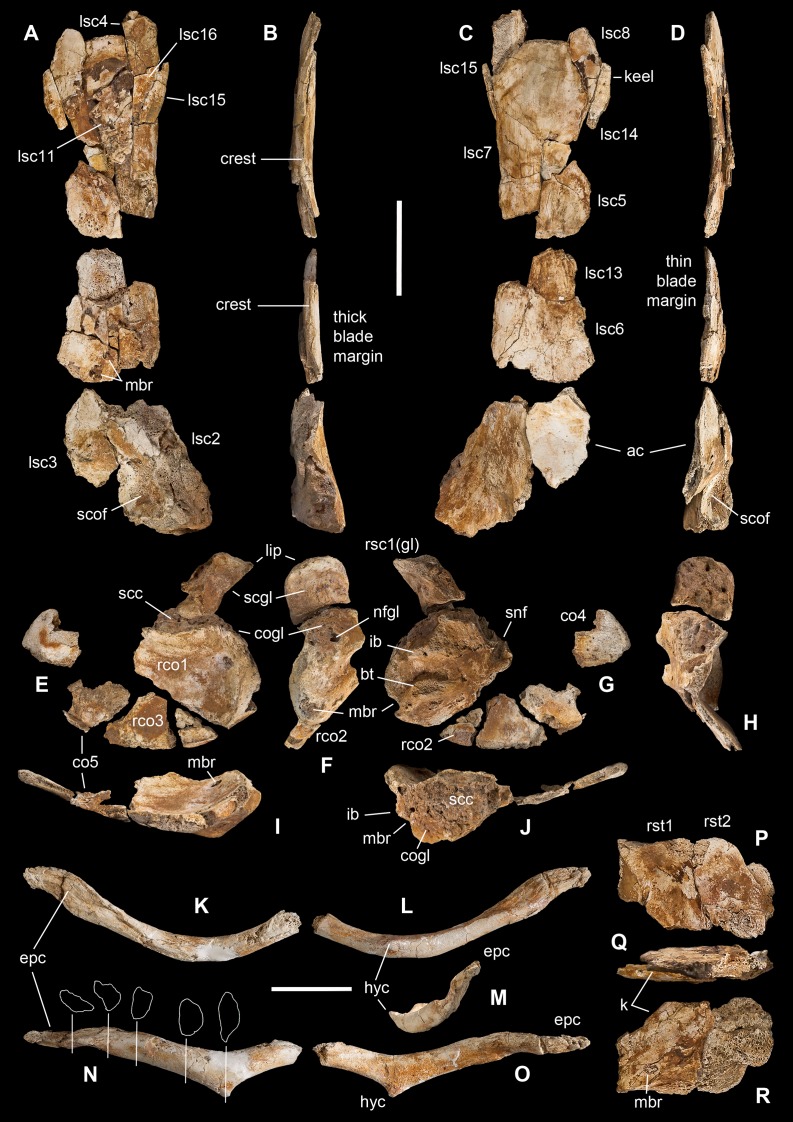
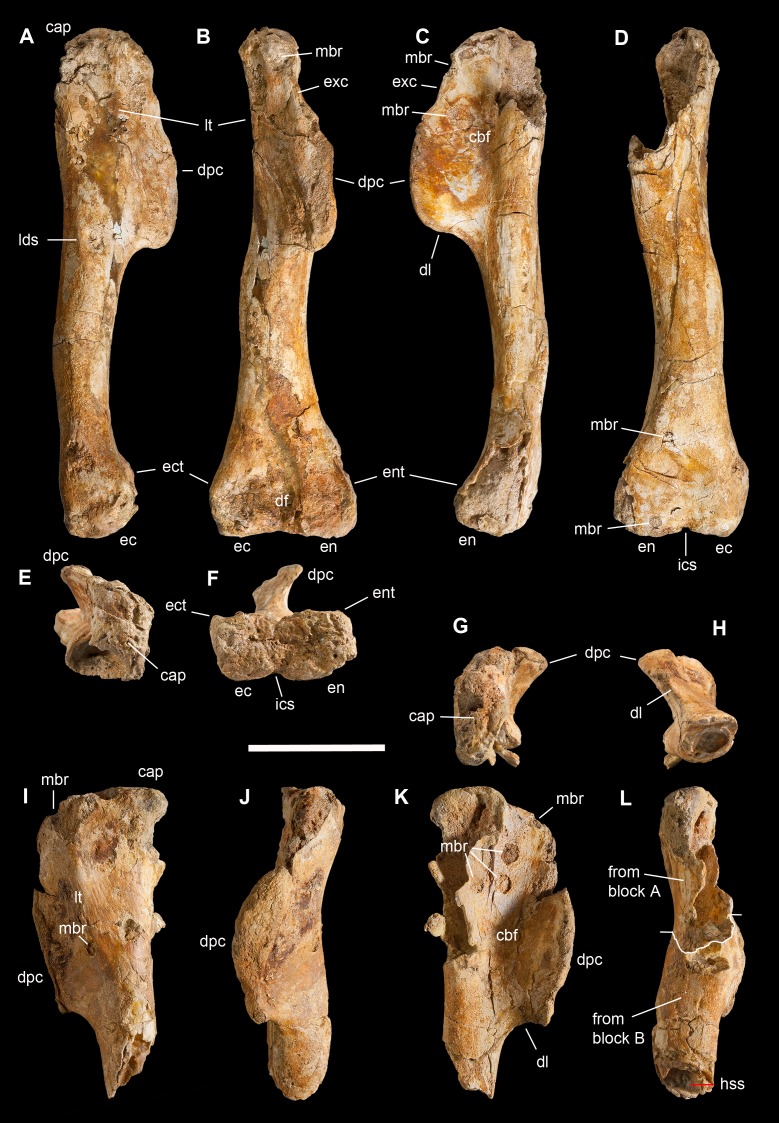
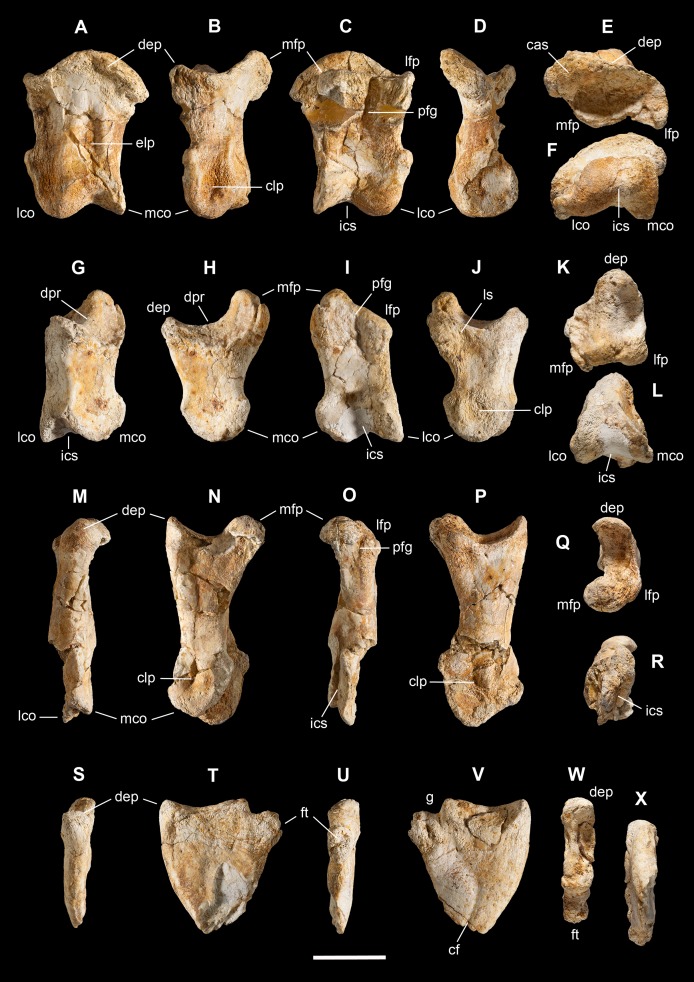
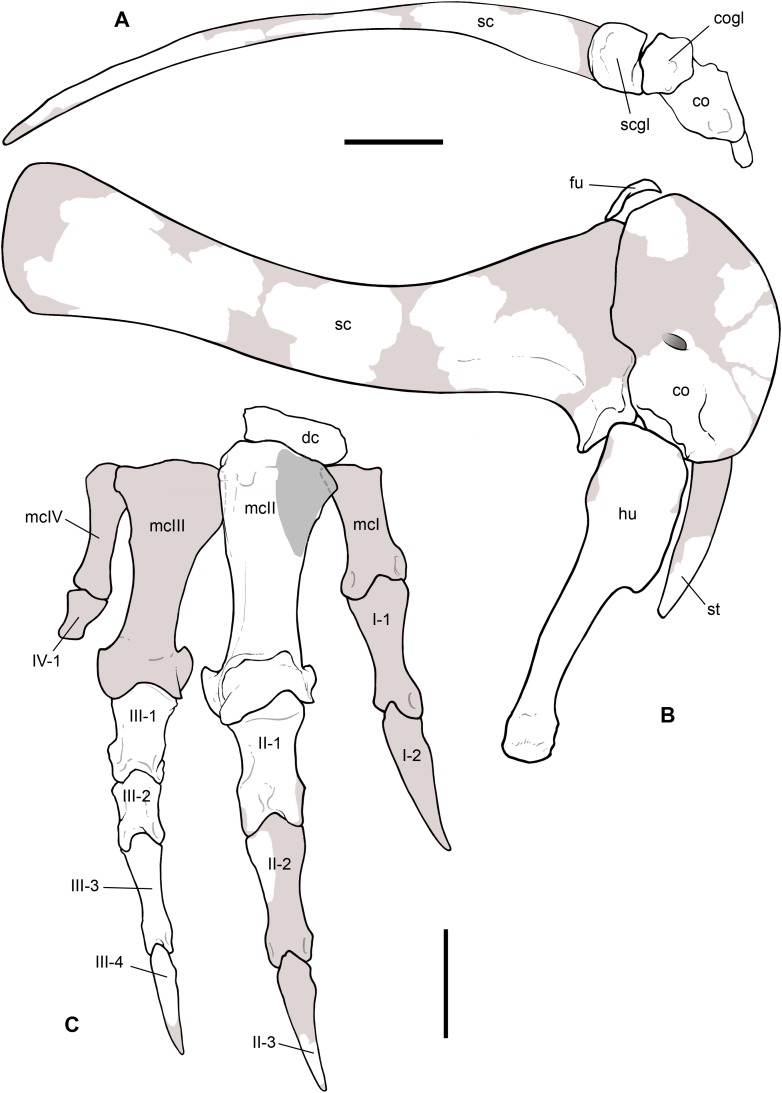
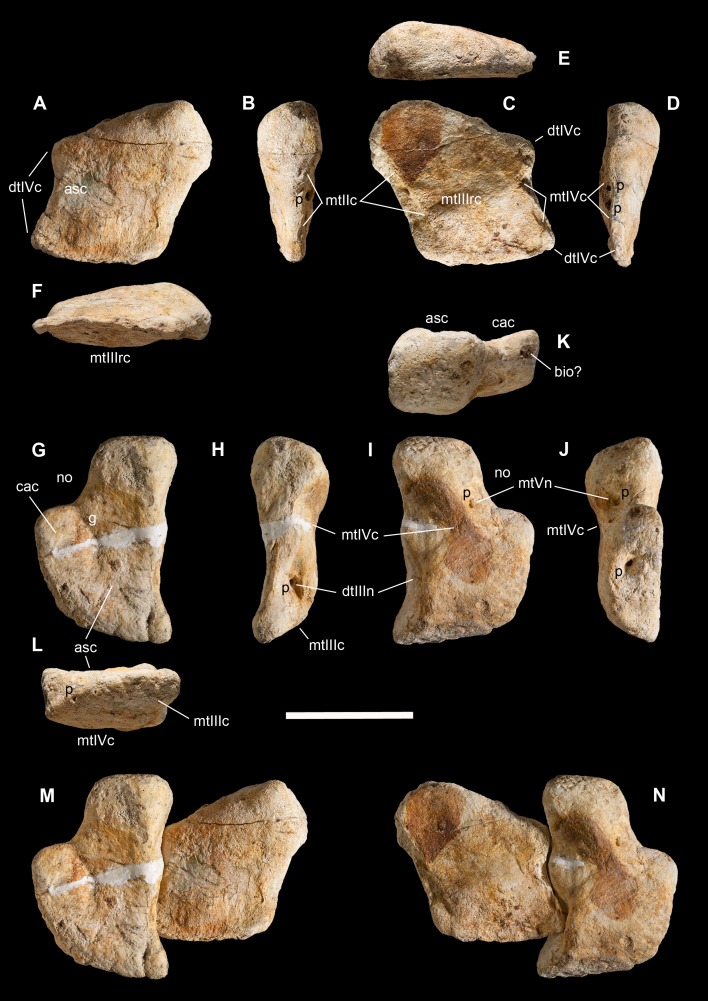
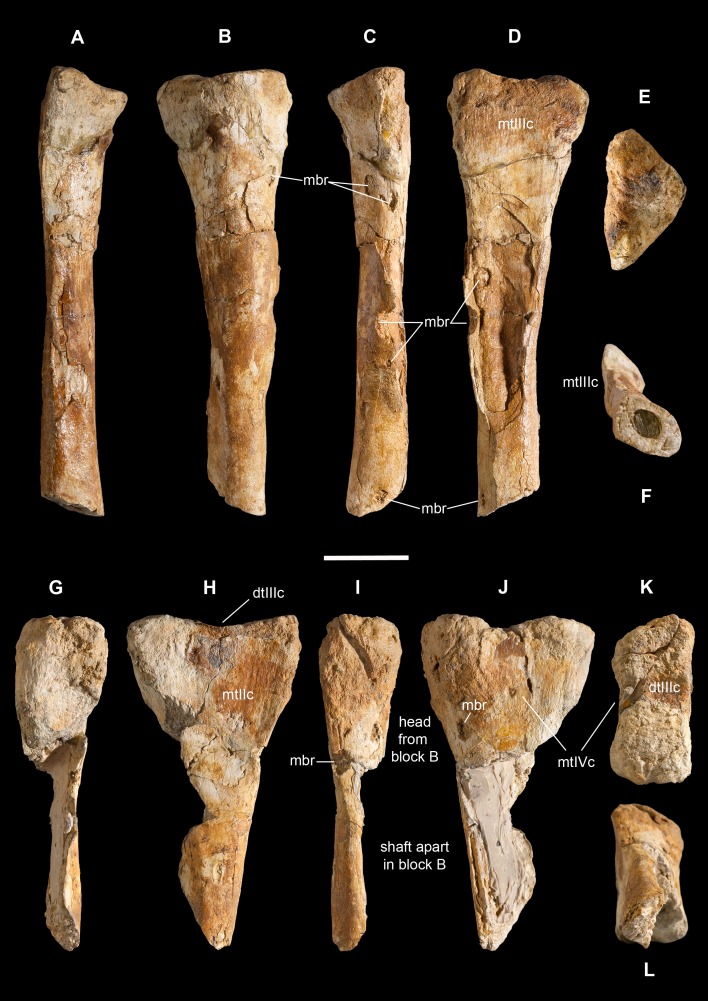
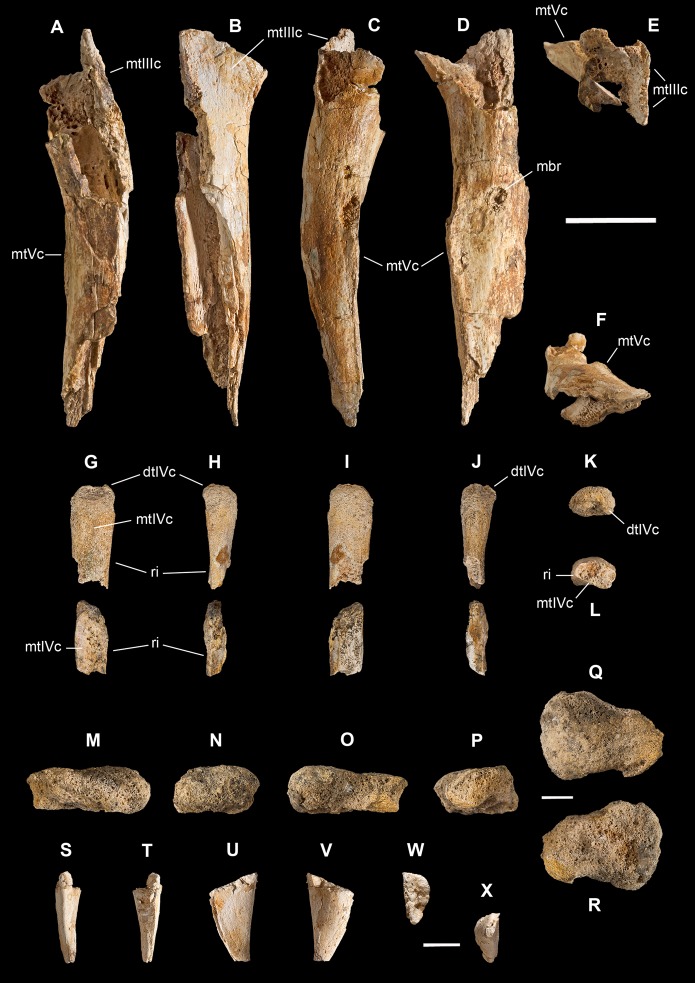
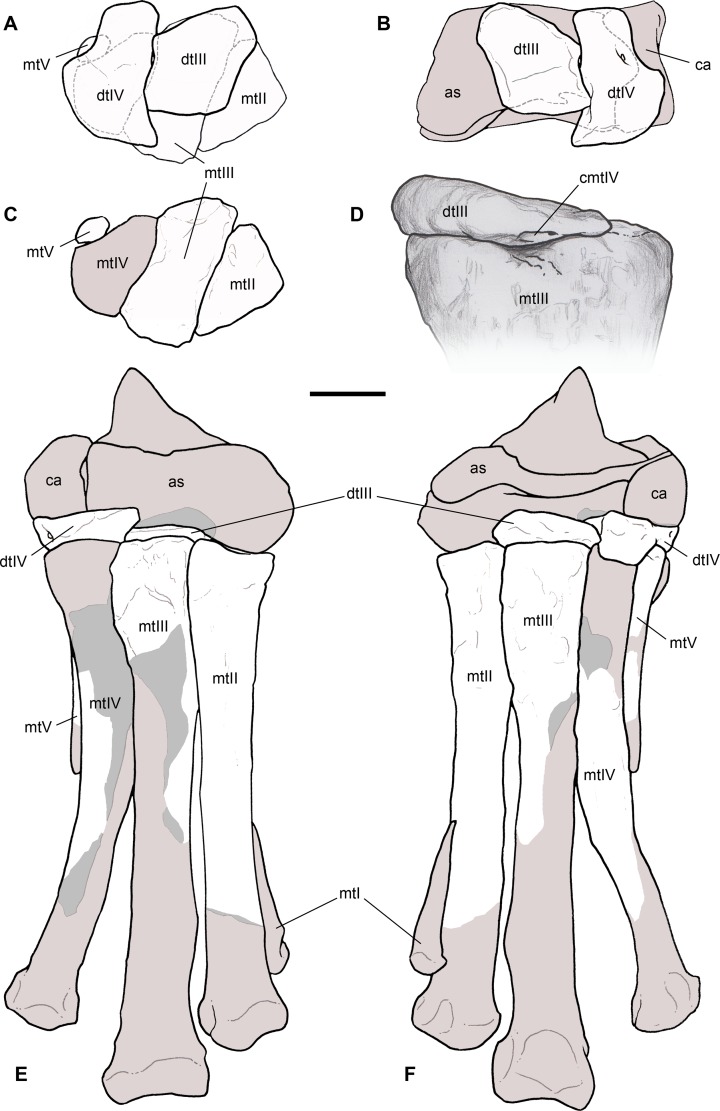
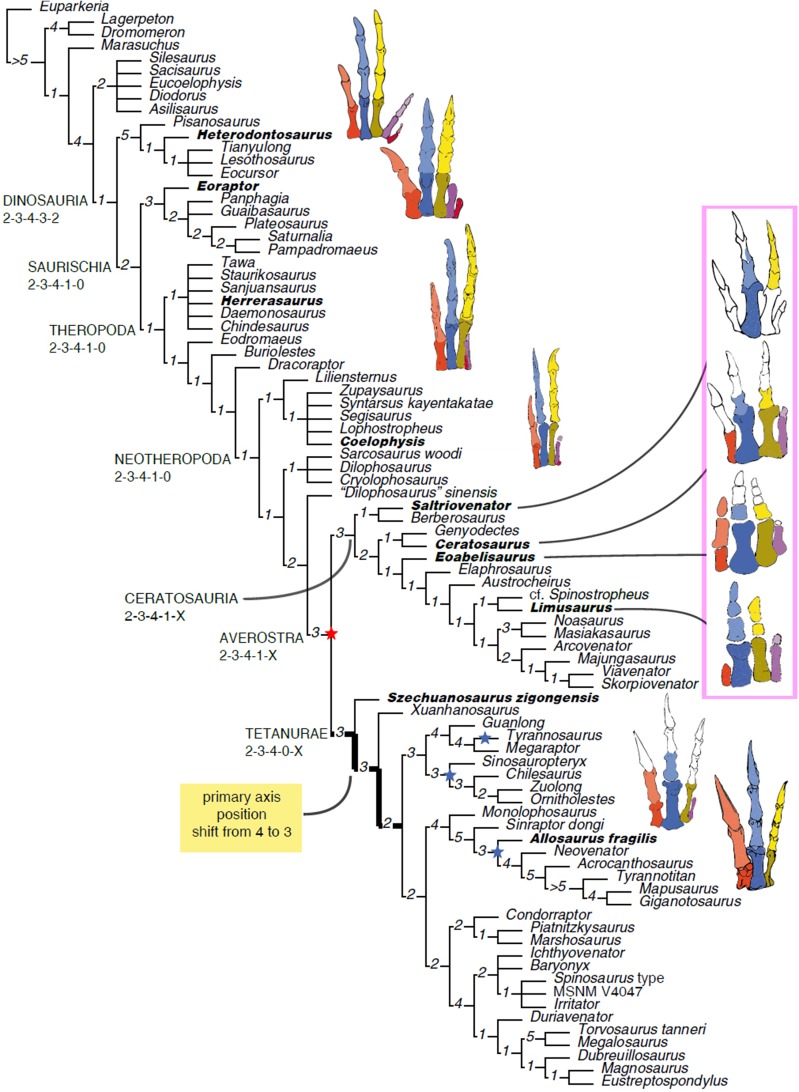
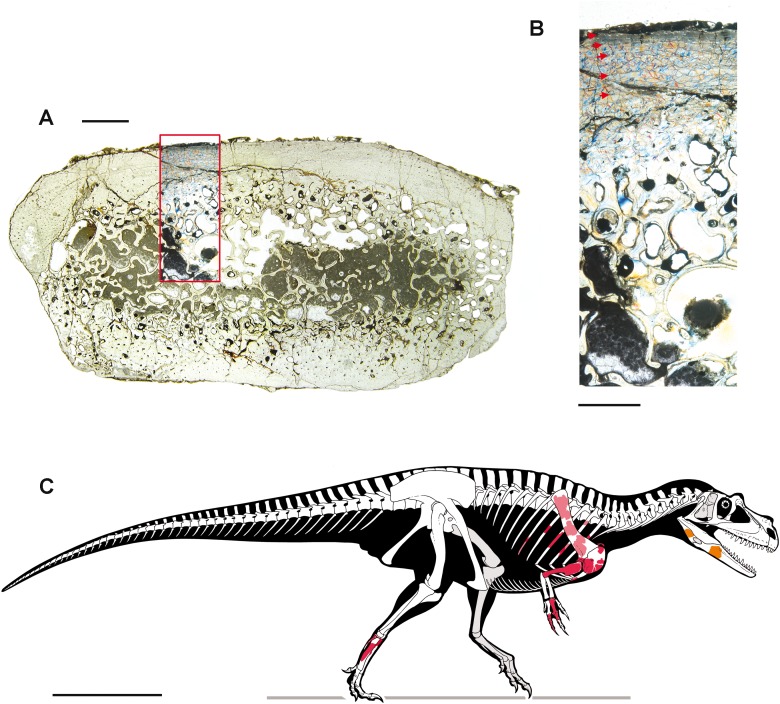
The homology of the tridactyl hand of birds is a still debated subject, with both paleontological and developmental evidence used in support of alternative identity patterns in the avian fingers. With its simplified phalangeal morphology, the Late Jurassic ceratosaurian has been argued to support a II-III-IV digital identity in birds and a complex pattern of homeotic transformations in three-fingered (tetanuran) theropods. We report a new large-bodied theropod, gen. et sp. nov., based on a partial skeleton from the marine Saltrio Formation (Sinemurian, lowermost Jurassic) of Lombardy (Northern Italy). Taphonomical analyses show bone bioerosion by marine invertebrates (first record for dinosaurian remains) and suggest a complex history for the carcass before being deposited on a well-oxygenated and well-illuminated sea bottom. shows a mosaic of features seen in four-fingered theropods and in basal tetanurans. Phylogenetic analysis supports sister taxon relationships between the new Italian theropod and the younger Early Jurassic from Morocco, in a lineage which is the basalmost of Ceratosauria. Compared to the atrophied hand of later members of Ceratosauria, demonstrates that a fully functional hand, well-adapted for struggling and grasping, was primitively present in ceratosaurians. Ancestral state reconstruction along the avian stem supports 2-3-4-1-X and 2-3-4-0-X as the manual phalangeal formulae at the roots of Ceratosauria and Tetanurae, confirming the I-II-III pattern in the homology of the avian fingers. Accordingly, the peculiar hand of represents a derived condition restricted to late-diverging ceratosaurians and cannot help in elucidating the origin of the three-fingered condition of tetanurans. The evolution of the tridactyl hand of birds is explained by step-wise lateral simplification among non-tetanuran theropod dinosaurs, followed by a single primary axis shift from digit position 4 to 3 at the root of Tetanurae once the fourth finger was completely lost, which allowed independent losses of the vestigial fourth metacarpal among allosaurians, tyrannosauroids, and maniraptoromorphs. With an estimated body length of 7.5 m, is the largest and most robust theropod from the Early Jurassic, pre-dating the occurrence in theropods of a body mass approaching 1,000 Kg by over 25 My. The radiation of larger and relatively stockier averostran theropods earlier than previously known may represent one of the factors that ignited the trend toward gigantism in Early Jurassic sauropods.
鸟类三指型手部的同源性仍是一个存在争议的话题,古生物学和发育学证据都被用来支持鸟类手指的不同身份模式。晚侏罗世角鼻龙的指骨形态简化,有人认为它支持鸟类的II-III-IV指身份模式以及三指(坚尾龙类)兽脚亚目的复杂同源异型转化模式。我们报道了一种新的大型兽脚亚目恐龙,[属名及种名],基于来自意大利北部伦巴第大区海洋盐特里奥组(早侏罗世辛涅缪尔期)的一具部分骨骼化石。埋藏学分析显示骨骼受到海洋无脊椎动物的生物侵蚀(恐龙遗骸的首次记录),并表明尸体在被沉积到富氧且光照良好的海底之前经历了复杂的历程。[该恐龙]呈现出四指兽脚亚目恐龙和基础坚尾龙类恐龙的混合特征。系统发育分析支持这种新的意大利兽脚亚目恐龙与来自摩洛哥的更年轻的早侏罗世[另一恐龙]之间的姐妹分类单元关系,它们属于角鼻龙类最基部的一个谱系。与角鼻龙类后期成员萎缩的手部相比,[该恐龙]表明角鼻龙类最初具有功能完备、非常适合挣扎和抓握的手部。沿着鸟类演化支的祖先状态重建支持2-3-4-1-X和2-3-4-0-X作为角鼻龙类和坚尾龙类基部的手部指骨公式,证实了鸟类手指同源性中的I-II-III模式。因此,[该恐龙]独特的手部代表了一种仅限于晚期分化的角鼻龙类的衍生状态,无助于阐明坚尾龙类三指状态的起源。鸟类三指型手部的演化是通过非坚尾龙类兽脚亚目恐龙逐步侧向简化来解释的,随后在坚尾龙类基部,一旦第四指完全消失,单个主要轴从第4指位置转移到第3指,这使得异特龙类、暴龙超科和手盗龙形类中残留的第四掌骨独立消失。估计体长7.5米,[该恐龙]是早侏罗世最大且最粗壮的兽脚亚目恐龙,比兽脚亚目恐龙中体重接近1000千克的出现时间早2500多万年。比之前所知更早的更大且相对粗壮的阿贝力龙超科兽脚亚目恐龙的辐射分化可能是引发早侏罗世蜥脚类恐龙巨型化趋势的因素之一。