Fukui Sho, May-McNally Shannan L, Taylor Eric B, Koizumi Itsuro
Graduate School of Environmental Earth Science Hokkaido University Sapporo Japan.
Department of Zoology, Biodiversity Research Centre and Beaty Biodiversity Museum University of British Columbia Vancouver British Columbia Canada.
Ecol Evol. 2018 Nov 14;8(23):12173-12182. doi: 10.1002/ece3.4676. eCollection 2018 Dec.
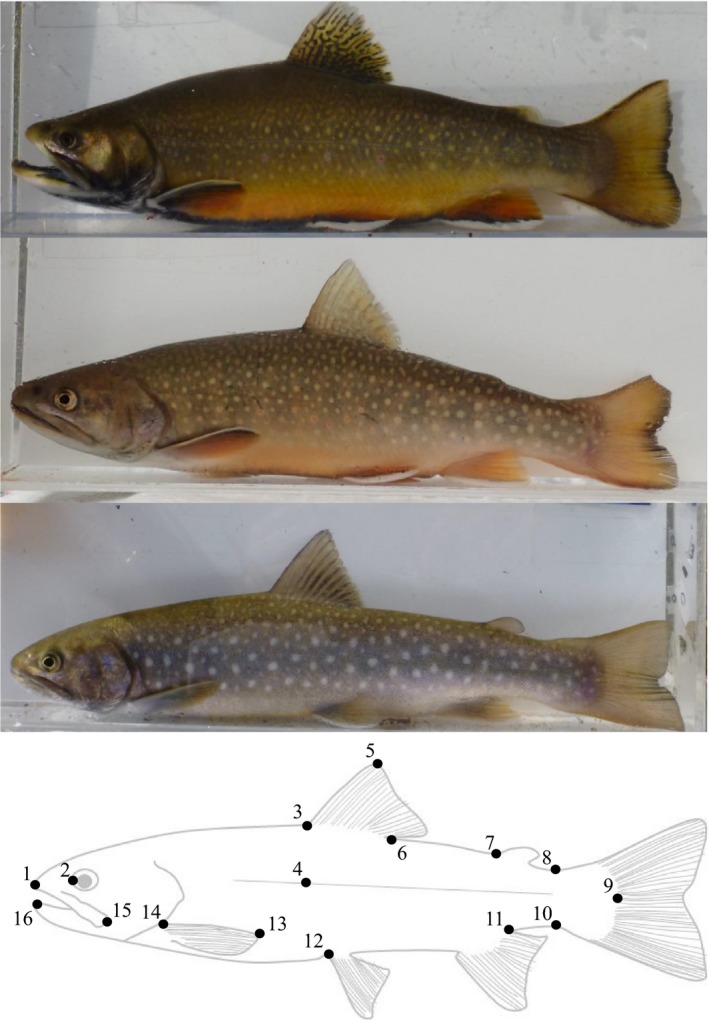
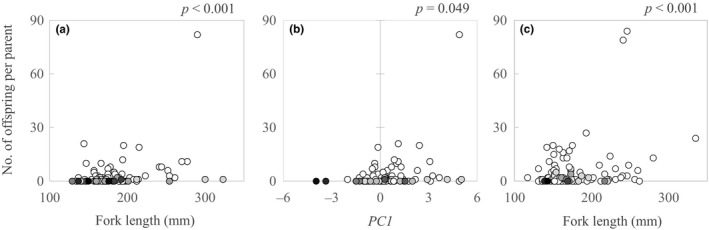
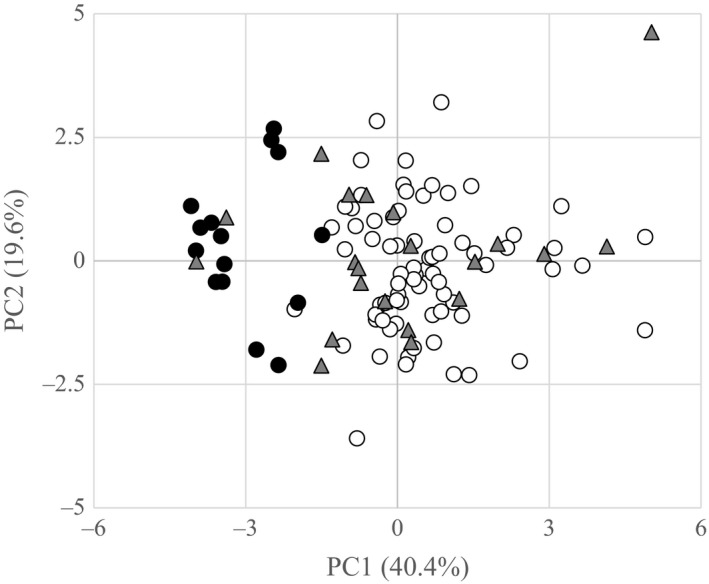
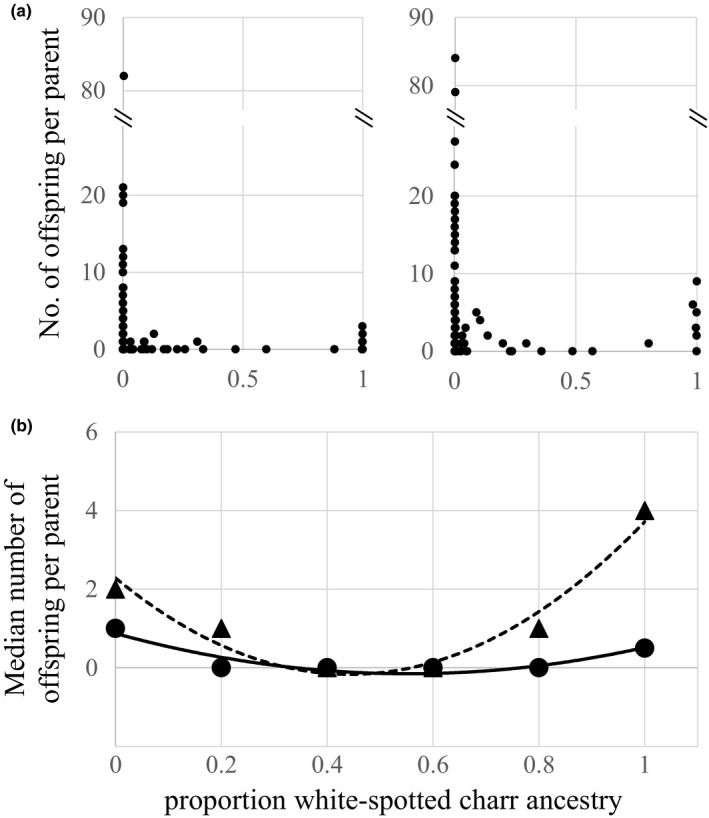
Human-mediated hybridization between introduced and native species is one of the most serious threats to native taxa. Although field studies have attempted to quantify the relative fitness or reproductive success of parental species and their hybrids only a few studies have unraveled the factors determining the fitness of hybrids. Here, we hypothesized that maladaptive secondary sexual characteristics may reduce fitness of hybrids between two fish species. To test this, we evaluated the reproductive success of introduced brook trout (BT: ), native white-spotted charr (WSC: ) and their hybrids in a natural stream in Hokkaido, Japan, where the two parental species show remarkably different male secondary sexual characteristics, such as elongated jaws and deeper bodies. We predicted that introgression from WSC is maladaptive for BT males because the BT male has more prominent secondary sexual characteristics. Our results suggest that both sexual selection and outbreeding depression in males and females significantly influence an individual's reproductive success. Our results also suggest that asymmetric introgression may increase the risks to persistence in the recipient species.
引入物种与本地物种之间由人类介导的杂交是对本地分类群最严重的威胁之一。尽管野外研究试图量化亲本物种及其杂种的相对适合度或繁殖成功率,但只有少数研究揭示了决定杂种适合度的因素。在此,我们假设适应不良的第二性征可能会降低两种鱼类杂种的适合度。为了验证这一点,我们在日本北海道的一条天然溪流中评估了引入的溪鳟(BT: )、本地白斑红点鲑(WSC: )及其杂种的繁殖成功率,在该溪流中,两个亲本物种表现出明显不同的雄性第二性征,如拉长的颌骨和更深的身体。我们预测,WSC的基因渗入对BT雄性是适应不良的,因为BT雄性具有更突出的第二性征。我们的结果表明,雄性和雌性的性选择和远交衰退都会显著影响个体的繁殖成功率。我们的结果还表明,不对称的基因渗入可能会增加受体物种持续存在的风险。