Bullock Danielle R, Miller Bradley S, Clark H Brent, Hobday Patricia M
Division of Rheumatology, Department of Pediatrics.
Division of Endocrinology, Department of Pediatrics.
Endocrinol Diabetes Metab Case Rep. 2018;2018. doi: 10.1530/EDM-18-0135. Epub 2018 Dec 28.
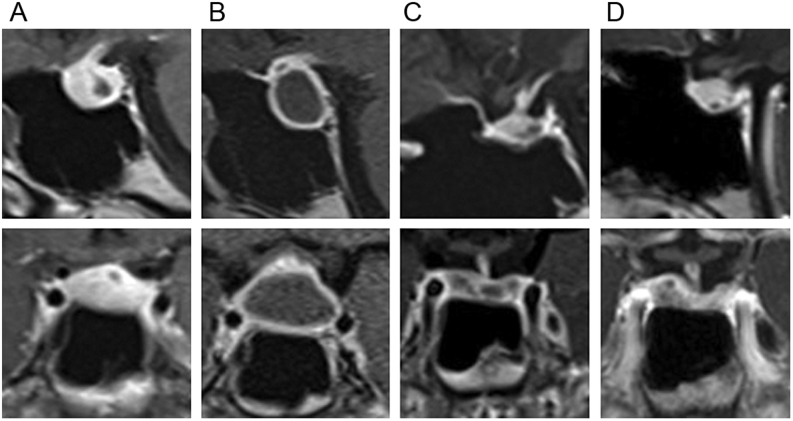
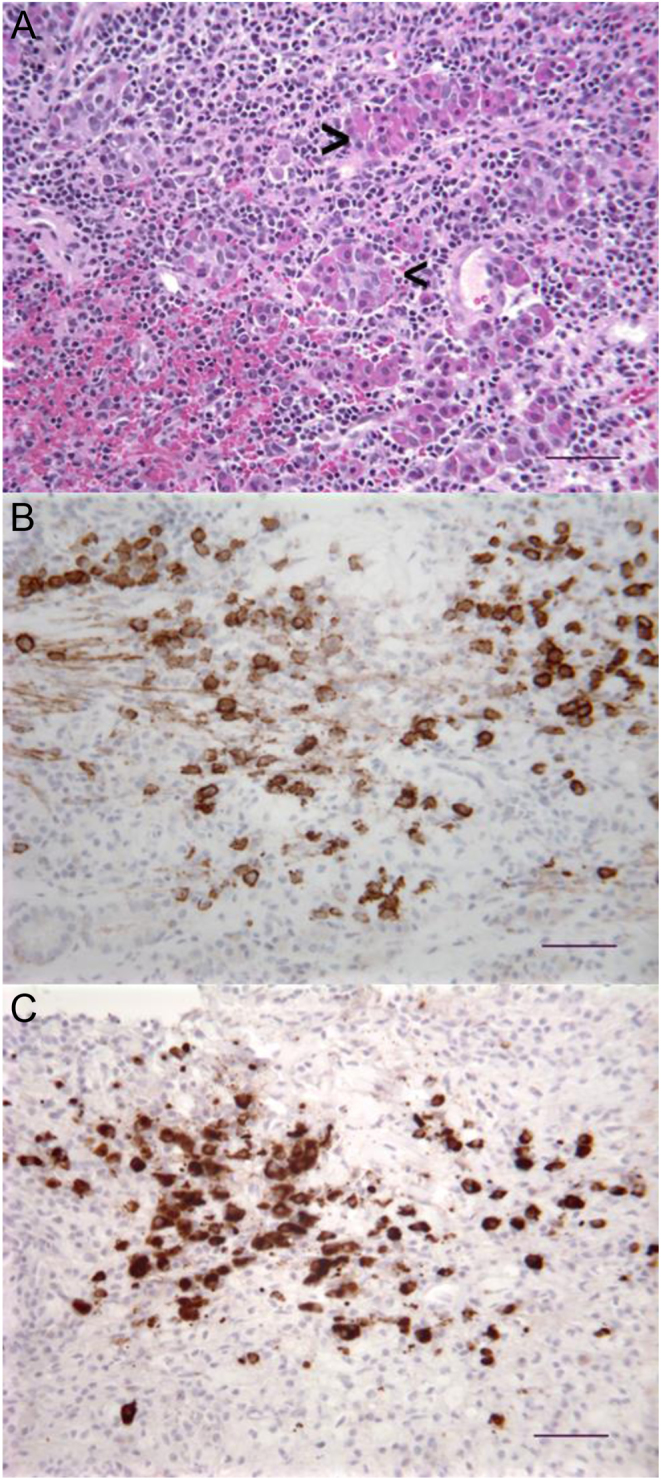
IgG4-related hypophysitis is an important diagnostic consideration in patients with a pituitary mass or pituitary dysfunction and can initially present with headaches, visual field deficits and/or endocrine dysfunction. Isolated IgG4-related pituitary disease is rare, with most cases of IgG4-related disease involving additional organ systems. We report the case of a teenage female patient with isolated IgG4-related hypophysitis, diagnosed after initially presenting with headaches. Our patient had no presenting endocrinologic abnormalities. She was treated with surgical resection, prednisolone and rituximab with no further progression of disease and sustained normal endocrine function. This case, the youngest described patient with isolated IgG4-related hypophysitis and uniquely lacking endocrinologic abnormalities, adds to the limited reports of isolated pituitary disease. The use of rituximab for isolated pituitary disease has never been described. While IgG4-related hypophysitis has been increasingly recognized, substantial evidence concerning the appropriate treatment and follow-up of these patients is largely lacking. Learning points: IgG4-related hypophysitis most often occurs in the setting of additional organ involvement but can be an isolated finding. This diagnosis should therefore be considered in a patient presenting with pituitary abnormalities. Most patients with IgG4-related hypophysitis will have abnormal pituitary function, but normal functioning does not exclude this diagnosis. Corticosteroids have been the mainstay of therapy for IgG4-related disease, with other immunosuppressive regimens being reserved for refractory cases. Further research is needed to understand the effectiveness of corticosteroid-sparing regimens and whether there is utility in using these agents as first-line therapies.
IgG4相关性垂体炎是垂体肿块或垂体功能障碍患者的一个重要诊断考虑因素,最初可能表现为头痛、视野缺损和/或内分泌功能障碍。孤立性IgG4相关性垂体疾病罕见,大多数IgG4相关性疾病病例累及其他器官系统。我们报告了一例青少年女性孤立性IgG4相关性垂体炎病例,该患者最初表现为头痛,随后确诊。我们的患者初诊时没有内分泌异常。她接受了手术切除、泼尼松龙和利妥昔单抗治疗,疾病未进一步进展,内分泌功能维持正常。该病例是报道中最年轻的孤立性IgG4相关性垂体炎患者,且独特地没有内分泌异常,这增加了孤立性垂体疾病的有限报道。利妥昔单抗用于孤立性垂体疾病的情况此前从未被描述过。虽然IgG4相关性垂体炎越来越受到认可,但关于这些患者的适当治疗和随访的大量证据在很大程度上仍然缺乏。学习要点:IgG4相关性垂体炎最常发生在伴有其他器官受累的情况下,但也可能是孤立性发现。因此,对于出现垂体异常的患者应考虑这一诊断。大多数IgG4相关性垂体炎患者会有垂体功能异常,但功能正常并不能排除这一诊断。皮质类固醇一直是IgG4相关性疾病的主要治疗方法,其他免疫抑制方案则用于难治性病例。需要进一步研究以了解减少皮质类固醇使用方案的有效性,以及将这些药物用作一线治疗是否有用。