Pharmaceutical Biochemistry and Bioanalytics, Pharmaceutical Institute, University of Bonn, An der Immenburg 4, Bonn, Germany.
Pharmaceutical Biochemistry and Bioanalytics, Pharmaceutical Institute, University of Bonn, An der Immenburg 4, Bonn, Germany
Biosci Rep. 2019 Jan 30;39(1). doi: 10.1042/BSR20181940. Print 2019 Jan 31.
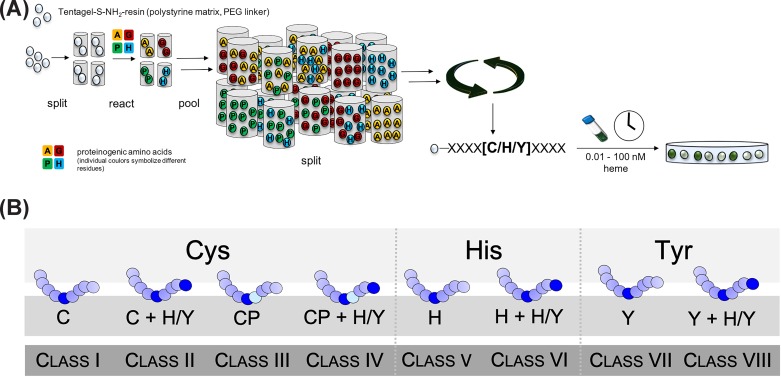
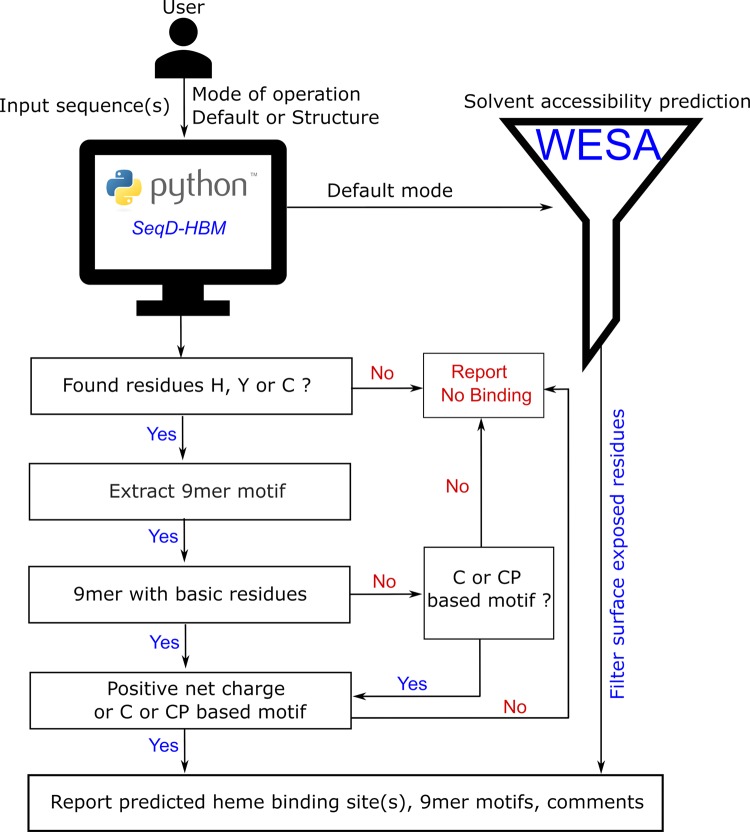
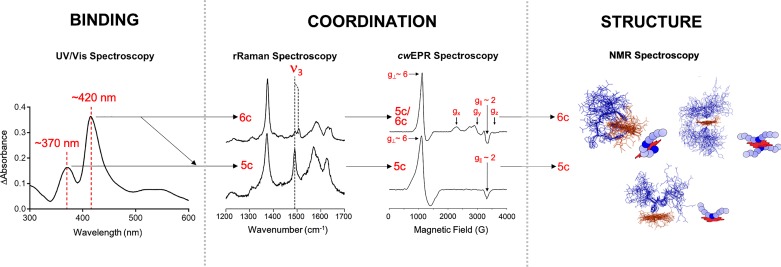
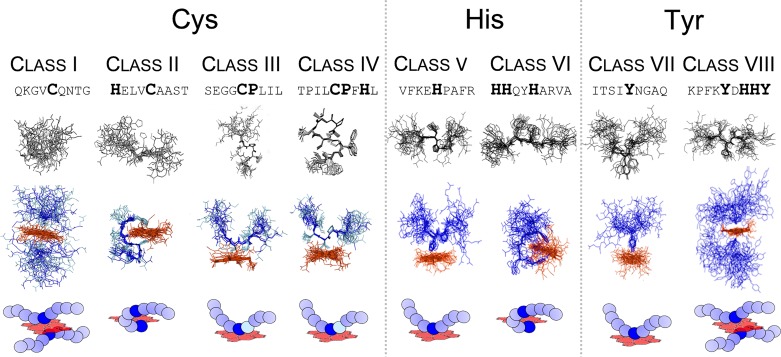
Deviant levels of available heme and related molecules can result from pathological situations such as impaired heme biosynthesis or increased hemolysis as a consequence of vascular trauma or bacterial infections. Heme-related biological processes are affected by these situations, and it is essential to fully understand the underlying mechanisms. While heme has long been known as an important prosthetic group of various proteins, its function as a regulatory and signaling molecule is poorly understood. Diseases such as porphyria are caused by impaired heme metabolism, and heme itself might be used as a drug in order to downregulate its own biosynthesis. In addition, heme-driven side effects and symptoms emerging from heme-related pathological conditions are not fully comprehended and thus impede adequate medical treatment. Several heme-regulated proteins have been identified in the past decades, however, the molecular basis of transient heme-protein interactions remains to be explored. Herein, we summarize the results of an in-depth analysis of heme binding to proteins, which revealed specific binding modes and affinities depending on the amino acid sequence. Evaluating the binding behavior of a plethora of heme-peptide complexes resulted in the implementation of a prediction tool (SeqD-HBM) for heme-binding motifs, which eventually led and will perspectively lead to the identification and verification of so far unknown heme-regulated proteins. This systematic approach resulted in a broader picture of the alternative functions of heme as a regulator of proteins. However, knowledge on heme regulation of proteins is still a bottomless barrel that leaves much scope for future research and development.
异常的血红素和相关分子水平可由病理情况引起,如血红素生物合成受损或血管创伤或细菌感染导致的溶血增加。血红素相关的生物过程受到这些情况的影响,充分了解其潜在机制至关重要。尽管血红素长期以来一直被认为是各种蛋白质的重要辅基,但它作为调节和信号分子的功能尚未得到充分理解。例如卟啉症等疾病是由血红素代谢受损引起的,血红素本身也可以用作药物来下调其自身的生物合成。此外,血红素驱动的副作用和与血红素相关的病理状况相关的症状尚未完全理解,从而阻碍了适当的治疗。过去几十年已经鉴定出了几种血红素调节蛋白,但血红素-蛋白质瞬时相互作用的分子基础仍有待探索。在此,我们总结了对血红素与蛋白质结合的深入分析结果,这些结果揭示了特定的结合模式和亲和力取决于氨基酸序列。评估大量血红素-肽复合物的结合行为导致了血红素结合基序预测工具(SeqD-HBM)的实现,最终导致并将有望导致迄今为止未知的血红素调节蛋白的鉴定和验证。这种系统的方法使血红素作为蛋白质调节剂的替代功能有了更全面的了解。然而,血红素对蛋白质的调节知识仍然是一个无底洞,为未来的研究和开发留下了很大的空间。