Wang Kang, Wu Dengchang, Zhang Baorong, Zhao Guohua
Department of Neurology, The First Affiliated Hospital, Zhejiang University School of Medicine, Hangzhou, China.
Department of Neurology, The Second Affiliated Hospital, Zhejiang University School of Medicine, Hangzhou, China.
Front Neurol. 2018 Dec 21;9:1128. doi: 10.3389/fneur.2018.01128. eCollection 2018.
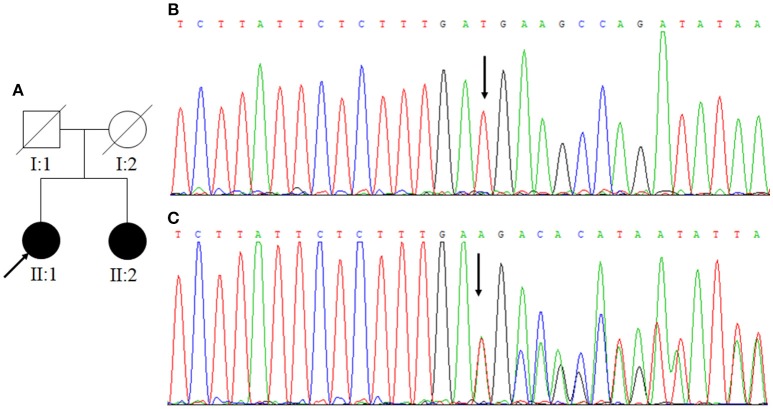
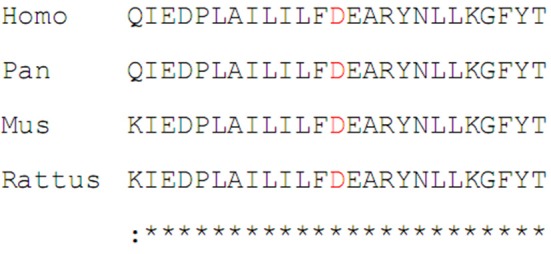
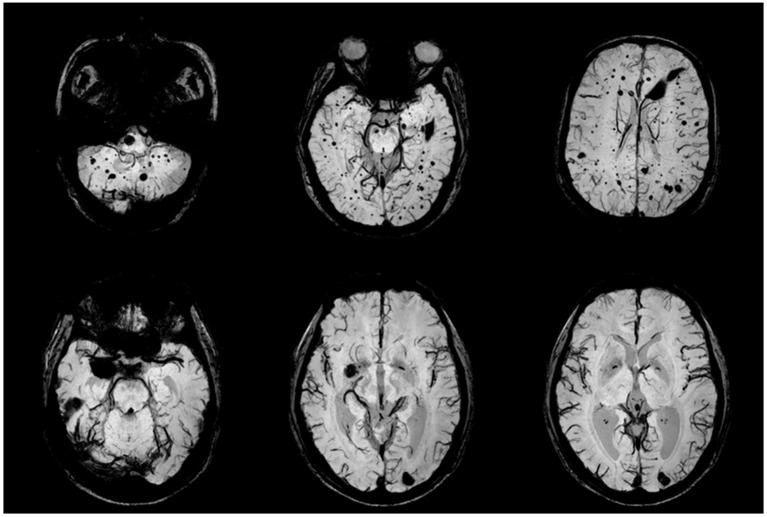
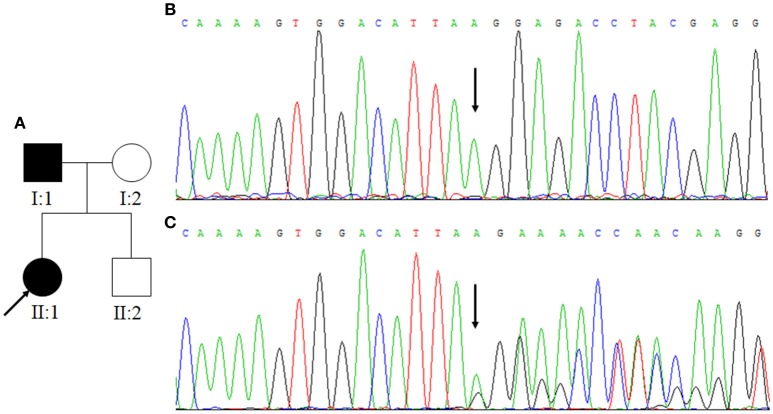
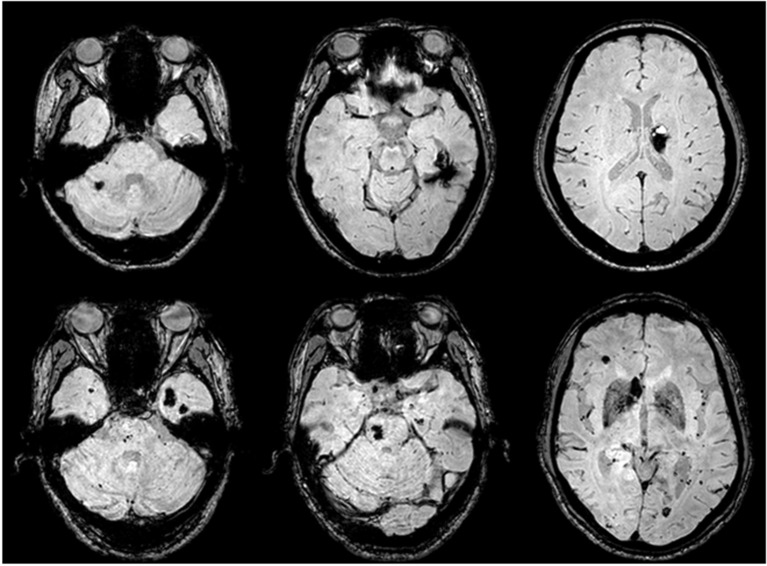
Familial cerebral cavernous malformations (CCMs) are autosomal dominant disorders characterized by hemorrhagic strokes, recurrent headache, epilepsy, and focal neurological deficits. Genetic variants in , and genes contribute to CCMs. The clinical information of two Chinese families with CCMs was collected. MRI and video-electroencephalography were performed. Genetic variants of , and genes were investigated by exome sequencing. The patients were presented with recurrent epilepsy or headache. Susceptibility-weighted images of brains showed many dark dots, while video-electroencephalography revealed many spikes from multiple brain regions of patients. Exome sequencing revealed a novel genetic variant (c.1599_1601TGAdel, p.Asp533del) and a novel genetic variant (c.773delA, p.K258fsX34) in Family one and Family two, respectively; cosegregation existed in these two families. The two family members presented typical CCMs symptoms. These two novel genetic variants in and genes were the causation of CCM in the two Chinese families, and our data enriched the genetic variant spectrum of CCM genes.
家族性脑海绵状血管畸形(CCMs)是常染色体显性疾病,其特征为出血性中风、复发性头痛、癫痫和局灶性神经功能缺损。KRIT1、CCM2和CCM3基因中的遗传变异与CCMs有关。收集了两个患有CCMs的中国家族的临床信息。进行了磁共振成像(MRI)和视频脑电图检查。通过外显子组测序研究了KRIT1、CCM2和CCM3基因的遗传变异。患者表现为复发性癫痫或头痛。脑部的敏感性加权成像显示有许多黑点,而视频脑电图显示患者多个脑区有许多尖峰。外显子组测序分别在家族一中发现了一个新的KRIT1基因变异(c.1599_1601TGAdel,p.Asp533del)和在家族二中发现了一个新的CCM3基因变异(c.773delA,p.K258fsX34);这两个家族中均存在共分离现象。这两名家族成员表现出典型的CCMs症状。KRIT1和CCM3基因中的这两个新的遗传变异是这两个中国家族中CCM的病因,我们的数据丰富了CCM基因的遗传变异谱。