Department of Surgery, Division of Emergency Medicine, Duke University Medical Center, Durham, North Carolina, United States of America.
Duke Global Health Institute, Duke University, Durham, North Carolina, United States of America.
PLoS One. 2019 Jan 10;14(1):e0210502. doi: 10.1371/journal.pone.0210502. eCollection 2019.
Little is known about the utilization of cardiac diagnostic testing in Brazil and how such testing is related with local rates of acute coronary syndrome (ACS)-related mortality.
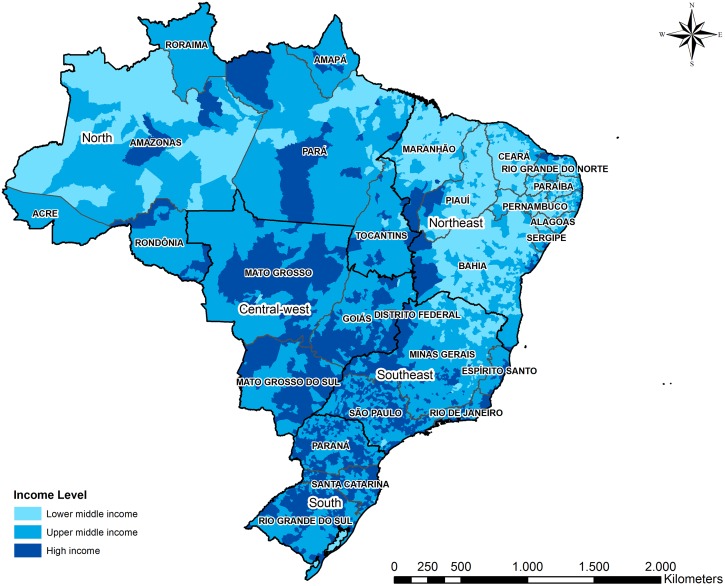
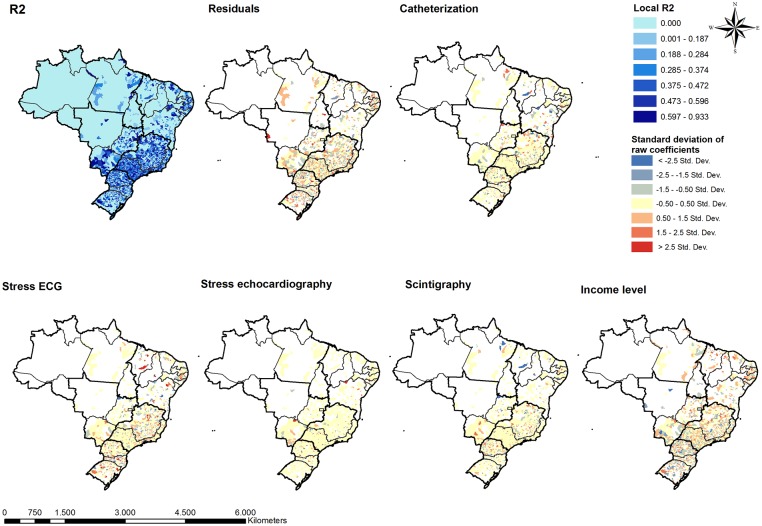
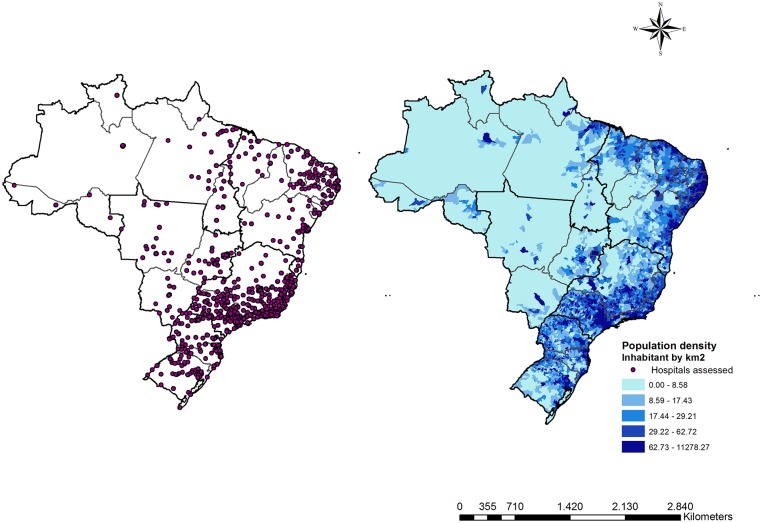
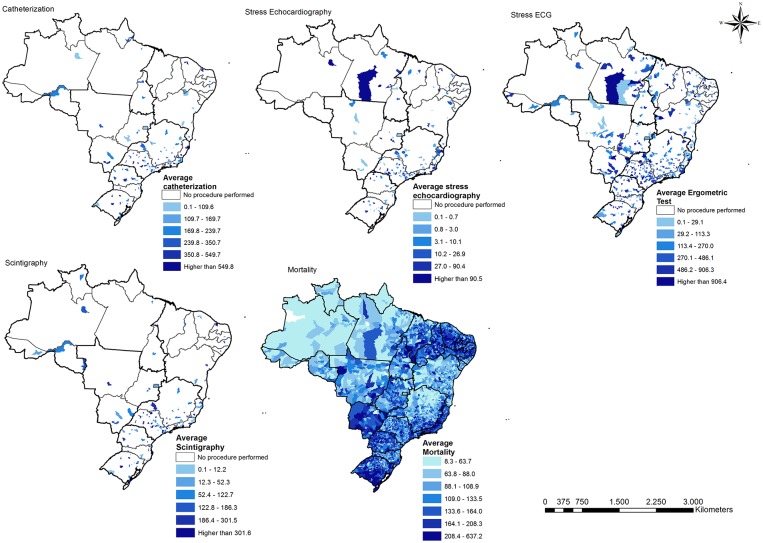
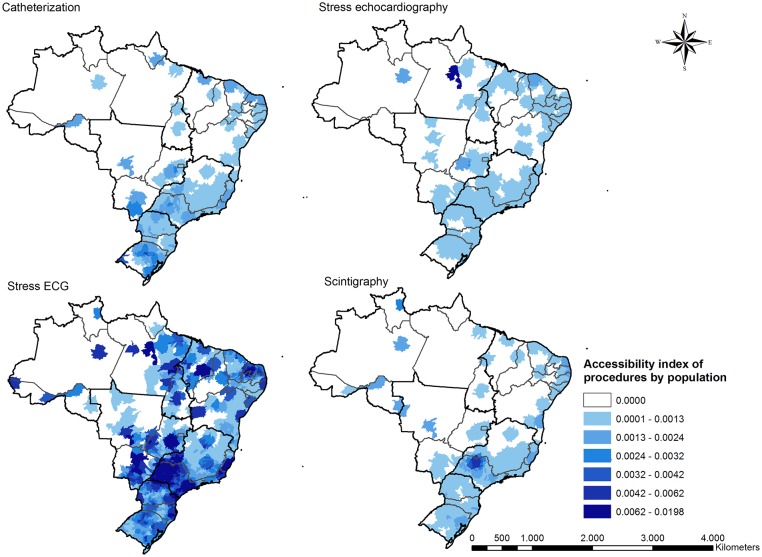
Using data from DATASUS, the public national healthcare database, absolute counts of diagnostic tests performed were calculated for each of the 5570 municipalities and mapped. Spatial error regression and geographic weighted regression models were used to describe the geographic variation in the association between ACS mortality, income, and access to diagnostic testing. From 2008 to 2014, a total of 4,653,884 cardiac diagnostic procedures were performed in Brazil, at a total cost of $271 million USD. The overall ACS mortality rate during this time period was 133.8 deaths per 100,000 inhabitants aged 20 to 79. The most commonly utilized test was the stress ECG (3,015,993), followed by catheterization (862,627), scintigraphy (669,969) and stress echocardiography (105,295). The majority of these procedures were conducted in large urban centers in more economically developed regions of the country. Increased access to testing and increased income were not uniformly associated with decreased ACS mortality, and tremendous geographic heterogeneity was observed in the relationship between these variables.
The majority of testing for ACS in Brazil is conducted at referral centers in developed urban settings. Stress ECG is the dominant testing modality in use. Increased access to diagnostic testing was not consistently associated with decreased ACS mortality across the country.
关于巴西的心脏诊断检测的利用情况以及此类检测与急性冠状动脉综合征(ACS)相关死亡率的本地比率之间的关系,人们知之甚少。
利用 DATASUS(公共国家医疗保健数据库)的数据,为 5570 个城市中的每一个计算了诊断检测的绝对数量,并进行了映射。空间误差回归和地理加权回归模型用于描述 ACS 死亡率、收入和诊断检测获取之间的关联的地理变化。2008 年至 2014 年期间,巴西共进行了 4653884 次心脏诊断程序,总费用为 2.71 亿美元。在此期间,ACS 的总死亡率为每 10 万 20 至 79 岁居民 133.8 人死亡。最常用的检测是应激心电图(3015993 次),其次是导管插入术(862627 次)、闪烁扫描术(669969 次)和应激超声心动图(105295 次)。这些程序中的大部分是在该国经济发达地区的大型城市中心进行的。检测的广泛应用和收入的增加并不总是与 ACS 死亡率的降低相关,而且这些变量之间的关系存在巨大的地域差异。
巴西 ACS 检测的大部分是在发达城市的转诊中心进行的。应激心电图是目前主要的检测方式。在全国范围内,检测获取的增加并不始终与 ACS 死亡率的降低相关。