Laboratorio de Citogenética, Instituto Nacional de Pediatría, Cd. De Mexico, P.O. Box 04530, Mexico.
Instituto de Investigaciones Biomédicas, Universidad Nacional Autónoma de Mexico, Cd. De Mexico, P.O. Box 04510, Mexico.
Genes (Basel). 2019 Jan 10;10(1):37. doi: 10.3390/genes10010037.
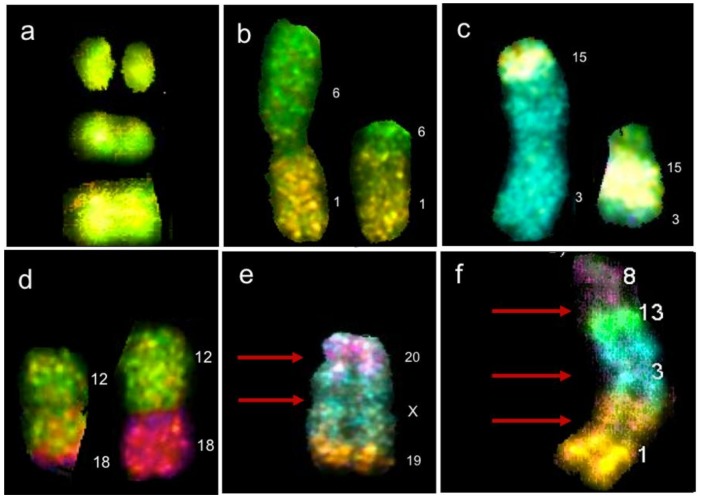
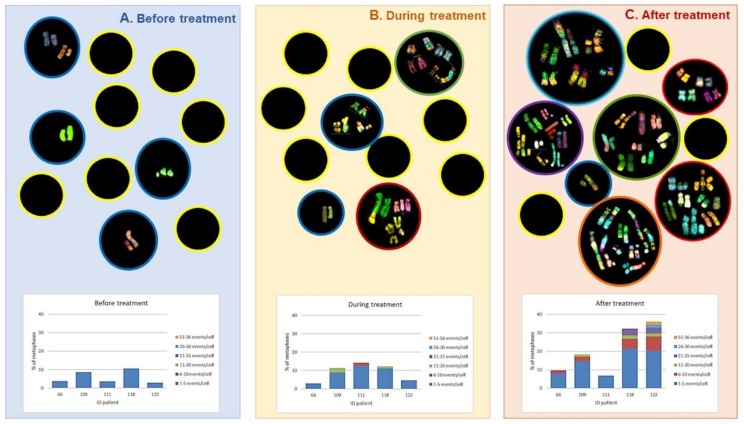
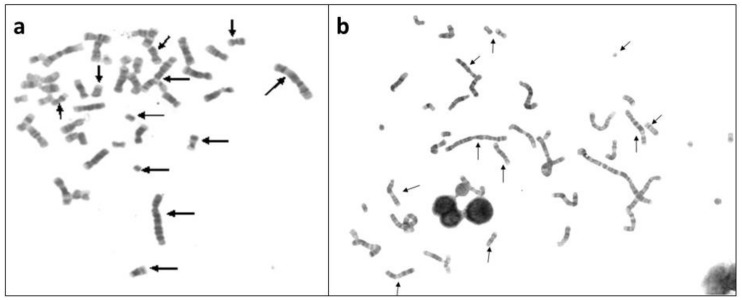
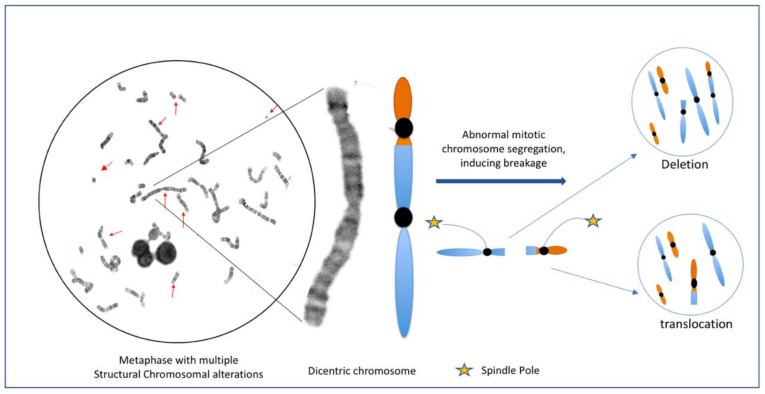
Anticancer regimens for Hodgkin lymphoma (HL) patients include highly genotoxic drugs that have been very successful in killing tumor cells and providing a 90% disease-free survival at five years. However, some of these treatments do not have a specific cell target, damaging both cancerous and normal cells. Thus, HL survivors have a high risk of developing new primary cancers, both hematologic and solid tumors, which have been related to treatment. Several studies have shown that after treatment, HL patients and survivors present persistent chromosomal instability, including nonclonal chromosomal aberrations. The frequency and type of chromosomal abnormalities appear to depend on the type of therapy and the cell type examined. For example, MOPP chemotherapy affects hematopoietic and germ stem cells leading to long-term genotoxic effects and azoospermia, while ABVD chemotherapy affects transiently sperm cells, with most of the patients showing recovery of spermatogenesis. Both regimens have long-term effects in somatic cells, presenting nonclonal chromosomal aberrations and genomic chaos in a fraction of noncancerous cells. This is a source of karyotypic heterogeneity that could eventually generate a more stable population acquiring clonal chromosomal aberrations and leading towards the development of a new cancer.
霍奇金淋巴瘤 (HL) 患者的抗癌方案包括高度致瘤药物,这些药物在杀死肿瘤细胞方面非常成功,可使五年无病生存率达到 90%。然而,其中一些治疗方法没有特定的细胞靶点,会同时损伤癌细胞和正常细胞。因此,HL 幸存者患新发原发性癌症(包括血液系统和实体瘤)的风险很高,这些癌症与治疗有关。多项研究表明,治疗后,HL 患者和幸存者存在持续的染色体不稳定性,包括非克隆性染色体异常。染色体异常的频率和类型似乎取决于治疗类型和所检查的细胞类型。例如,MOPP 化疗会影响造血和生殖干细胞,导致长期的遗传毒性作用和无精子症,而 ABVD 化疗会短暂影响精子细胞,大多数患者的精子发生恢复。两种方案都会对体细胞产生长期影响,导致非癌变细胞中出现非克隆性染色体异常和基因组混乱。这是核型异质性的一个来源,最终可能会产生更稳定的群体,获得克隆性染色体异常,并导致新癌症的发展。