Laboratory of Cellular Oncology, National Cancer Institute, National Institutes of Health, Bethesda, MD 20892;
Laboratory of Cellular Oncology, National Cancer Institute, National Institutes of Health, Bethesda, MD 20892.
J Immunol. 2019 Feb 15;202(4):1250-1264. doi: 10.4049/jimmunol.1800219. Epub 2019 Jan 11.
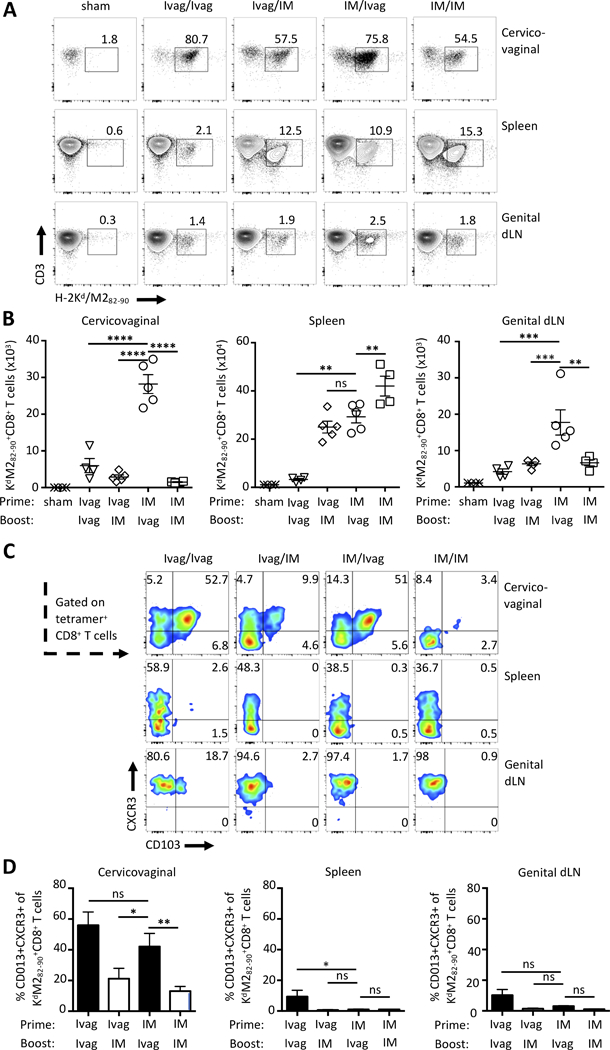
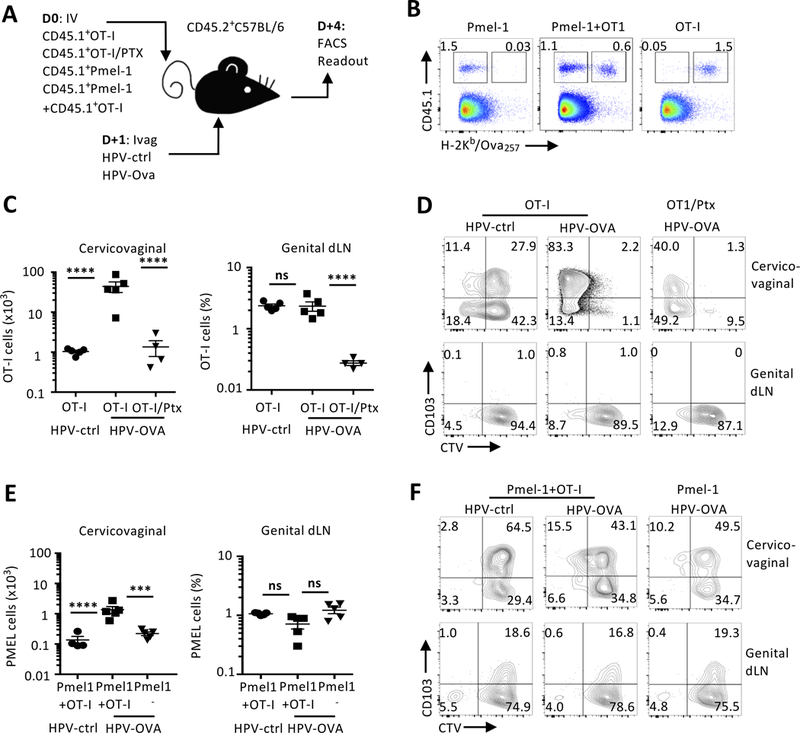
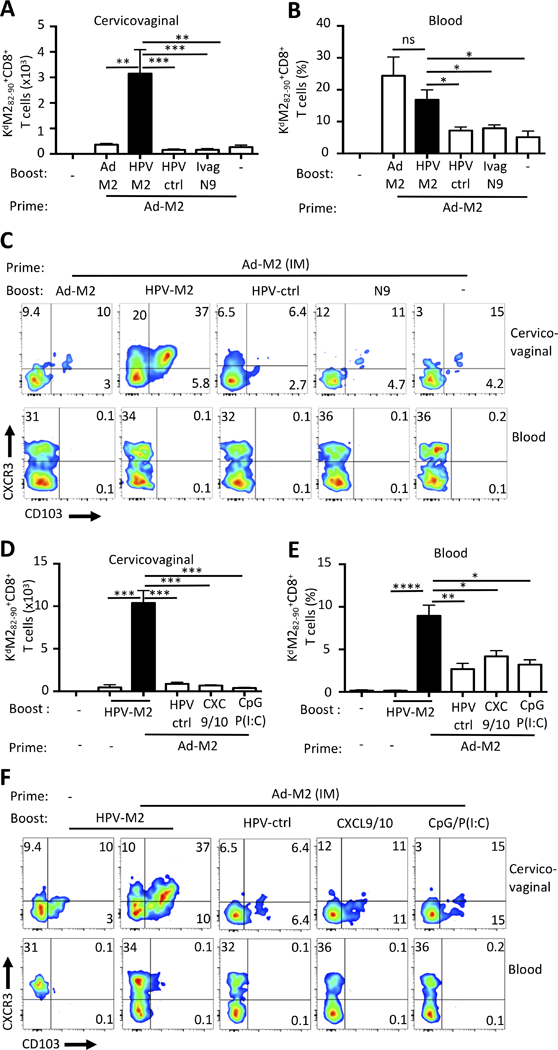
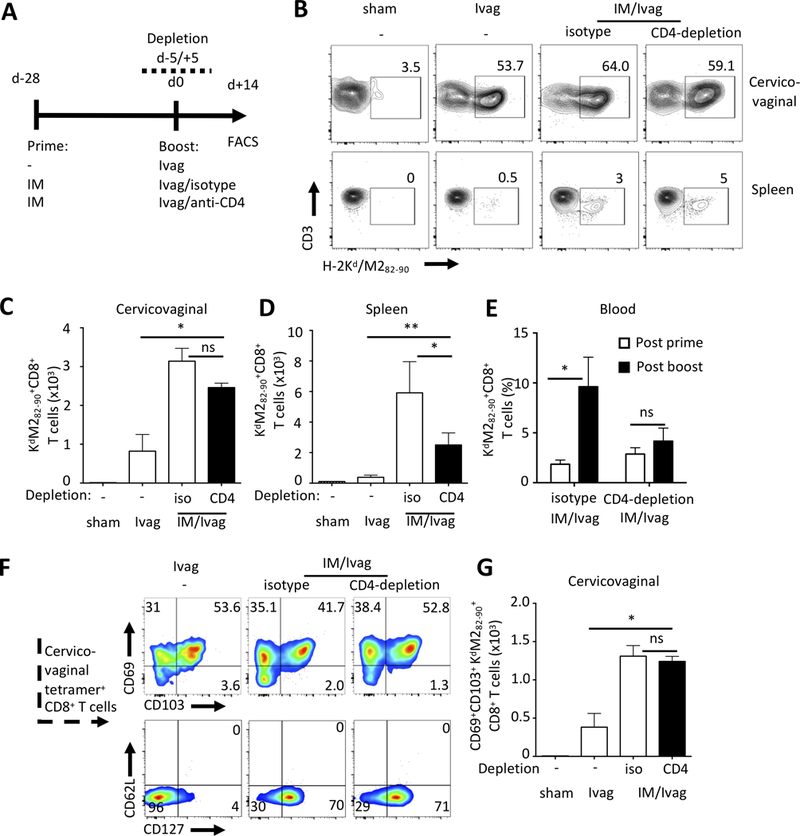
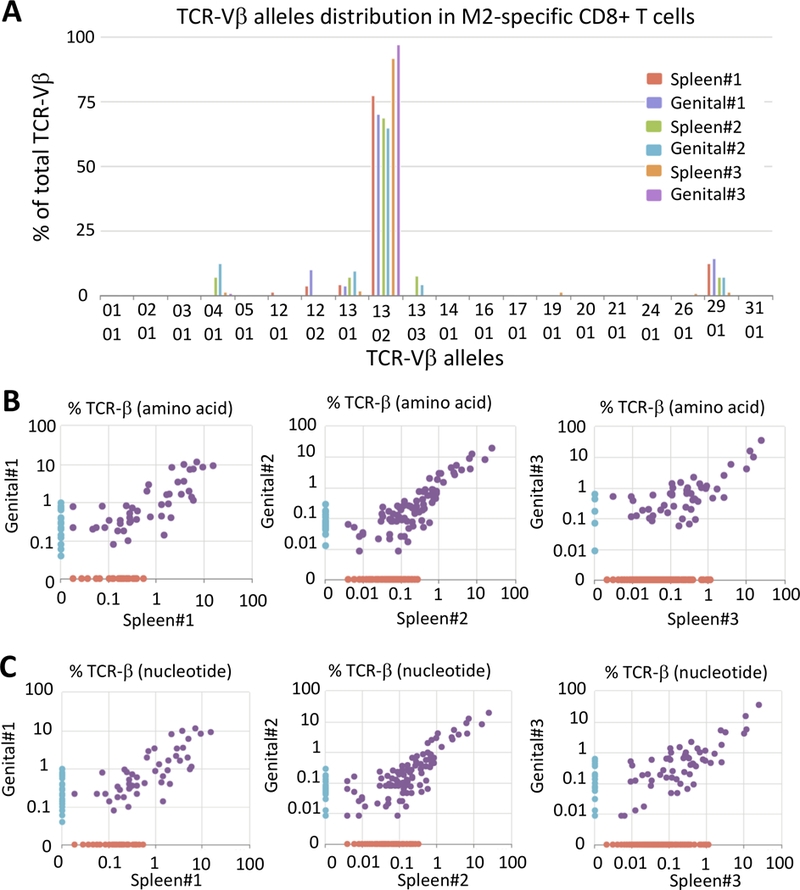
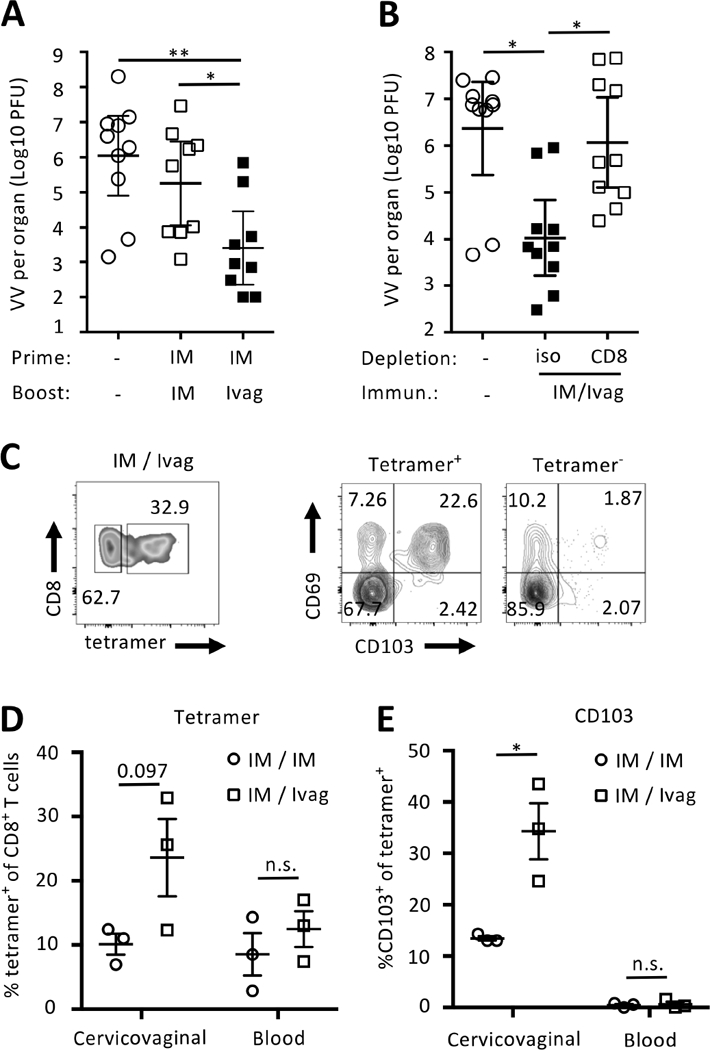
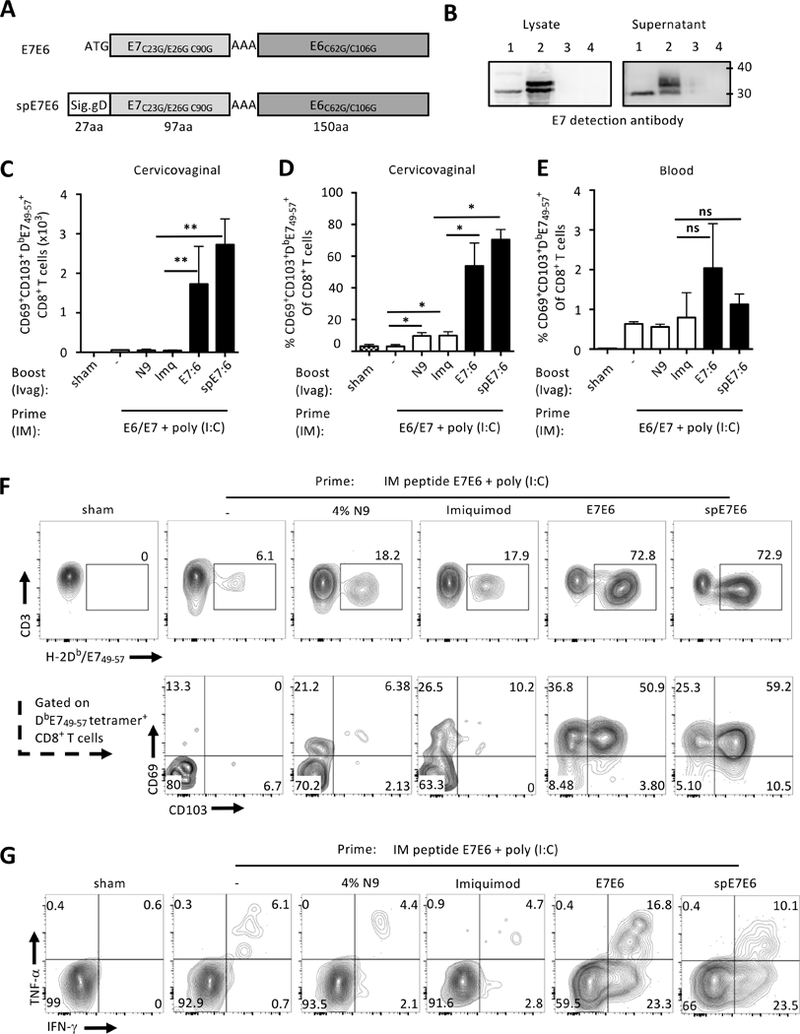
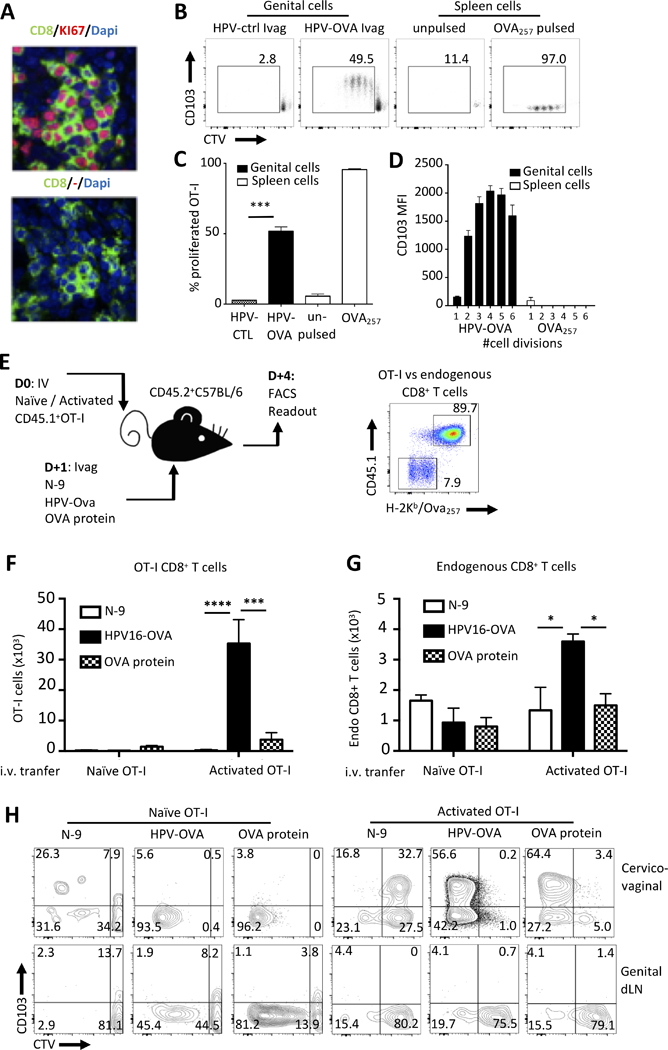
Recent insight into the mechanisms of induction of tissue-resident memory (T) CD8 T cells (CD8 T) enables the development of novel vaccine strategies against sexually transmitted infections. To maximize both systemic and genital intraepithelial CD8 T cells against vaccine Ags, we assessed combinations of i.m. and intravaginal routes in heterologous prime-boost immunization regimens with unrelated viral vectors. Only i.m. prime followed by intravaginal boost induced concomitant strong systemic and intraepithelial genital-resident CD8 T cell responses. Intravaginal boost with vectors expressing vaccine Ags was far superior to intravaginal instillation of CXCR3 chemokine receptor ligands or TLR 3, 7, and 9 agonists to recruit and increase the pool of cervicovaginal CD8 T Transient Ag presentation increased trafficking of cognate and bystander circulating activated, but not naive, CD8 T cells into the genital tract and induced in situ proliferation and differentiation of cognate CD8 T Secondary genital CD8 T were induced in the absence of CD4 T cell help and shared a similar TCR repertoire with systemic CD8 T cells. This prime-pull-amplify approach elicited systemic and genital CD8 T cell responses against high-risk human papillomavirus type 16 E7 oncoprotein and conferred CD8-mediated protection to a vaccinia virus genital challenge. These results underscore the importance of the delivery route of nonreplicating vectors in prime-boost immunization to shape the tissue distribution of CD8 T cell responses. In this context, the importance of local Ag presentation to elicit genital CD8 T provides a rationale to develop novel vaccines against sexually transmitted infections and to treat human papillomavirus neoplasia.
最近对组织驻留记忆(T)CD8 T 细胞(CD8 T)诱导机制的深入了解,使针对性传播感染的新型疫苗策略得以发展。为了最大限度地提高针对疫苗抗原的全身和生殖道上皮内 CD8 T 细胞,我们评估了使用无关病毒载体的异源初免-加强免疫方案中肌内和阴道途径的组合。只有肌内初免后阴道加强诱导了同时强烈的全身和上皮内生殖道驻留 CD8 T 细胞反应。表达疫苗抗原的载体阴道加强远优于阴道内滴注 CXCR3 趋化因子受体配体或 TLR 3、7 和 9 激动剂,以募集和增加宫颈阴道 CD8 T 细胞池。短暂的抗原呈递增加了同源和旁观者循环激活但不是幼稚的 CD8 T 细胞进入生殖道,并诱导原位增殖和分化同源 CD8 T。二级生殖道 CD8 T 在没有 CD4 T 细胞帮助的情况下被诱导,并且与全身 CD8 T 细胞共享相似的 TCR 库。这种初免-拉动-扩增方法引发了针对高危人乳头瘤病毒 16 E7 癌蛋白的全身和生殖道 CD8 T 细胞反应,并赋予了对牛痘病毒生殖器挑战的 CD8 介导的保护。这些结果强调了非复制载体在初免-加强免疫中的传递途径在塑造 CD8 T 细胞反应的组织分布中的重要性。在这种情况下,局部抗原呈递引发生殖道 CD8 T 的重要性为针对性传播感染开发新型疫苗和治疗人乳头瘤病毒肿瘤提供了依据。