State Key Laboratory of Oncogenes and Related Genes, Shanghai Cancer Institute, Ren Ji Hospital, School of Medicine, Shanghai Jiao Tong University, Shanghai, China.
Department of Gastrointestinal Surgery, Renji Hospital, School of Medicine, Shanghai Jiao Tong University, Shanghai, China.
EBioMedicine. 2019 Feb;40:43-55. doi: 10.1016/j.ebiom.2019.01.009. Epub 2019 Jan 11.
Hepatic fibrosis is caused by chronic liver injury and may progress toward liver cirrhosis, and even hepatocellular carcinoma. However, current treatment is not satisfactory. Therefore, there is a mandate to find novel therapeutic targets to improve therapy, and biomarkers to monitor therapeutic response.
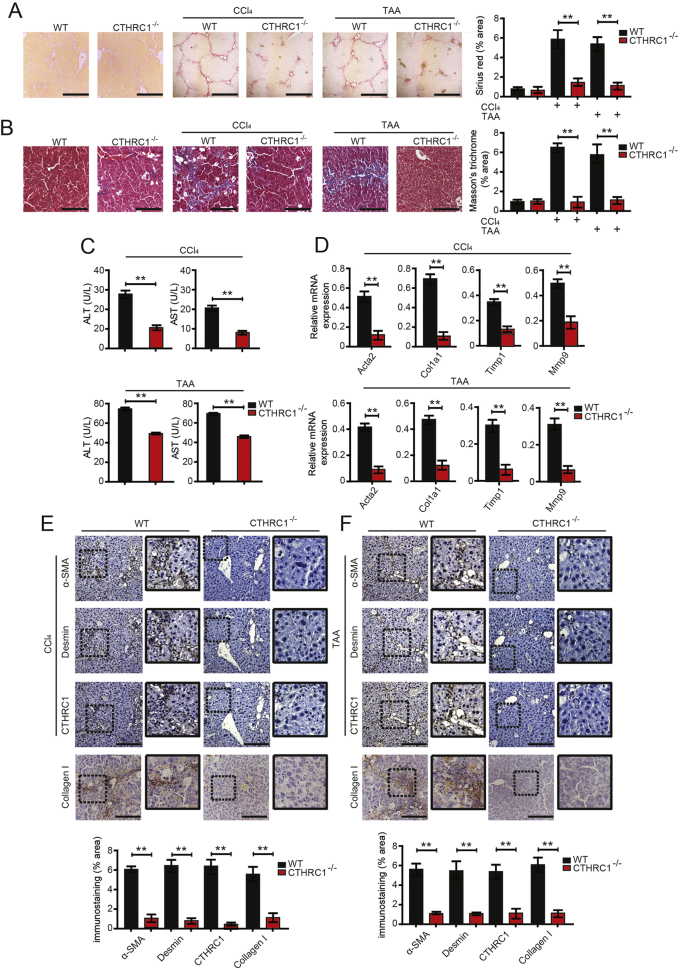
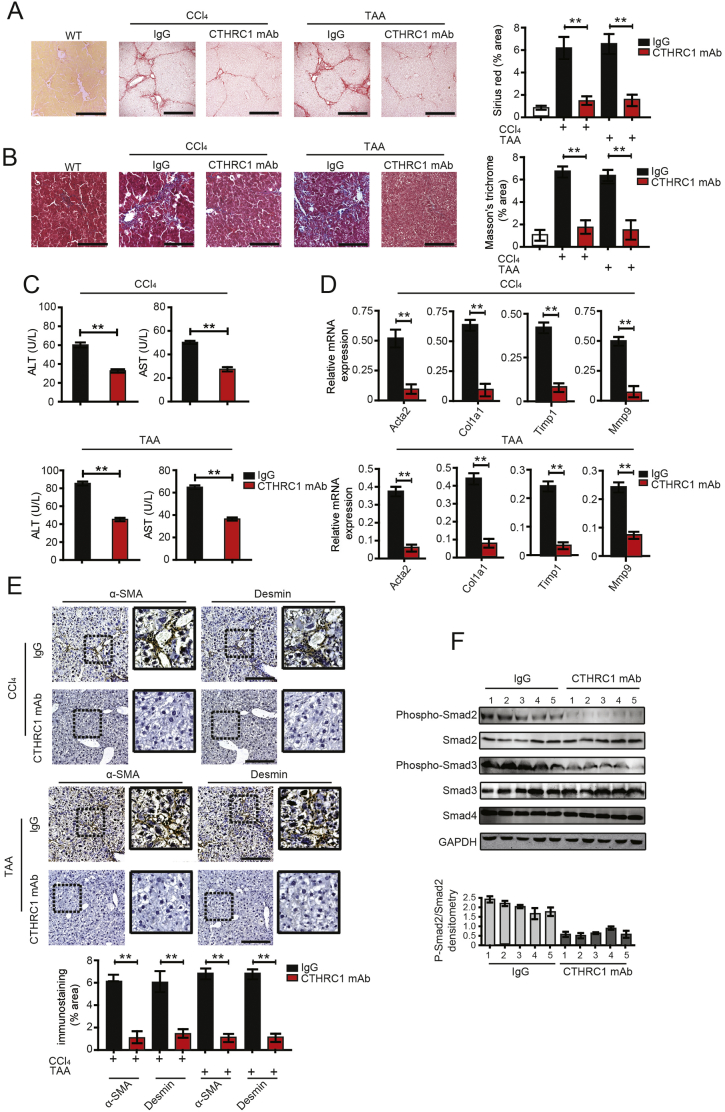
Liver fibrosis was induced by carbon tetrachloride (CCl) or thioacetamide (TAA) in wild type (WT) or CTHRC1 mice, followed by immunofluorescence and immunohistochemical analyses. CTHRC1 monoclonal antibody (mAb) was used to abrogate the effect of CTHRC1 in vitro and in vivo.
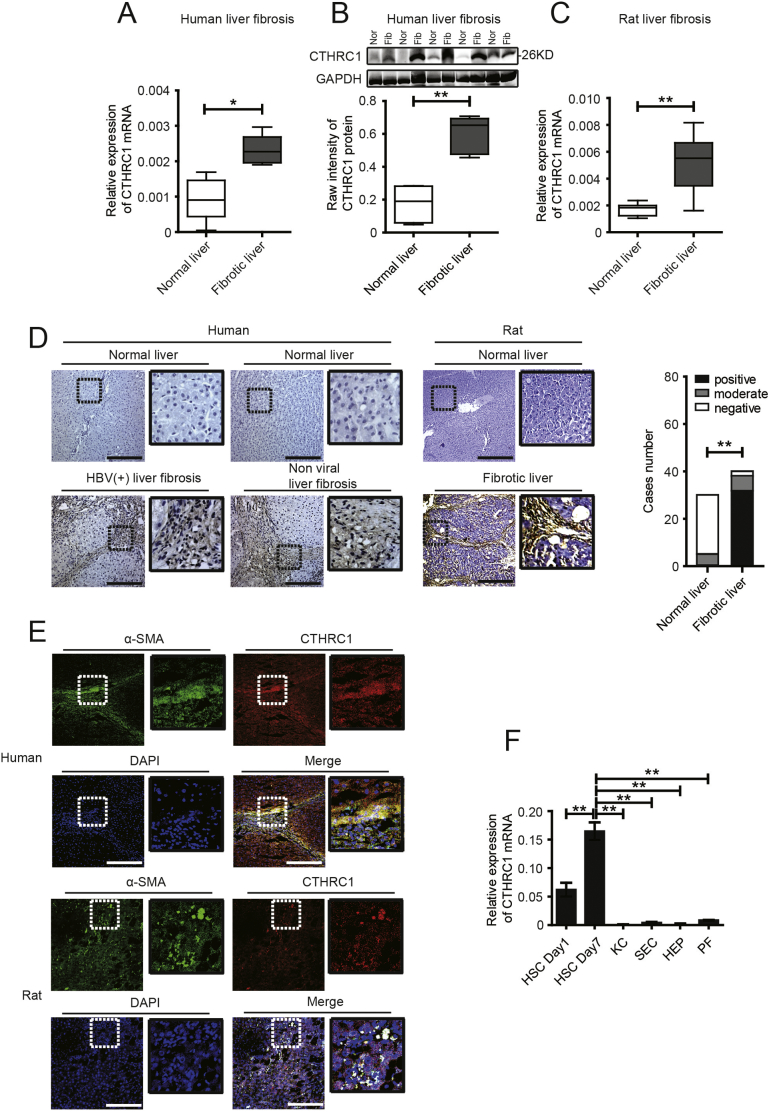
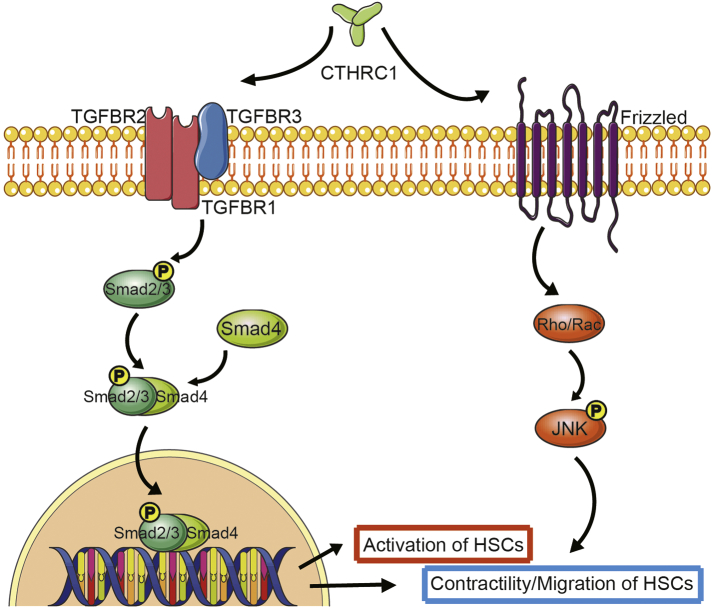
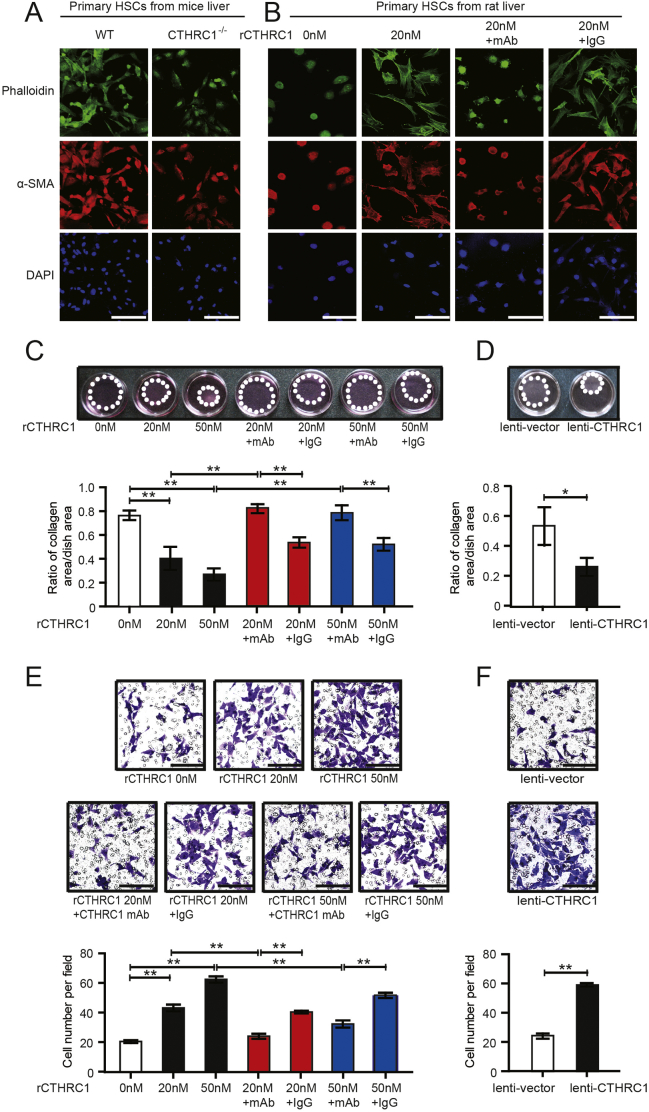
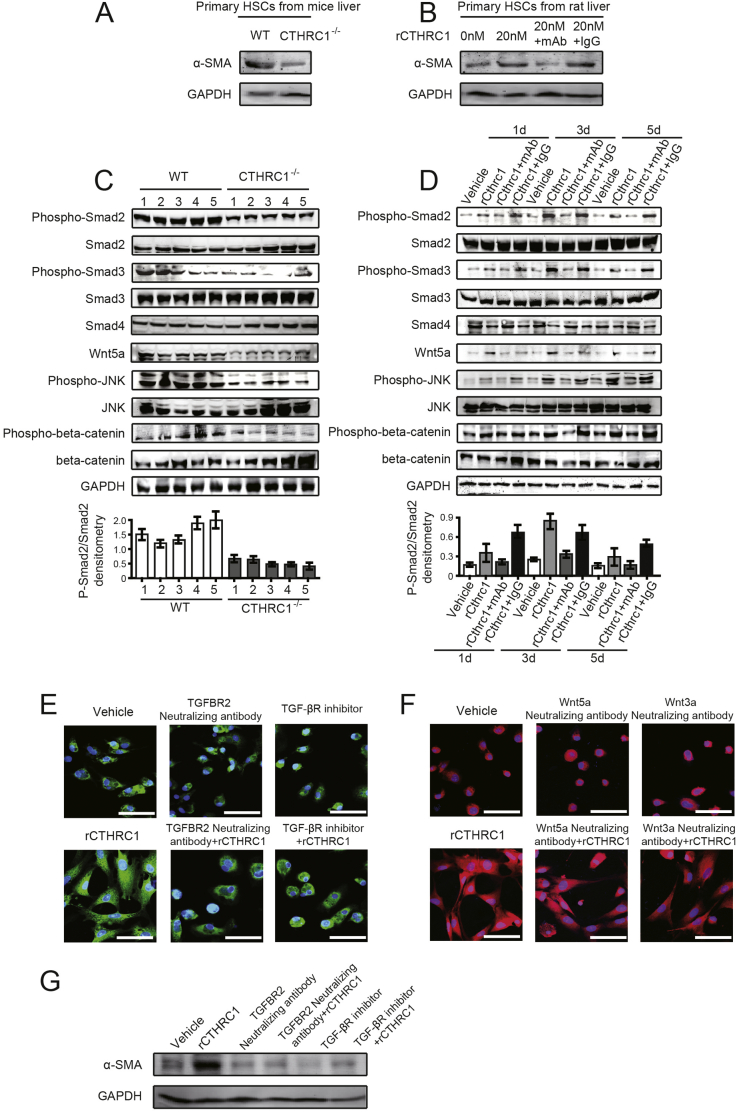
Here, we reported that collagen triple helix repeat containing 1 (CTHRC1), a secreted protein derived from hepatic stellate cells (HSCs), was significantly up-regulated in fibrotic liver tissues. CTHRC1 promoted HSCs transformation from a quiescent to an activated state, and enhanced migratory or contractile capacities of HSCs by activating TGF-β signaling. Meanwhile, CTHRC1 competitively bound to Wnt noncononical receptor and promoted the contractility but not activation of HSCs. CCl or TAA-induced liver fibrosis was attenuated in CTHRC mice compared with littermate control, while a monoclonal antibody of CTHRC1 suppressed liver fibrosis in WT mice treated with CCl or TAA.
We demonstrated that CTHRC1 is a new regulator of liver fibrosis by modulating TGF-β signaling. Targeting CTHRC1 could be a promising therapeutic approach, which can suppress TGF-β signaling and avoid the side effects caused by directly targeting TGF-β. CTHRC1 could also be a potential biomarker for monitoring response to anti-fibrotic therapy. FUND: This study was supported by the National Natural Science Foundation of China (ID 81672358, 81871923, 81872242, 81802890), the Shanghai Municipal Education Commission-Gaofeng Clinical Medicine Grant Support (ID 20181708), the Natural Science Foundation of Shanghai (ID 17ZR1428300, 18ZR1436900), and Shanghai Municipal Health Bureau (ID 2018BR32). The funders did not play a role in manuscript design, data collection, data analysis, interpretation nor writing of the manuscript.
肝纤维化是由慢性肝损伤引起的,并可能进展为肝硬化,甚至肝癌。然而,目前的治疗效果并不理想。因此,需要寻找新的治疗靶点以改善治疗效果,并寻找生物标志物来监测治疗反应。
用四氯化碳(CCl)或硫代乙酰胺(TAA)在野生型(WT)或 CTHRC1 小鼠中诱导肝纤维化,然后进行免疫荧光和免疫组织化学分析。用 CTHRC1 单克隆抗体(mAb)在体外和体内阻断 CTHRC1 的作用。
在这里,我们报道了胶原三螺旋重复含 1(CTHRC1),一种来源于肝星状细胞(HSCs)的分泌蛋白,在纤维化肝组织中显著上调。CTHRC1 促进 HSCs 从静止状态向激活状态转化,并通过激活 TGF-β 信号增强 HSCs 的迁移或收缩能力。同时,CTHRC1 竞争性结合 Wnt 非经典受体,促进 HSCs 的收缩但不激活。与同窝对照相比,CTHRC1 小鼠的 CCl 或 TAA 诱导的肝纤维化减轻,而 CCl 或 TAA 处理的 WT 小鼠的 CTHRC1 单克隆抗体抑制肝纤维化。
我们证明 CTHRC1 通过调节 TGF-β 信号通路是肝纤维化的一个新调节因子。靶向 CTHRC1 可能是一种有前途的治疗方法,它可以抑制 TGF-β 信号通路,并避免直接靶向 TGF-β 引起的副作用。CTHRC1 也可能是监测抗纤维化治疗反应的潜在生物标志物。
本研究得到国家自然科学基金(ID 81672358、81871923、81872242、81802890)、上海市教委-高峰医学临床资助计划(ID 20181708)、上海市自然科学基金(ID 17ZR1428300、18ZR1436900)和上海市卫生健康委员会(ID 2018BR32)的支持。资助者在 manuscript design、data collection、data analysis、interpretation 或 writing of the manuscript 方面没有发挥作用。