Moerke Megan J, Li Guanguan, Golani Lalit K, Cook James, Negus S Stevens
Department of Pharmacology and Toxicology, Virginia Commonwealth University, Richmond, Virginia.
Department of Chemistry and Biochemistry, University of Wisconsin-Milwaukee, Milwaukee, Wisconsin, USA.
Behav Pharmacol. 2019 Aug;30(5):452-461. doi: 10.1097/FBP.0000000000000464.
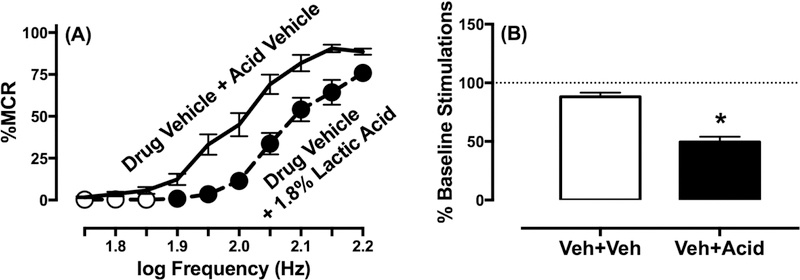
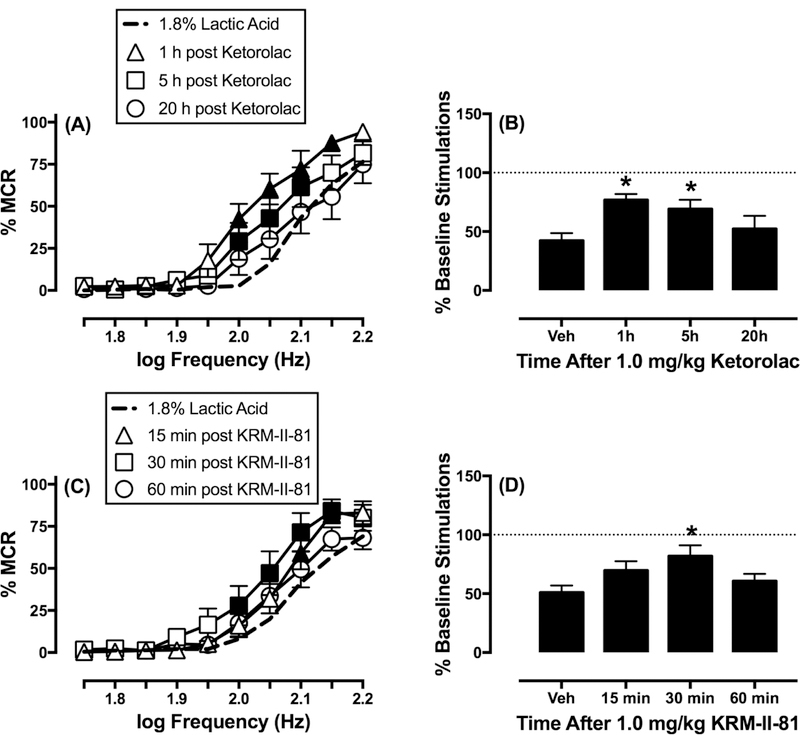
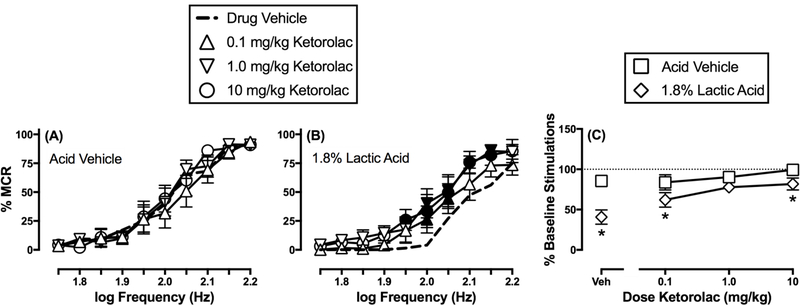
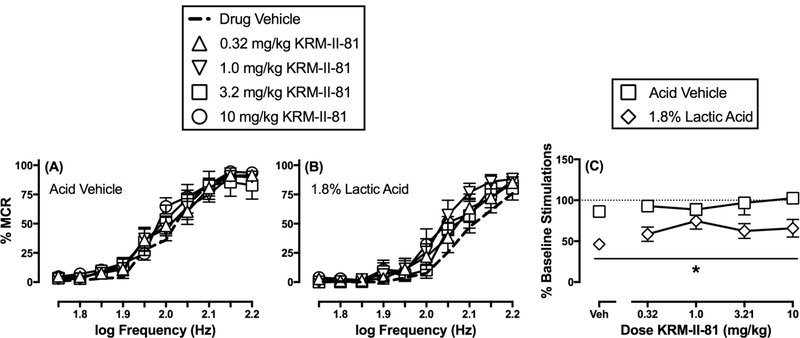
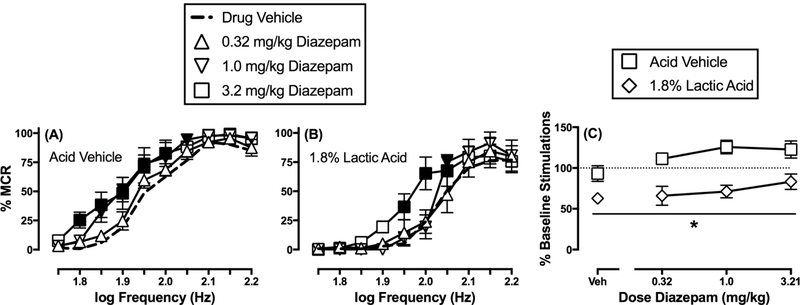
This study examined effects of the α2/α3-subtype-selective GABAA receptor positive allosteric modulator KRM-II-81 in an assay of pain-related behavioral depression. Adult, male Sprague-Dawley rats responded for electrical brain stimulation in a frequency-rate intracranial self-stimulation (ICSS) procedure. Intraperitoneal injection of 1.8% lactic acid served as an acute noxious stimulus to depress ICSS. Effects of KRM-II-81 were evaluated in the absence and presence of the acid noxious stimulus. The NSAID ketorolac and the benzodiazepine diazepam were tested as comparators. Neither ketorolac nor KRM-II-81 altered ICSS in the absence of the acid noxious stimulus; however, diazepam produced facilitation consistent with its abuse liability. Ketorolac blocked acid-induced depression of ICSS, and effects of 1.0 mg/kg ketorolac lasted for at least 5 h. KRM-II-81 (1.0 mg/kg) produced significant antinociception after 30 min that dissipated by 60 min. Diazepam also attenuated acid-depressed ICSS, but only at doses that facilitated ICSS when administered alone. The lack of ketorolac or KRM-II-81 effects on ICSS in the absence of the acid noxious stimulus suggests low abuse liability for both compounds. The effectiveness of ketorolac to block acid-induced ICSS depression agrees with clinical analgesic efficacy of ketorolac. KRM-II-81 produced significant but less consistent and shorter-acting antinociception than ketorolac.
本研究在一项与疼痛相关的行为抑制试验中检测了α2/α3亚型选择性GABAA受体正向变构调节剂KRM-II-81的作用。成年雄性Sprague-Dawley大鼠在频率-速率颅内自我刺激(ICSS)程序中对脑电刺激作出反应。腹腔注射1.8%乳酸作为急性伤害性刺激以抑制ICSS。在存在和不存在酸性伤害性刺激的情况下评估KRM-II-81的作用。将非甾体抗炎药酮咯酸和苯二氮䓬类药物地西泮作为对照进行测试。在不存在酸性伤害性刺激的情况下,酮咯酸和KRM-II-81均未改变ICSS;然而,地西泮产生的促进作用与其滥用可能性一致。酮咯酸可阻断酸诱导的ICSS抑制,1.0mg/kg酮咯酸的作用持续至少5小时。KRM-II-81(1.0mg/kg)在30分钟后产生显著的抗伤害感受作用,并在60分钟时消失。地西泮也可减轻酸抑制的ICSS,但仅在单独给药时促进ICSS的剂量下有效。在不存在酸性伤害性刺激的情况下,酮咯酸或KRM-II-81对ICSS无影响,这表明这两种化合物的滥用可能性较低。酮咯酸阻断酸诱导的ICSS抑制的有效性与酮咯酸的临床镇痛疗效一致。KRM-II-81产生了显著的抗伤害感受作用,但与酮咯酸相比,其作用不太一致且持续时间较短。