Cai Lu, Zhang Yan, Zhou Yarui, Zhang Xiaodie, Ji Lili, Song Wendong, Zhang Hailong, Liu Jianshe
College of Environmental and Science Technology, Donghua University, Shanghai 201620, China.
College of Food and Medical, Zhejiang Ocean University, Zhoushan 316022, China.
Materials (Basel). 2019 Jan 11;12(2):236. doi: 10.3390/ma12020236.
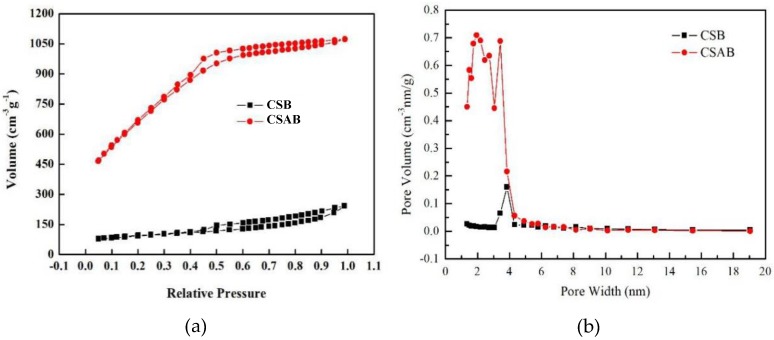
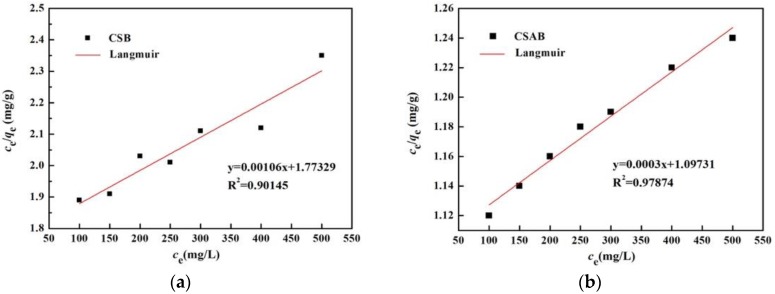
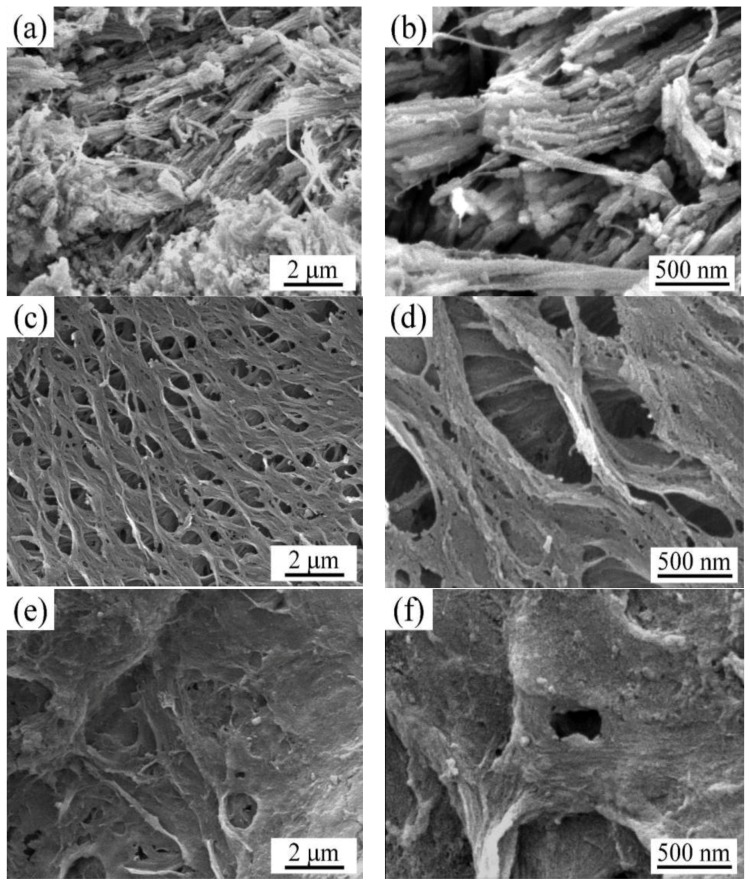
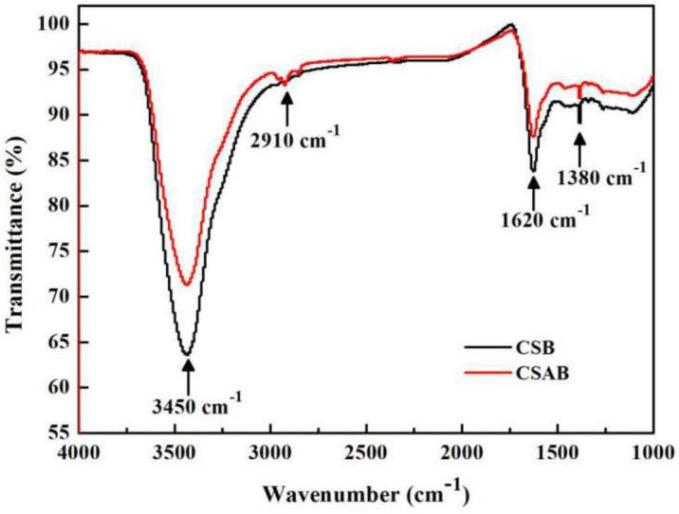
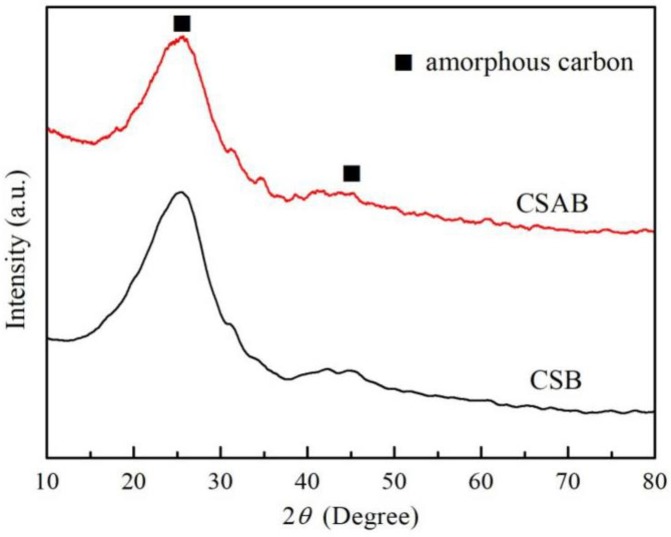
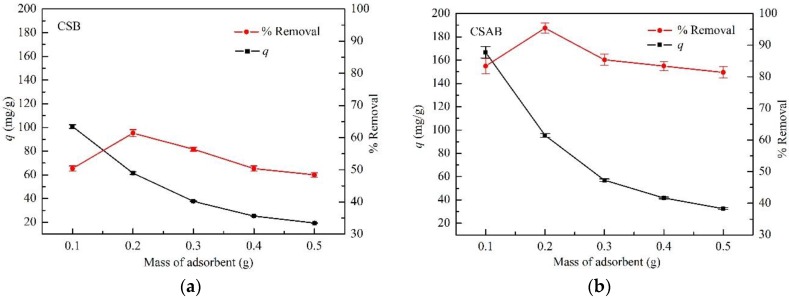
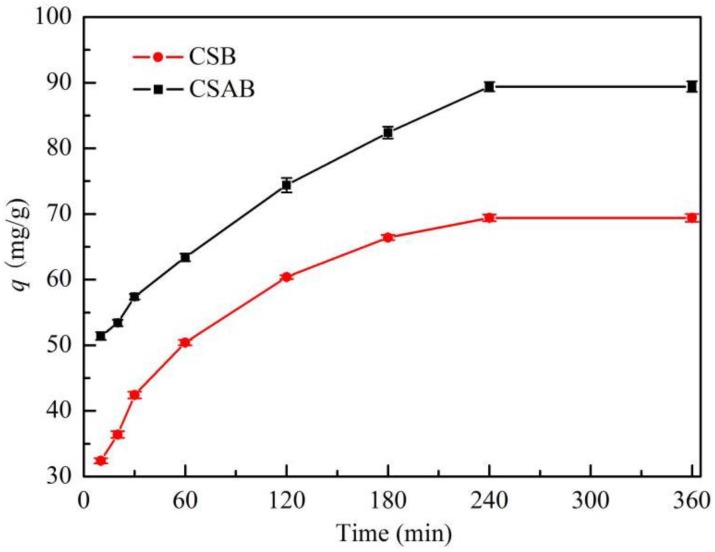
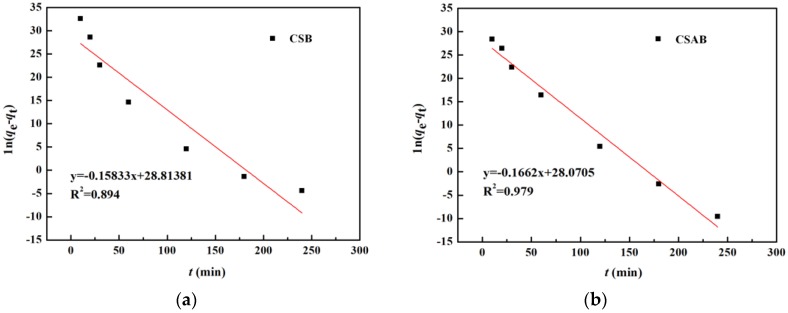
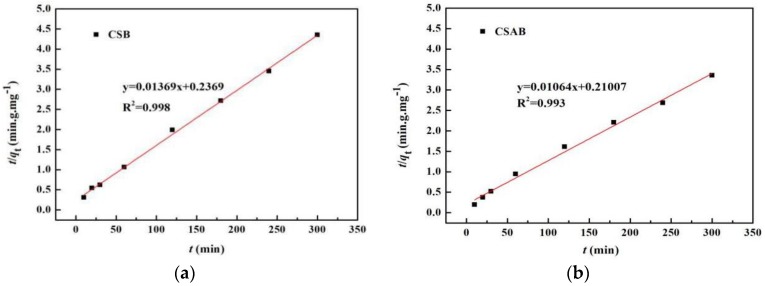
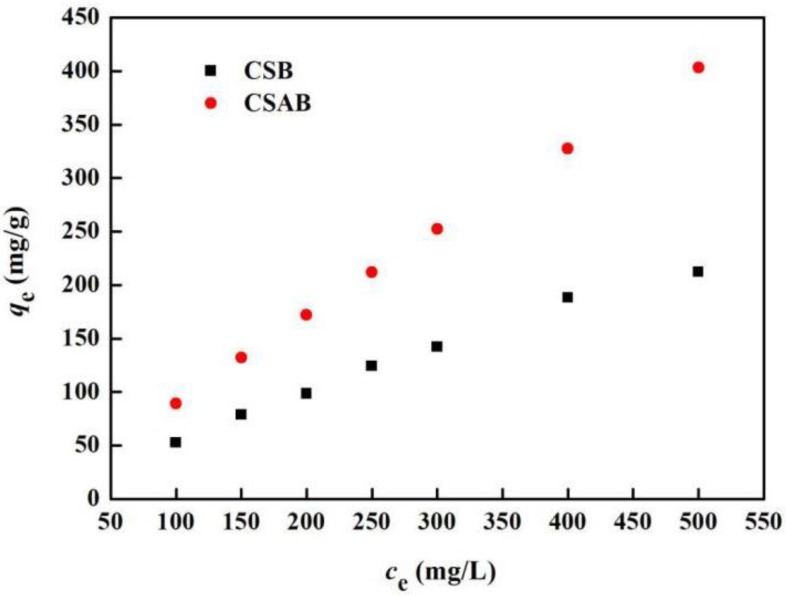
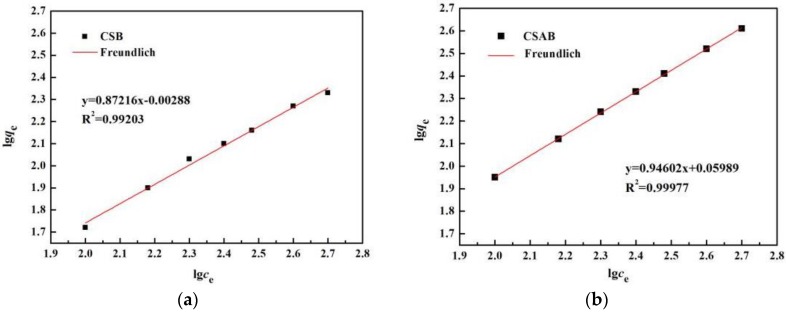
This study, for the first time, rendered crab shell activated biochar modified by potassium hydroxide (KOH) impregnation (CSAB), revealing a new potential application in the removal of diesel oil from oily wastewater. The structural characteristics of crab shell biochar (CSB) and CSAB were investigated by SEM, and the crystal structure and optical properties of as-prepared samples were analyzed using XRD and FTIR. Results showed that CSAB had stratified surface structure morphology, abundant functional groups, and that its high specific surface area could reach up to 2441 m²/g, which was about eight times larger than that of untreated CSB (307 m²/g). An adsorption isotherm study indicated that the actual adsorption process both of CSAB and CSB were found to fit better with the Freundlich equation. Moreover, chemical interaction controlled the adsorption kinetics efficiency while the adsorption equilibrium capacity was 93.9 mg/g. Due to its highly developed pore structure, unique surface characteristics, and effective adsorption performance, this low-cost activated carbon had the potential to serve as an efficient adsorbent for water pollution purification.
本研究首次制备了经氢氧化钾(KOH)浸渍改性的蟹壳活性炭(CSAB),揭示了其在去除含油废水中柴油方面的新潜在应用。通过扫描电子显微镜(SEM)研究了蟹壳生物炭(CSB)和CSAB的结构特征,并使用X射线衍射(XRD)和傅里叶变换红外光谱(FTIR)分析了所制备样品的晶体结构和光学性质。结果表明,CSAB具有分层的表面结构形态、丰富的官能团,其高比表面积可达2441 m²/g,约为未处理的CSB(307 m²/g)的八倍。吸附等温线研究表明,CSAB和CSB的实际吸附过程均发现与弗伦德利希方程拟合得更好。此外,化学相互作用控制了吸附动力学效率,吸附平衡容量为93.9 mg/g。由于其高度发达的孔隙结构、独特的表面特性和有效的吸附性能,这种低成本的活性炭有潜力作为一种高效吸附剂用于水污染净化。