The Australian Centre for Public and Population Health Research, Faculty of Health, University of Technology Sydney, Sydney, Australia.
Mother and Infant Research Unit, School of Nursing & Health Sciences, University of Dundee, Scotland, UK.
Hum Resour Health. 2019 Jan 14;17(1):5. doi: 10.1186/s12960-018-0341-5.
Midwives have an essential role to play in preparing for and providing sexual and reproductive health (SRH) services in humanitarian settings due to their unique knowledge and skills, position as frontline providers and geographic and social proximity to the communities they serve. There are considerable gaps in the international guidance that defines the scope of practice of midwives in crises, particularly for the mitigation and preparedness, and recovery phases. We undertook a systematic review to provide further clarification of this scope of practice and insights to optimise midwifery performance. The review aimed to determine what SRH services midwives are involved in delivering across the emergency management cycle in humanitarian contexts, and how they are working with other professionals to deliver health care.
Four electronic databases and the websites of 33 organisations were searched between January and March 2017. Papers were eligible for inclusion if they were published in English between 2007 and 2017 and reported primary research pertaining to the role of midwives in delivering and performing any component of sexual and/or reproductive health in humanitarian settings. Content analysis was used to map the study findings to the Minimum Initial Service Package (MISP) for SRH across the three phases of the disaster management cycle and identify how midwives work with other members of the health care team.
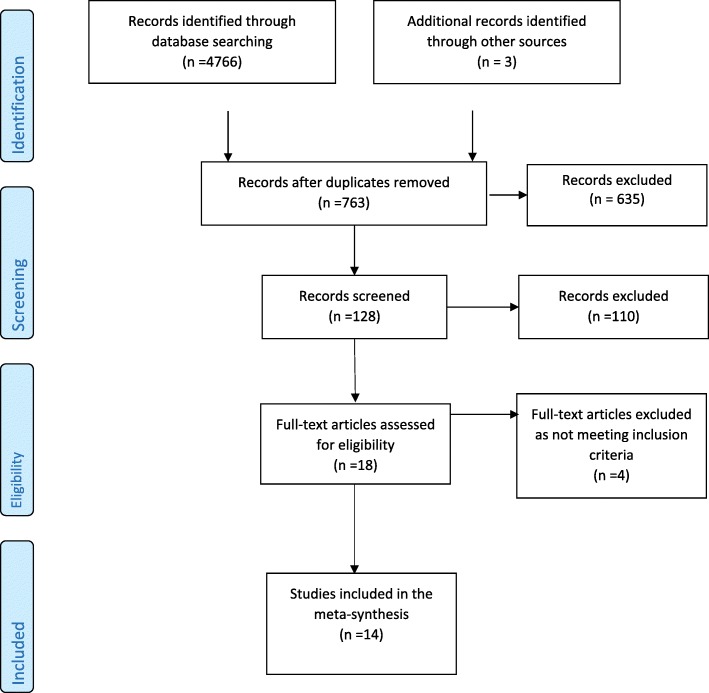
Fourteen studies from ten countries were included. Twelve studies were undertaken in conflict settings, and two were conducted in the context of the aftermath of natural disasters. We found a paucity of evidence from the research literature that examines the activities and roles undertaken by midwives across the disaster management cycle. This lack of evidence was more apparent during the mitigation and preparedness, and recovery phases than the response phase of the disaster management cycle.
Research-informed guidelines and strategies are required to better align the scope of practice of midwives with the objectives of multi-agency guidelines and agreements, as well as the activities of the MISP, to ensure that the potential of midwives can be acknowledged and optimised across the disaster management cycle.
由于助产士具有独特的知识和技能,作为一线服务提供者,以及与他们所服务的社区在地理和社会上的接近程度,他们在为人道主义环境中准备和提供性健康和生殖健康 (SRH) 服务方面发挥着重要作用。在国际指导中,对危机中助产士的实践范围存在相当大的差距,特别是在缓解、准备和恢复阶段。我们进行了一项系统审查,以进一步澄清这一实践范围,并深入了解如何优化助产士的表现。该审查旨在确定助产士在人道主义背景下的整个应急管理周期中参与提供哪些性健康和生殖健康服务,以及他们如何与其他专业人员合作提供医疗保健。
2017 年 1 月至 3 月期间,我们在四个电子数据库和 33 个组织的网站上进行了搜索。如果论文发表于 2007 年至 2017 年期间,并且报告了与助产士在人道主义环境中提供和执行任何性和/或生殖健康服务部分有关的主要研究,那么该论文就有资格被纳入。我们使用内容分析法将研究结果映射到灾害管理周期三个阶段的最低初始服务包 (MISP),以确定助产士如何与医疗保健团队的其他成员合作。
我们纳入了来自十个国家的 14 项研究。其中 12 项研究是在冲突环境中进行的,另外两项是在自然灾害发生后的情况下进行的。我们发现,从研究文献中可以看到,在灾害管理周期中,助产士的活动和角色非常有限。这种证据的缺乏在灾害管理周期的缓解和准备阶段以及恢复阶段比响应阶段更为明显。
需要研究为依据的指导方针和战略,以使助产士的实践范围更好地与多机构指导方针和协议的目标以及最低初始服务包的活动保持一致,以确保助产士的潜力能够在灾害管理周期中得到认可和优化。