Human Oncology and Pathogenesis Program, Memorial Sloan Kettering Cancer Center, New York, United States.
Department of Genetics, Albert Einstein College of Medicine, New York, United States.
Elife. 2019 Jan 15;8:e41913. doi: 10.7554/eLife.41913.
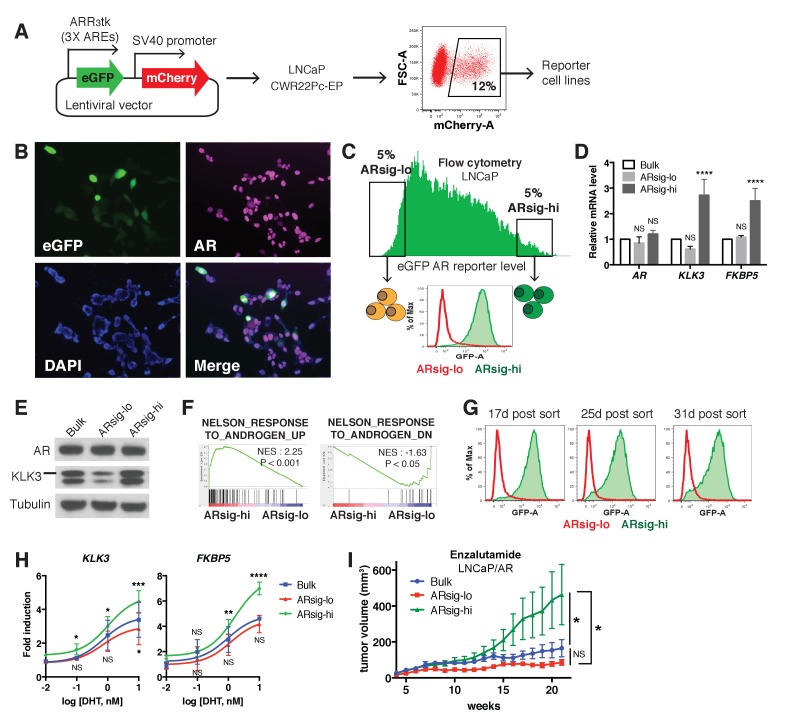
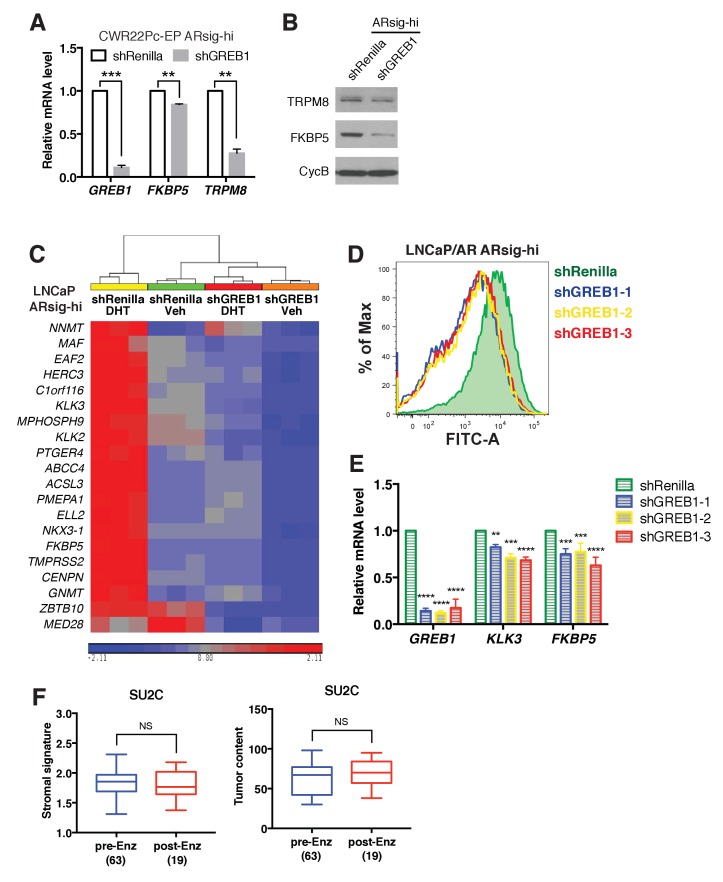
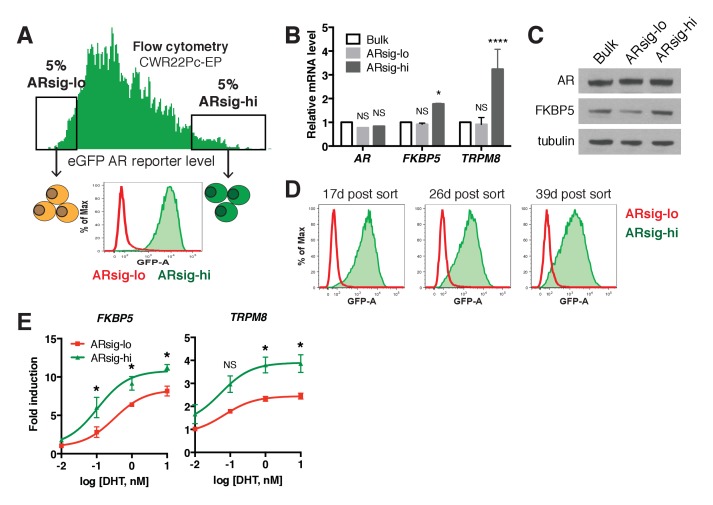
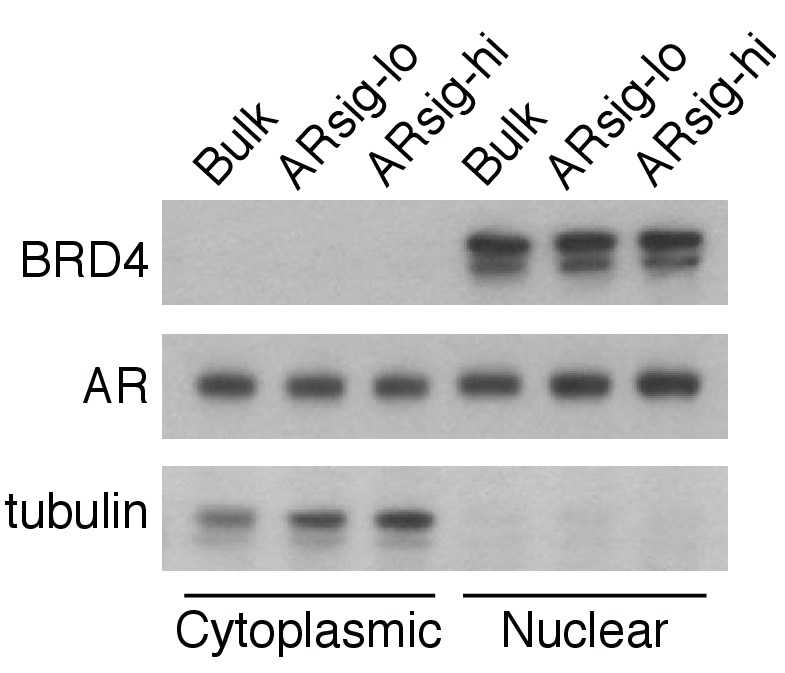
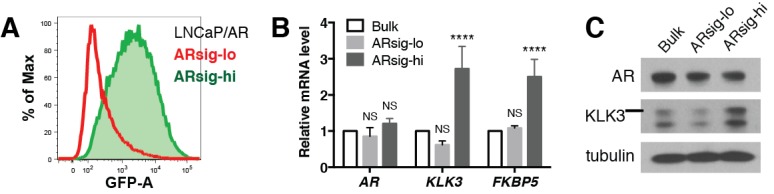
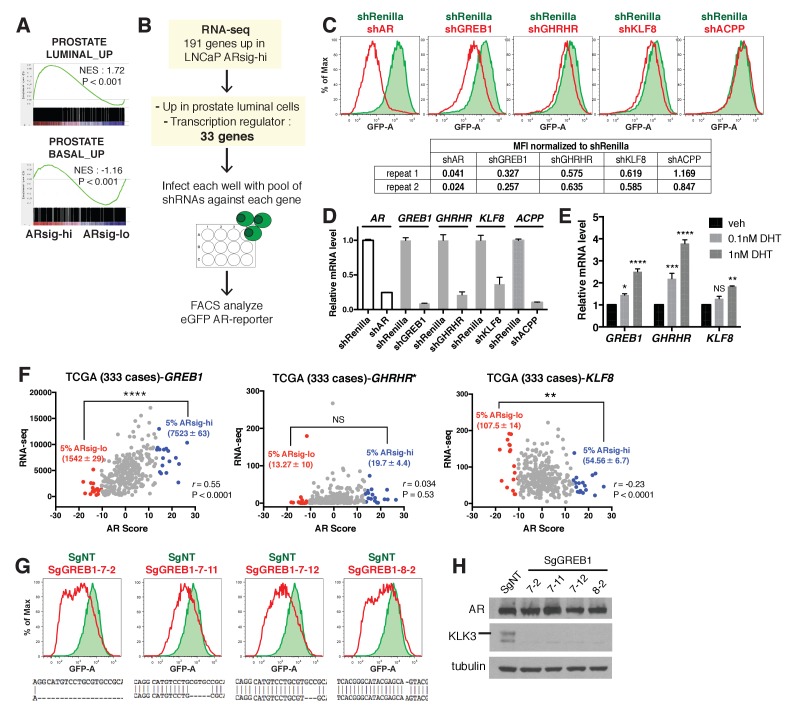
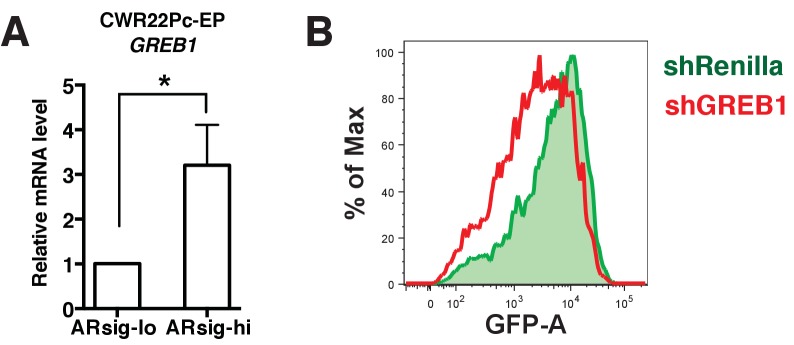
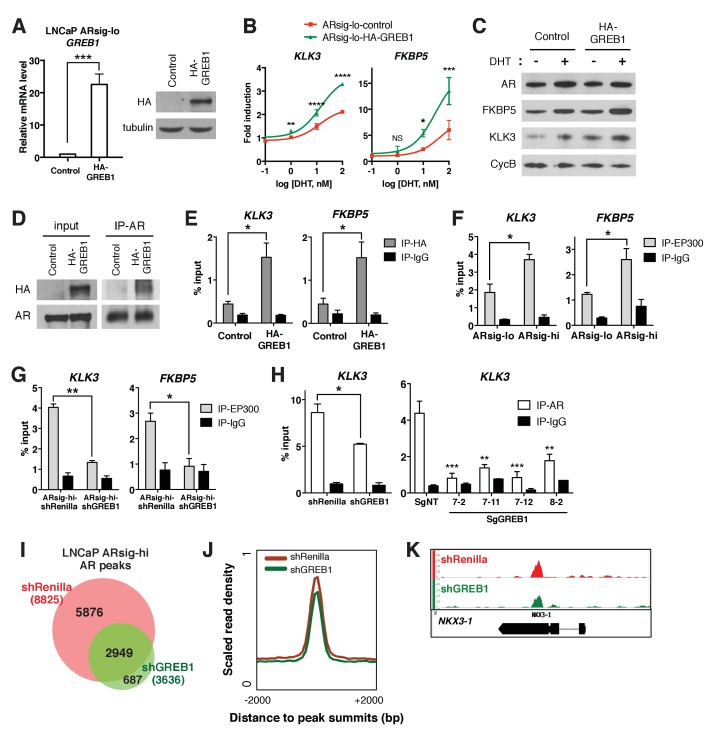
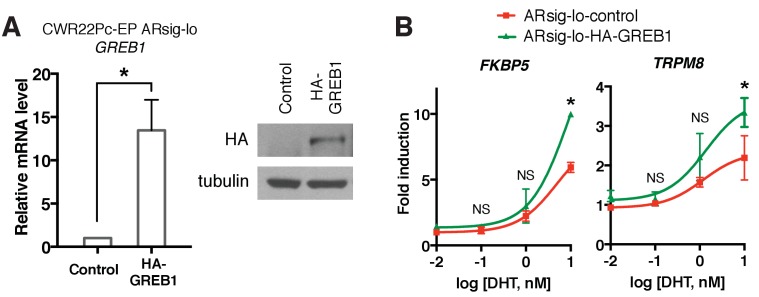
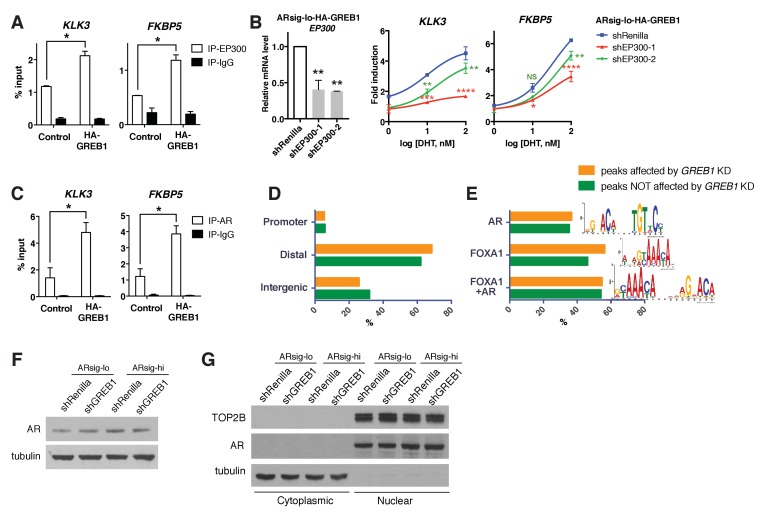
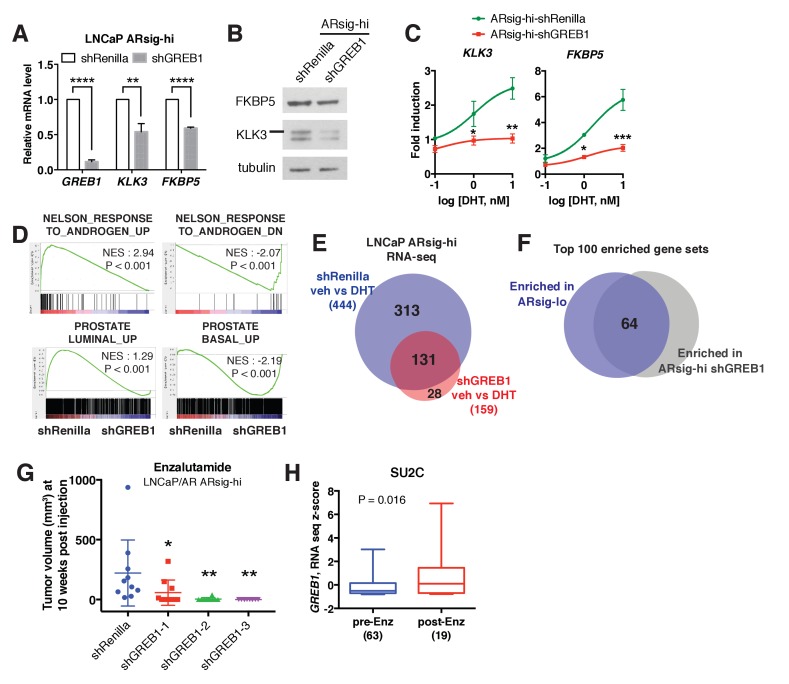
Genomic amplification of the androgen receptor () is an established mechanism of antiandrogen resistance in prostate cancer. Here, we show that the magnitude of signaling output, independent of genomic alteration or expression level, also contributes to antiandrogen resistance, through upregulation of the coactivator . We demonstrate 100-fold heterogeneity in output within human prostate cancer cell lines and show that cells with high output have reduced sensitivity to enzalutamide. Through transcriptomic and shRNA knockdown studies, together with analysis of clinical datasets, we identify as a gene responsible for high output. We show that is an target gene that amplifies output by enhancing DNA binding and promoting recruitment. knockdown in high output cells restores enzalutamide sensitivity . Thus, is a candidate driver of enzalutamide resistance through a novel feed forward mechanism.
雄激素受体()的基因组扩增是前列腺癌中抗雄激素耐药的既定机制。在这里,我们表明,信号输出的幅度,独立于雄激素受体基因的改变或表达水平,也通过共激活因子的上调导致抗雄激素耐药。我们在人前列腺癌细胞系中显示出 100 倍的信号输出异质性,并表明具有高信号输出的细胞对恩杂鲁胺的敏感性降低。通过转录组和 shRNA 敲低研究,以及对临床数据集的分析,我们确定作为导致高信号输出的基因。我们表明,是雄激素受体的一个靶基因,通过增强雄激素受体 DNA 结合和促进雄激素受体募集来放大信号输出。在高信号输出细胞中敲低,可恢复恩杂鲁胺的敏感性。因此,通过一种新的正反馈机制,成为导致恩杂鲁胺耐药的候选驱动基因。