Department of Microbiology and Parasitology, Institute of Basic Medical Sciences Chinese Academy of Medical Sciences, School of Basic Medicine Peking Union Medical College, 5# Dong Dan San Tiao, Beijing, 100005, People's Republic of China.
NHC Key Laboratory of Systems Biology of Pathogens, Institute of Pathogen Biology, Chinese Academy of Medical Sciences and Peking Union Medical College, Beijing, People's Republic of China.
Parasit Vectors. 2019 Jan 15;12(1):36. doi: 10.1186/s13071-019-3301-6.
Transfer RNA (tRNA)-derived fragments (tRFs) have been widely identified in nature, functioning in diverse biological and pathological situations. Yet, the presence of these small RNAs in Plasmodium spp. remains unknown. Systematic identification and characterization of tRFs is therefore highly needed to understand further their roles in Plasmodium parasites, particularly in the virulent Plasmodium falciparum parasite.
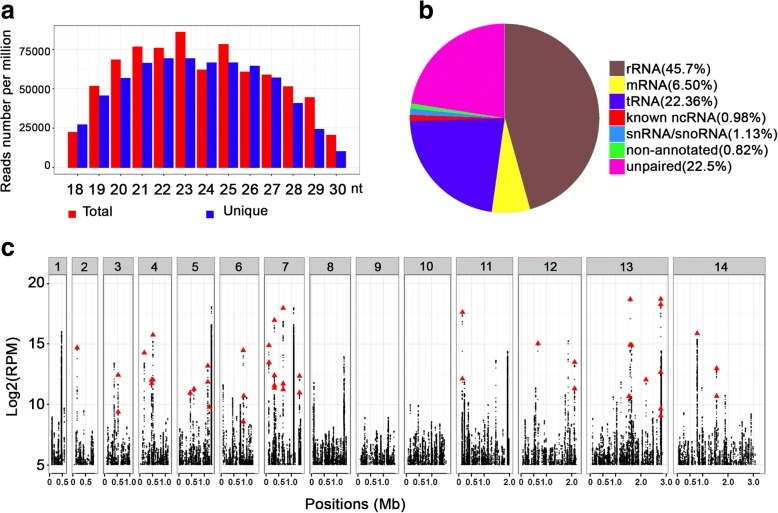
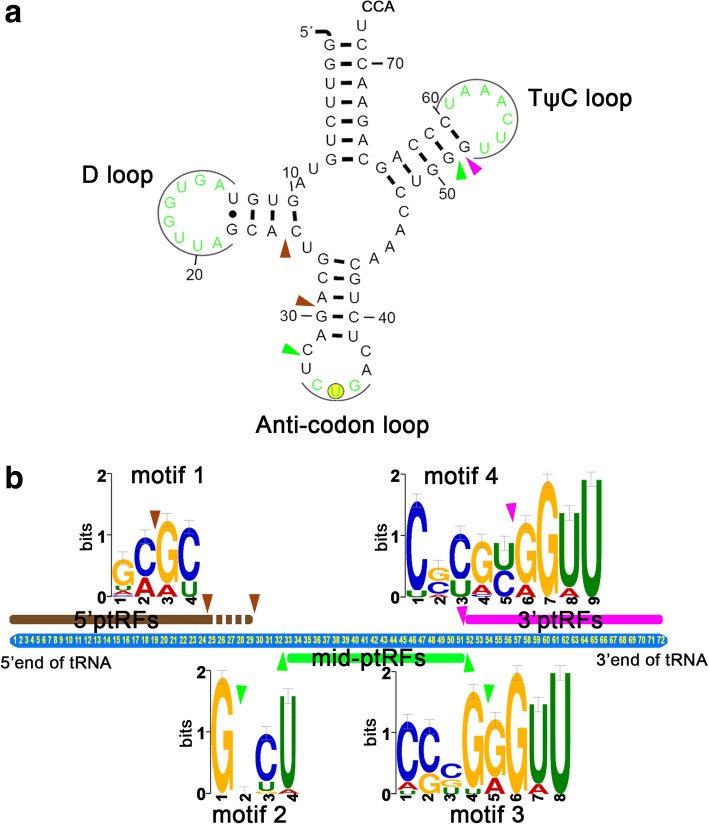
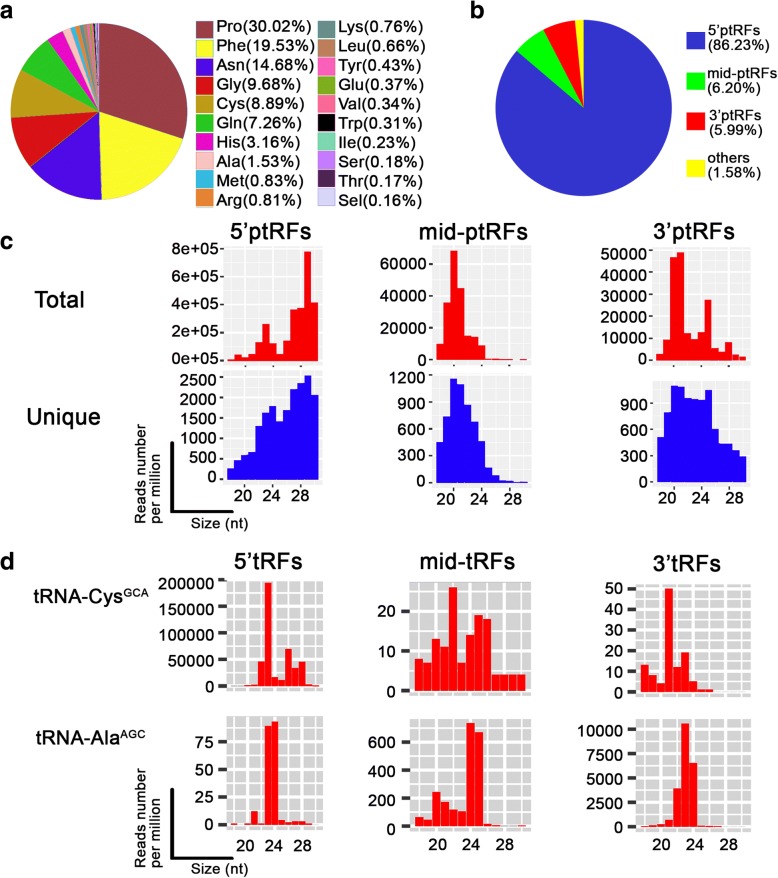
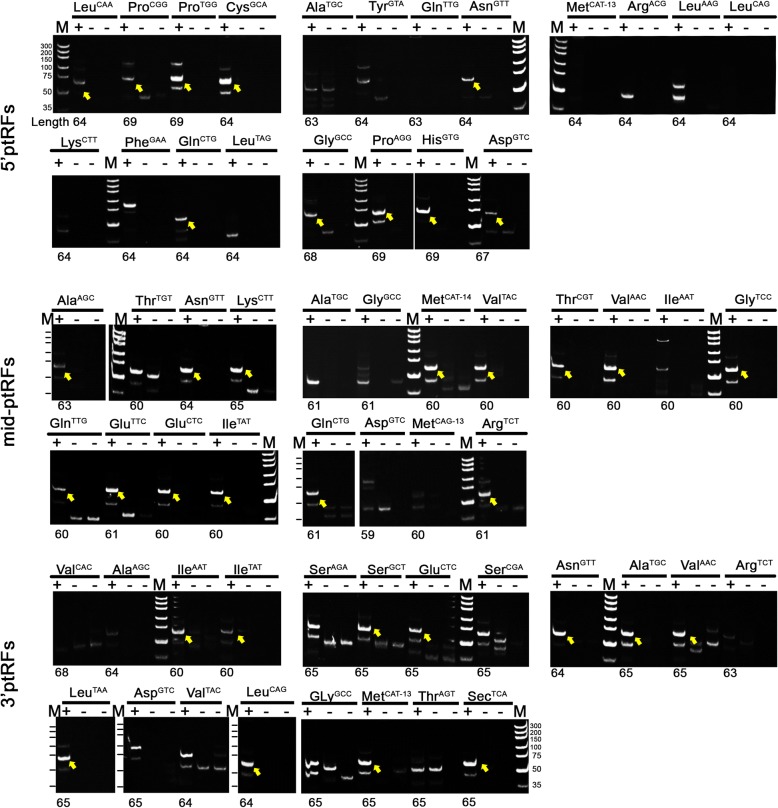
Genome-wide small RNAs with sizes ranging from 18-30 nucleotides from P. falciparum were deep-sequenced via Illumina HiSeq 2000 technology. In-depth analysis revealed the presence of a vast number of small RNAs originating from tRNA-coding genes, responsible for 22.4% of the total reads as the second predominant group. Three P. falciparum-derived tRF types (ptRFs) were identified as 5'ptRFs, mid-ptRFs and 3'ptRFs. The majority (90%) of ptRFs were derived from tRNAs that coded eight amino acids: Pro, Phe, Asn, Gly, Cys, Gln, His and Ala. Stem-loop reverse transcription polymerase chain reaction further confirmed the presence of tRFs in the blood stages of P. falciparum. Four new motifs with an enriched G/C feature were determined at cleavage sites that might guide the generation of ptRFs.
To our knowledge, this is the first report of a genome-wide investigation of ptRFs from Plasmodium species. The identification of ptRFs reveals a complex small RNA system manipulated by the malaria parasite, and might promote research on the function of tRFs in the pathogenesis of Plasmodium infections.
转移 RNA(tRNA)衍生片段(tRFs)在自然界中广泛存在,在多种生物和病理情况下发挥作用。然而,疟原虫属中这些小 RNA 的存在尚不清楚。因此,非常有必要系统地鉴定和描述 tRFs,以进一步了解它们在疟原虫寄生虫中的作用,特别是在恶性疟原虫寄生虫中。
通过 Illumina HiSeq 2000 技术对大小在 18-30 个核苷酸范围内的恶性疟原虫全基因组小分子 RNA 进行了深度测序。深入分析显示,存在大量源自 tRNA 编码基因的小分子 RNA,作为第二主要群体,占总读数的 22.4%。鉴定出三种恶性疟原虫衍生的 tRF 类型(ptRFs):5'ptRFs、mid-ptRFs 和 3'ptRFs。大多数(90%)的 ptRFs 来自编码八种氨基酸的 tRNAs:脯氨酸、苯丙氨酸、天冬酰胺、甘氨酸、半胱氨酸、谷氨酰胺、组氨酸和丙氨酸。茎环反转录聚合酶链反应进一步证实了恶性疟原虫血期 tRFs 的存在。在切割位点处确定了四个具有富集 G/C 特征的新基序,这些基序可能指导 ptRFs 的生成。
据我们所知,这是首次对疟原虫属的 ptRFs 进行全基因组研究的报道。ptRFs 的鉴定揭示了疟原虫操纵的复杂小分子 RNA 系统,可能促进对 tRFs 在疟原虫感染发病机制中功能的研究。