Department of Pathology and Pathophysiology, Provincial Key Discipline of Pharmacology, Jiaxing University Medical College, Jiaxing, Zhejiang Province, PR China,
Department of Pharmaceutical Chemistry, Medical College, Shantou University, Shantou, PR China.
Int J Nanomedicine. 2019 Jan 3;14:339-351. doi: 10.2147/IJN.S190938. eCollection 2019.
Hepatic ischemia/reperfusion-induced pancreatic islet injury (HI/RIPII) was an important pathophysiological phenomenon in clinics. In the present study, we observed the effects of phycocyanin on HI/RIPII. However, the half-life of phycocyanin was extremely short and limited its use in vivo.
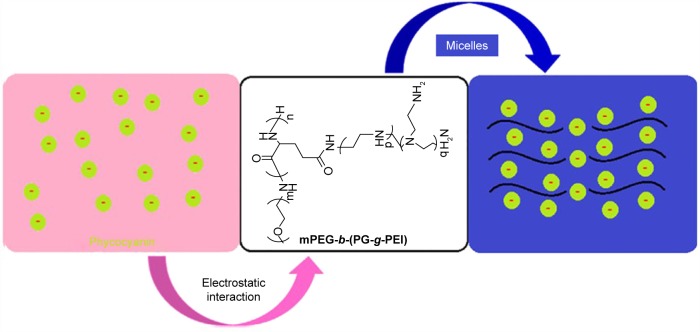
In order to overcome this shortcoming, poly(ethylene glycol)-(poly(l-glutamic acid)--polyethylenimine) (PEG--(PG--PEI)) was synthesized and estimated as a nanocarrier for lengthening delivery of phycocyanin through the abdominal subcutaneous injection in rats. Phycocyanin (isoelectric point=4.3) was encapsulated with PEG--(PG--PEI) via electrostatic interactions at pH 7.4.
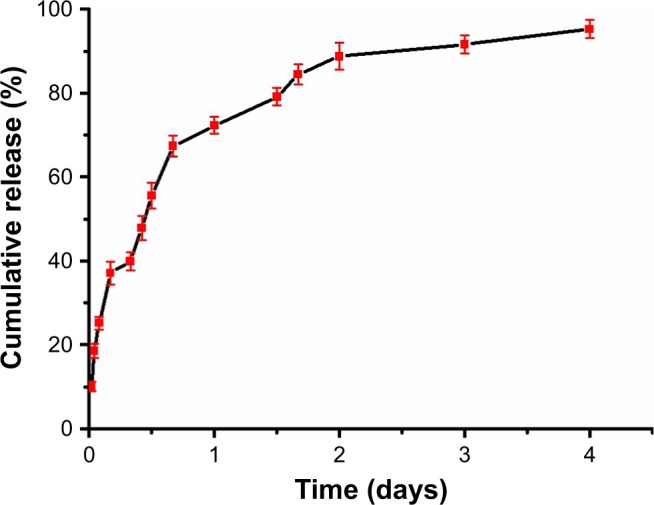
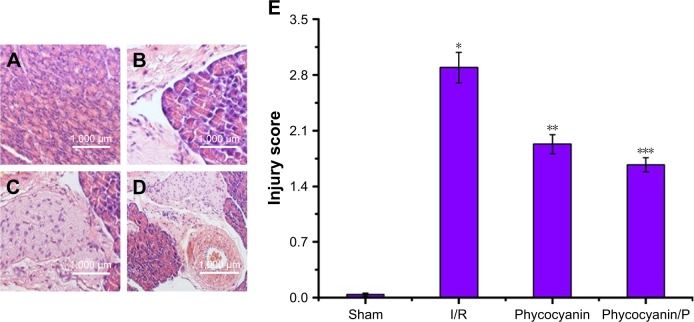
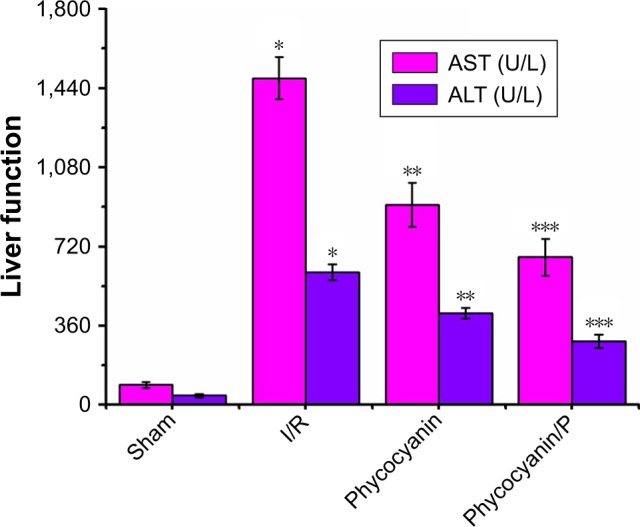
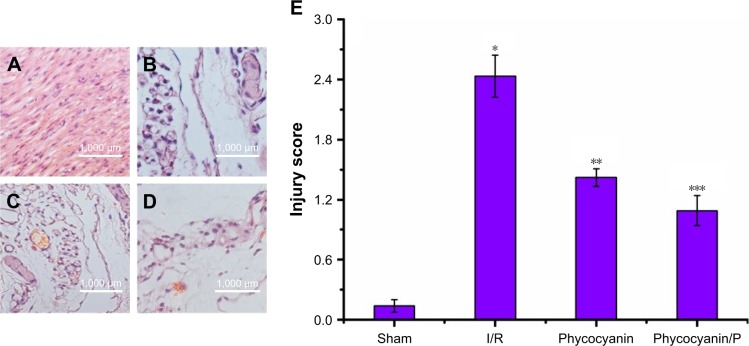
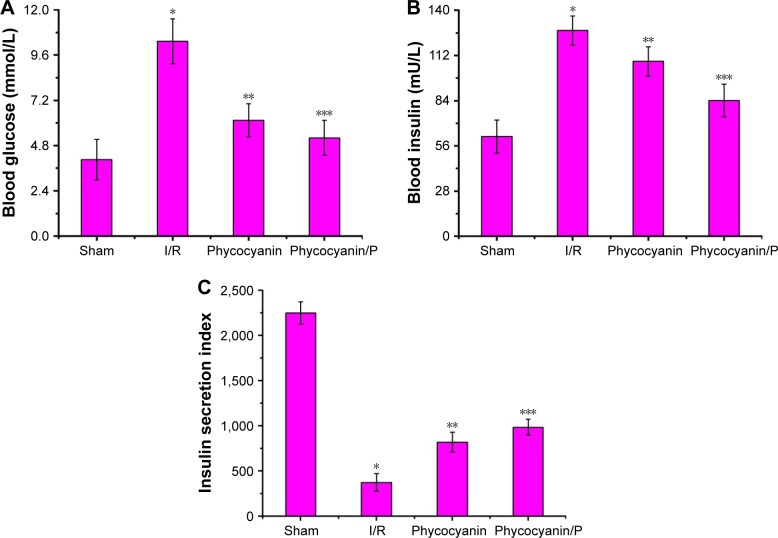
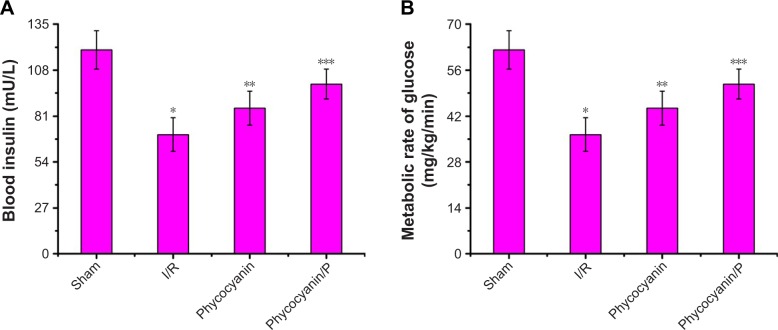
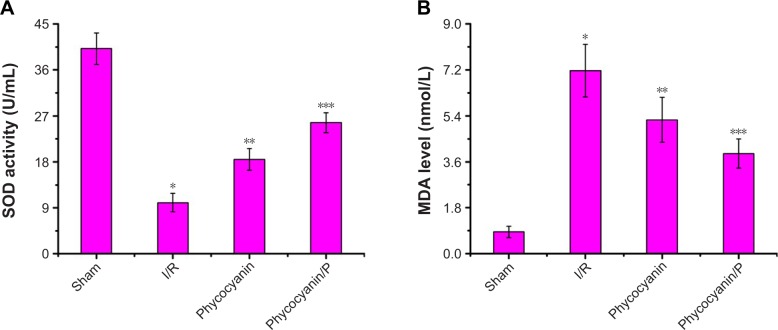
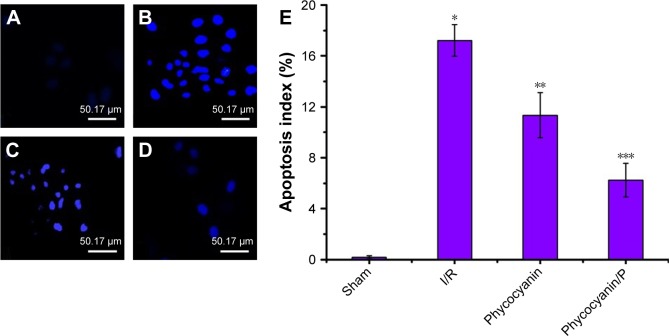
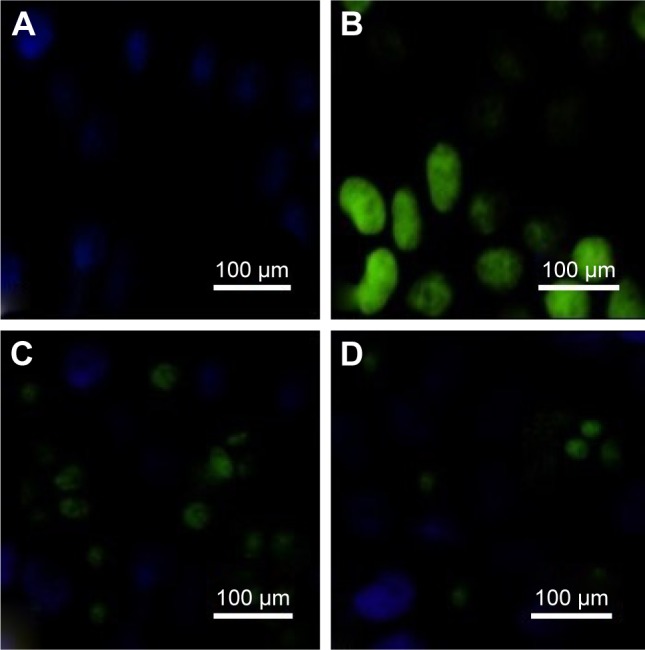
In vitro phycocyanin was fast and efficiently encapsulated and showing efficient loading and sustained release. In vivo the anti-HI/RIPII function of phycocyanin/PEG--(PG--PEI) complex was surveyed in rats using free phycocyanin as the controls, and the results showed that phycocyanin/PEG--(PG--PEI) complex reduced HI/RIPII property and enlarged islet functionality.
These results suggested that PEG--(PG--PEI) might be treated as a potential phycocyanin nanocarrier.
肝缺血/再灌注诱导的胰岛损伤(HI/RIPII)是临床中的一个重要病理生理现象。在本研究中,我们观察了藻蓝蛋白对 HI/RIPII 的影响。然而,藻蓝蛋白的半衰期极短,限制了其在体内的应用。
为了克服这一缺点,合成了聚乙二醇-(聚谷氨酸-聚亚乙基亚胺)(PEG-(PG-PEI)),并将其作为通过腹部皮下注射向大鼠体内输送藻蓝蛋白的纳米载体进行了评估。藻蓝蛋白(等电点=4.3)在 pH 7.4 下通过静电相互作用与 PEG-(PG-PEI)结合。
体外藻蓝蛋白快速高效包封,表现出高效负载和持续释放。体内,以游离藻蓝蛋白为对照,研究了藻蓝蛋白/PEG-(PG-PEI)复合物在大鼠中的抗 HI/RIPII 功能,结果表明,藻蓝蛋白/PEG-(PG-PEI)复合物减轻了 HI/RIPII 特性并扩大了胰岛功能。
这些结果表明,PEG-(PG-PEI)可能被视为一种潜在的藻蓝蛋白纳米载体。