CAS Key Laboratory of Experimental Marine Biology, Institute of Oceanology, Chinese Academy of Sciences, Qingdao, 266071, China.
Laboratory for Marine Biology and Biotechnology, Qingdao National Laboratory for Marine Science and Technology, Qingdao, 266237, China.
Nat Commun. 2019 Jan 21;10(1):356. doi: 10.1038/s41467-018-08197-4.
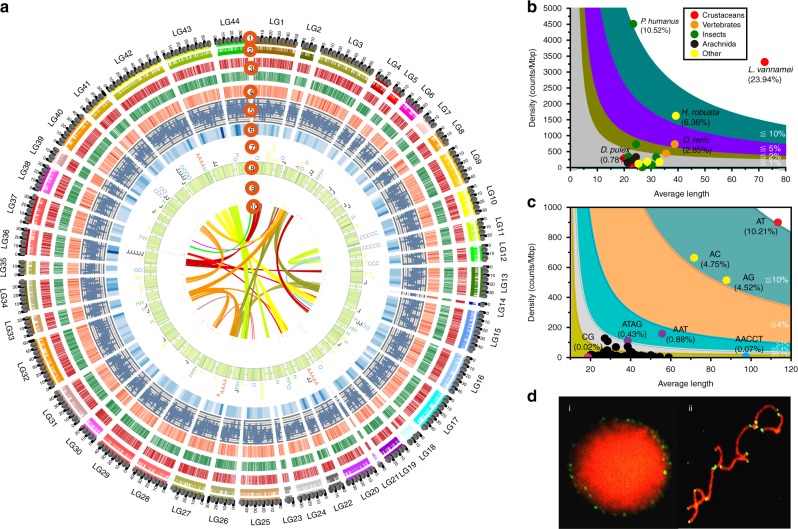
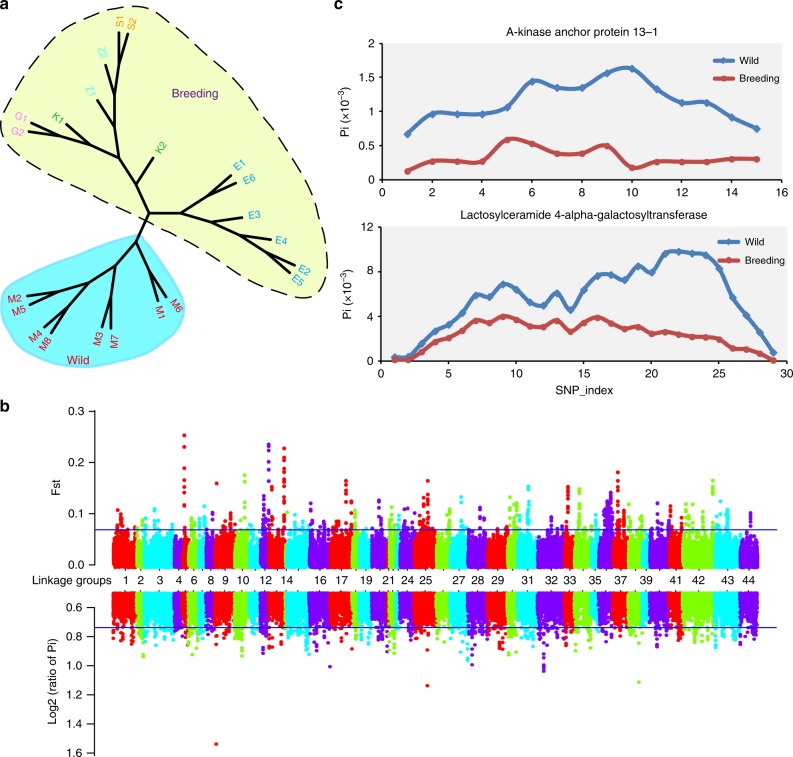
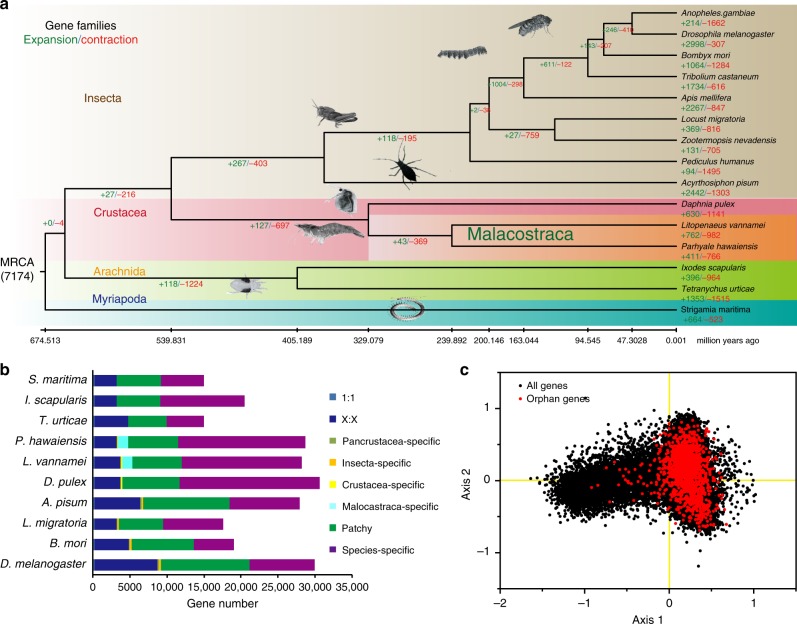
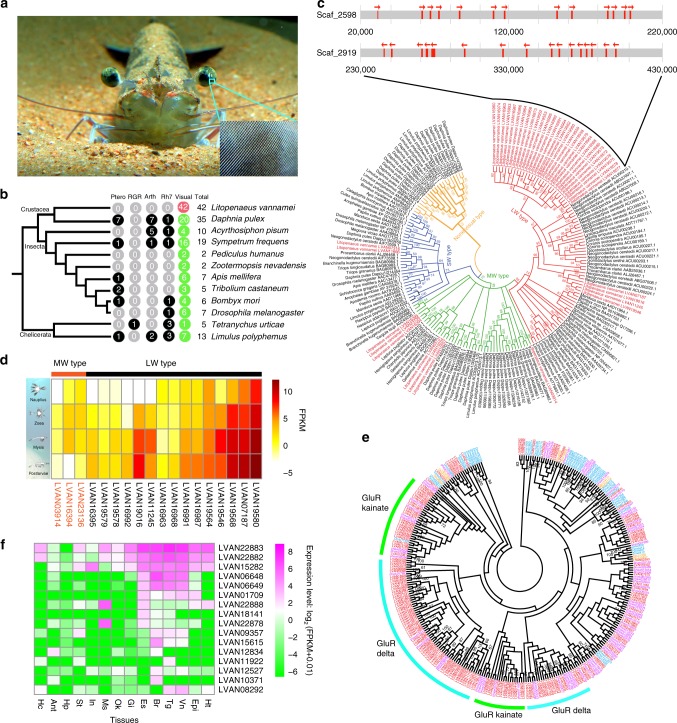
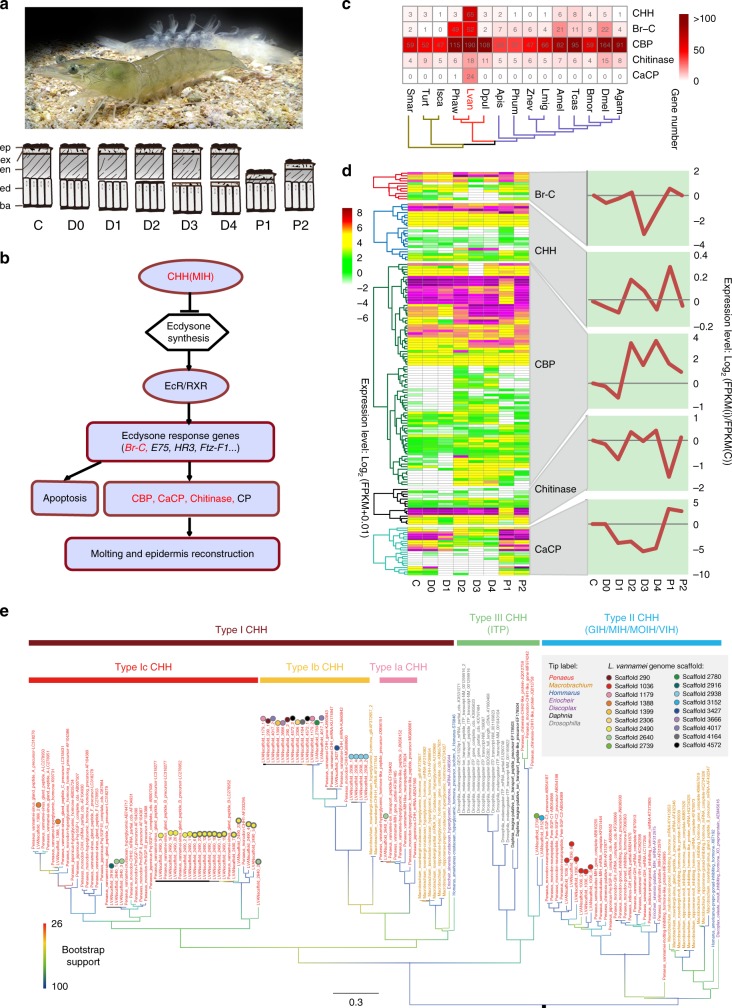
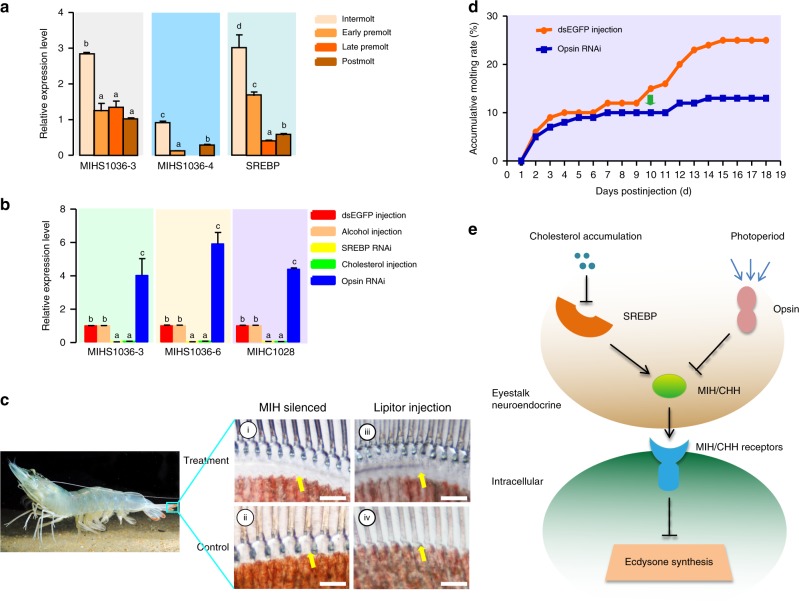
Crustacea, the subphylum of Arthropoda which dominates the aquatic environment, is of major importance in ecology and fisheries. Here we report the genome sequence of the Pacific white shrimp Litopenaeus vannamei, covering ~1.66 Gb (scaffold N50 605.56 Kb) with 25,596 protein-coding genes and a high proportion of simple sequence repeats (>23.93%). The expansion of genes related to vision and locomotion is probably central to its benthic adaptation. Frequent molting of the shrimp may be explained by an intensified ecdysone signal pathway through gene expansion and positive selection. As an important aquaculture organism, L. vannamei has been subjected to high selection pressure during the past 30 years of breeding, and this has had a considerable impact on its genome. Decoding the L. vannamei genome not only provides an insight into the genetic underpinnings of specific biological processes, but also provides valuable information for enhancing crustacean aquaculture.
甲壳动物是节肢动物的一个亚门,在水生环境中占据主导地位,在生态学和渔业中具有重要意义。在这里,我们报告了南美白对虾(Litopenaeus vannamei)的基因组序列,其覆盖了约 16.6Gb(N50 为 605.56Kb)的基因组序列,包含 25596 个蛋白编码基因和大量的简单重复序列(>23.93%)。与视觉和运动相关基因的扩张可能是其底栖适应的核心。虾类频繁的蜕皮可能是通过基因扩张和正选择,强化蜕皮激素信号通路来解释的。作为一种重要的水产养殖生物,南美白对虾在过去 30 年的养殖过程中受到了高强度的选择压力,这对其基因组产生了巨大的影响。解析南美白对虾的基因组不仅为特定生物学过程的遗传基础提供了深入的了解,也为提高甲壳类水产养殖提供了有价值的信息。