Department of Information Engineering and Mathematical Sciences, University of Siena, 53100 Siena SI, Italy.
Sensors (Basel). 2019 Jan 19;19(2):402. doi: 10.3390/s19020402.
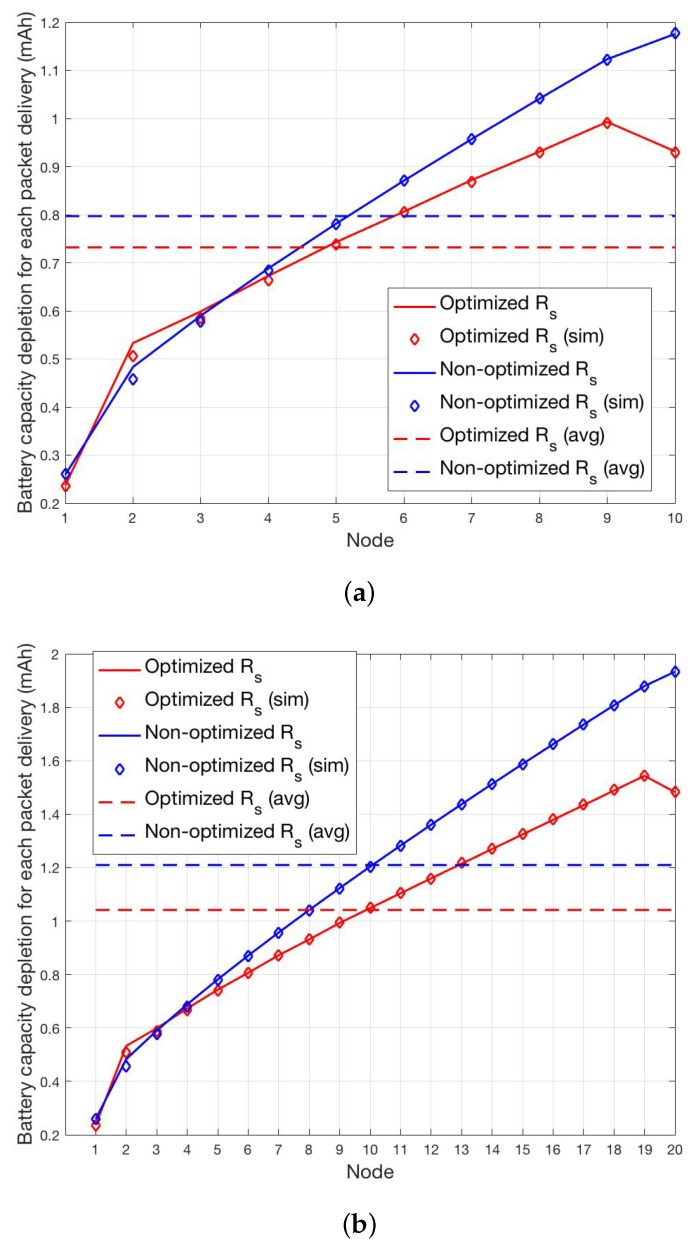
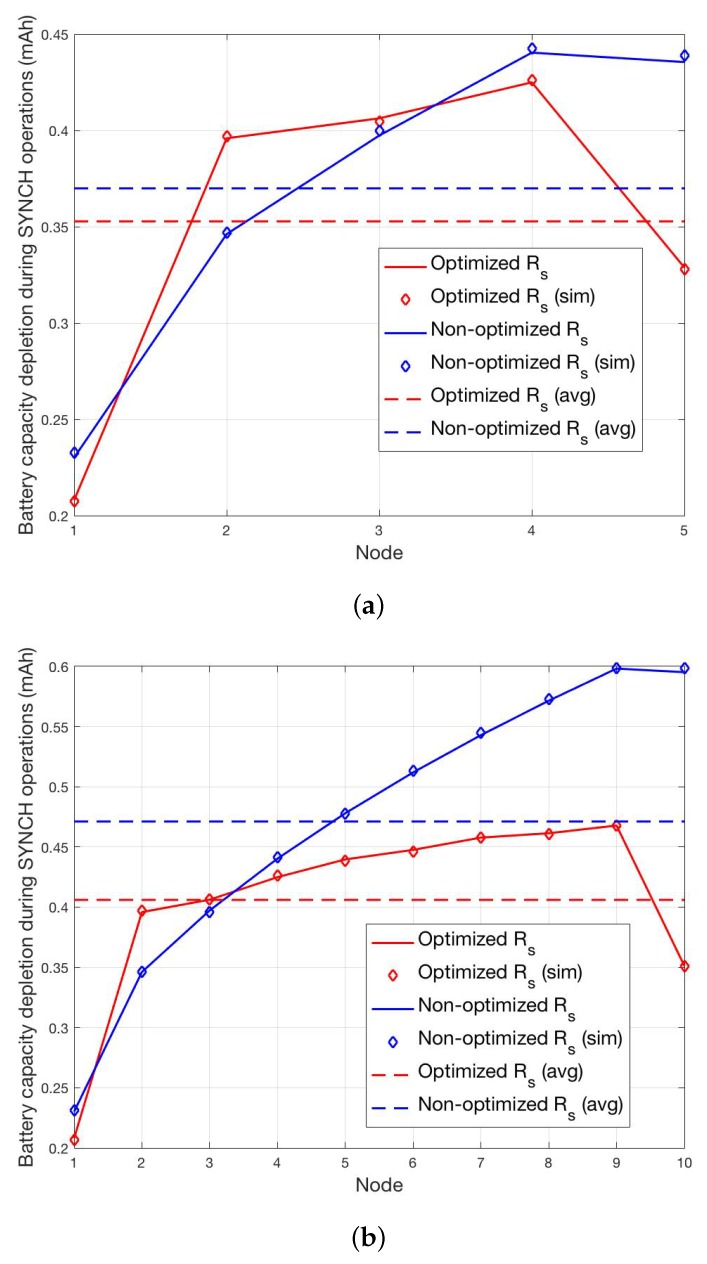
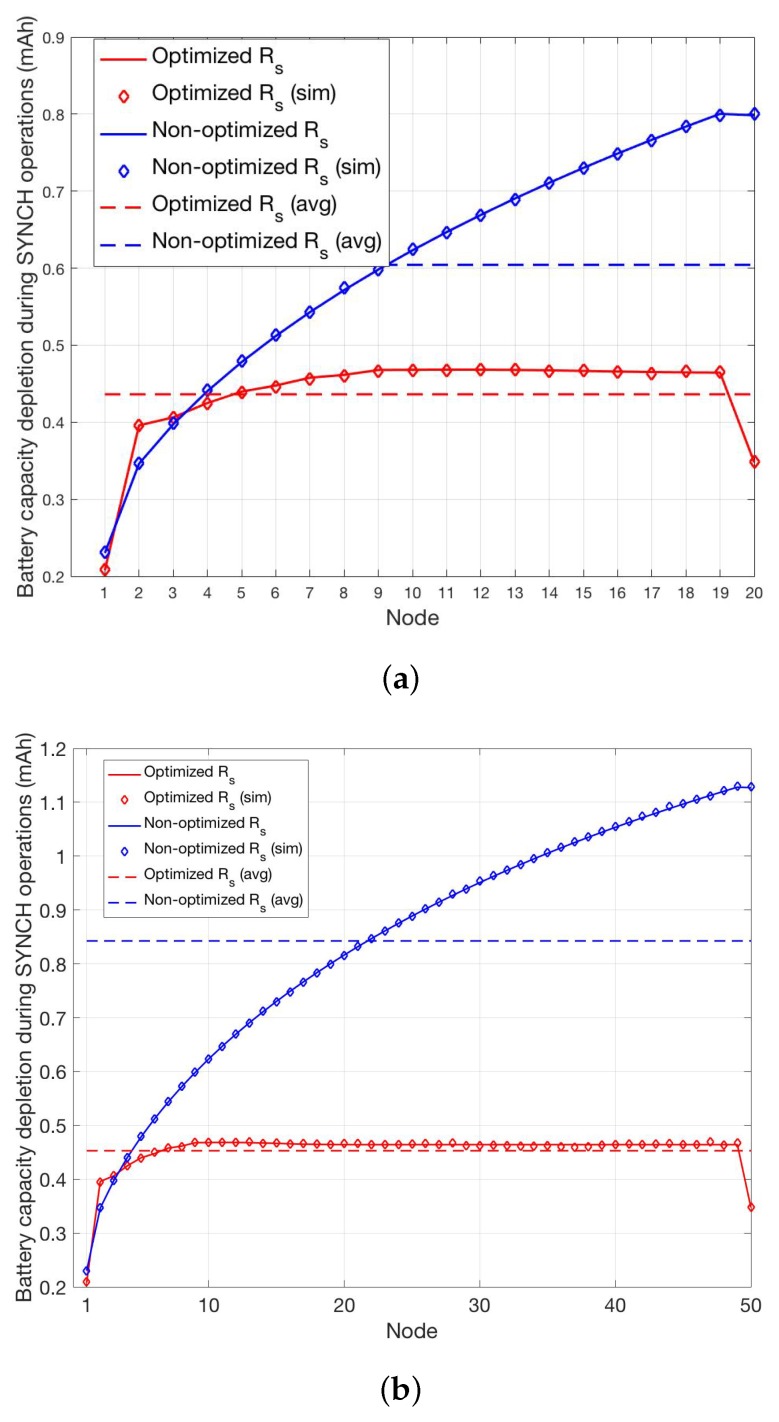
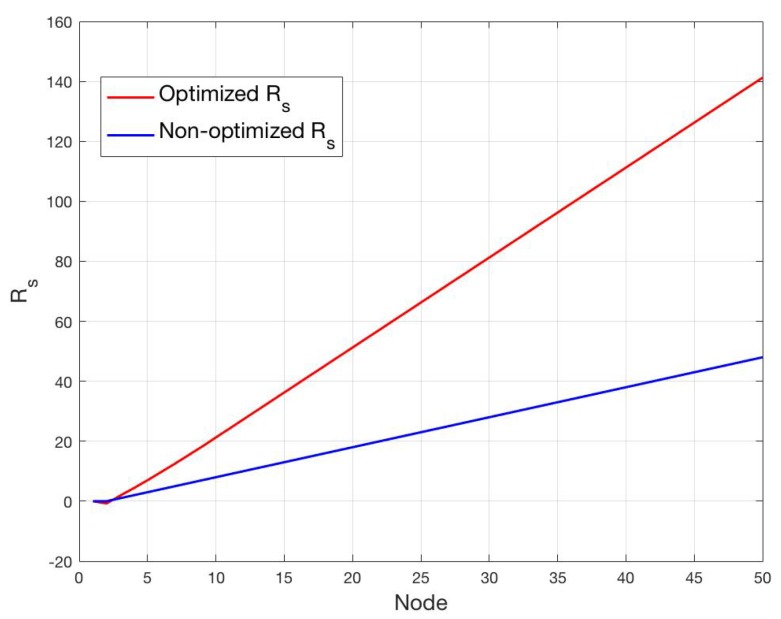
In this paper, a pervasive monitoring system to be deployed in underground environments is presented. The system has been specifically designed for the so-called "Bottini", i.e., the medieval aqueducts dug beneath the Centre of Siena, Italy. The results of a measurement campaign carried out in the deployment scenario show that the transmission range of LoRa (Long Range) technology is limited to a maximum of 200 m, thus, making the adoption of a classical star topology impossible. Hence, a Linear Sensor Network topology is proposed based on multi-hop LoRa chain-type communications. In this scenario, an ad-hoc transmission scheme is presented that optimally evaluates the wake-up time of all nodes with the aim of minimizing the average energy dissipation deriving from clock offsets. Numerical results show that the proposed wake-up time optimization leads in the best case to a 50% reduction in power dissipation with respect to a scheme that evaluates the wake-up time in a non-optimal way.
本文提出了一种将部署在地下环境中的普及监控系统。该系统是专门为所谓的“Bottini”设计的,即意大利锡耶纳市中心下方挖掘的中世纪渡槽。在部署场景中进行的测量活动的结果表明,LoRa(远程)技术的传输范围最多限制在 200 米,因此,采用经典的星型拓扑结构是不可能的。因此,基于多跳 LoRa 链式通信,提出了一种线性传感器网络拓扑结构。在这种情况下,提出了一种自组织传输方案,该方案通过优化所有节点的唤醒时间来最小化时钟偏移引起的平均能耗。数值结果表明,与以非最佳方式评估唤醒时间的方案相比,所提出的唤醒时间优化方案在最佳情况下可将功耗降低 50%。