Coyne Daniel W, Goldsmith David, Macdougall Iain C
Division of Nephrology, Washington University School of Medicine, St. Louis, Missouri, USA.
Renal Unit, Guy's and St. Thomas' Hospital, London, UK.
Kidney Int Suppl (2011). 2017 Dec;7(3):157-163. doi: 10.1016/j.kisu.2017.09.002. Epub 2017 Nov 17.
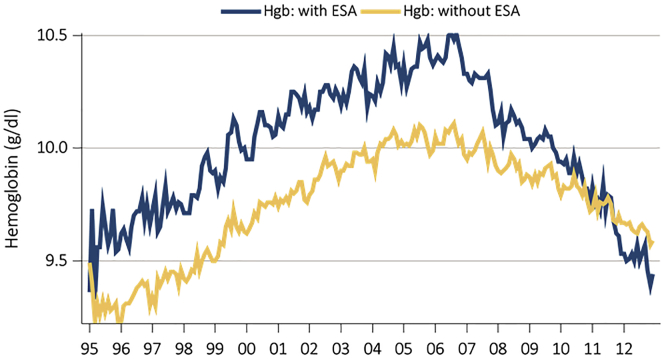
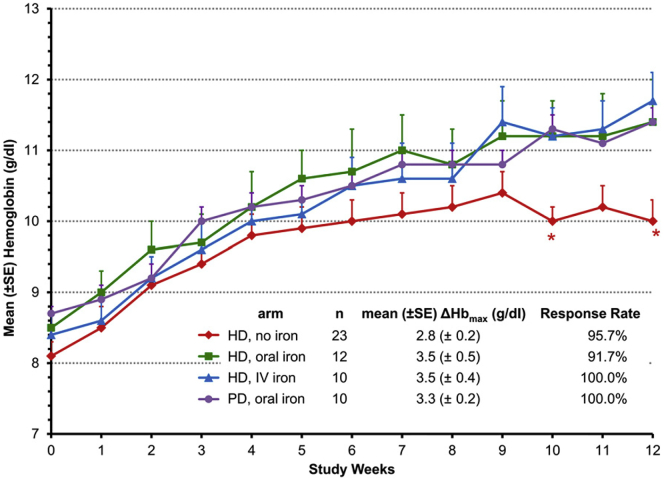
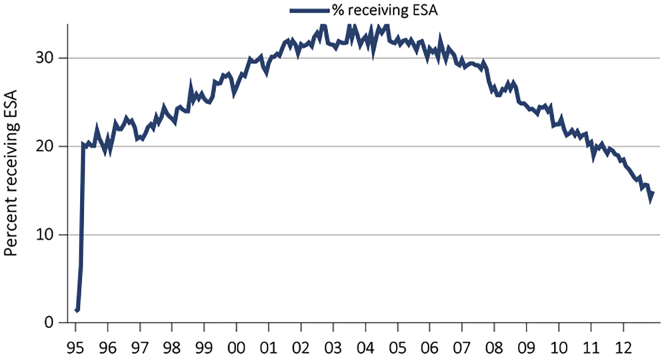
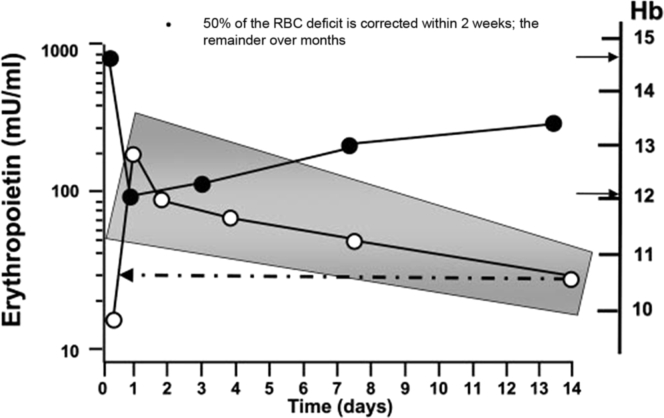
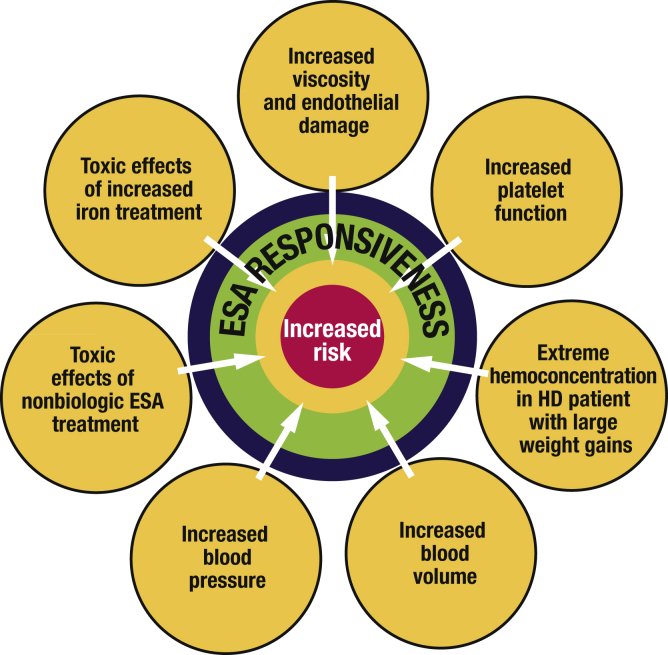
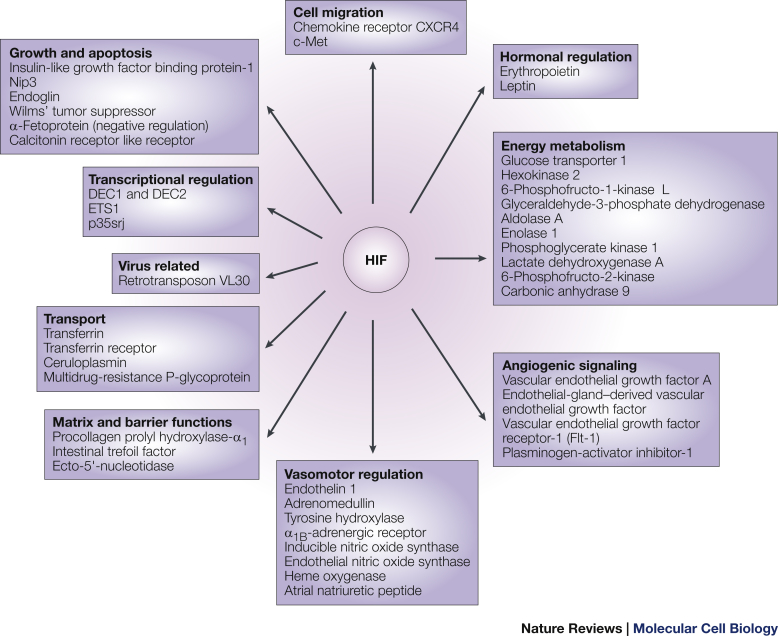
Anemia is a common complication of chronic kidney disease. Use of erythropoiesis-stimulating agents (ESA) has been a mainstay of treatment since 1990. A series of large trials demonstrated that ESAs have serious safety problems, including increasing cardiovascular and thrombotic events, and death. Analyses suggest high pharmacologic doses of ESAs, rather than the highly achieved hemoglobin, may mediate harm. Hypoxia-inducible factor (HIF) activators stimulate endogenous erythropoietin production and enhance iron availability. In early clinical trials, these oral agents appear to be capable of replacing ESA therapy and minimizing the need for i.v. iron therapy for chronic kidney disease-related anemia, while having other potentially advantageous actions. Large phase 3 trials are underway with several HIF activators. This commentary reviews trends in anemia management, the safety issues related to our present therapies, the role of HIF in regulating erythropoiesis, and the diverse actions of HIF activators.
贫血是慢性肾脏病的常见并发症。自1990年以来,使用促红细胞生成素(ESA)一直是治疗的主要手段。一系列大型试验表明,ESA存在严重的安全问题,包括增加心血管和血栓形成事件以及死亡风险。分析表明,高药理剂量的ESA而非达到的高血红蛋白水平可能介导危害。缺氧诱导因子(HIF)激活剂可刺激内源性促红细胞生成素的产生并提高铁的利用率。在早期临床试验中,这些口服药物似乎能够替代ESA治疗,并将慢性肾脏病相关性贫血患者对静脉铁剂治疗的需求降至最低,同时还具有其他潜在的有利作用。目前正在对几种HIF激活剂进行大型3期试验。本述评回顾了贫血管理的趋势、与我们目前治疗方法相关的安全问题、HIF在调节红细胞生成中的作用以及HIF激活剂的多种作用。