Wang Li-Mei, Yi Yang, Yao Yi-Lan, Feng Ge, Shu Chang, Wang Hong-Xun, Zhang Xi-Feng
College of Biological and Pharmaceutical Engineering Wuhan Polytechnic University Wuhan China.
Hubei Key Laboratory for Processing and Transformation of Agricultural Products Wuhan Polytechnic University Wuhan China.
Food Sci Nutr. 2018 Nov 28;7(1):293-301. doi: 10.1002/fsn3.889. eCollection 2019 Jan.
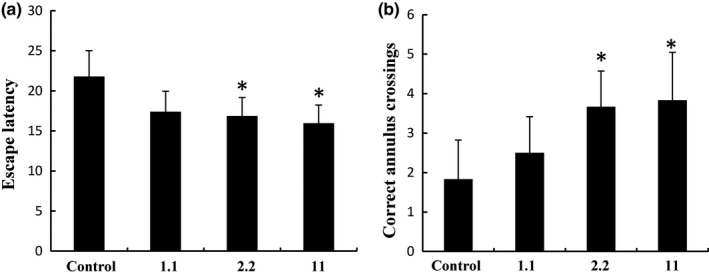
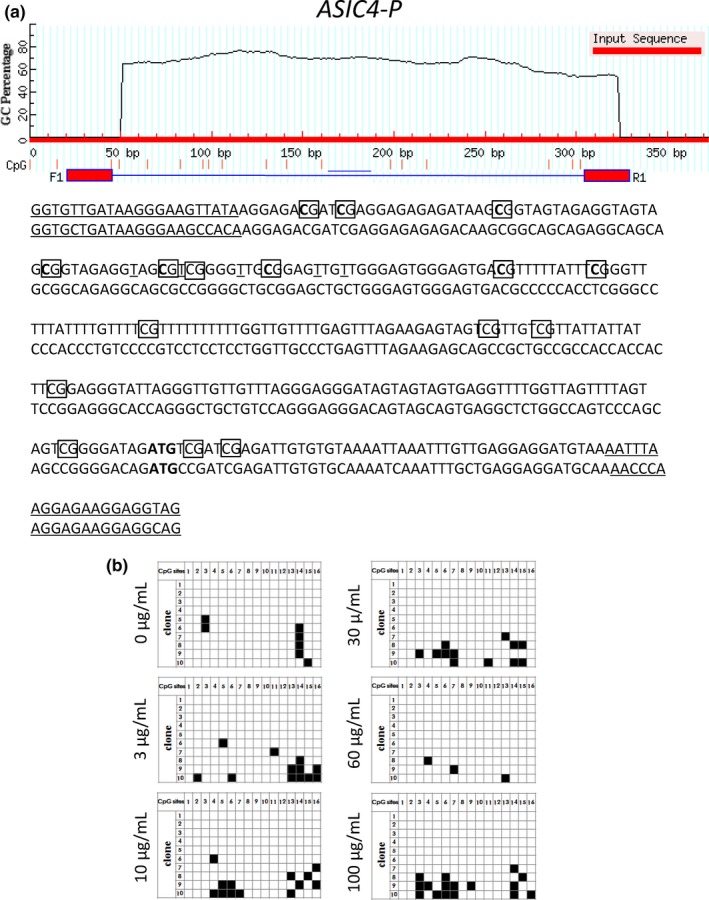
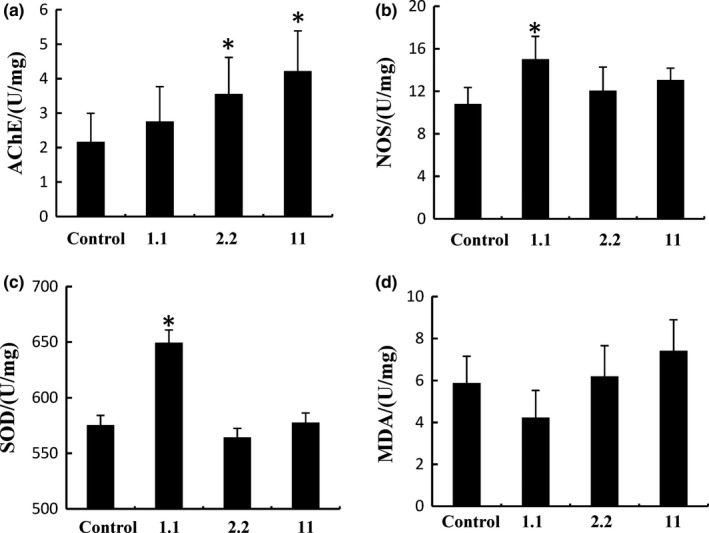
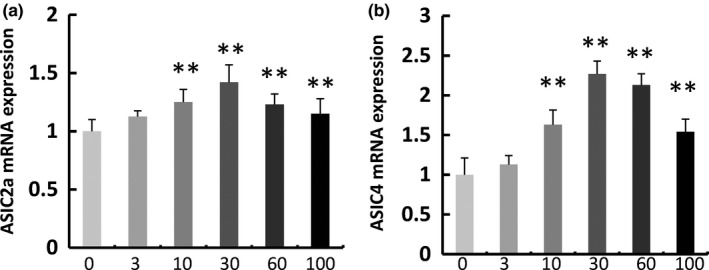
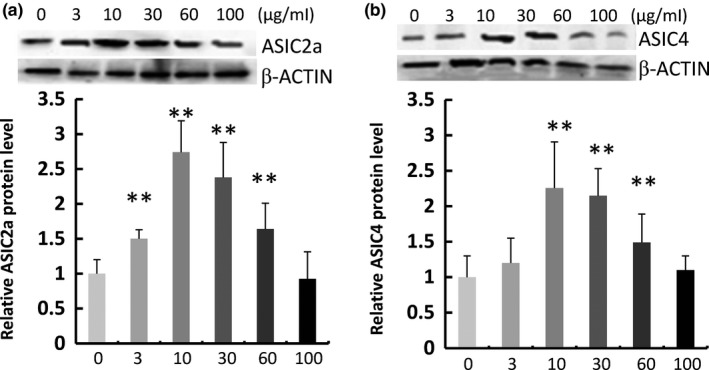
Although Walnut oil (WO) has been reported to enhance cognitive function, the underlying molecular mechanisms are not well understood. This study was designed to assess the effects of WO on spatial memory in rats through modulation of the expression of acid-sensing ion channel genes, and . To investigate the effect of WO on cognitive performance, we supplemented the diet of female rats with WO. The results showed that supplementation with WO at doses of 2.2 and 11 g kg day significantly improved learning and memory. In vitro treatment of rat hippocampal neuronal cells with appropriate doses of WO revealed a significant increase in the expression of and 4 in a dose-dependent manner at both the mRNA and protein levels. We conclude that WO intake might help to prevent cognitive decline, particularly in the elderly, and that ASIC genes in neurons can be the targets of compounds contained in the oil.
尽管据报道核桃油(WO)可增强认知功能,但其潜在的分子机制尚不清楚。本研究旨在通过调节酸敏感离子通道基因的表达来评估核桃油对大鼠空间记忆的影响。为了研究核桃油对认知能力的影响,我们在雌性大鼠的饮食中添加了核桃油。结果表明,每天以2.2克/千克和11克/千克的剂量补充核桃油可显著改善学习和记忆能力。用适当剂量的核桃油对大鼠海马神经元细胞进行体外处理后发现,在mRNA和蛋白质水平上,和4的表达均呈剂量依赖性显著增加。我们得出结论,摄入核桃油可能有助于预防认知能力下降,尤其是在老年人中,并且神经元中的酸敏感离子通道基因可能是核桃油中所含化合物的作用靶点。