Tarazona-Álvarez Pablo, Pellicer-Chover Hilario, Tarazona-Álvarez Beatriz, Peñarrocha-Oltra David, Peñarrocha-Diago María
DDS. Master in Oral Surgery and Implantology. University of Valencia Medical and Dental School.
DDS, PhD. Assistant Professor of Orthodontics. University of Valencia Medical and Dental School.
J Clin Exp Dent. 2019 Jan 1;11(1):e27-e32. doi: 10.4317/jced.55294. eCollection 2019 Jan.
The surgical removal of an impacted third molar can cause patient anxiety. Such anxiety and the use of vasoconstrictor drugs and local anesthetics in turn can induce hemodynamic variations during the operation. A study is made of the variations in hemodynamic parameters (systolic and diastolic blood pressure and heart rate) and their correlation to patient gender and anxiety during surgical removal of an impacted lower third molar.
A prospective study was carried out in the Oral Surgery Unit of a university clinic, with the inclusion of 125 patients (mean age 24.9 years). Anesthesia was administered in the form of 4% articaine and adrenalin 1:200,000 for surgical removal of the impacted lower third molars.
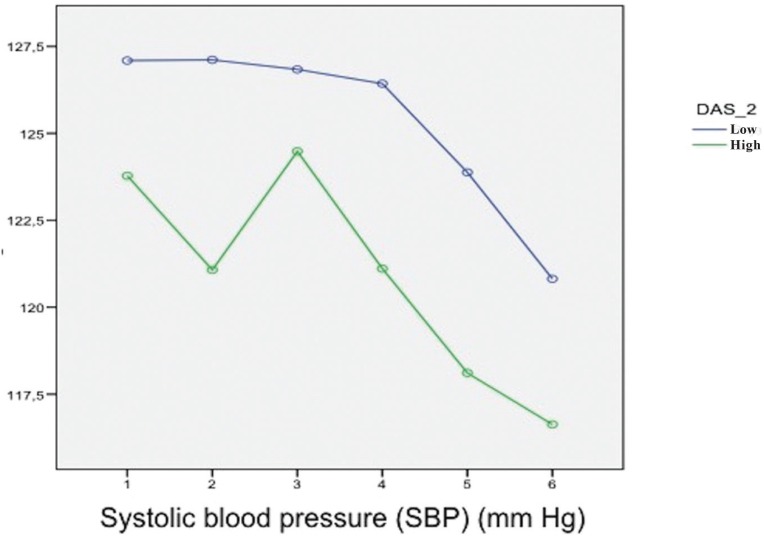
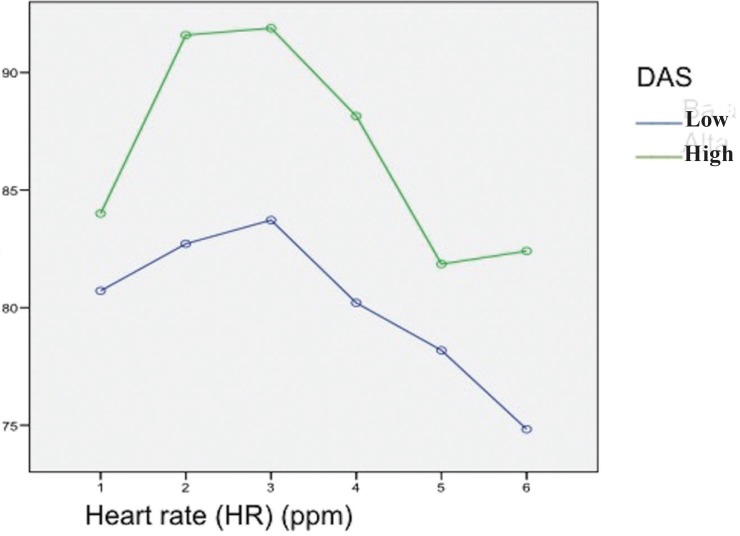
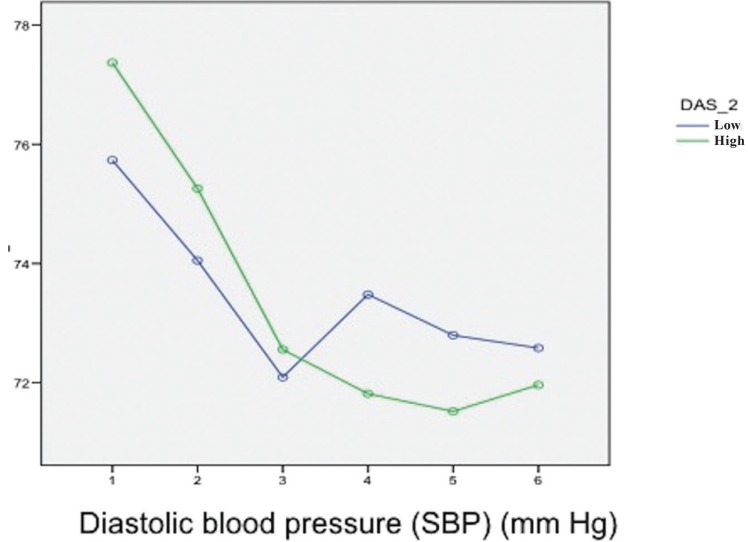
Women experienced greater anxiety than men. Systolic blood pressure showed few changes - the maximum and minimum values being recorded at the time of incision and upon suturing, respectively. Diastolic blood pressure in turn showed maximum and minimum values before the start of surgery and during extraction, respectively, while heart rate proved maximum during incision and minimum upon suturing. The differences in systolic and diastolic blood pressure, and heart rate, between men and women, and between patients with and without anxiety, failed to reach statistical significance.
The fact that these were young patients could contribute to explain the absence of significant hemodynamic changes in our study. Anxiety, third molars, extraction, surgery.
拔除阻生第三磨牙的手术会引起患者焦虑。这种焦虑以及血管收缩药物和局部麻醉剂的使用反过来又会在手术过程中诱发血流动力学变化。本研究旨在探讨拔除下颌阻生第三磨牙手术过程中血流动力学参数(收缩压、舒张压和心率)的变化及其与患者性别和焦虑的相关性。
在一所大学诊所的口腔外科进行了一项前瞻性研究,纳入125例患者(平均年龄24.9岁)。采用4%阿替卡因和1:200,000肾上腺素进行麻醉,以拔除下颌阻生第三磨牙。
女性比男性更焦虑。收缩压变化不大,最大值和最小值分别记录在切开时和缝合时。舒张压的最大值和最小值分别出现在手术开始前和拔牙过程中,而心率在切开时最高,缝合时最低。男性与女性之间、有焦虑与无焦虑患者之间的收缩压、舒张压和心率差异均未达到统计学意义。
这些患者较为年轻这一事实可能有助于解释本研究中未出现显著血流动力学变化的原因。焦虑、第三磨牙、拔牙、手术。