Agricultural College, State Key Laboratory of Subtropical Bioresources Conservation and Utilization, Guangxi University, Nanning 530005, China.
Guangxi Key Laboratory of Sugarcane Genetic Improvement, Key Laboratory of Sugarcane Biotechnology and Genetic Improvement (Guangxi), Ministry of Agriculture, Sugarcane Research Center, Chinese Academy of Agricultural Sciences; Sugarcane Research Institute, Guangxi Academy of Agricultural Sciences, Nanning 530007, China.
Int J Mol Sci. 2019 Jan 29;20(3):569. doi: 10.3390/ijms20030569.
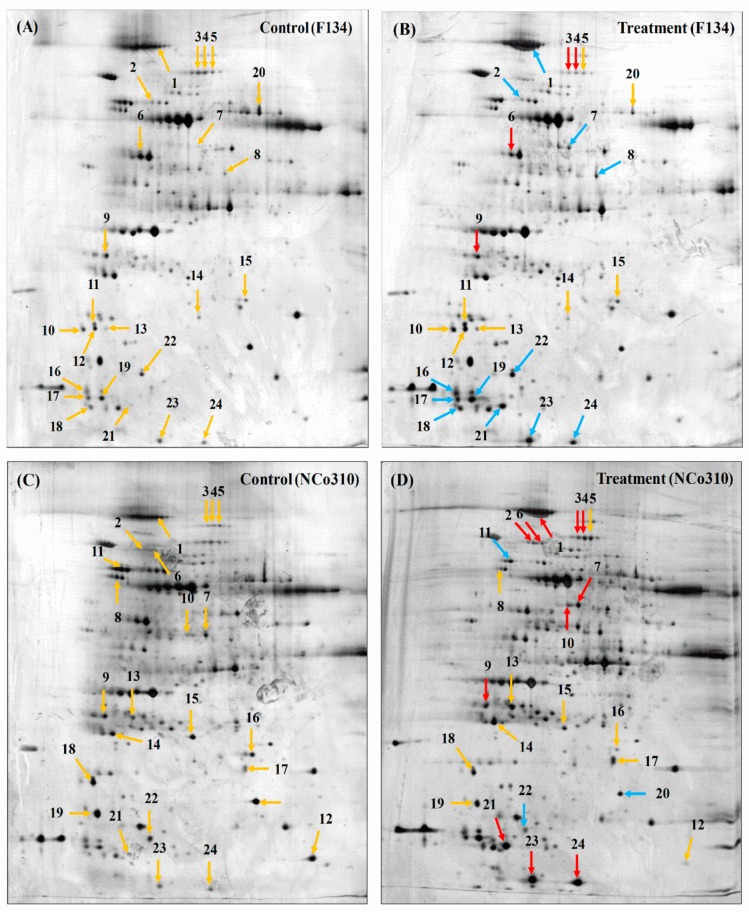
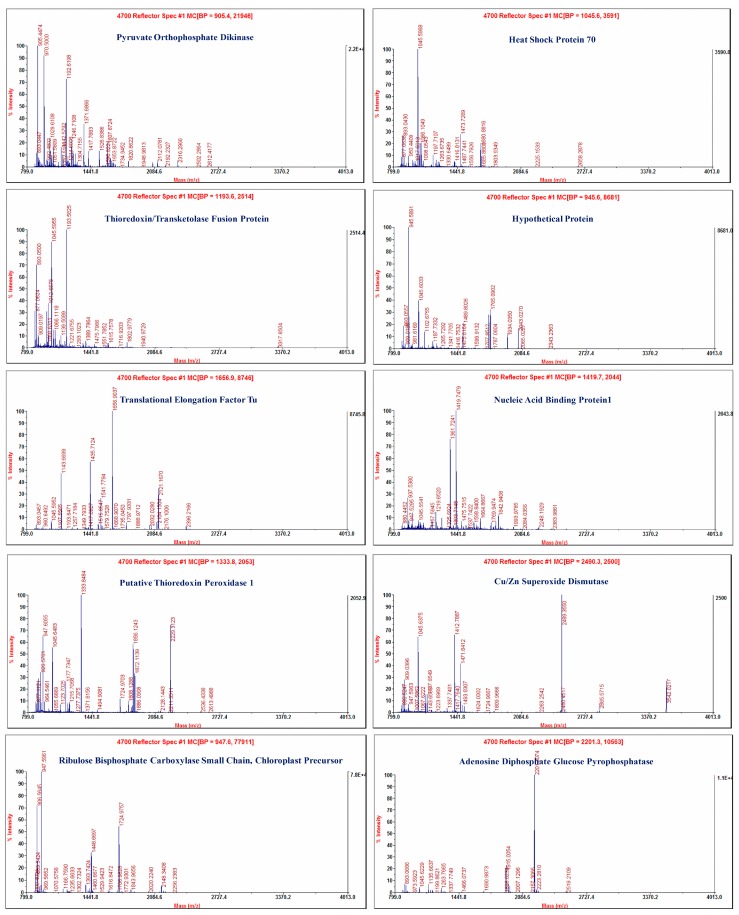
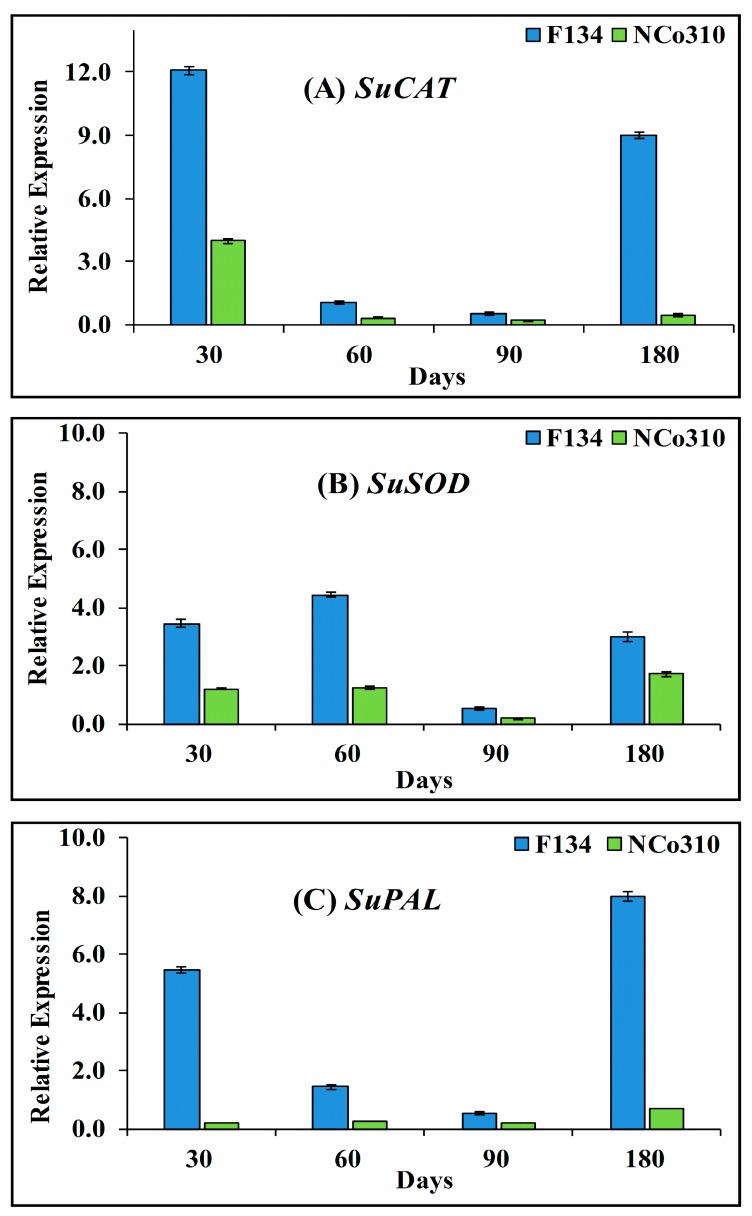
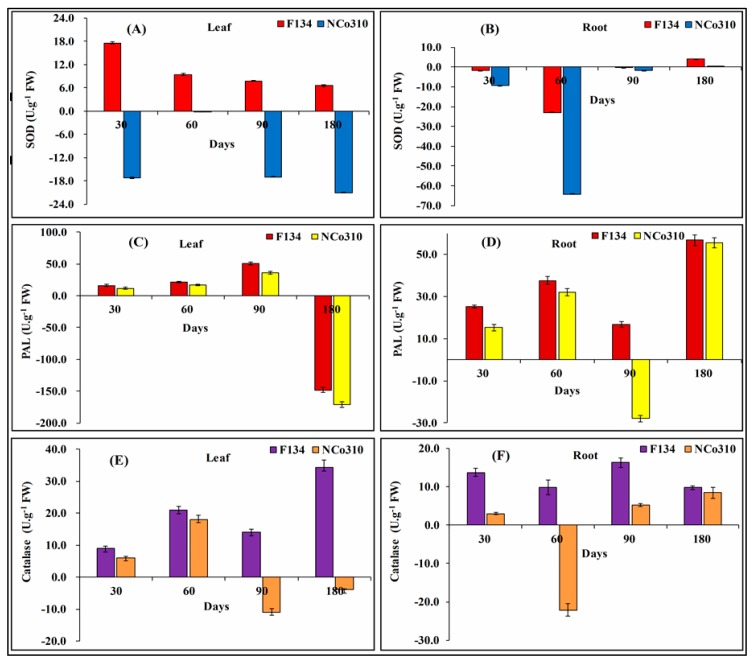
Smut disease is caused by , an important sugarcane fungal pathogen causing an extensive loss in yield and sugar quality. The available literature suggests that there are two types of smut resistance mechanisms: external resistance by physical or chemical barriers and intrinsic internal resistance mechanisms operating at host⁻pathogen interaction at cellular and molecular levels. The nature of smut resistance mechanisms, however, remains largely unknown. The present study investigated the changes in proteome occurring in two sugarcane varieties with contrasting susceptibility to smut-F134 and NCo310-at whip development stage after infection. Total proteins from pathogen inoculated and uninoculated (control) leaves were separated by two-dimensional gel electrophoresis (2D-PAGE). Protein identification was performed using BLASTp and tBLASTn against NCBI nonredundant protein databases and EST databases, respectively. A total of thirty proteins spots representing differentially expressed proteins (DEPs), 16 from F134 and 14 from NCo310, were identified and analyzed by MALDI-TOF/TOF MS. In F134, 4 DEPs were upregulated and nine were downregulated, while, nine were upregulated and three were downregulated in NCo310. The DEPs were associated with DNA binding, metabolic processes, defense, stress response, photorespiration, protein refolding, chloroplast, nucleus and plasma membrane. Finally, the expression of CAT, SOD, and PAL with recognized roles in infection in both sugarcane verities were analyzed by real-time quantitative PCR (RT-qPCR) technique. Identification of genes critical for smut resistance in sugarcane will increase our knowledge of -sugarcane interaction and help to develop molecular and conventional breeding strategies for variety improvement.
黑粉病由引起,是一种重要的甘蔗真菌病原体,会导致产量和糖分质量的大量损失。现有文献表明,黑粉病抗性机制有两种类型:物理或化学屏障的外部抗性和在宿主-病原体相互作用的细胞和分子水平上发挥作用的内在内部抗性机制。然而,黑粉病抗性机制的性质在很大程度上仍然未知。本研究在鞭状期调查了两个对黑粉病具有不同易感性的甘蔗品种(F134 和 NCo310)在感染后叶片中蛋白质组的变化。用双向凝胶电泳(2D-PAGE)分离接种和未接种(对照)叶片的总蛋白。使用 BLASTp 和 tBLASTn 分别针对 NCBI 非冗余蛋白质数据库和 EST 数据库进行蛋白质鉴定。共鉴定和分析了 30 个代表差异表达蛋白(DEP)的蛋白斑点,其中 F134 有 16 个,NCo310 有 14 个。F134 中有 4 个 DEP 上调,9 个下调,而 NCo310 中有 9 个上调,3 个下调。DEPs 与 DNA 结合、代谢过程、防御、应激反应、光呼吸、蛋白质重折叠、叶绿体、细胞核和质膜有关。最后,通过实时定量 PCR(RT-qPCR)技术分析了两种甘蔗品种中在感染中具有公认作用的 CAT、SOD 和 PAL 的表达。鉴定与甘蔗黑粉病抗性相关的关键基因将增加我们对 -甘蔗相互作用的认识,并有助于开发分子和常规育种策略以改良品种。