School of Chemical Sciences and the National Institute for Cellular Biotechnology, Dublin City University, Glasnevin, Dublin 9, Ireland.
Department of Chemistry, Virginia Commonwealth University, Richmond, VA 23284-2006, USA.
Chem Soc Rev. 2019 Feb 18;48(4):971-988. doi: 10.1039/c8cs00157j.
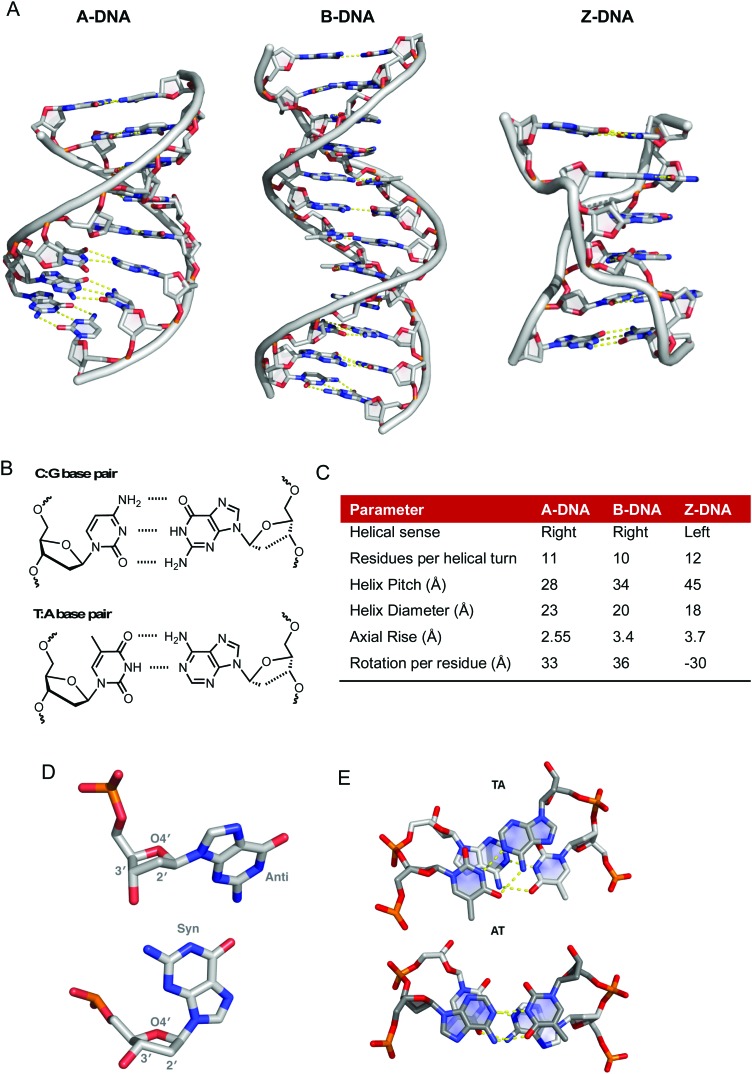
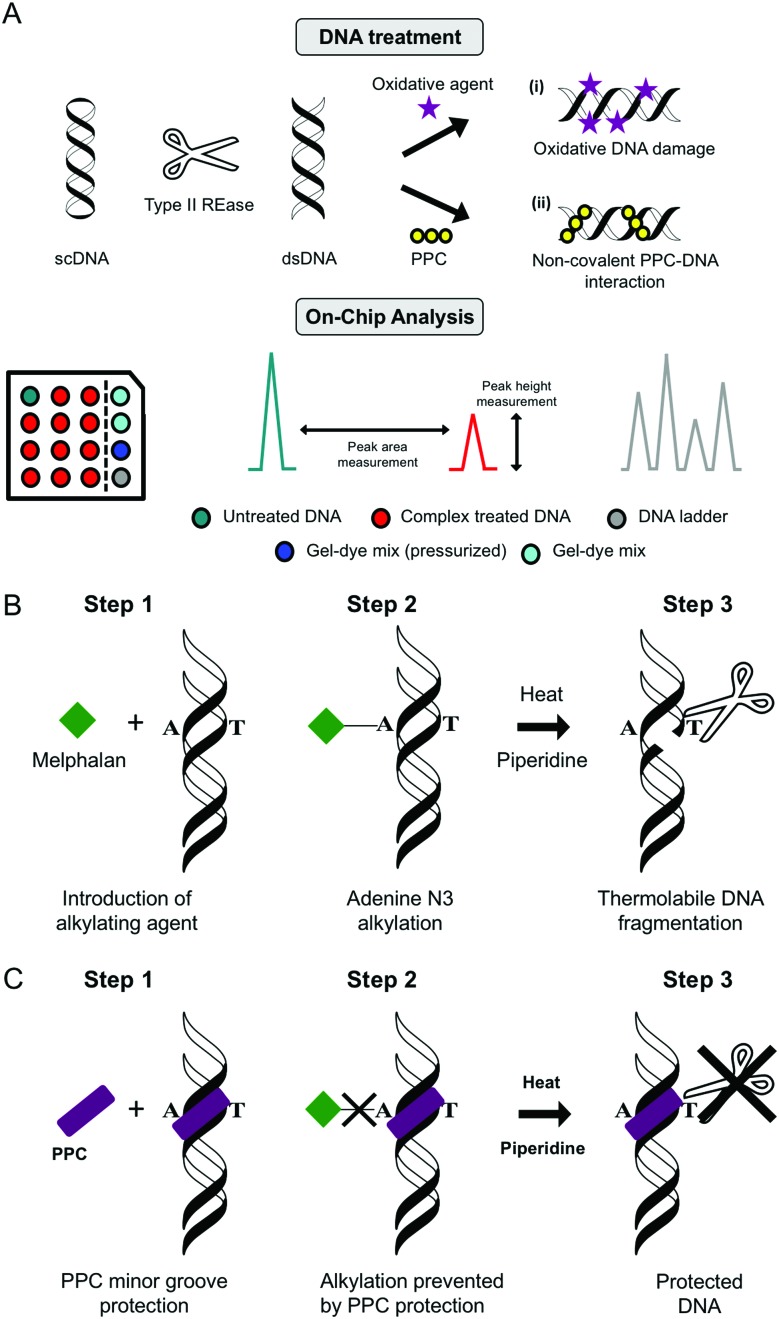
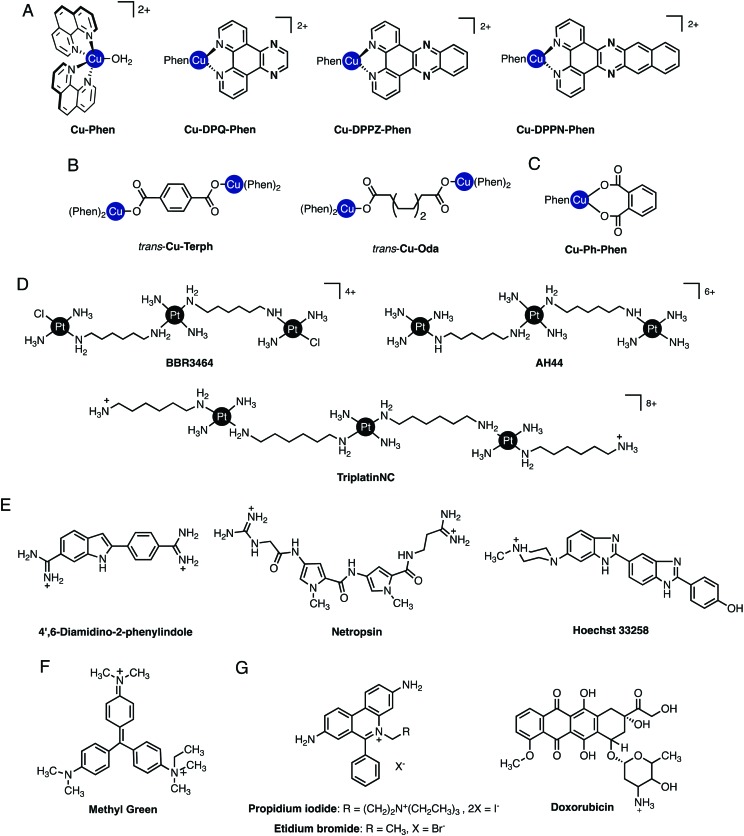
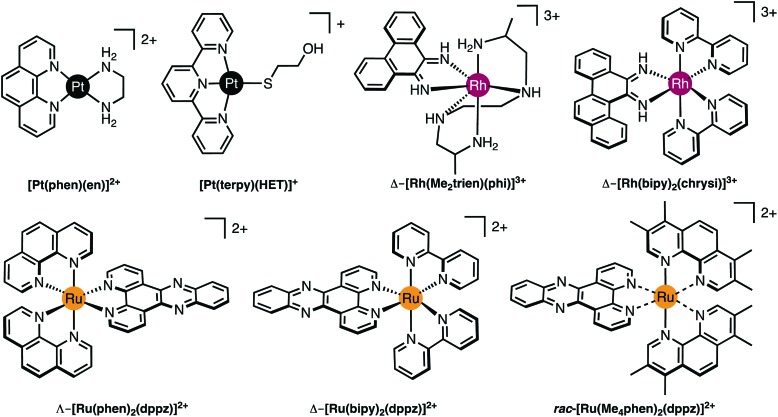
The binding of small molecule metallodrugs to discrete regions of nucleic acids is an important branch of medicinal chemistry and the nature of these interactions, allied with sequence selectivity, forms part of the backbone of modern medicinal inorganic chemistry research. In this tutorial review we describe a range of molecular methods currently employed within our laboratories to explore novel metallodrug-DNA interactions. At the outset, an introduction to DNA from a structural perspective is provided along with descriptions of non-covalent DNA recognition focusing on intercalation, insertion, and phosphate binding. Molecular methods, described from a non-expert perspective, to identify non-covalent and pre-associative nucleic acid recognition are then demonstrated using a variety of techniques including direct (non-optical) and indirect (optical) methods. Direct methods include: X-ray crystallography; NMR spectroscopy; mass spectrometry; and viscosity while indirect approaches detail: competitive inhibition experiments; fluorescence and absorbance spectroscopy; circular dichroism; and electrophoresis-based techniques. For each method described we provide an overview of the technique, a detailed examination of results obtained and relevant follow-on of advanced biophysical/analytical techniques. To achieve this, a selection of relevant copper(ii) and platinum(ii) complexes developed within our laboratories are discussed and are compared, where possible, to classical DNA binding agents. Applying these molecular methods enables us to determine structure-activity factors important to rational metallodrug design. In many cases, combinations of molecular methods are required to comprehensively elucidate new metallodrug-DNA interactions and, from a drug discovery perspective, coupling this data with cellular responses helps to inform understanding of how metallodrug-DNA binding interactions manifest cytotoxic action.
小分子金属药物与核酸离散区域的结合是医学化学的一个重要分支,这些相互作用的性质,以及序列选择性,构成了现代医学无机化学研究的基础。在本教程综述中,我们描述了目前在我们实验室中用于探索新型金属药物-DNA 相互作用的一系列分子方法。首先,从结构的角度介绍 DNA,并描述非共价 DNA 识别,重点是嵌入、插入和磷酸结合。然后,从非专业人士的角度描述了分子方法,以使用各种技术(包括直接(非光学)和间接(光学)方法)来鉴定非共价和预缔合核酸识别。直接方法包括:X 射线晶体学;NMR 光谱学;质谱;和粘度;而间接方法详细描述了:竞争性抑制实验;荧光和吸收光谱;圆二色性;和基于电泳的技术。对于描述的每种方法,我们提供了技术概述、对获得的结果的详细检查以及对先进生物物理/分析技术的相关后续。为了实现这一点,讨论了我们实验室开发的一些相关的铜(ii)和铂(ii)配合物,并在可能的情况下将其与经典的 DNA 结合剂进行了比较。应用这些分子方法使我们能够确定对合理金属药物设计重要的结构活性因素。在许多情况下,需要结合使用分子方法来全面阐明新的金属药物-DNA 相互作用,并且从药物发现的角度来看,将这些数据与细胞反应相结合有助于了解金属药物-DNA 结合相互作用如何表现出细胞毒性作用。