MRC Human Immunology Unit, Weatherall Institute of Molecular Medicine, University of Oxford, Oxford, UK.
Primary Immunodeficiency Group, Institute of Cellular Medicine, Newcastle University, Newcastle upon Tyne, UK.
Nat Immunol. 2019 Mar;20(3):350-361. doi: 10.1038/s41590-018-0295-8. Epub 2019 Feb 4.
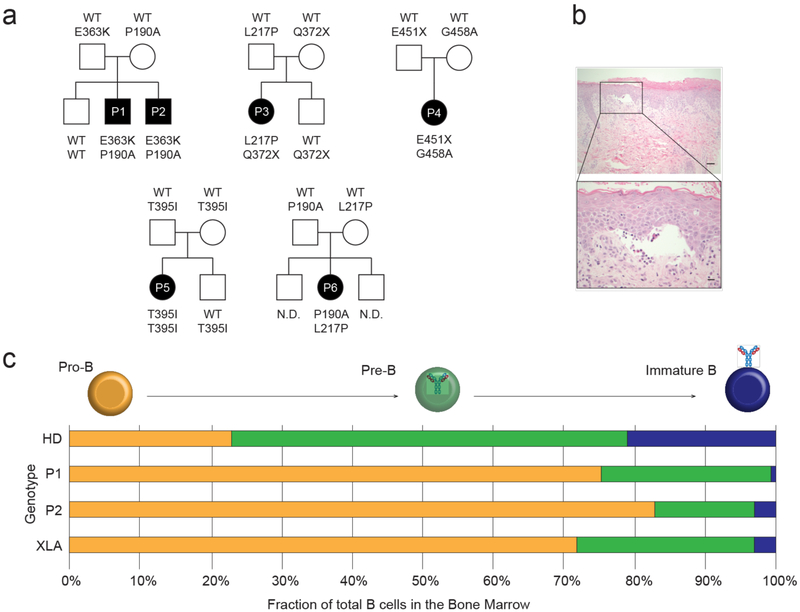
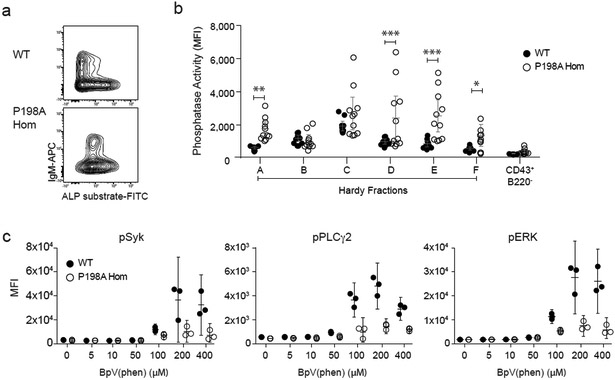
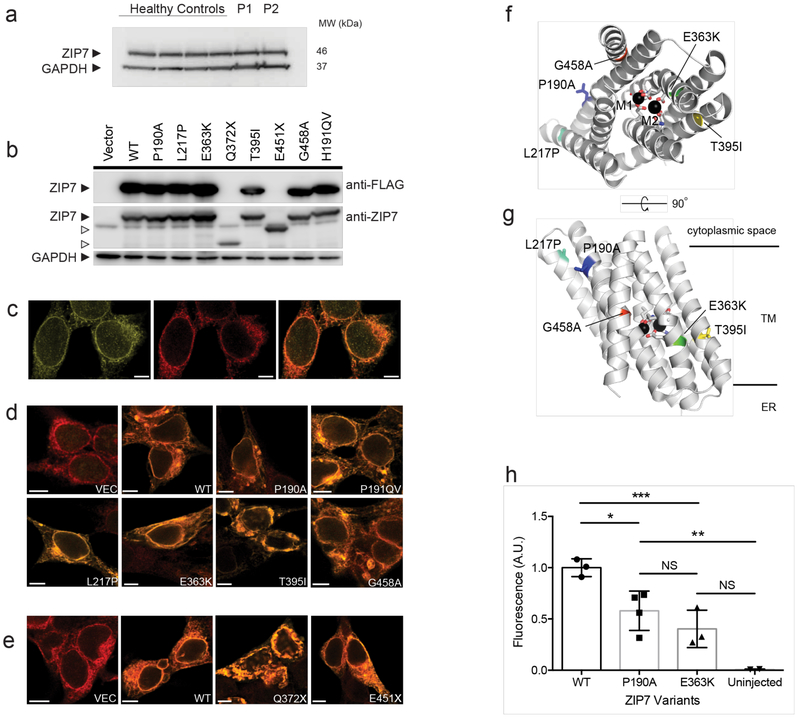
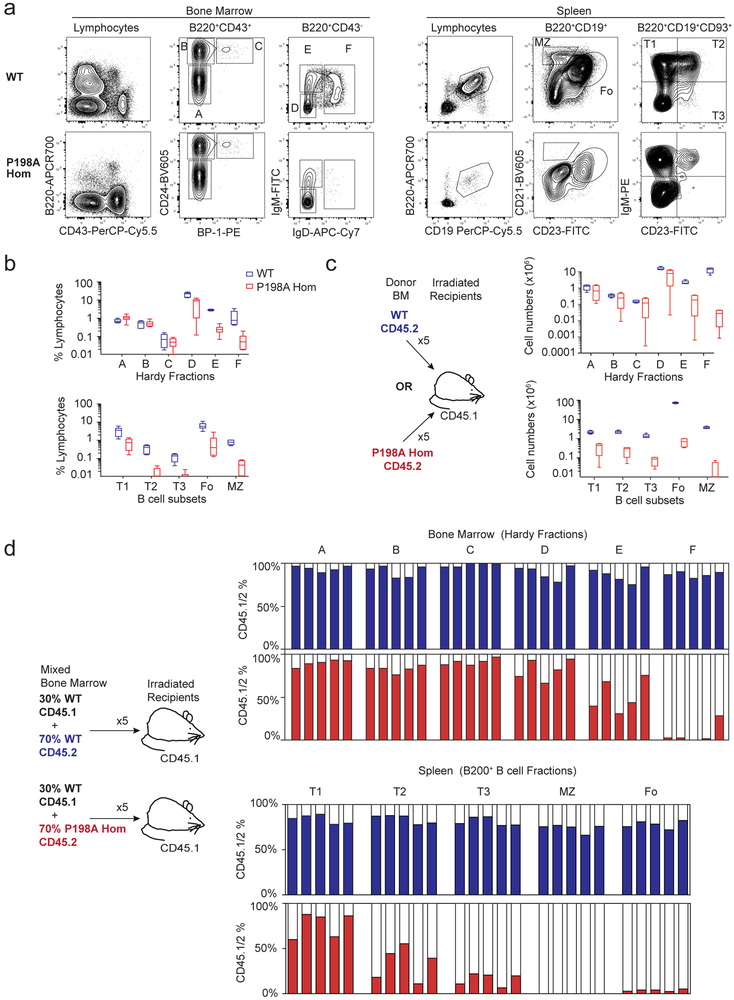
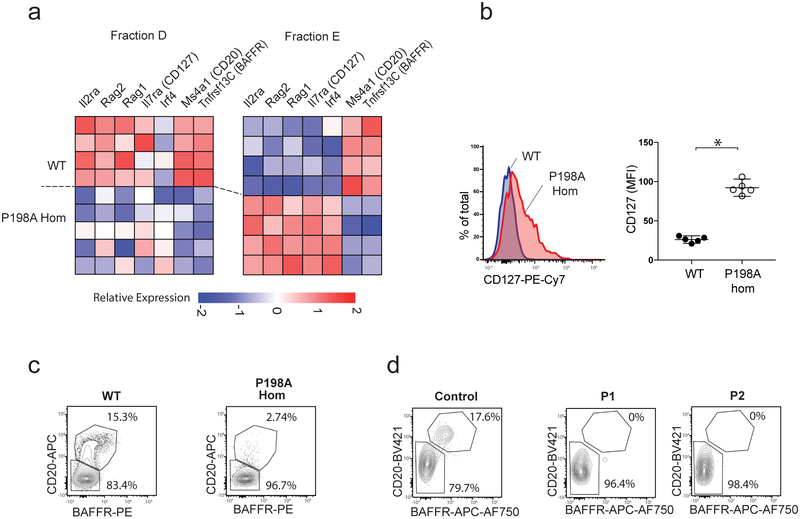
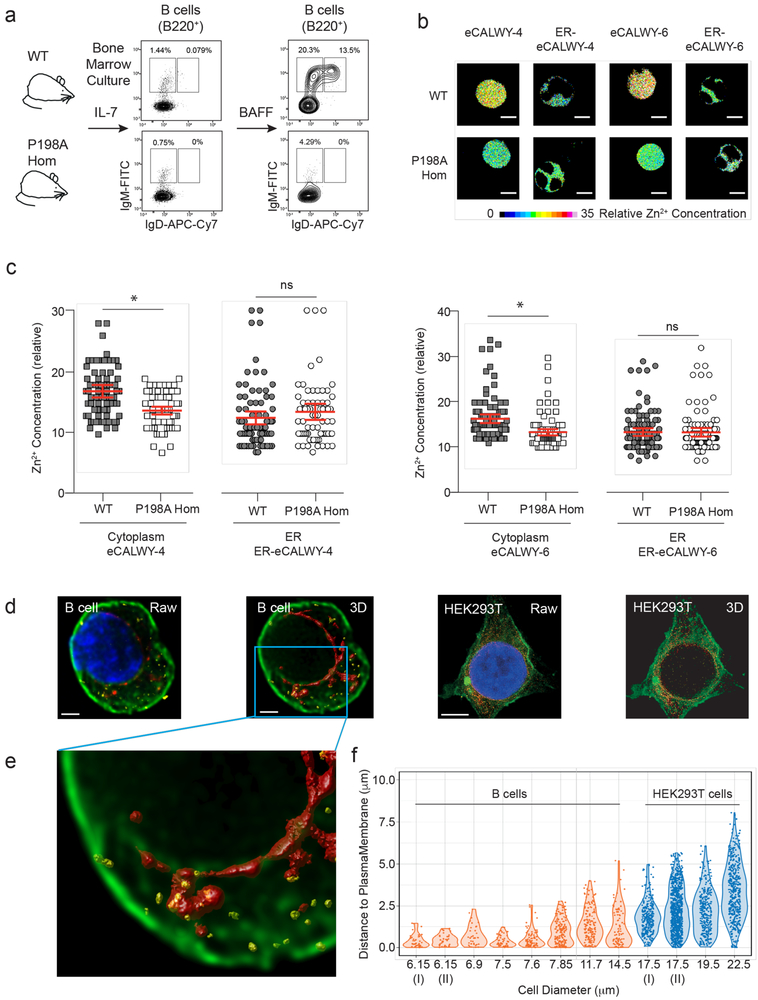
Despite the known importance of zinc for human immunity, molecular insights into its roles have remained limited. Here we report a novel autosomal recessive disease characterized by absent B cells, agammaglobulinemia and early onset infections in five unrelated families. The immunodeficiency results from hypomorphic mutations of SLC39A7, which encodes the endoplasmic reticulum-to-cytoplasm zinc transporter ZIP7. Using CRISPR-Cas9 mutagenesis we have precisely modeled ZIP7 deficiency in mice. Homozygosity for a null allele caused embryonic death, but hypomorphic alleles reproduced the block in B cell development seen in patients. B cells from mutant mice exhibited a diminished concentration of cytoplasmic free zinc, increased phosphatase activity and decreased phosphorylation of signaling molecules downstream of the pre-B cell and B cell receptors. Our findings highlight a specific role for cytosolic Zn in modulating B cell receptor signal strength and positive selection.
尽管锌对人类免疫的重要性已被广泛认知,但对其作用的分子机制仍知之甚少。在这里,我们报道了五个无关联家族中,五名患者均表现为无 B 细胞、低丙种球蛋白血症和早期感染的一种新型常染色体隐性遗传病。该免疫缺陷由 SLC39A7 (编码内质网到细胞质锌转运蛋白 ZIP7)的功能丧失性突变引起。我们使用 CRISPR-Cas9 诱变技术在小鼠中精确模拟了 ZIP7 缺陷。纯合子缺失导致胚胎死亡,而杂合子缺失则复制了患者中观察到的 B 细胞发育阻滞。突变小鼠的 B 细胞表现出细胞质游离锌浓度降低、磷酸酶活性增加和 B 细胞受体下游信号分子磷酸化减少。我们的研究结果强调了细胞溶质 Zn 在调节 B 细胞受体信号强度和阳性选择中的特定作用。