Faculty of Medicine and School of Public Health, University of Lubumbashi, Lubumbashi, DRC.
Department of Public Health, Institute of Tropical Medicine, Antwerp, Belgium.
Am J Trop Med Hyg. 2019 Apr;100(4):899-906. doi: 10.4269/ajtmh.18-0382.
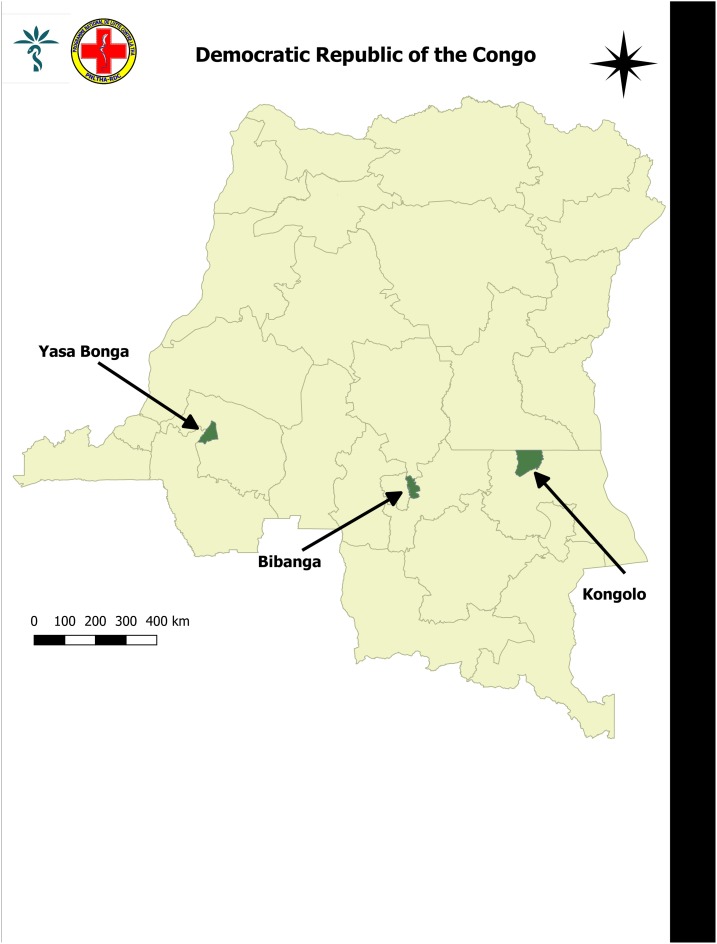
Human African trypanosomiasis is close to elimination in several countries in sub-Saharan Africa. The diagnosis and treatment is currently rapidly being integrated into first-line health services. We aimed to document the perspective of stakeholders on this integration process. We conducted 12 focus groups with communities in three health zones of the Democratic Republic of the Congo and held 32 interviews with health-care providers, managers, policy makers, and public health experts. The topic guide focused on enabling and blocking factors related to the integrated diagnosis and treatment approach. The data were analyzed with NVivo (QSR International, Melbourne, Australia) using a thematic analysis process. The results showed that the community mostly welcomed integrated care for diagnosis and treatment of sleeping sickness, as they value the proximity of first-line health services, but feared possible financial barriers. Health-care professionals thought integration contributed to the elimination goal but identified several implementation challenges, such as the lack of skills, equipment, motivation and financial resources in these basic health services. Patients often use multiple therapeutic itineraries that do not necessarily lead them to health centers where screening is available. Financial barriers are important, as health care is not free in first-line health centers, in contrast to the population screening campaigns. Communities and providers signal several challenges regarding the integration process. To succeed, the required training of health professionals, as well as staff deployment and remuneration policy and the financial barriers in the primary care system need to be addressed, to ensure coverage for those most in need.
在撒哈拉以南的几个非洲国家,人类非洲锥虫病已接近消除。目前,诊断和治疗正在迅速纳入一线卫生服务。我们旨在记录利益攸关方对这一整合过程的看法。我们在刚果民主共和国的三个卫生区进行了 12 个社区焦点小组,并与卫生保健提供者、管理人员、政策制定者和公共卫生专家进行了 32 次访谈。主题指南侧重于与综合诊断和治疗方法相关的促进因素和障碍因素。使用 NVivo(澳大利亚墨尔本的 QSR 国际公司)对数据进行了分析,采用主题分析过程。结果表明,社区大多欢迎对昏睡病的诊断和治疗进行综合护理,因为他们重视一线卫生服务的便利性,但担心可能存在财政障碍。卫生保健专业人员认为整合有助于实现消除目标,但发现了一些实施方面的挑战,例如这些基本卫生服务缺乏技能、设备、动力和财政资源。患者通常采用多种治疗方案,这些方案不一定会引导他们前往可进行筛查的卫生中心。财政障碍很重要,因为与人口筛查运动不同,在一线卫生中心,卫生保健不是免费的。社区和提供者对整合过程发出了若干挑战的信号。为了取得成功,需要解决卫生专业人员的培训、人员部署以及薪酬政策和初级保健系统中的财政障碍问题,以确保为最需要的人提供覆盖。