The Kinghorn Cancer Centre, Garvan Institute of Medical Research, 2010 Sydney, Australia.
St. Vincent's Clinical School, Faculty of Medicine, UNSW Sydney, 2052 Sydney, Australia.
Int J Mol Sci. 2019 Feb 4;20(3):667. doi: 10.3390/ijms20030667.
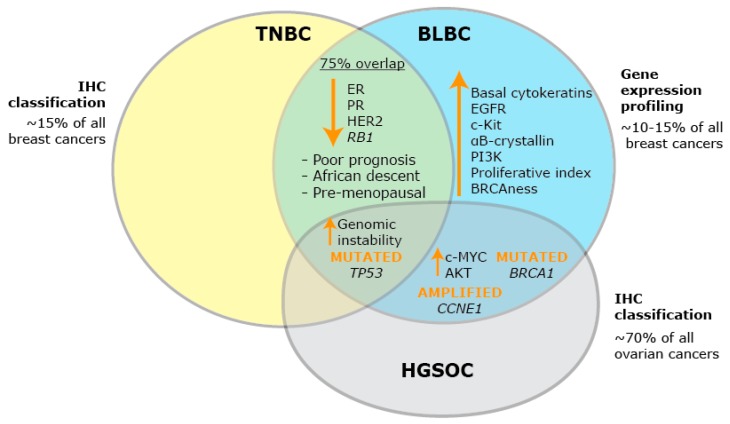
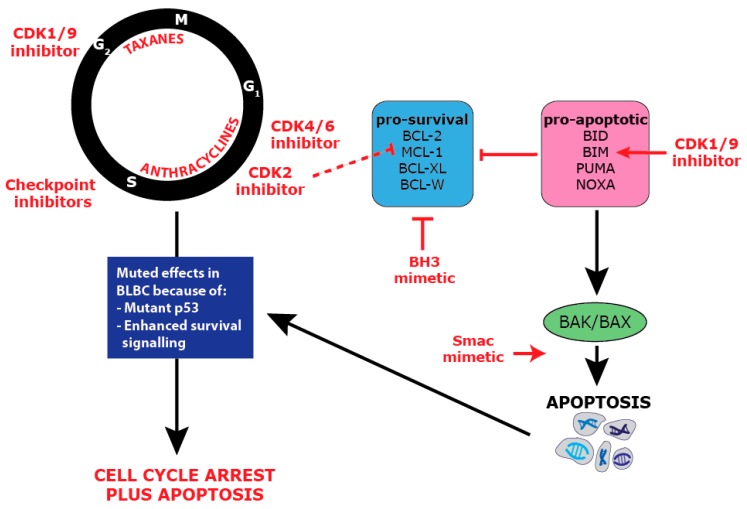
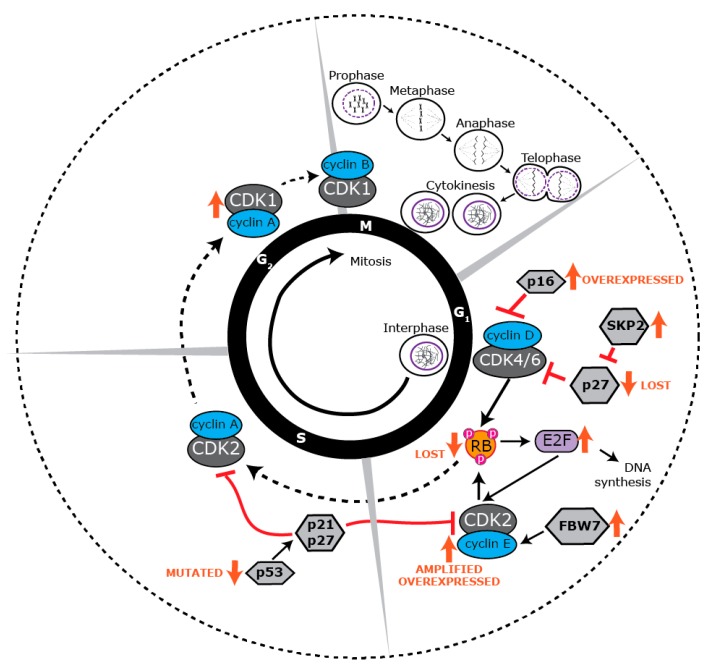
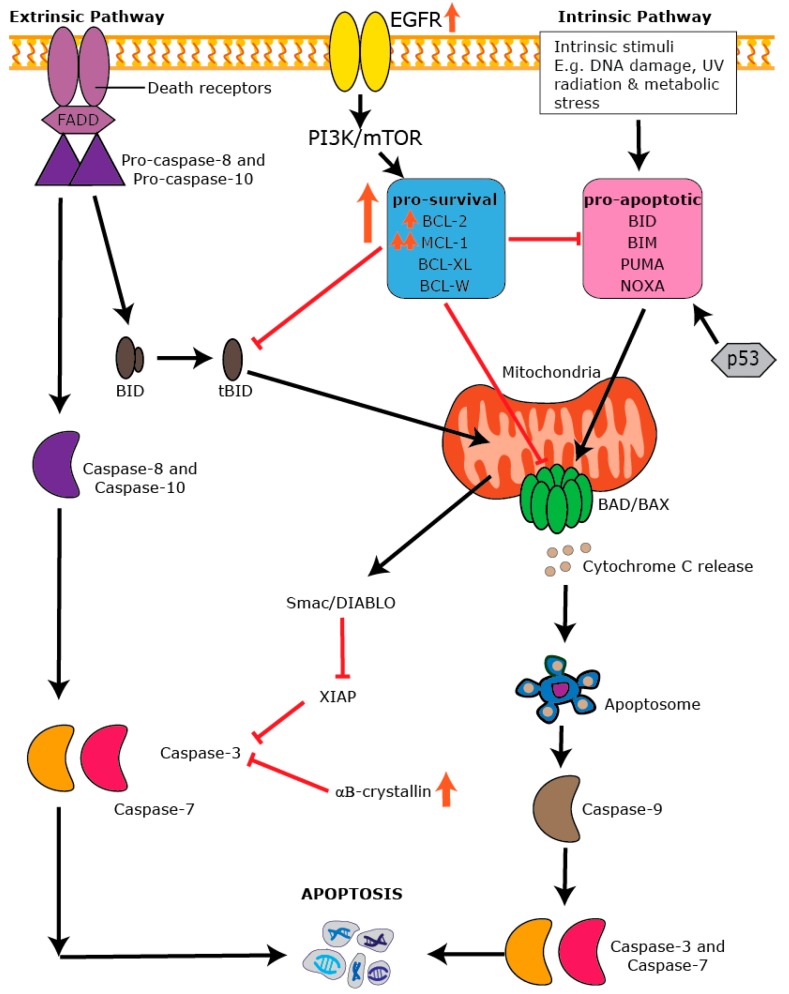
Basal-like breast cancer (BLBC) is an aggressive molecular subtype that represents up to 15% of breast cancers. It occurs in younger patients, and typically shows rapid development of locoregional and distant metastasis, resulting in a relatively high mortality rate. Its defining features are that it is positive for basal cytokeratins and, epidermal growth factor receptor and/or c-Kit. Problematically, it is typically negative for the estrogen receptor and human epidermal growth factor receptor 2 (HER2), which means that it is unsuitable for either hormone therapy or targeted HER2 therapy. As a result, there are few therapeutic options for BLBC, and a major priority is to define molecular subgroups of BLBC that could be targeted therapeutically. In this review, we focus on the highly proliferative and anti-apoptotic phenotype of BLBC with the goal of defining potential therapeutic avenues, which could take advantage of these aspects of tumor development.
基底样乳腺癌(BLBC)是一种侵袭性的分子亚型,占乳腺癌的 15%。它发生在年轻患者中,通常表现为局部和远处转移的快速发展,导致相对较高的死亡率。其特征是基底细胞角蛋白、表皮生长因子受体和/或 c-Kit 阳性。但有一个问题,它通常对雌激素受体和人表皮生长因子受体 2(HER2)呈阴性,这意味着它不适合激素治疗或靶向 HER2 治疗。因此,BLBC 的治疗选择很少,一个主要的优先事项是确定 BLBC 的分子亚群,这些亚群可以进行靶向治疗。在这篇综述中,我们专注于 BLBC 的高增殖和抗凋亡表型,目的是确定潜在的治疗途径,这些途径可以利用肿瘤发展的这些方面。