ACS Nano. 2019 Feb 26;13(2):1365-1384. doi: 10.1021/acsnano.8b06842. Epub 2019 Feb 11.
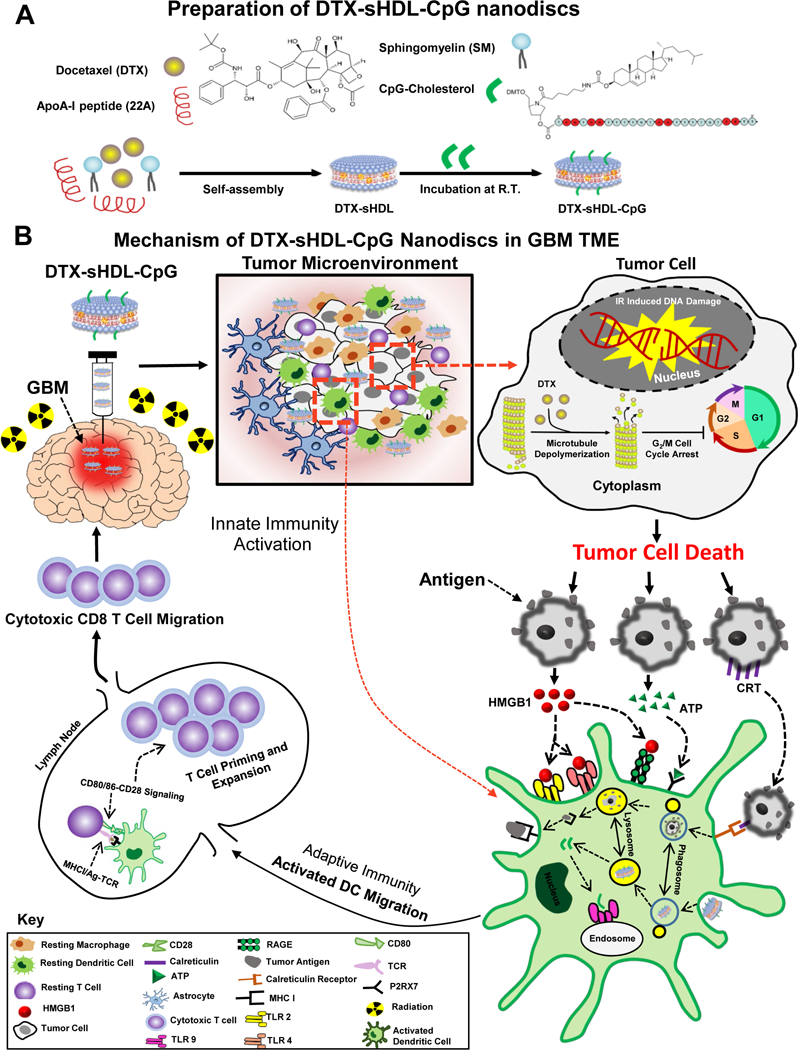
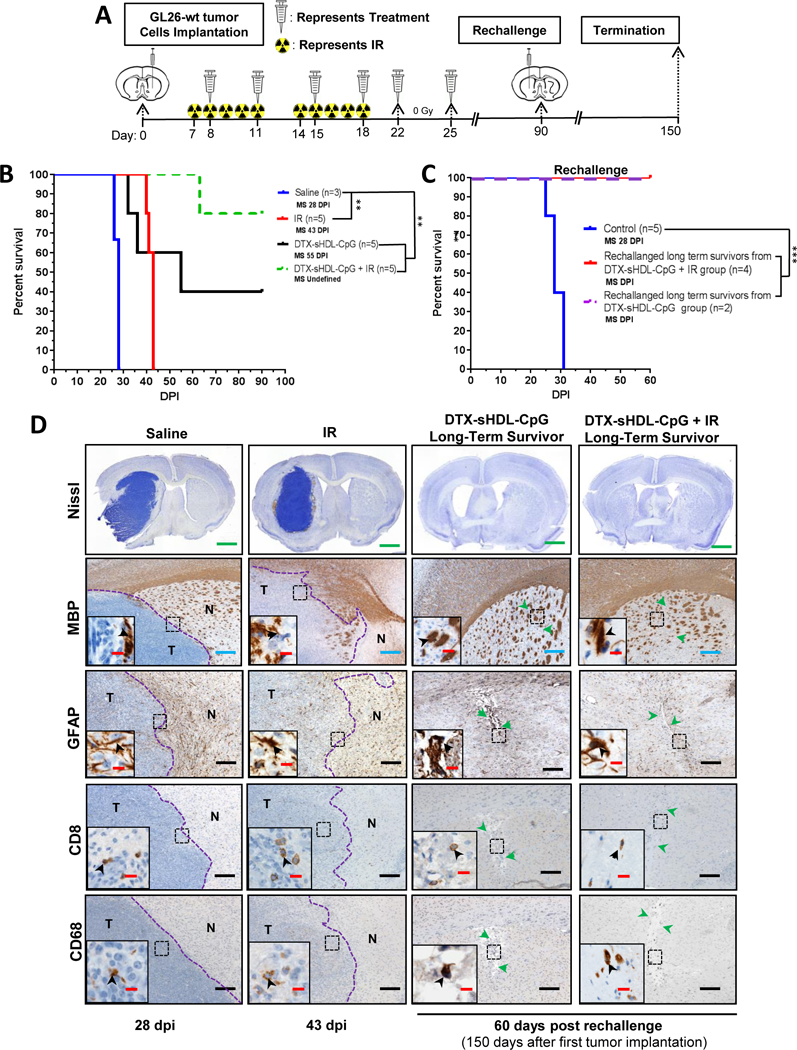
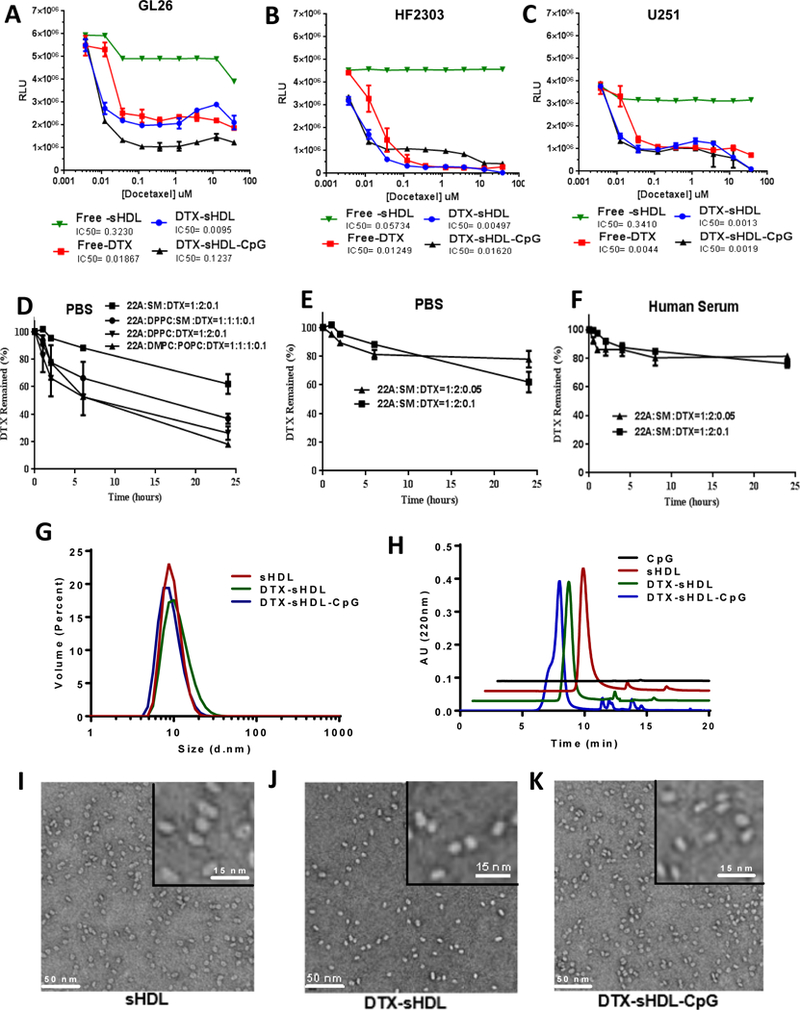
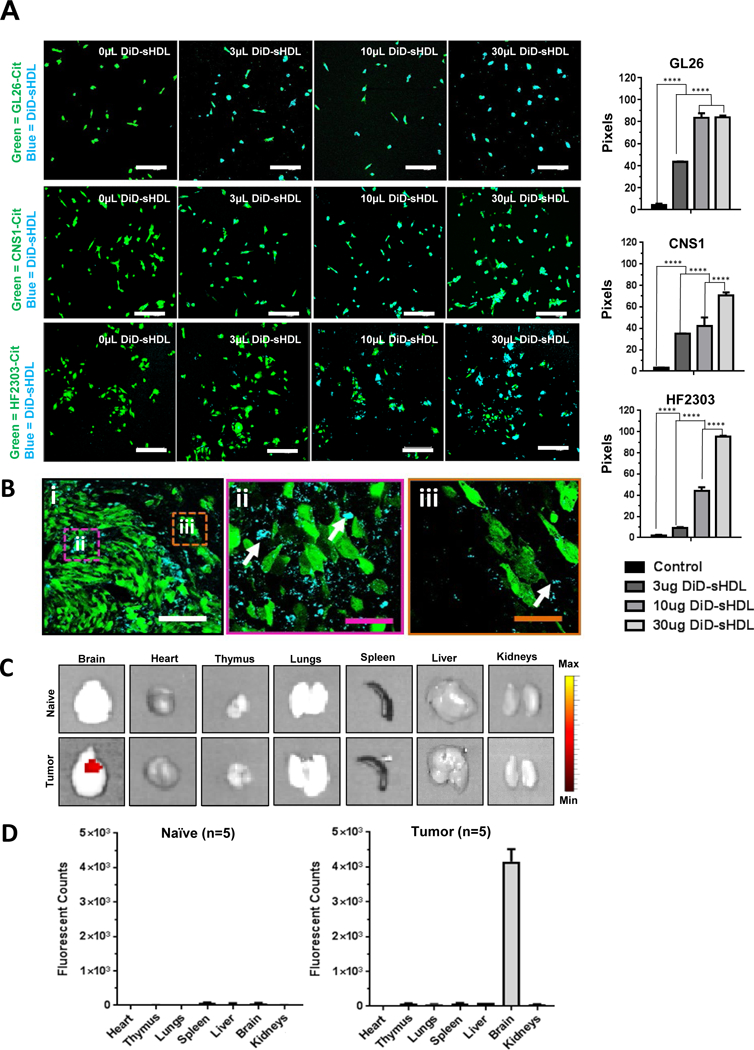
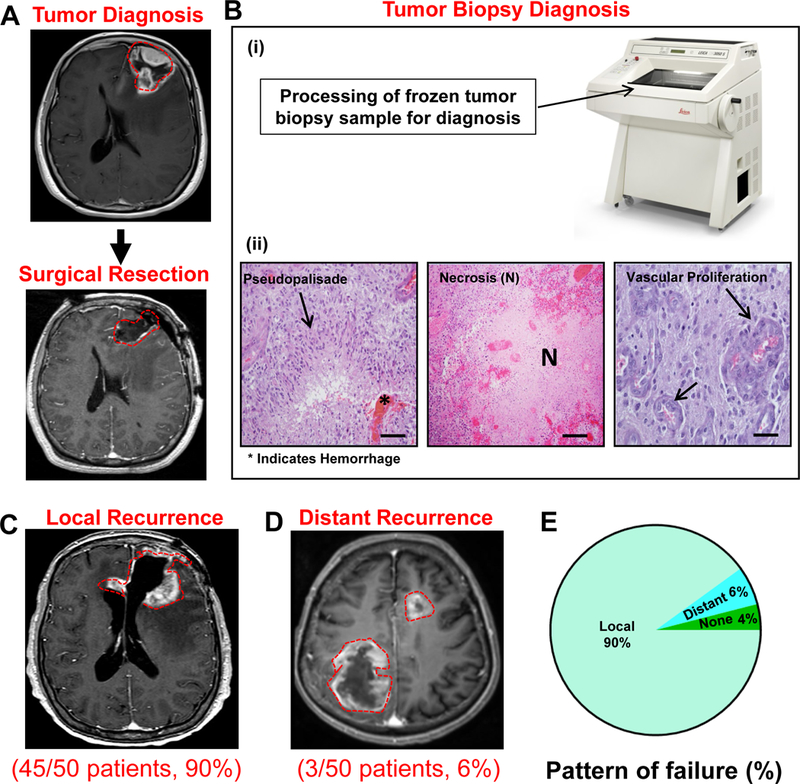
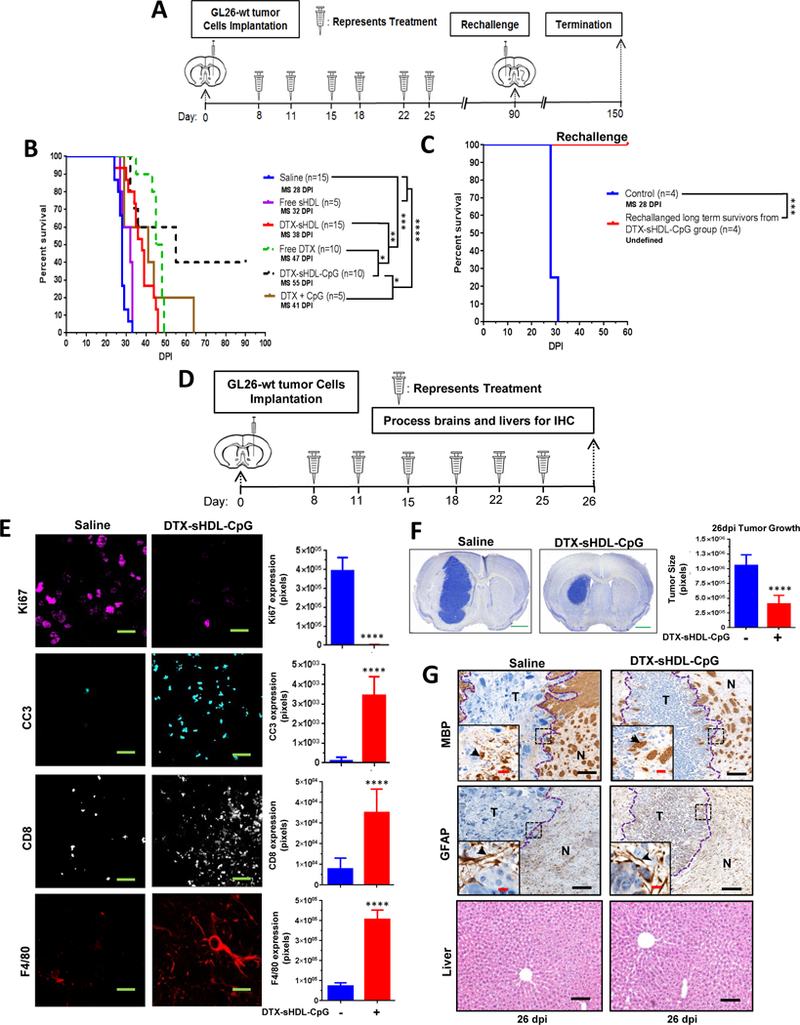
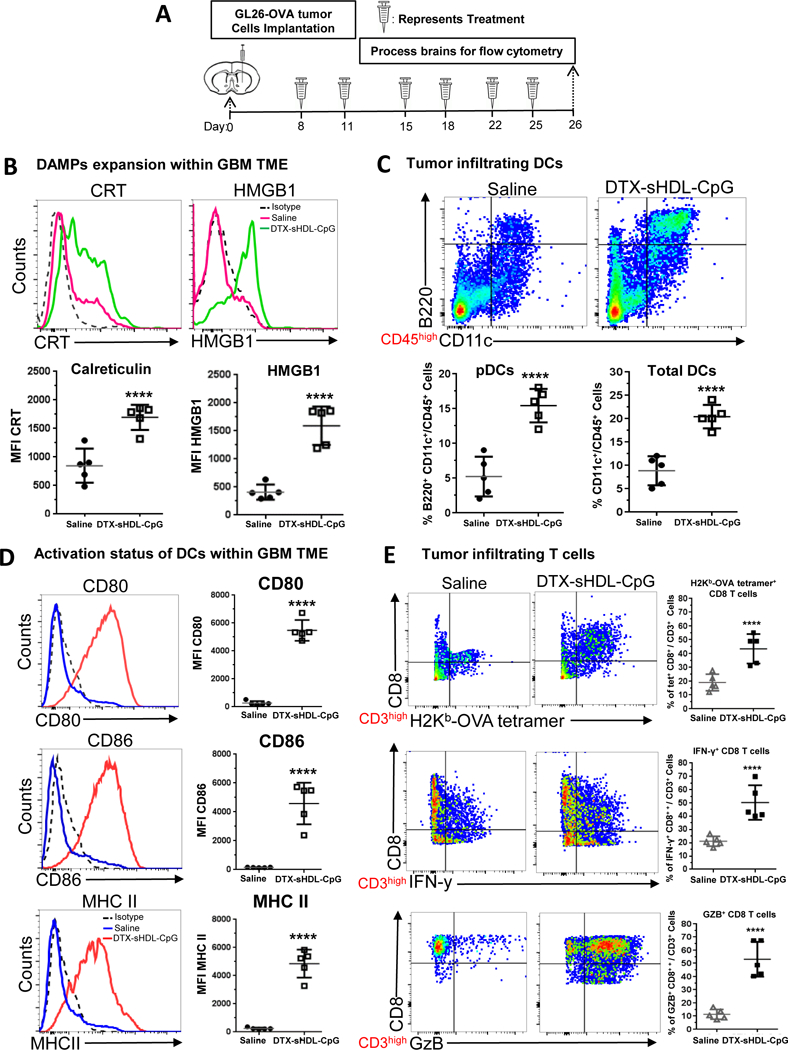
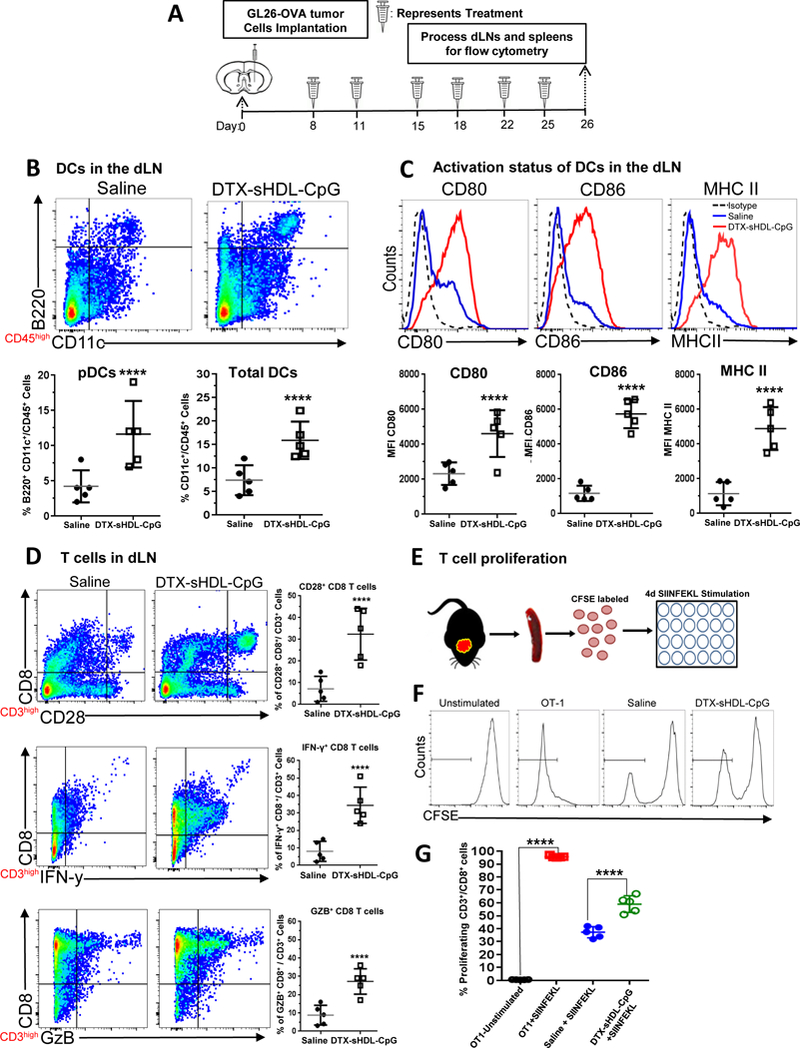
Glioblastoma multiforme (GBM) is an aggressive primary brain tumor, for which there is no cure. Treatment effectiveness for GBM has been limited due to tumor heterogeneity, an immunosuppressive tumor microenvironment (TME), and the presence of the blood-brain barrier, which hampers the transport of chemotherapeutic compounds to the central nervous system (CNS). High-density lipoprotein (HDL)-mimicking nanodiscs hold considerable promise to achieve delivery of bioactive compounds into tumors. Herein, we tested the ability of synthetic HDL nanodiscs to deliver chemotherapeutic agents to the GBM microenvironment and elicit tumor regression. To this end, we developed chemo-immunotherapy delivery vehicles based on sHDL nanodiscs loaded with CpG, a Toll-like receptor 9 (TLR9) agonist, together with docetaxel (DTX), a chemotherapeutic agent, for targeting GBM. Our data show that delivery of DTX-sHDL-CpG nanodiscs into the tumor mass elicited tumor regression and antitumor CD8 T cell responses in the brain TME. We did not observe any overt off-target side effects. Furthermore, the combination of DTX-sHDL-CpG treatment with radiation (IR), which is the standard of care for GBM, resulted in tumor regression and long-term survival in 80% of GBM-bearing animals. Mice remained tumor-free upon tumor cell rechallenge in the contralateral hemisphere, indicating the development of anti-GBM immunological memory. Collectively, these data indicate that sHDL nanodiscs constitute an effective drug delivery platform for the treatment of GBM, resulting in tumor regression, long-term survival, and immunological memory when used in combination with IR. The proposed delivery platform has significant potential for clinical translation.
多形性胶质母细胞瘤(GBM)是一种侵袭性原发性脑肿瘤,目前尚无治愈方法。由于肿瘤异质性、免疫抑制性肿瘤微环境(TME)和血脑屏障的存在,GBM 的治疗效果受到限制,这阻碍了化疗药物向中枢神经系统(CNS)的输送。高密度脂蛋白(HDL)模拟纳米盘在实现生物活性化合物向肿瘤输送方面具有很大的潜力。在这里,我们测试了合成 HDL 纳米盘将化疗药物递送至 GBM 微环境并引发肿瘤消退的能力。为此,我们开发了基于负载 CpG(一种 Toll 样受体 9(TLR9)激动剂)和多西紫杉醇(DTX,一种化疗药物)的 sHDL 纳米盘的化学免疫治疗药物递送载体,用于靶向 GBM。我们的数据表明,将 DTX-sHDL-CpG 纳米盘递送至肿瘤肿块中,可在大脑 TME 中引发肿瘤消退和抗肿瘤 CD8 T 细胞反应。我们没有观察到任何明显的脱靶副作用。此外,将 DTX-sHDL-CpG 治疗与放疗(IR)联合使用,这是 GBM 的标准治疗方法,可使 80%的 GBM 荷瘤动物的肿瘤消退和长期生存。当在对侧半球重新进行肿瘤细胞挑战时,小鼠仍然没有肿瘤,表明产生了针对 GBM 的免疫记忆。总的来说,这些数据表明,sHDL 纳米盘构成了治疗 GBM 的有效药物递送平台,与 IR 联合使用时可导致肿瘤消退、长期生存和免疫记忆。所提出的递送平台具有重要的临床转化潜力。