Coleman Devon M, Adams James B, Anderson Amy L, Frye Richard E
1 Arizona State University, Autism/Asperger's Research Program, Tempe, Arizona.
2 Barrow Neurological Institute, Phoenix Children's Hospital, Phoenix, Arizona.
J Child Adolesc Psychopharmacol. 2019 Mar;29(2):107-123. doi: 10.1089/cap.2018.0121. Epub 2019 Feb 6.
The objective of this study was to provide an evaluation of the benefits and adverse effects (AEs) of psychiatric and seizure medications commonly used for individuals with autism spectrum disorder (ASD).
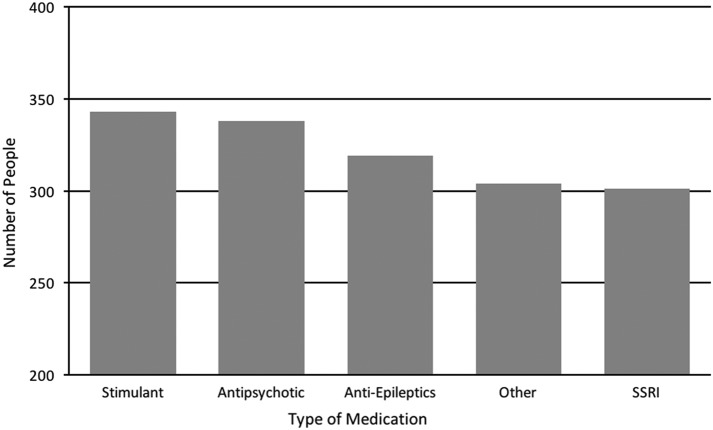
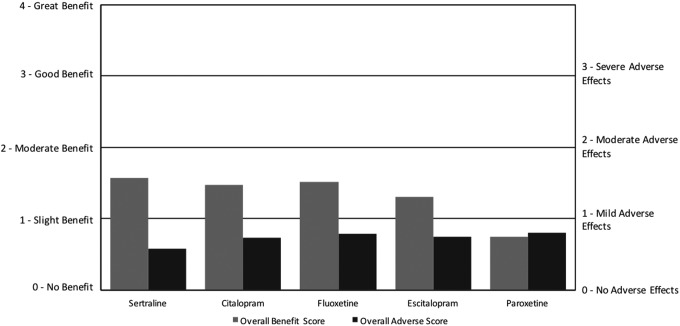
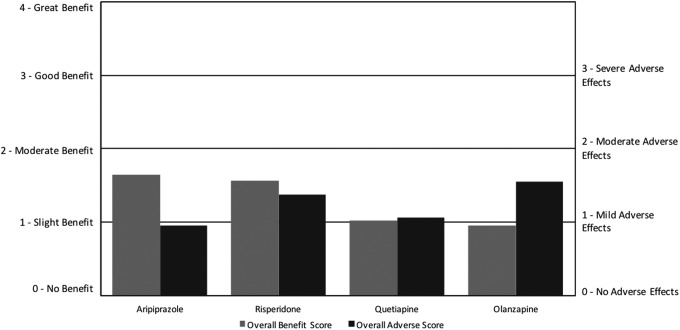
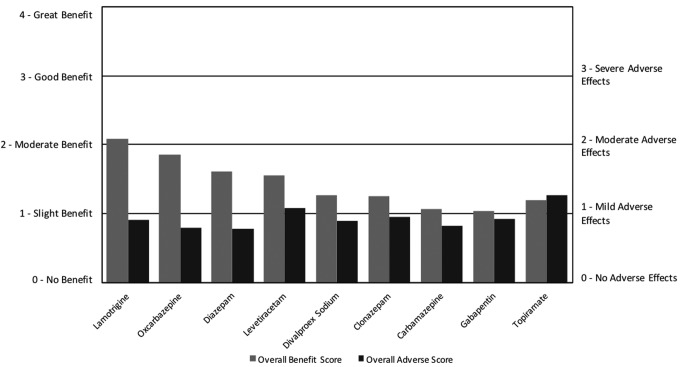
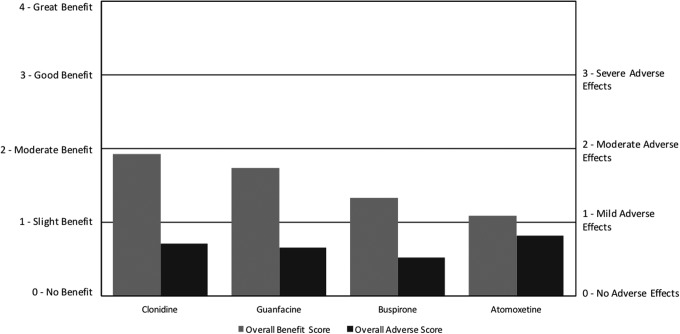
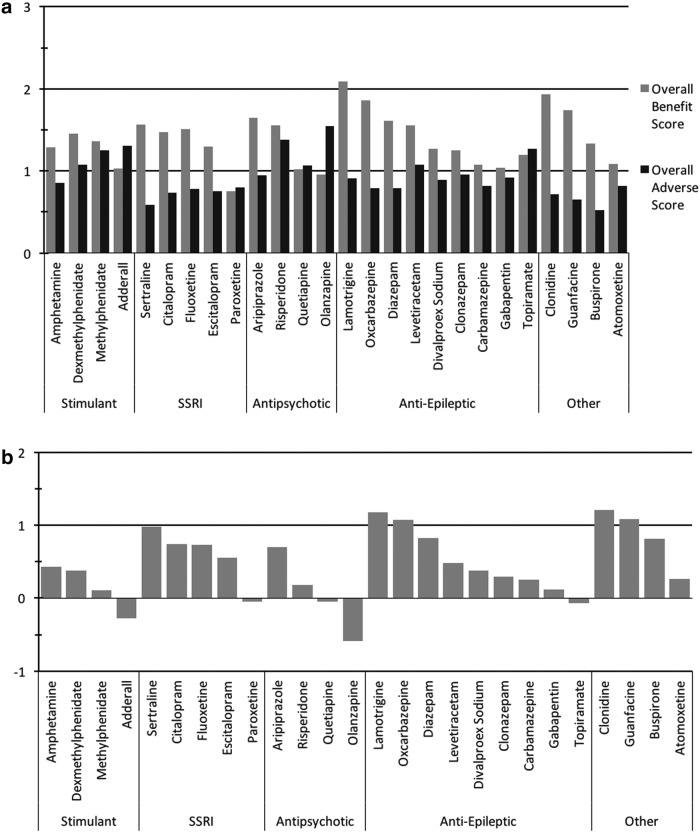
As part of the National Survey on Treatment Effectiveness for Autism, we report ratings of 26 psychiatric and seizure medications by 505 participants. Each medication was rated with a standardized scale for overall benefits, overall AEs, and specific symptoms affected. The frequency of use and net perceived benefit (overall benefit minus overall AE) are reported.
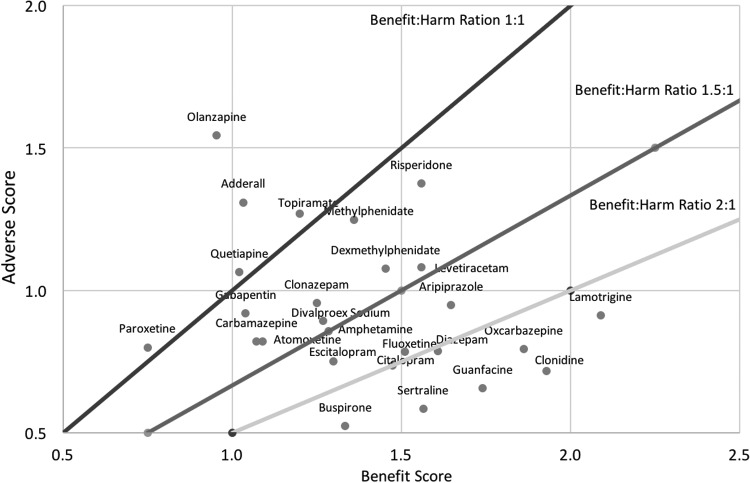
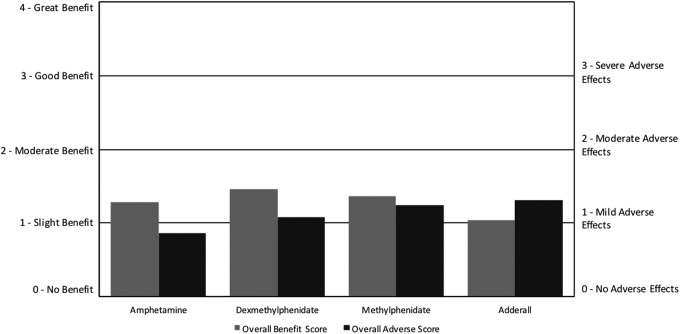
Most medications were rated as having a slightly greater benefit than AE. Six medications (lamotrigine, oxcarbazepine, clonidine, guanfacine, buspirone, and sertraline) had benefit ratings that were more than twice their adverse rating. Conversely, some medications had slightly negative net benefit ratings (worse AEs than benefits on average), including Adderall, Paroxetine, Quetiapine, Olanzapine, and Topiramate. However, there were wide variations in individual ratings of benefit and AEs, suggesting that clinical response to medications was highly variable, so these scores simply represent averages. A ranking of the top medications (those with the highest net perceived benefit) for each of 18 different symptoms is provided, which may provide some clinical guidance as to which medications may be most worth considering for a given symptom. A comparison of the survey results with the results of clinical trials shows generally good agreement in terms of medication benefits with some differences; in some cases the differences are because the clinical trials did not assess all of the symptoms assessed by this survey.
It is hoped that physicians and their patients will find the survey results useful in selecting the most promising medications for a given symptom, and also for monitoring for likely benefits and AEs, especially for medications for which few or no studies have been carried out in ASD populations.
本研究的目的是评估常用于自闭症谱系障碍(ASD)患者的精神科药物和抗癫痫药物的益处及不良反应(AE)。
作为全国自闭症治疗效果调查的一部分,我们报告了505名参与者对26种精神科药物和抗癫痫药物的评分。每种药物都用标准化量表对总体益处、总体AE以及受影响的特定症状进行评分。报告了药物的使用频率和净感知益处(总体益处减去总体AE)。
大多数药物的益处评分略高于AE评分。六种药物(拉莫三嗪、奥卡西平、可乐定、胍法辛、丁螺环酮和舍曲林)的益处评分超过其不良反应评分的两倍。相反,一些药物的净益处评分略为负面(平均AE比益处更严重),包括安非他明、帕罗西汀、喹硫平、奥氮平和托吡酯。然而,个体对益处和AE的评分存在很大差异,这表明药物的临床反应高度可变,因此这些分数仅代表平均值。提供了针对18种不同症状的顶级药物(净感知益处最高的药物)排名,这可能为针对特定症状最值得考虑使用哪些药物提供一些临床指导。将调查结果与临床试验结果进行比较,结果显示在药物益处方面总体一致性良好,但存在一些差异;在某些情况下,差异是因为临床试验未评估本调查所评估的所有症状。
希望医生及其患者会发现调查结果有助于为特定症状选择最有前景的药物,也有助于监测可能的益处和AE,特别是对于在ASD人群中很少或没有进行研究的药物。