Dutta Bhramar, Banerjee Aparna, Chakraborty Priyanka, Bandopadhyay Rajib
UGC-Center of Advanced Study, Department of Botany, The University of Burdwan, Golapbag, Bardhaman 713104, West Bengal, India.
J Genet Eng Biotechnol. 2018 Dec;16(2):749-756. doi: 10.1016/j.jgeb.2018.05.003. Epub 2018 May 31.
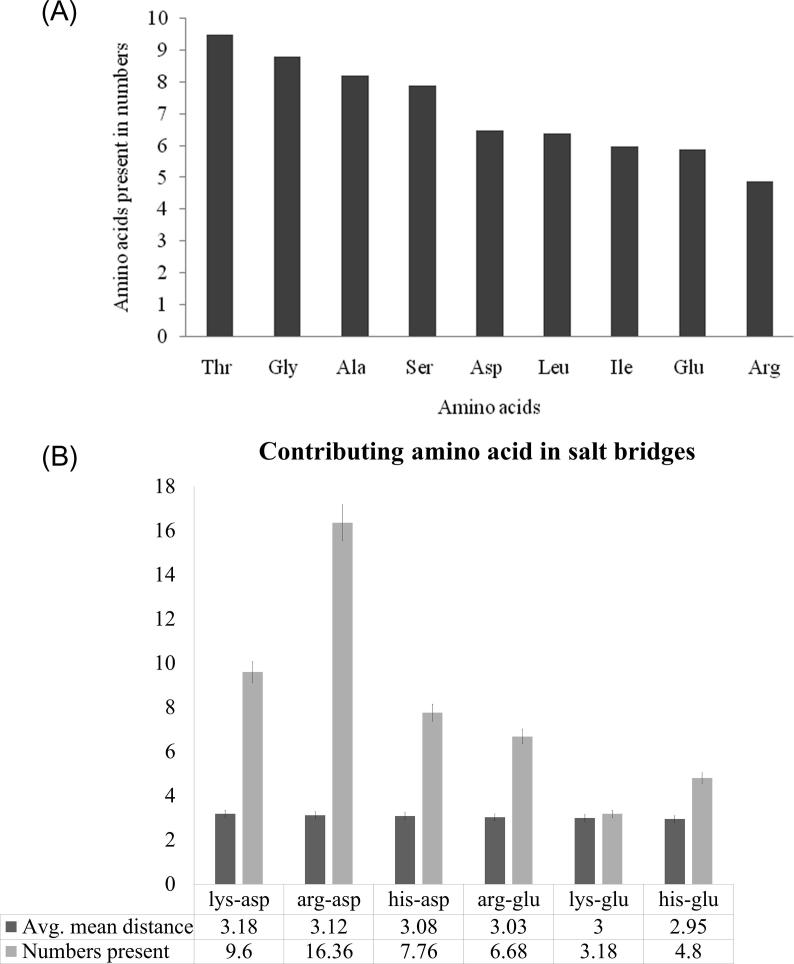
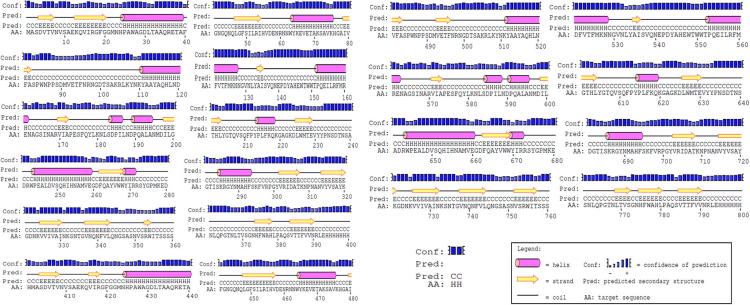
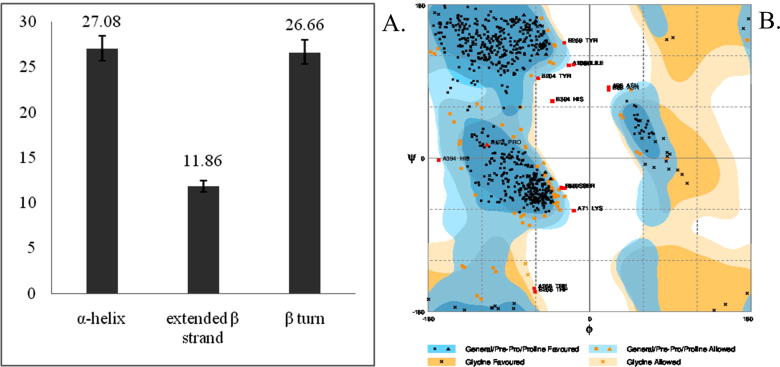
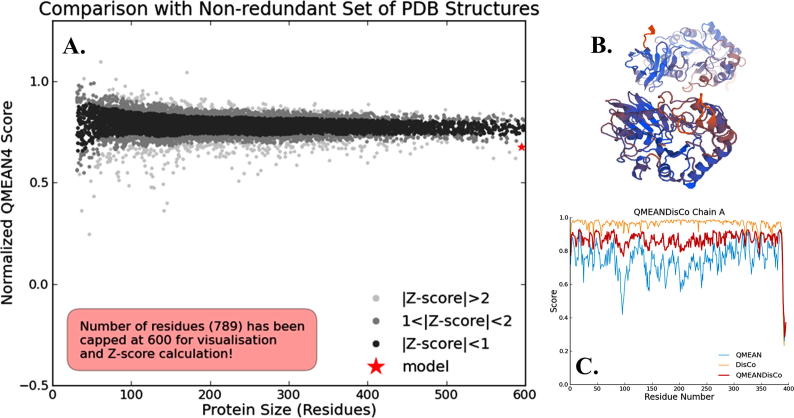
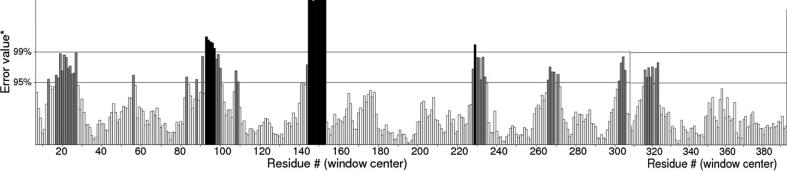
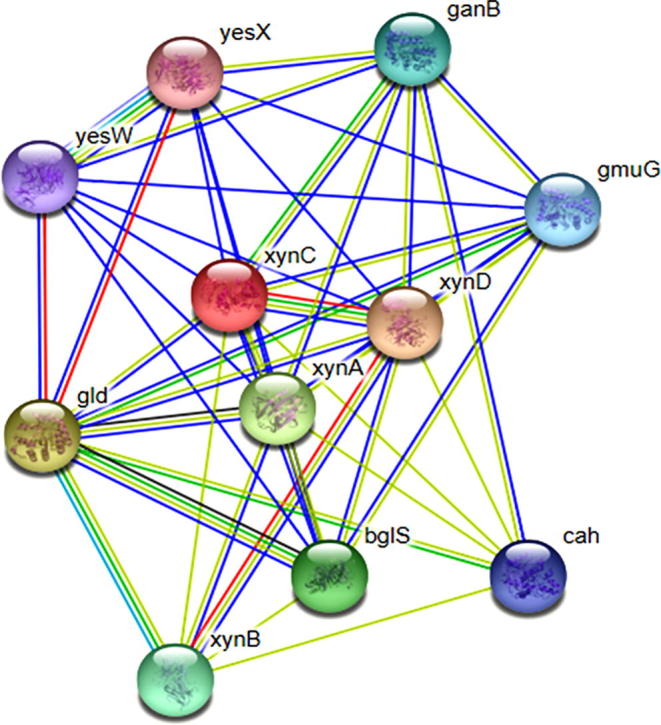
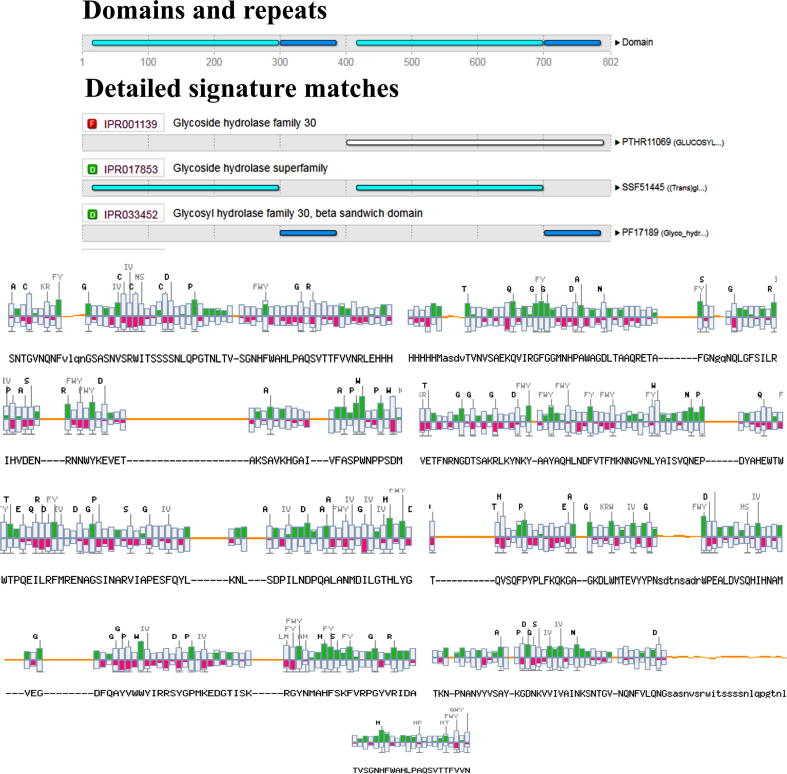
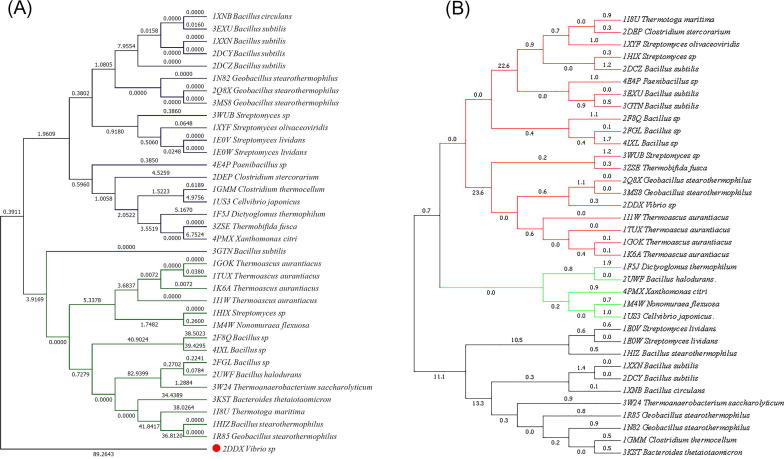
Xylans are the second most abundant form of hemicelluloses and are the second most abundant polysaccharide in nature after cellulose. To degrade xylan, microbes produce mainly xylanase enzyme. Wide range of microorganisms like fungi, bacteria, yeast, marine algae etc. are capable of producing xylanase. Main source of xylanase is fungi but industrial production of bacterial xylanase is low cost, easy downstream process and high production rate. To understand primary, secondary and tertiary structure of xylanase, composition of amino acids, basic physiological characteristics; ., pI, molecular weight, instability index, GRAVY, molar extinction coefficient, secondary structure, presence of functional domain and motifs, phylogenetic tree, salt bridge compositions are determined. study of xylanase focused on 36 different bacterial sources are performed by retrieving FASTA and PDB sequences using RCSB PDB. FASTA and PDB files are proceed further in ExPASy-ProtParam, RAMPAGE, QMEAN, MEME, PSIPRED, InterProScan, MOTIF scan, ERRAT, Peptide cutter, ESBRI and MEGA 7. The instability index range (16.90-38.78) clearly indicates that the protein is highly stable. helix mean value (27.11%) infers the protein is dominated by helix region. The aliphatic index (39.80-90.68) gives information that the protein is highly thermostable, prevalence by alanine amino acid in aliphatic side chain. No transmembrane domain was found in the protein which confirms the enzyme is extracellular in nature. Ancestor chart analysis confirmed that it is a part of carbohydrate metabolic process and more specifically a member of glycoside hydrolase super family.
木聚糖是半纤维素的第二丰富形式,也是自然界中仅次于纤维素的第二丰富多糖。为了降解木聚糖,微生物主要产生木聚糖酶。多种微生物,如真菌、细菌、酵母、海藻等,都能够产生木聚糖酶。木聚糖酶的主要来源是真菌,但细菌木聚糖酶的工业生产成本低、下游加工容易且生产率高。为了了解木聚糖酶的一级、二级和三级结构、氨基酸组成、基本生理特性,即等电点、分子量、不稳定指数、亲水性/疏水性平均值、摩尔消光系数、二级结构、功能域和基序的存在、系统发育树、盐桥组成等,我们进行了测定。通过使用RCSB蛋白质数据库检索FASTA和PDB序列,对来自36种不同细菌来源的木聚糖酶进行了研究。FASTA和PDB文件在ExPASy-ProtParam、RAMPAGE、QMEAN、MEME、PSIPRED、InterProScan、MOTIF scan、ERRAT、肽切割器、ESBRI和MEGA 7中进一步处理。不稳定指数范围(16.90 - 38.78)清楚地表明该蛋白质高度稳定。螺旋平均值(27.11%)表明该蛋白质以螺旋区域为主。脂肪族指数(39.80 - 90.68)表明该蛋白质具有高热稳定性,脂肪族侧链中丙氨酸氨基酸占优势。在该蛋白质中未发现跨膜结构域,这证实该酶本质上是细胞外的。祖先图谱分析证实它是碳水化合物代谢过程的一部分,更具体地说是糖苷水解酶超家族的成员。