Department of Surgery, Division of Transplant, University of Wisconsin-Madison, Madison, Wisconsin, United States of America.
Department of Medicine, Division of Nephrology, University of Wisconsin-Madison, Madison, Wisconsin, United States of America.
PLoS One. 2019 Feb 8;14(2):e0211865. doi: 10.1371/journal.pone.0211865. eCollection 2019.
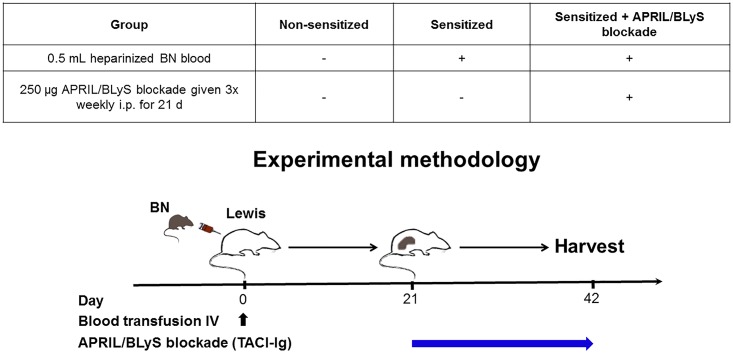
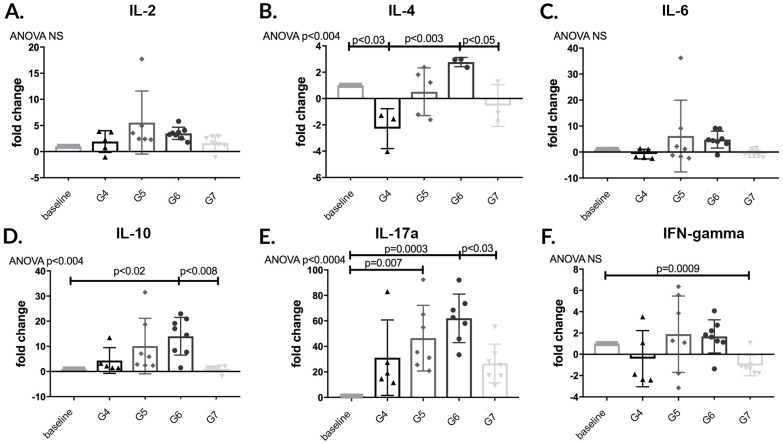
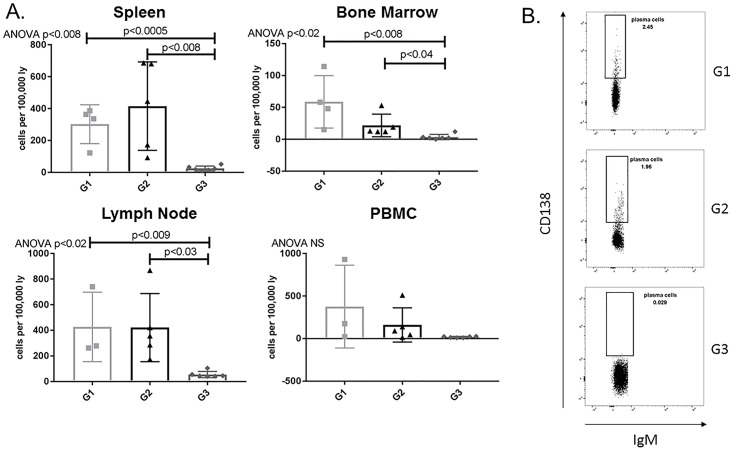
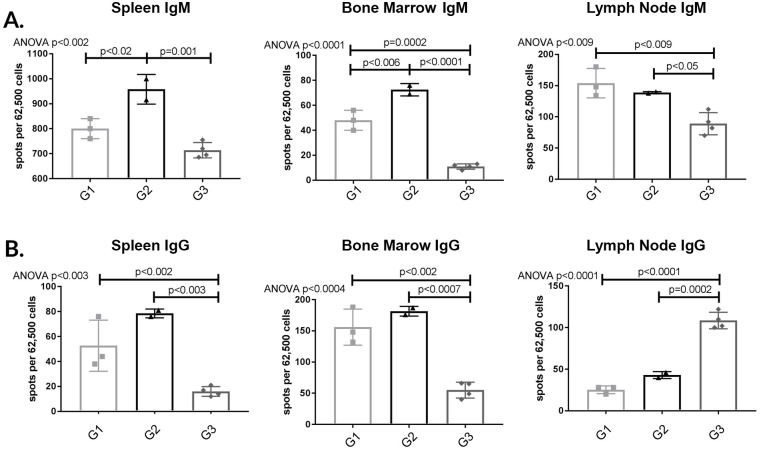
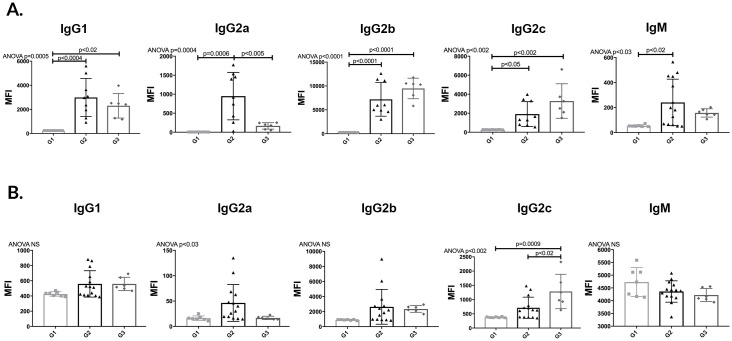
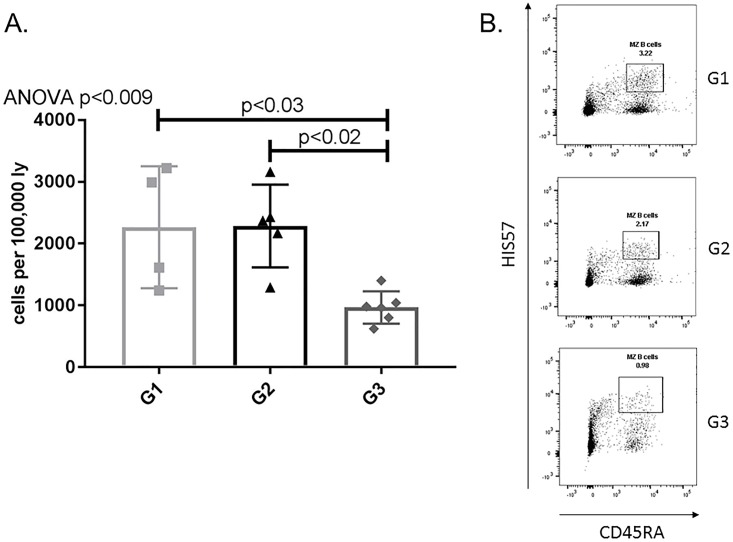
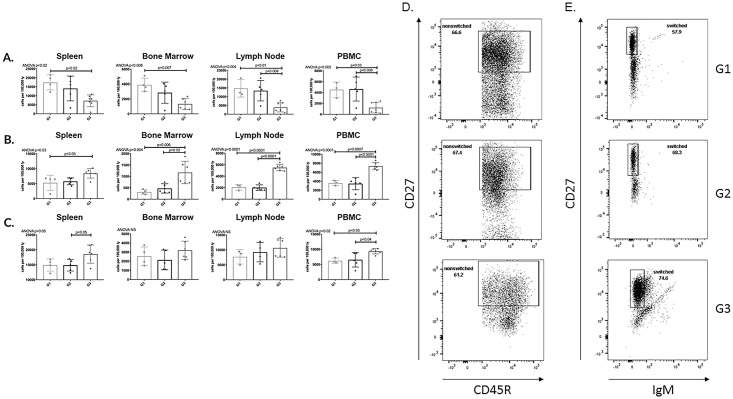
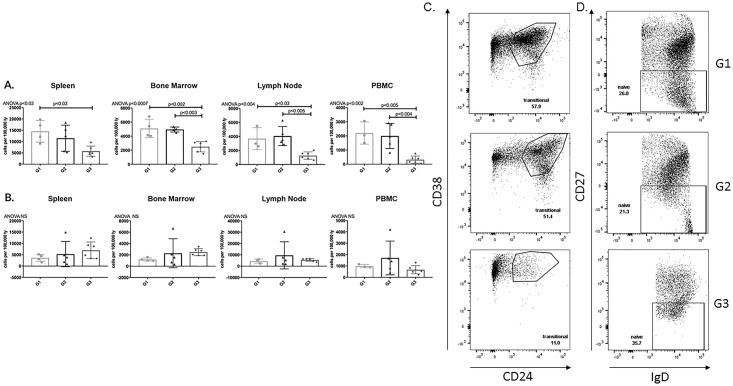
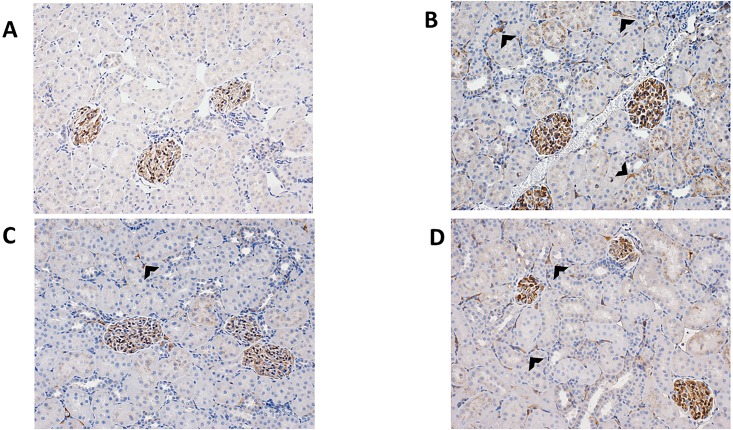
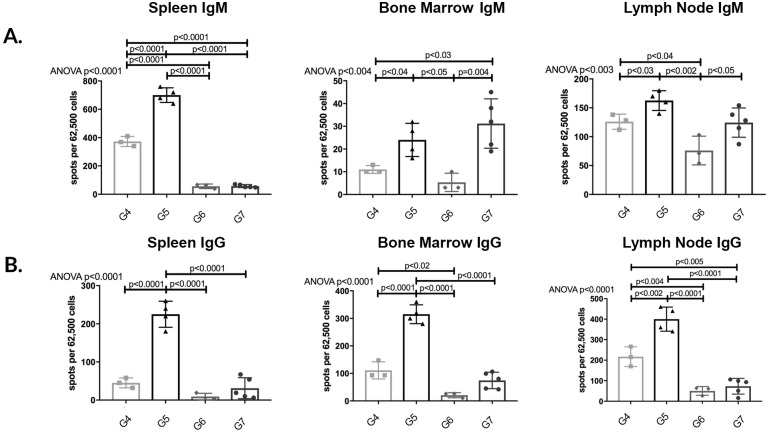
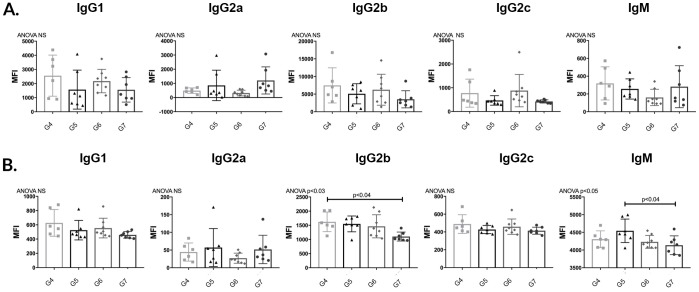
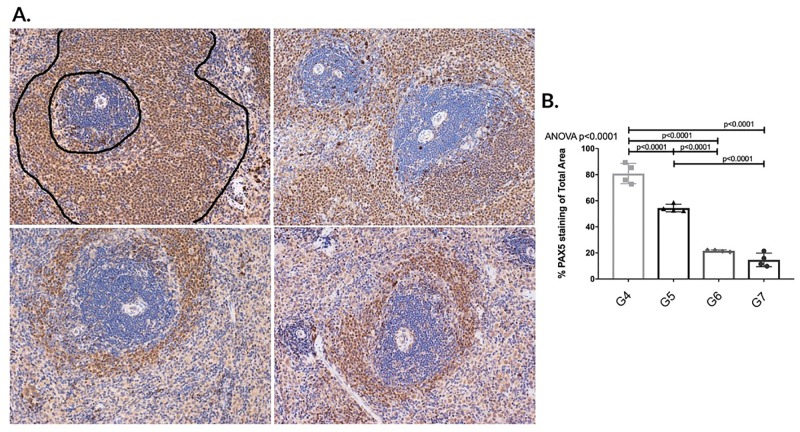
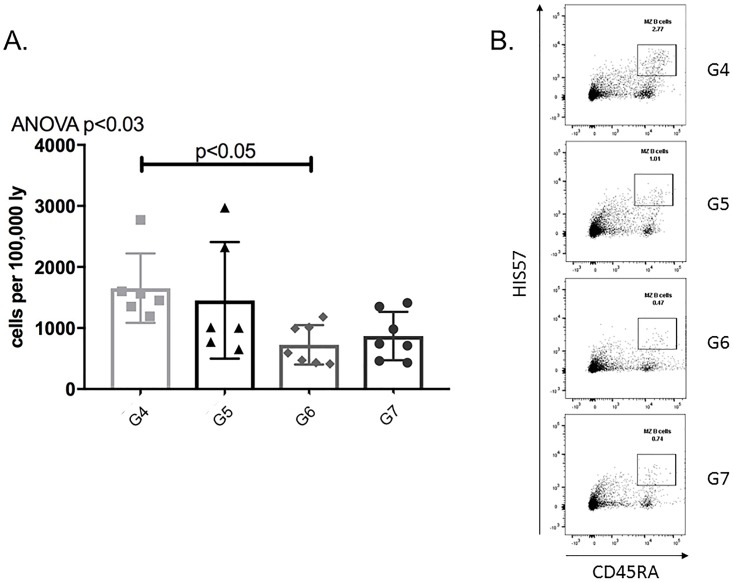
Alloantibody represents a significant barrier in kidney transplant through the sensitization of patients prior to transplant through antibody mediated rejection (ABMR). APRIL BLyS are critical survival factors for mature B lymphocytes plasma cells, the primary source of alloantibody. We examined the effect of APRIL/BLyS blockade via TACI-Ig (Transmembrane activator calcium modulator cyclophilin lig interactor-Immunoglobulin) in a preclinical rodent model as treatment for both desensitization ABMR. Lewis rats were sensitized with Brown Norway (BN) blood for 21 days. Following sensitization, animals were then sacrificed or romized into kidney transplant (G4, sensitized transplant control); desensitization with TACI-Ig followed by kidney transplant (G5, sensitized + pre-transplant TACI-Ig); kidney transplant with post-transplant TACI-Ig for 21 days (G6, sensitized + post-transplant TACI-Ig); desensitization with TACI-Ig followed by kidney transplant post-transplant TACI-Ig for 21 days (G7, sensitized + pre- post-transplant TACI-Ig). Animals were sacrificed on day 21 post-transplant tissues were analyzed using flow cytometry, IHC, ELISPOT, RT-PCR. Sensitized animals treated with APRIL/BLyS blockade demonstrated a significant decrease in marginal zone non-switched B lymphocyte populations (p<0.01). Antibody secreting cells were also significantly reduced in the sensitized APRIL/BLyS blockade treated group. Post-transplant APRIL/BLyS blockade treated animals were found to have significantly less C4d deposition less ABMR as defined by Banff classification when compared to groups receiving APRIL/BLyS blockade before transplant or both before after transplant (p<0.0001). The finding of worse ABMR in groups receiving APRIL/BLyS blockade before both before after transplant may indicate that B lymphocyte depletion in this setting also resulted in regulatory lymphocyte depletion resulting in a worse rejection. Data presented here demonstrates that the targeting of APRIL BLyS can significantly deplete mature B lymphocytes, antibody secreting cells, effectively decrease ABMR when given post-transplant in a sensitized animal model.
同种抗体通过抗体介导的排斥反应(ABMR)在移植前使患者致敏,是肾移植的一个重大障碍。APRIL-BLyS 是成熟 B 淋巴细胞浆细胞的关键存活因素,是同种抗体的主要来源。我们通过 TACI-Ig(跨膜激活剂钙调蛋白环肽配体相互作用免疫球蛋白)在临床前啮齿动物模型中检查了 APRIL/BLyS 阻断的效果,作为治疗脱敏 ABMR 的方法。Lewis 大鼠用 Brown Norway(BN)血液致敏 21 天。致敏后,动物被处死或随机分为肾移植组(G4,致敏移植对照);用 TACI-Ig 脱敏后进行肾移植(G5,致敏+移植前 TACI-Ig);肾移植后用 TACI-Ig 治疗 21 天(G6,致敏+移植后 TACI-Ig);用 TACI-Ig 脱敏后用 TACI-Ig 治疗 21 天(G7,致敏+移植前+移植后 TACI-Ig)。移植后第 21 天处死动物,使用流式细胞术、免疫组化、ELISPOT、RT-PCR 分析组织。用 APRIL/BLyS 阻断剂处理的致敏动物,边缘区非转换 B 淋巴细胞群明显减少(p<0.01)。致敏 APRIL/BLyS 阻断治疗组的抗体分泌细胞也明显减少。与接受移植前或移植前后 APRIL/BLyS 阻断治疗的组相比,移植后接受 APRIL/BLyS 阻断治疗的动物发现 C4d 沉积明显减少,ABMR 按 Banff 分类定义也明显减少(p<0.0001)。在接受移植前和移植前后 APRIL/BLyS 阻断治疗的组中 ABMR 更差的发现可能表明,在这种情况下 B 淋巴细胞耗竭也导致调节性淋巴细胞耗竭,导致排斥反应更差。这里呈现的数据表明,靶向 APRIL-BLyS 可以显著耗尽成熟 B 淋巴细胞和抗体分泌细胞,在致敏动物模型中移植后给予时,可有效降低 ABMR。