Castellaro Andrés M, Rodriguez-Baili María C, Di Tada Cecilia E, Gil Germán A
Departamento de Química Biológica, Facultad de Ciencias Químicas, CIQUIBIC CONICET, Universidad Nacional de Córdoba, Ciudad Universitaria, Córdoba X5000HUA, Argentina.
Laboratorio de Inmunohistoquímica, Fundación para el Progreso de la Medicina, Córdoba X5000EMS, Argentina.
Cancers (Basel). 2019 Feb 6;11(2):189. doi: 10.3390/cancers11020189.
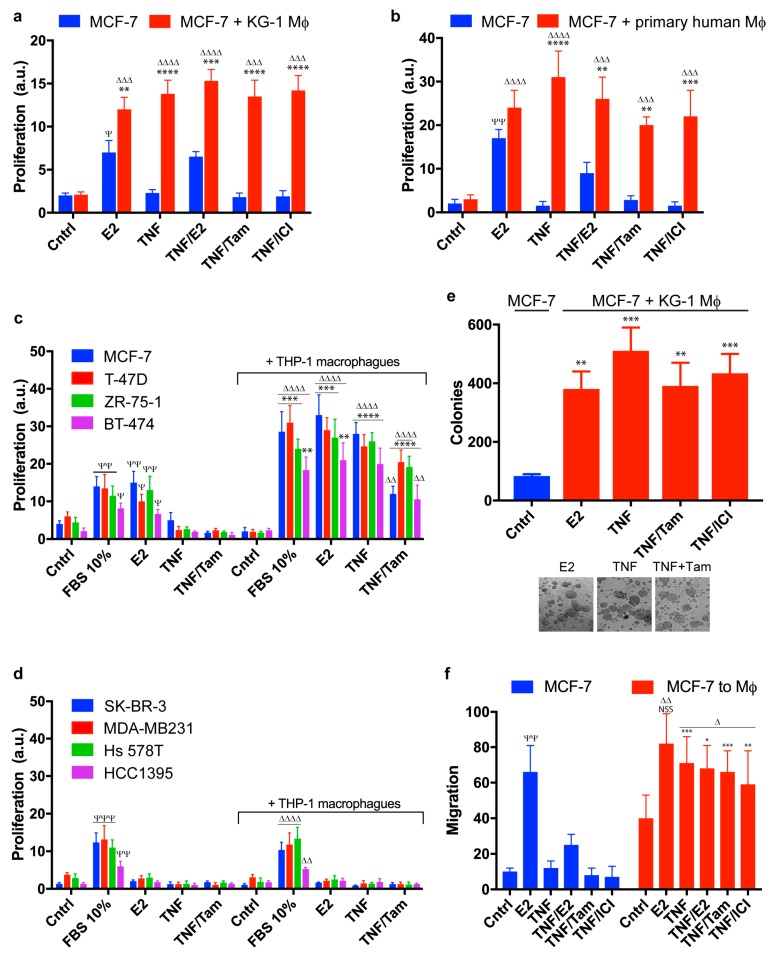
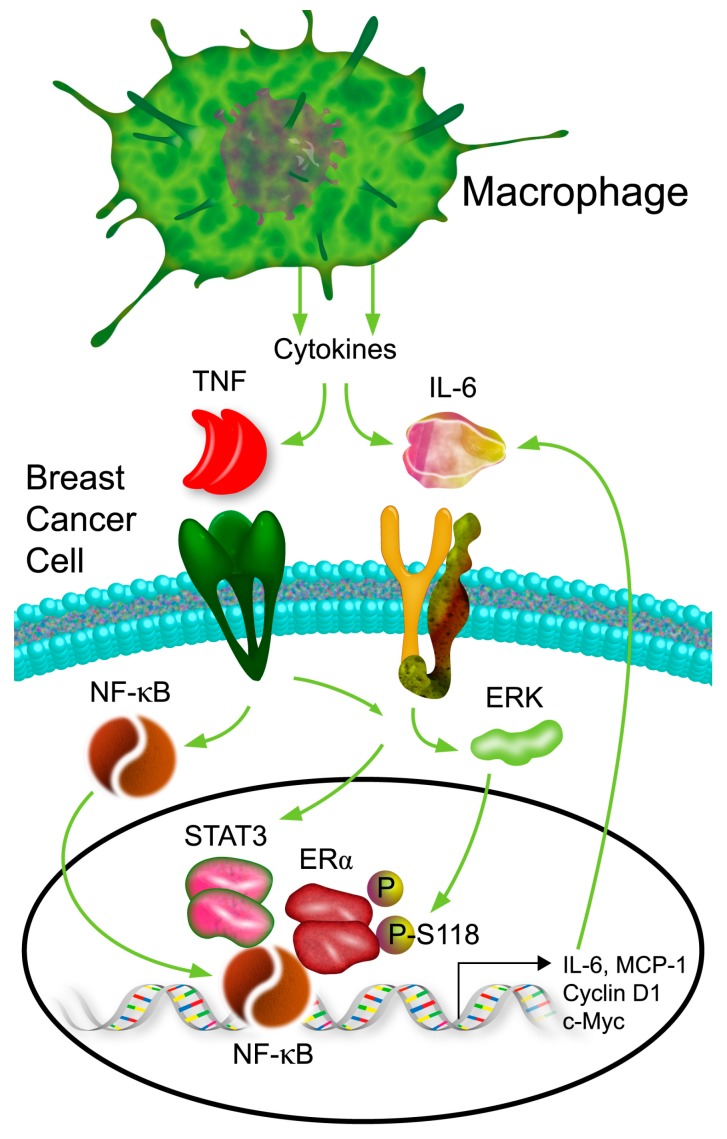
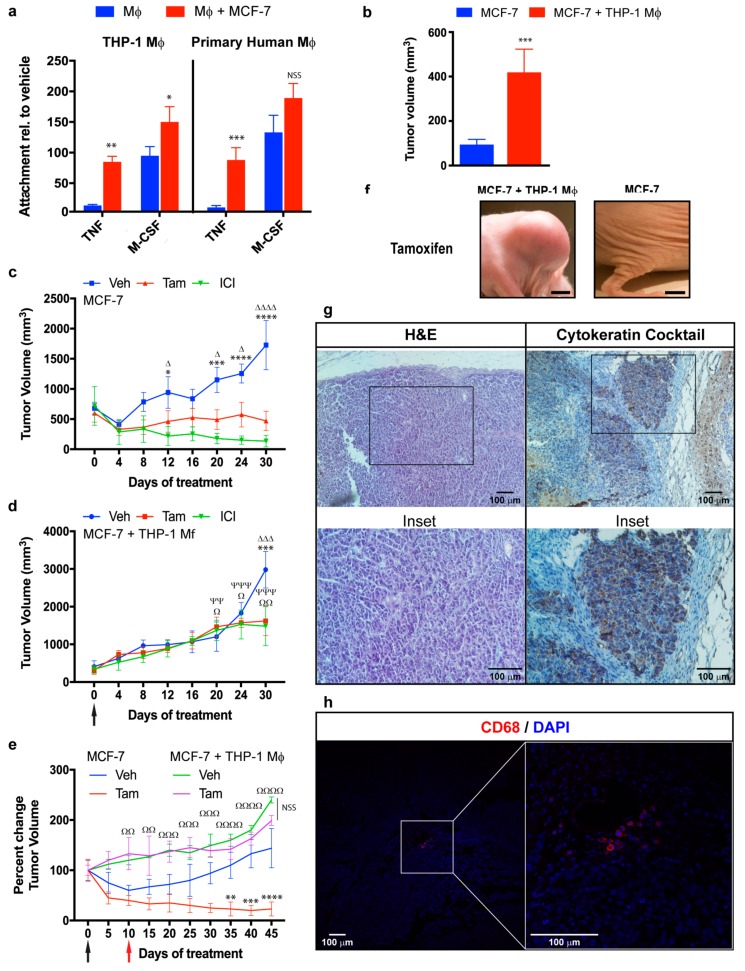
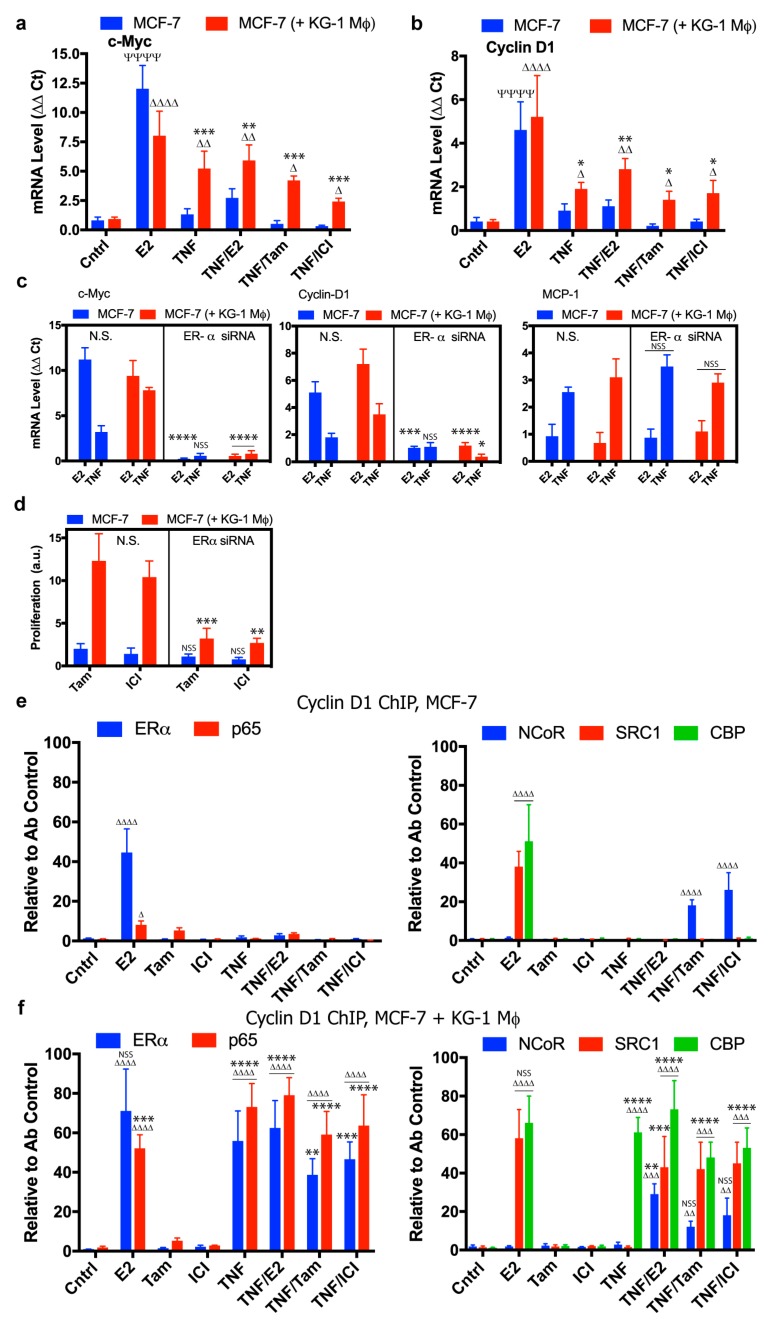
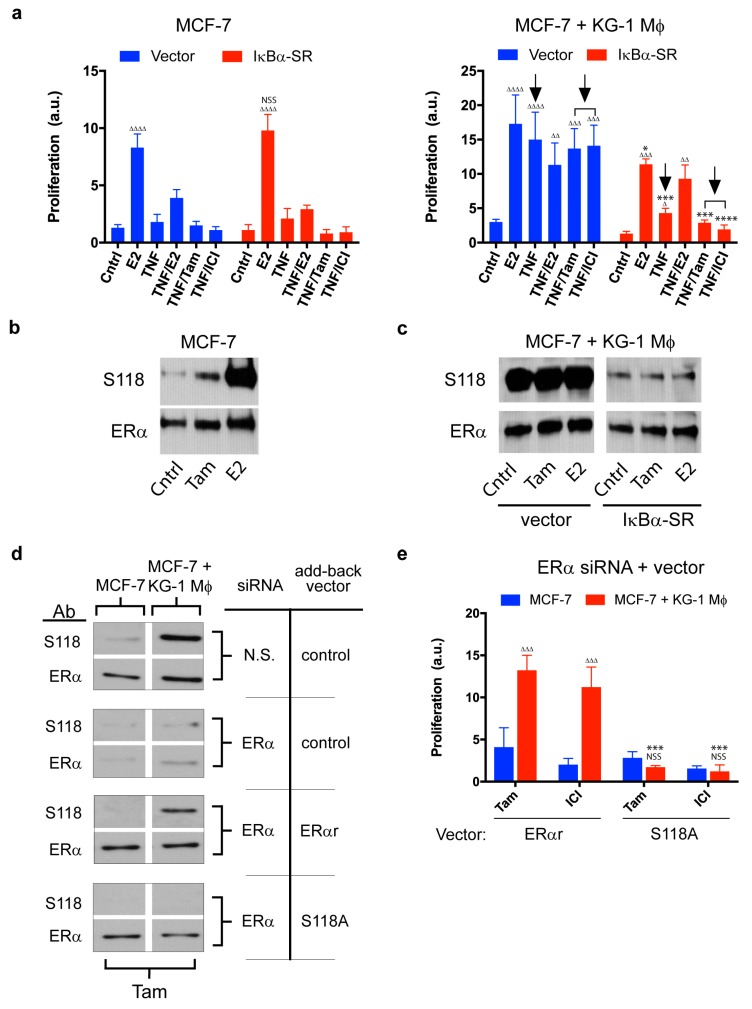
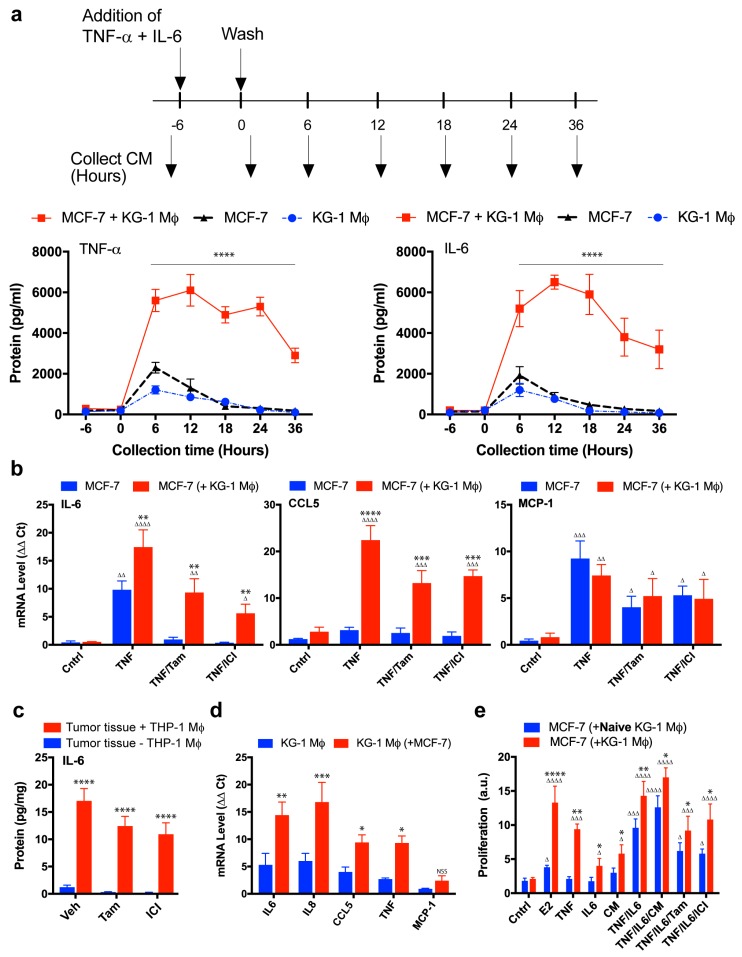
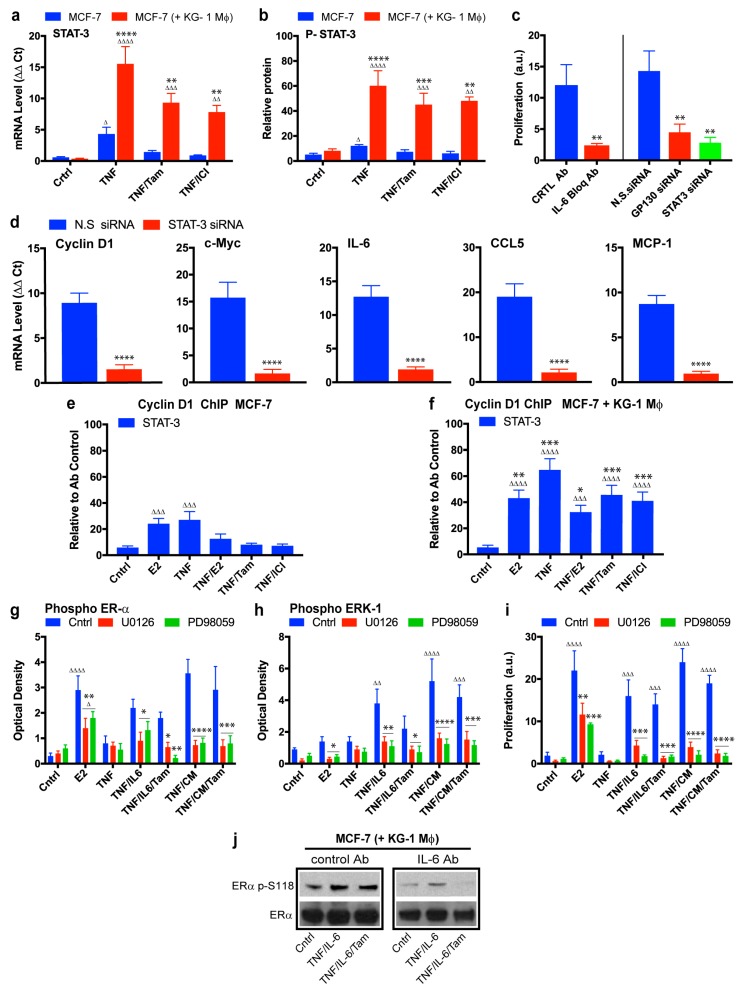
Antiestrogenic adjuvant treatments are first-line therapies in patients with breast cancer positive for estrogen receptor (ER+). Improvement of their treatment strategies is needed because most patients eventually acquire endocrine resistance and many others are initially refractory to anti-estrogen treatments. The tumor microenvironment plays essential roles in cancer development and progress; however, the molecular mechanisms underlying such effects remain poorly understood. Breast cancer cell lines co-cultured with TNF-α-conditioned macrophages were used as pro-inflammatory tumor microenvironment models. Proliferation, migration, and colony formation assays were performed to evaluate tamoxifen and ICI 182,780 resistance and confirmed in a mouse-xenograft model. Molecular mechanisms were investigated using cytokine antibody arrays, WB, ELISA, ChIP, siRNA, and qPCR-assays. In our simulated pro-inflammatory tumor microenvironment, tumor-associated macrophages promoted proliferation, migration, invasiveness, and breast tumor growth of ER+ cells, rendering these estrogen-dependent breast cancer cells resistant to estrogen withdrawal and tamoxifen or ICI 182,780 treatment. Crosstalk between breast cancer cells and conditioned macrophages induced sustained release of pro-inflammatory cytokines from both cell types, activation of NF-κB/STAT3/ERK in the cancer cells and hyperphosphorylation of ERα, which resulted constitutively active. Our simulated tumor microenvironment strongly altered endocrine and inflammatory signaling pathways in breast cancer cells, leading to endocrine resistance in these cells.
抗雌激素辅助治疗是雌激素受体阳性(ER+)乳腺癌患者的一线治疗方法。由于大多数患者最终会产生内分泌耐药性,而且许多其他患者最初对抗雌激素治疗无效,因此需要改进其治疗策略。肿瘤微环境在癌症发展和进展中起着至关重要的作用;然而,这种作用背后的分子机制仍知之甚少。与TNF-α预处理的巨噬细胞共培养的乳腺癌细胞系被用作促炎性肿瘤微环境模型。进行增殖、迁移和集落形成试验以评估他莫昔芬和ICI 182,780耐药性,并在小鼠异种移植模型中得到证实。使用细胞因子抗体阵列、WB、ELISA、ChIP、siRNA和qPCR分析研究分子机制。在我们模拟的促炎性肿瘤微环境中,肿瘤相关巨噬细胞促进了ER+细胞的增殖、迁移、侵袭和乳腺肿瘤生长,使这些雌激素依赖性乳腺癌细胞对雌激素剥夺以及他莫昔芬或ICI 182,780治疗产生耐药性。乳腺癌细胞与预处理的巨噬细胞之间的串扰诱导了两种细胞类型持续释放促炎细胞因子,激活了癌细胞中的NF-κB/STAT3/ERK以及ERα的过度磷酸化,从而使其持续激活。我们模拟的肿瘤微环境强烈改变了乳腺癌细胞中的内分泌和炎症信号通路,导致这些细胞产生内分泌耐药性。