Biomolecular Sciences Research Centre, Sheffield Hallam University, Sheffield, S1 1WB, UK.
Department of Anatomy and Histology, Faculty of Medicine, University of Kufa, Kufa, Iraq.
Sci Rep. 2019 Feb 12;9(1):1812. doi: 10.1038/s41598-019-38524-8.
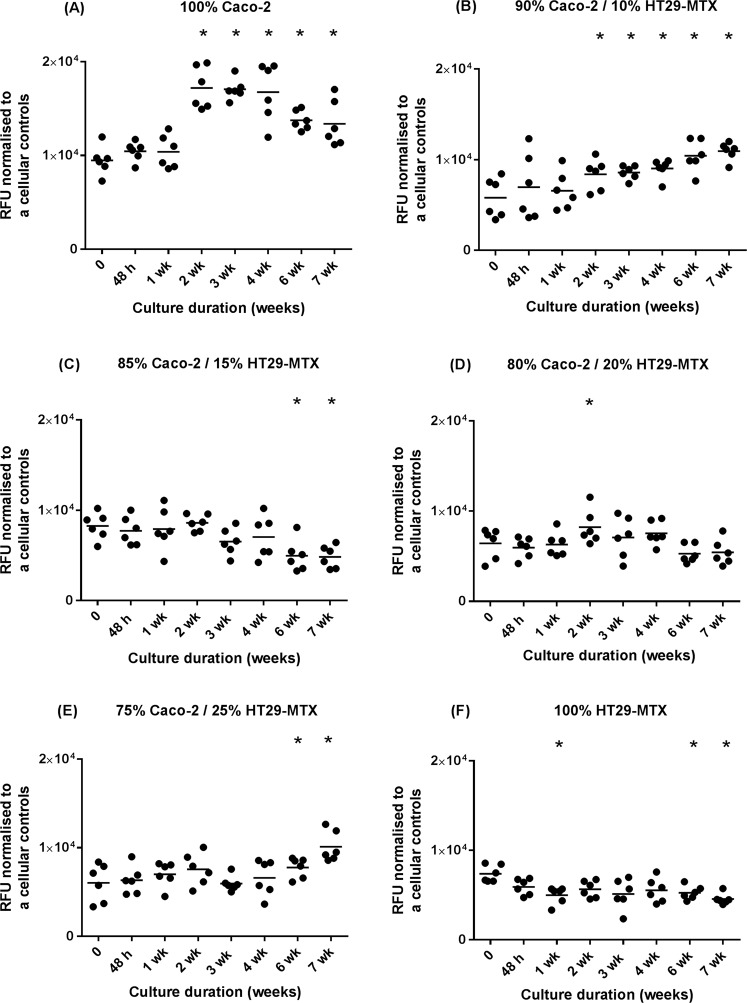
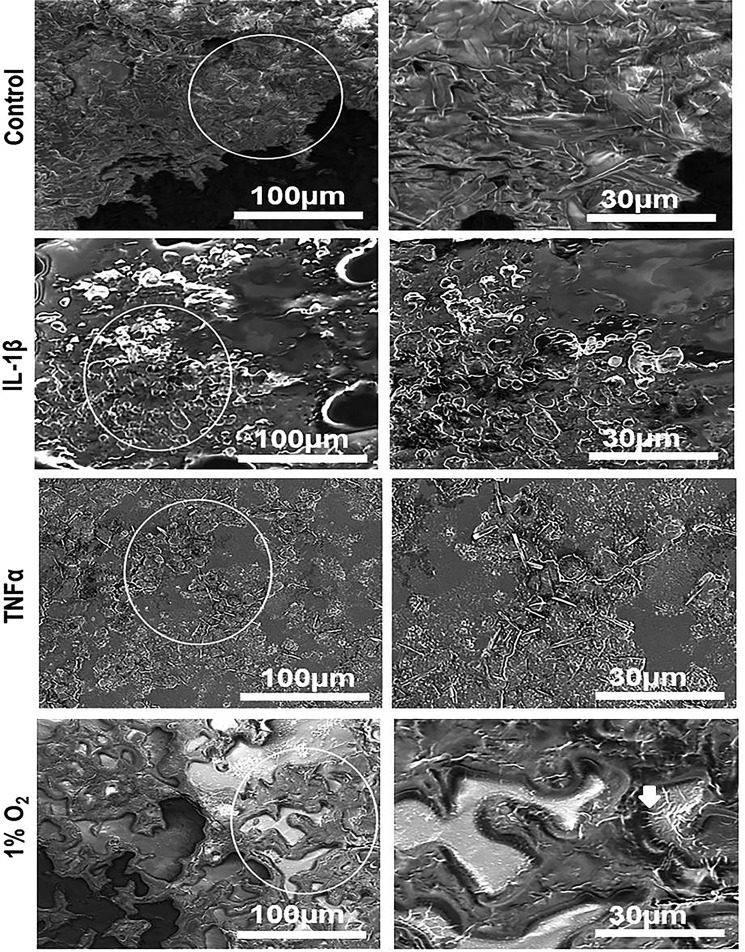
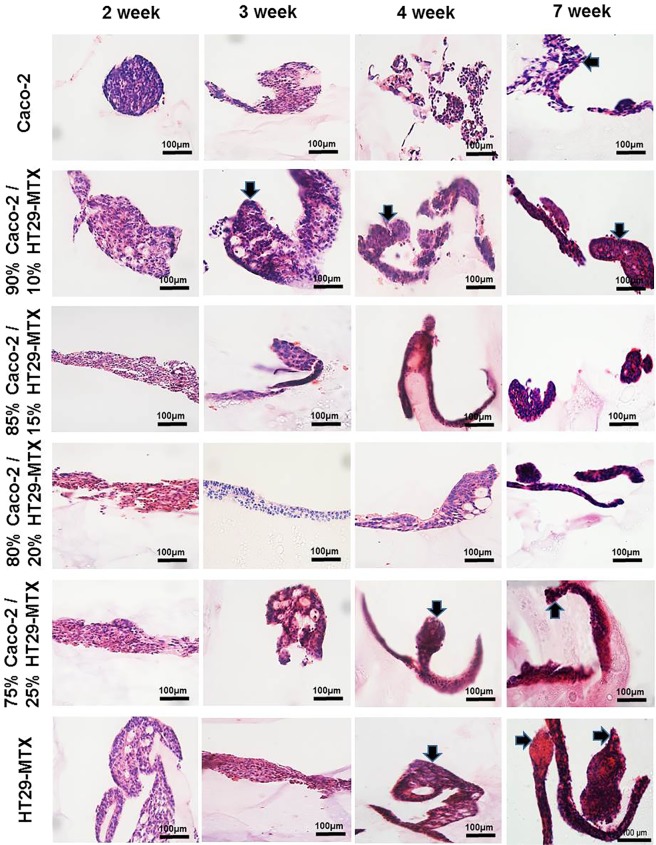
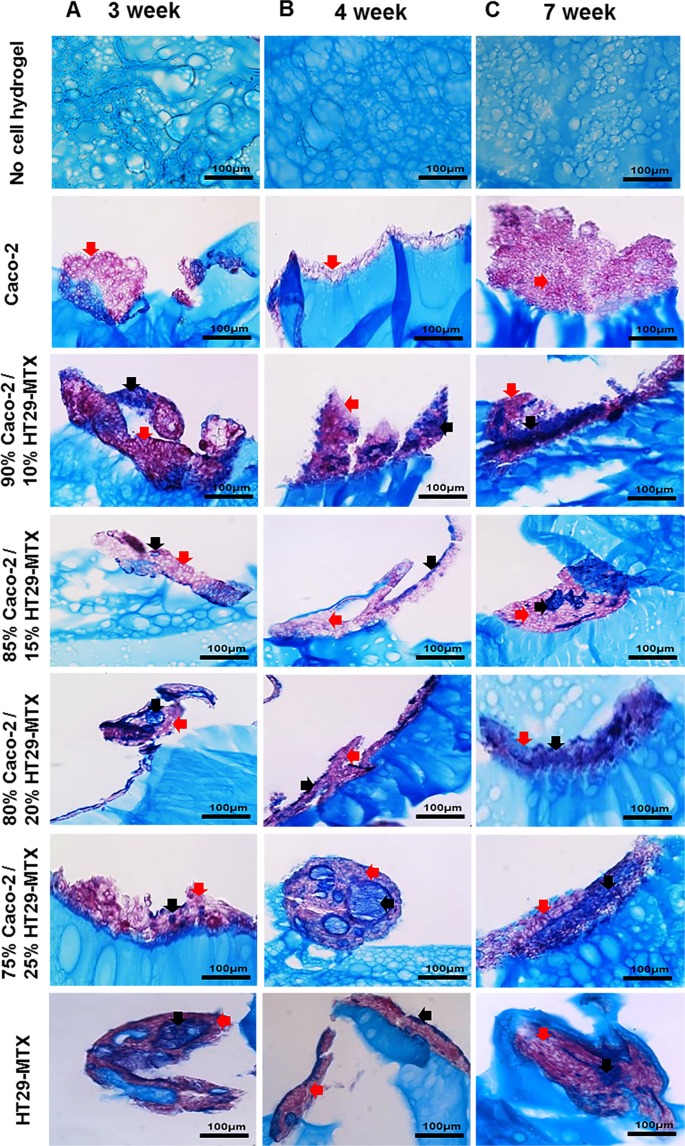
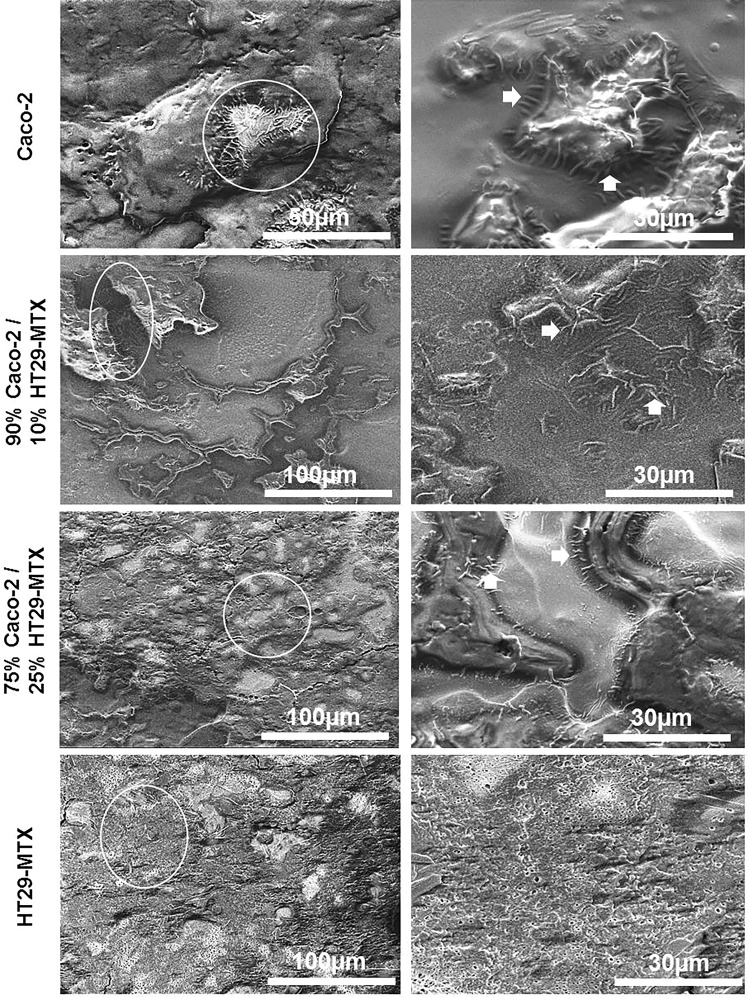
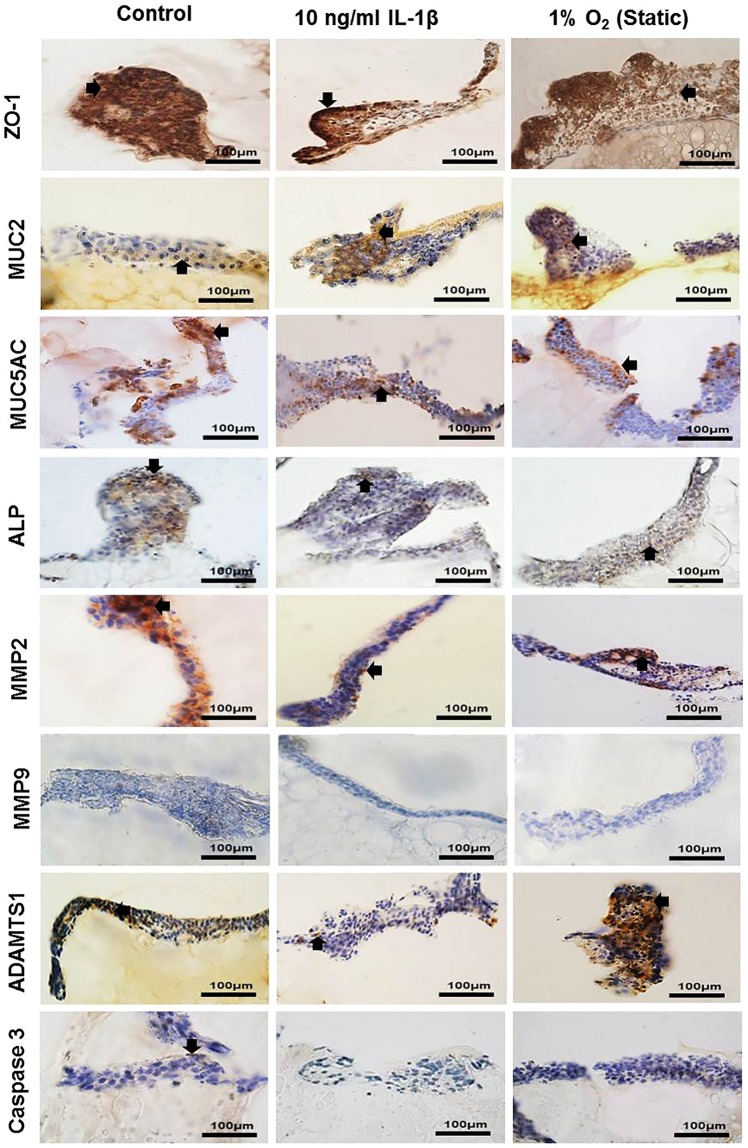
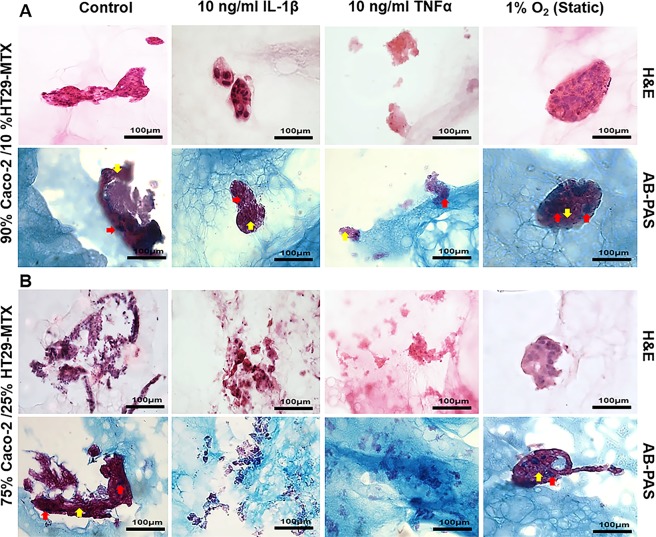
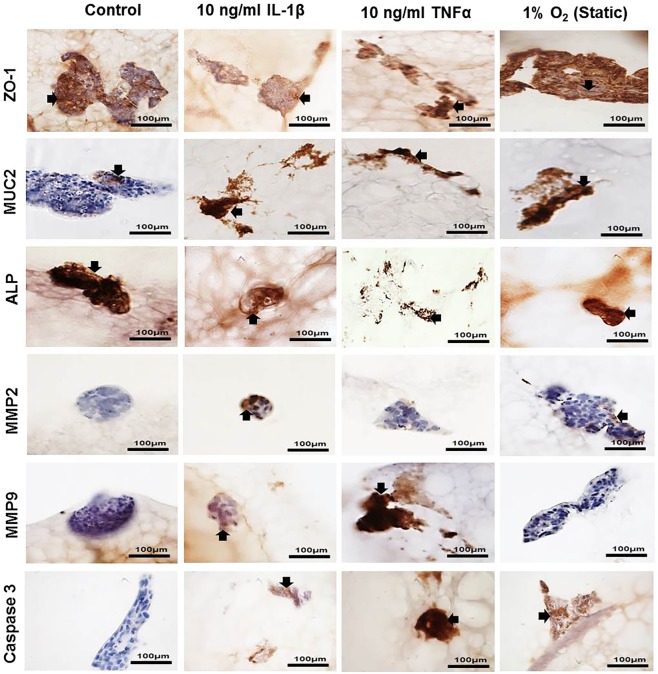
The in vitro study of the pathogenesis of inflammatory bowel disease (IBD) requires a cell model which closely reflects the characteristics of the in vivo intestinal epithelium. This study aimed to investigate the application of L-pNIPAM hydrogel as a scaffold to develop a long-term 3D co-culture model of Caco-2 and HT29-MTX cells under conditions analogous to inflammation, to determine its potential use in studying IBD. Monocultures and co-cultures were layered on L-pNIPAM hydrogel scaffolds and maintained under dynamic culture conditions for up to 12 weeks. Treatments with IL-1β, TNFα, and hypoxia for 1 week were used to create an inflammatory environment. Following prolonged culture, the metabolic activity of Caco-2 monoculture and 90% Caco-2/10% HT29-MTX co-cultures on L-pNIPAM hydrogels were increased, and finger-like structures, similar in appearance to villi were observed. Following treatment with IL-1β, TNFα and hypoxia, ALP and ZO-1 were decreased, MUC2 increased, and MUC5AC remained unchanged. ADAMTS1 was increased in response to hypoxia. Caspase 3 expression was increased in response to TNFα and hypoxic conditions. In conclusion, L-pNIPAM hydrogel supported long-term co-culture within a 3D model. Furthermore, stimulation with factors seen during inflammation recapitulated features seen during IBD.
炎症性肠病(IBD)发病机制的体外研究需要一种细胞模型,该模型能密切反映体内肠上皮的特征。本研究旨在探讨 L-pNIPAM 水凝胶作为支架在类似炎症条件下开发 Caco-2 和 HT29-MTX 细胞长期 3D 共培养模型的应用,以确定其在研究 IBD 中的潜在用途。单层培养物和共培养物分层在 L-pNIPAM 水凝胶支架上,并在动态培养条件下维持长达 12 周。用 IL-1β、TNFα 和缺氧处理 1 周,以创建炎症环境。经过长时间培养后,Caco-2 单层培养物和 90% Caco-2/10% HT29-MTX 共培养物在 L-pNIPAM 水凝胶上的代谢活性增加,并观察到类似绒毛的指状结构。用 IL-1β、TNFα 和缺氧处理后,ALP 和 ZO-1 减少,MUC2 增加,MUC5AC 不变。ADAMTS1 对缺氧有反应性增加。Caspase 3 的表达对 TNFα 和缺氧条件有反应性增加。总之,L-pNIPAM 水凝胶支持 3D 模型中的长期共培养。此外,用炎症过程中观察到的因素刺激可再现 IBD 期间的特征。