Neurorepair Department, Mossakowski Medical Research Centre, Polish Academy of Sciences, 5 A. Pawinskiego Street, 02-106, Warsaw, Poland.
Mol Neurobiol. 2019 Sep;56(9):6341-6370. doi: 10.1007/s12035-019-1518-1. Epub 2019 Feb 14.
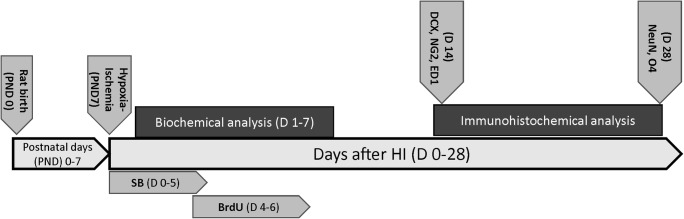
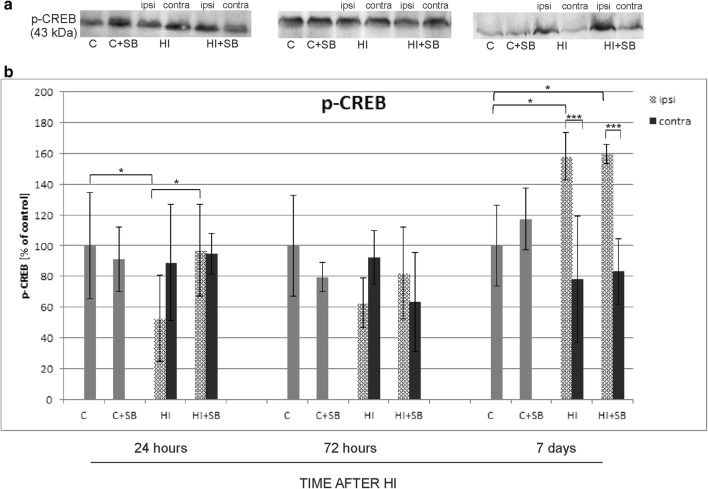
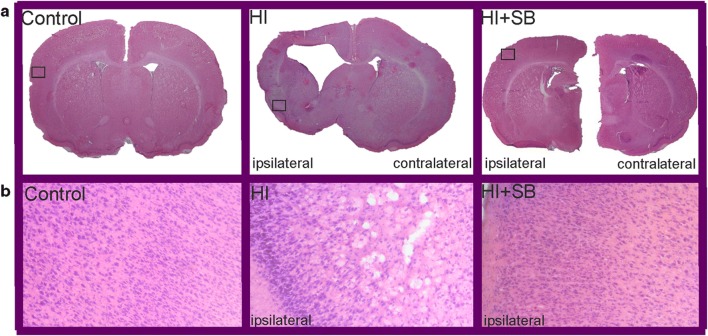
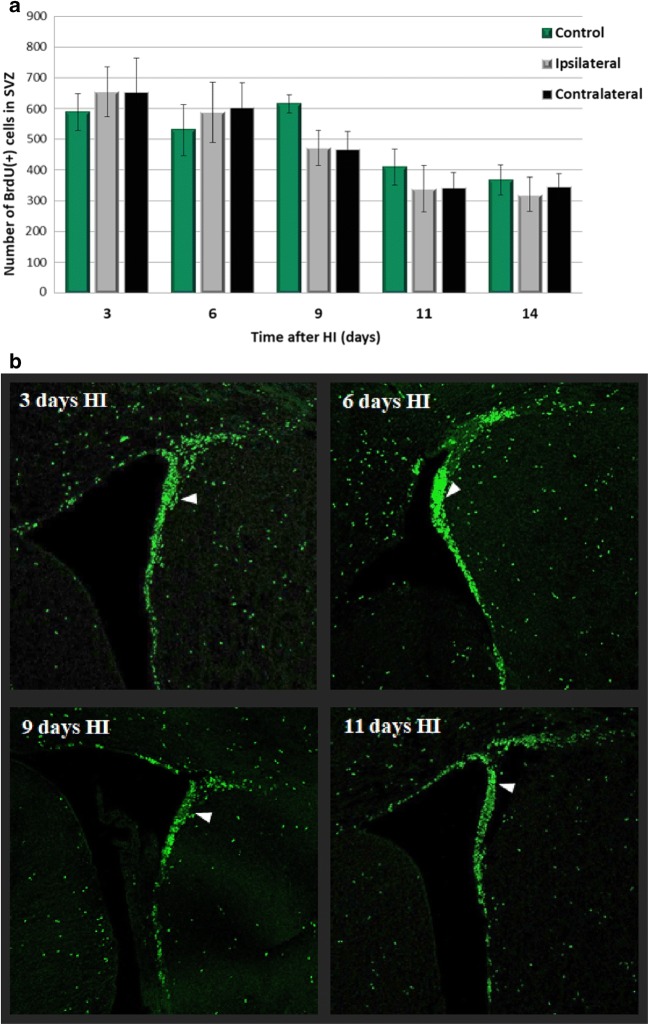
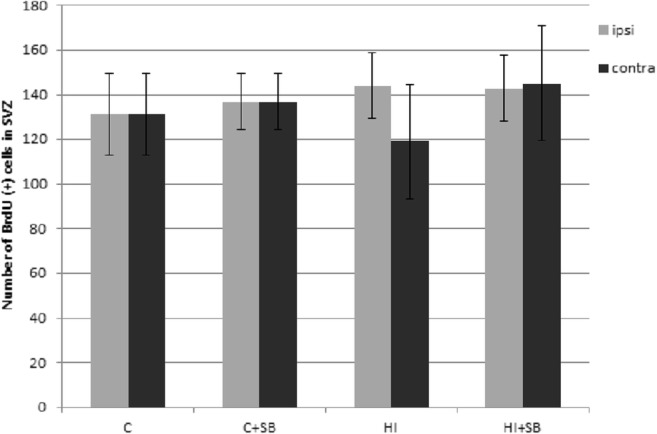
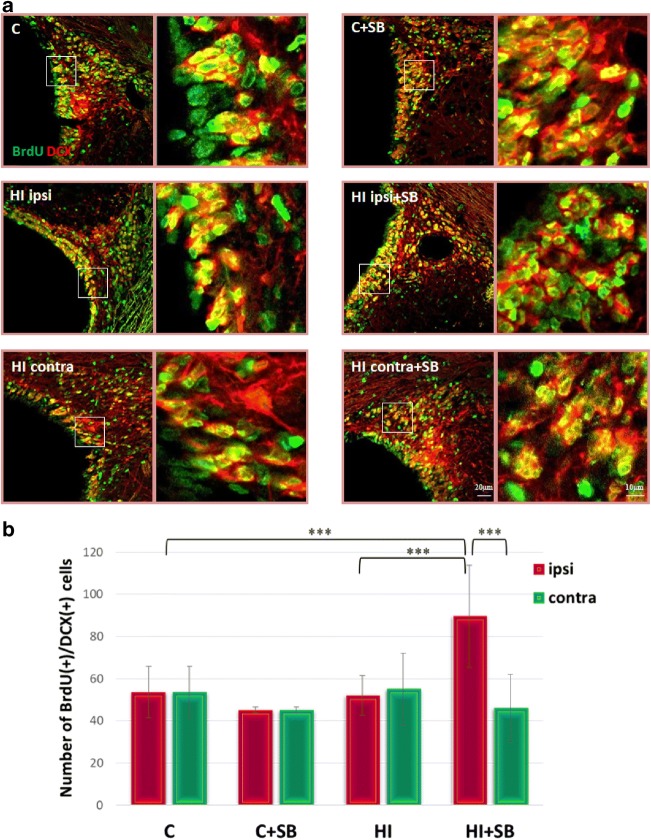
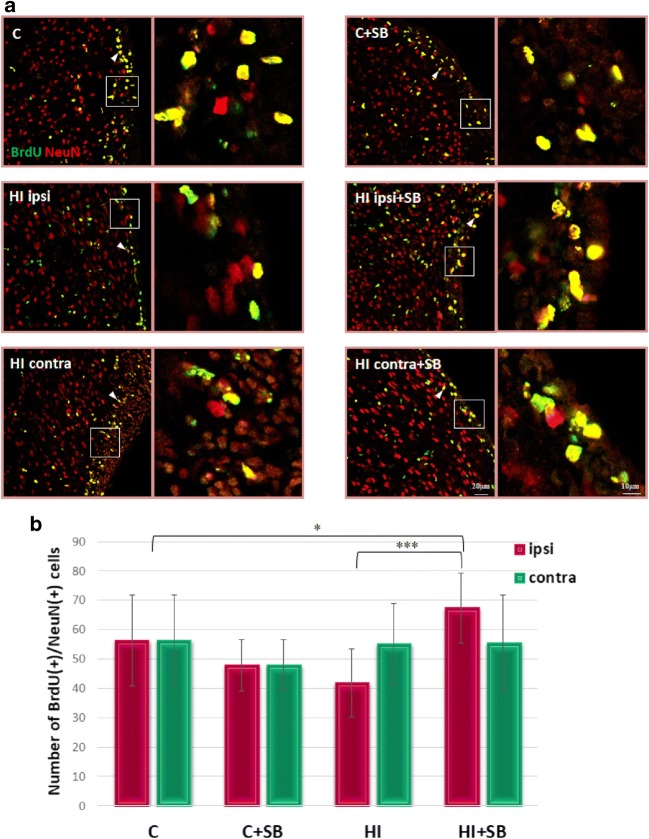
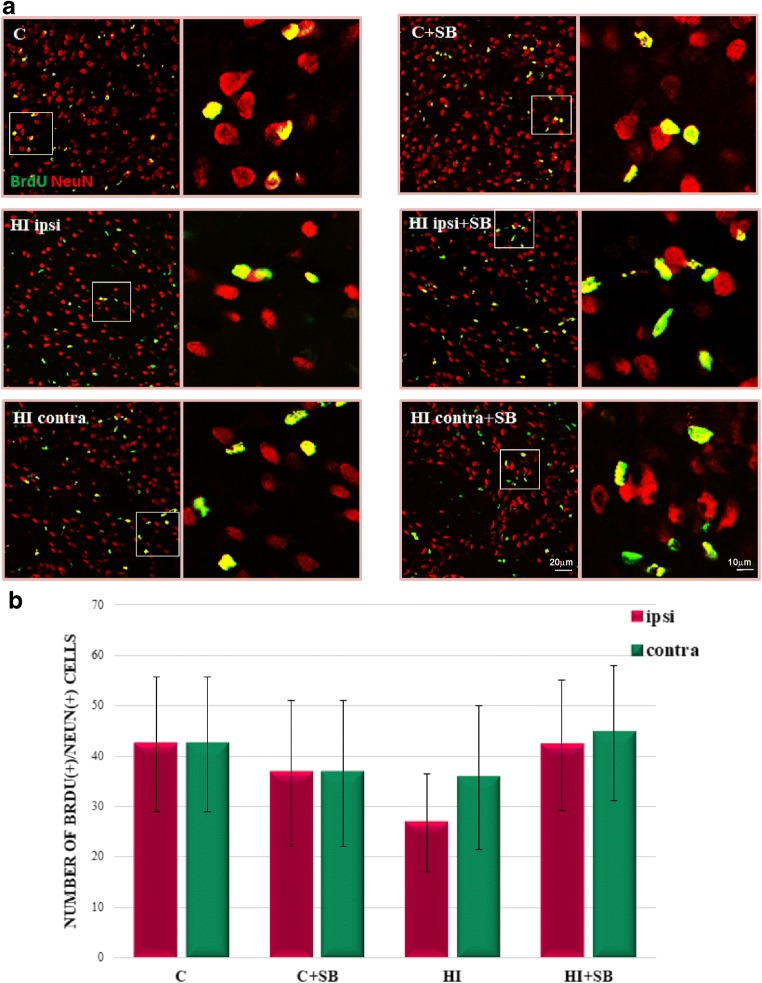
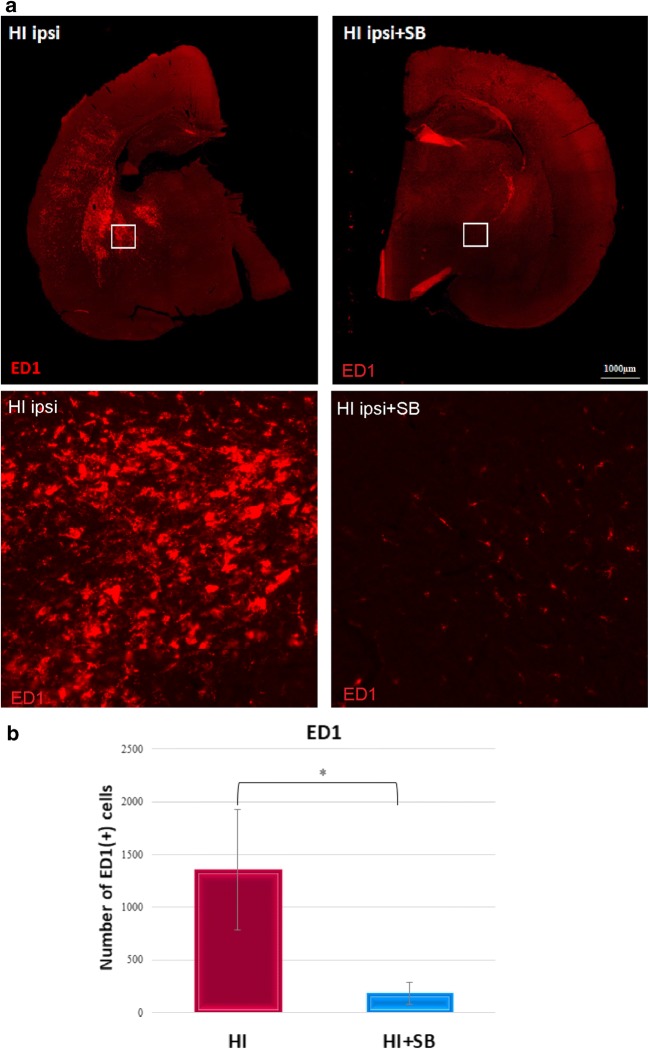
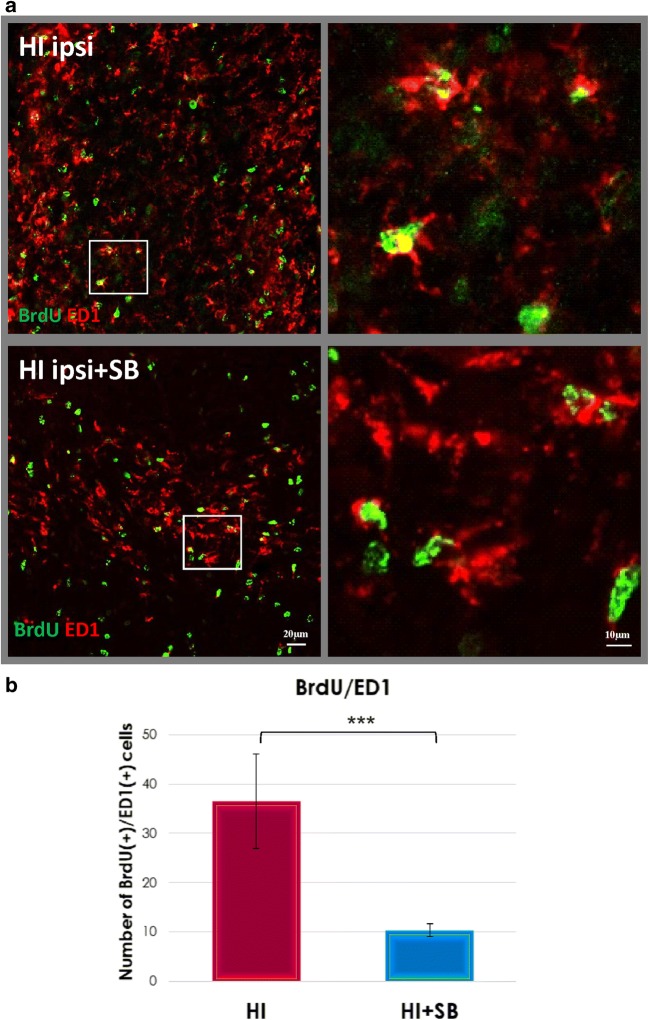
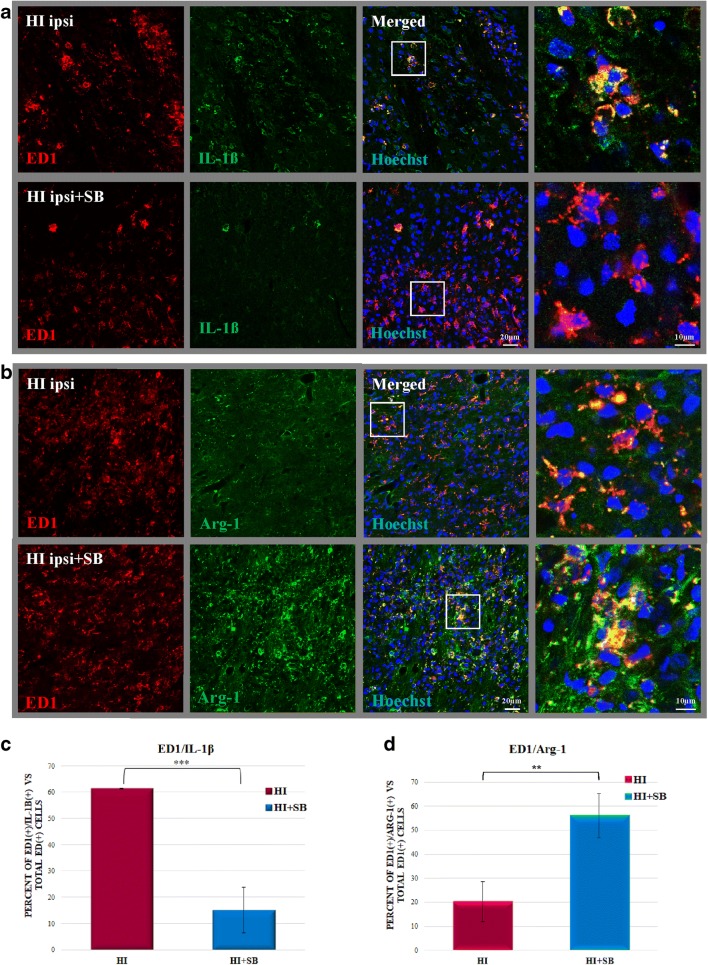
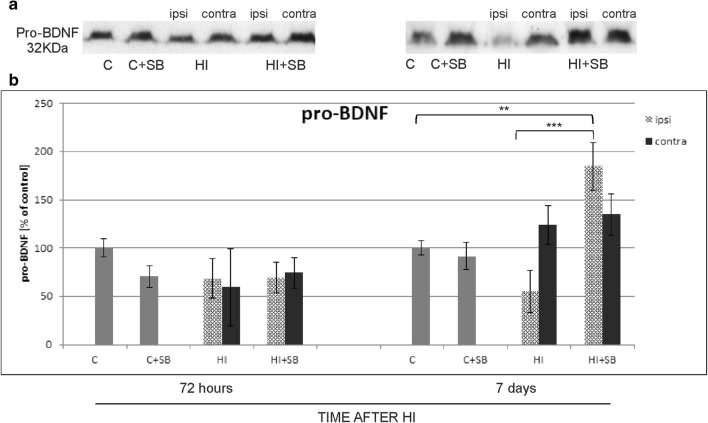
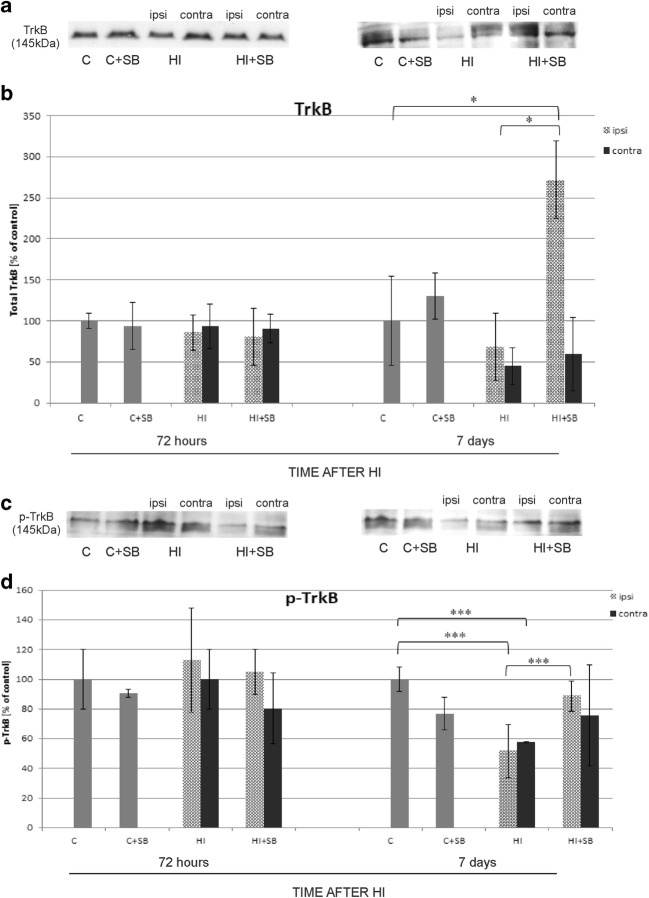
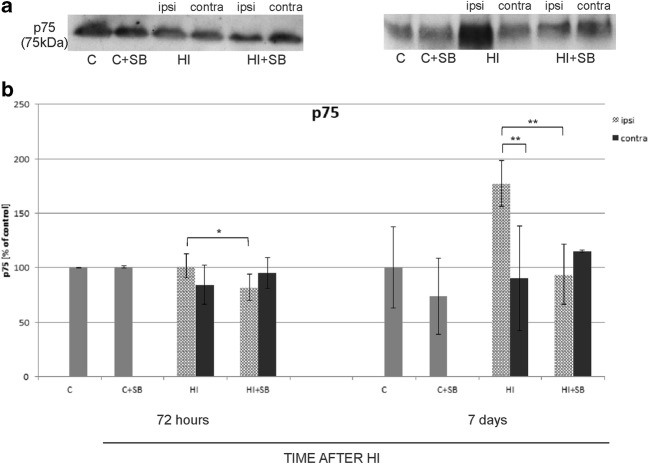
Neonatal hypoxic-ischemic (HI) brain injury likely represents the major cause of long-term neurodevelopmental disabilities in surviving babies. Despite significant investigations, there is not yet any known reliable treatment to reduce brain damage in suffering infants. Our recent studies in an animal model of HI revealed the therapeutic potential of a histone deacetylase inhibitor (HDACi). The neuroprotective action was connected with the stimulation of neurogenesis in the dentate gyrus subgranular zone. In the current study, we investigated whether HDACi-sodium butyrate (SB)-would also lead to neurogenesis in the subventricular zone (SVZ). By using a neonatal rat model of hypoxia-ischemia, we found that SB treatment stimulated neurogenesis in the damaged ipsilateral side, based on increased DCX labeling, and restored the number of neuronal cells in the SVZ ipsilateral to lesioning. The neurogenic effect was associated with inhibition of inflammation, expressed by a transition of microglia to the anti-inflammatory phenotype (M2). In addition, the administration of SB increased the activation of the TrkB receptor and the phosphorylation of the transcription factor-CREB-in the ipsilateral hemisphere. In contrast, SB administration reduced the level of HI-induced p75. Together, these results suggest that BDNF-TrkB signaling plays an important role in SB-induced neurogenesis after HI. These findings provide the basis for clinical approaches targeted at protecting the newborn brain damage, which may prove beneficial for treating neonatal hypoxia-ischemia.
新生儿缺氧缺血性(HI)脑损伤可能是幸存婴儿长期神经发育障碍的主要原因。尽管进行了大量研究,但目前尚无已知的可靠治疗方法来减轻患病婴儿的脑损伤。我们最近在 HI 动物模型中的研究揭示了组蛋白去乙酰化酶抑制剂(HDACi)的治疗潜力。神经保护作用与齿状回颗粒下区的神经发生刺激有关。在本研究中,我们研究了 HDACi-丁酸钠(SB)是否也会导致侧脑室下区(SVZ)的神经发生。通过使用新生大鼠缺氧缺血模型,我们发现 SB 治疗可通过增加 DCX 标记来刺激损伤侧的神经发生,并恢复 SVZ 中与损伤同侧的神经元细胞数量。神经发生效应与炎症抑制有关,表现为小胶质细胞向抗炎表型(M2)的转变。此外,SB 的给药增加了对侧大脑半球中 TrkB 受体的激活和转录因子-CREB 的磷酸化。相比之下,SB 给药可降低 HI 诱导的 p75 水平。总之,这些结果表明 BDNF-TrkB 信号在 HI 后 SB 诱导的神经发生中起重要作用。这些发现为针对保护新生儿脑损伤的临床方法提供了基础,这可能对治疗新生儿缺氧缺血有益。