Jeong Hoseong, Han Sun-Jin, Choi Seung-Ho, Lee Yoon Jung, Yi Seong Tae, Kim Kang Su
Department of Architectural Engineering, University of Seoul, 163, Seoulsiripdae-ro, Dongdaemun-gu, Seoul 02504, Korea.
Department of Civil Engineering, Inha College, 100, Inha-ro, Nam-gu, Incheon 22212, Korea.
Materials (Basel). 2019 Feb 21;12(4):657. doi: 10.3390/ma12040657.
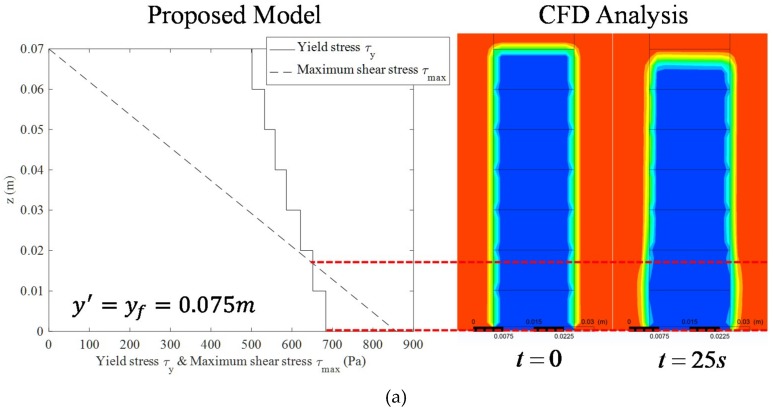
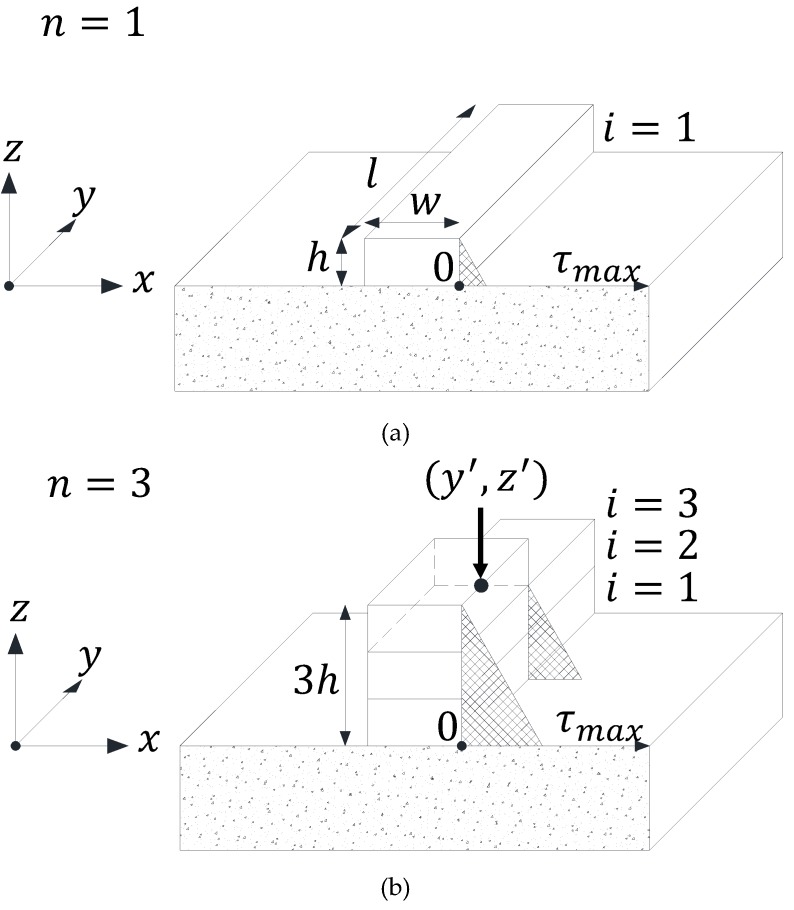
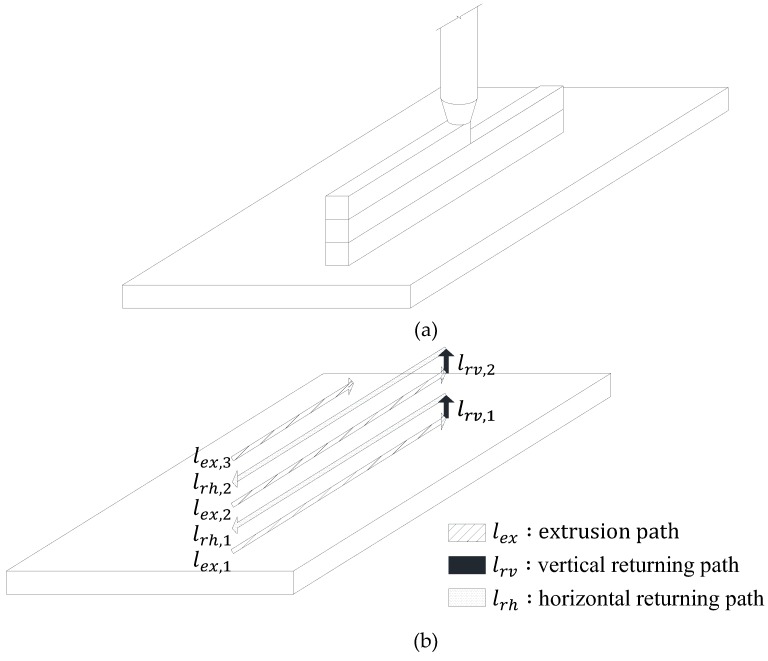
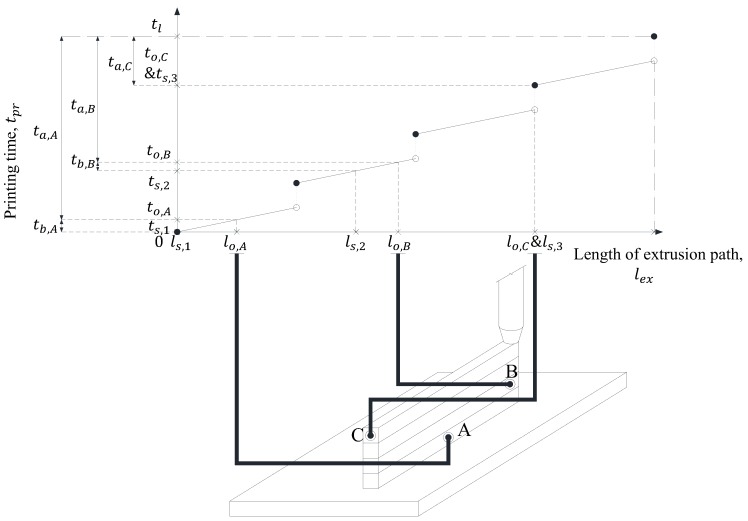
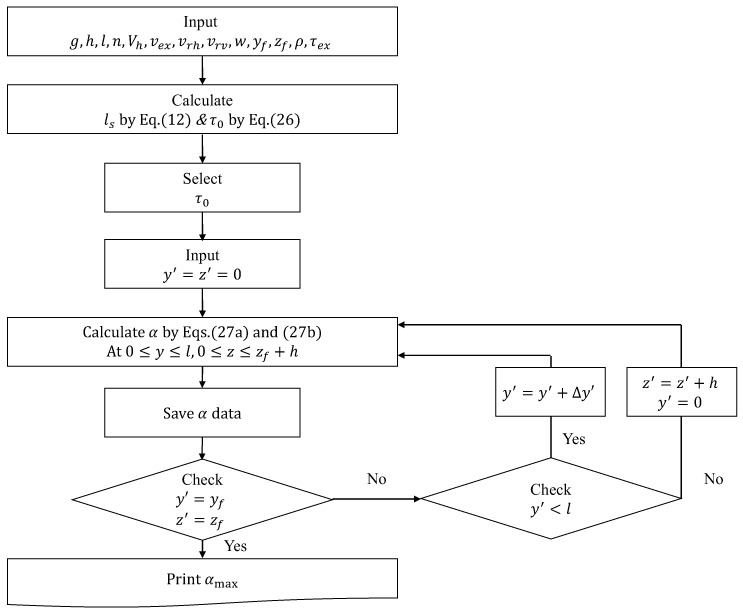
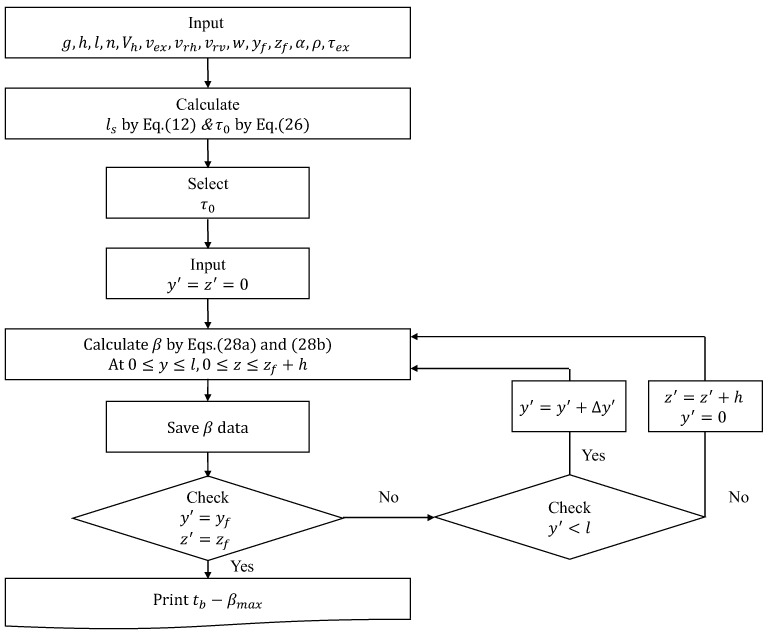
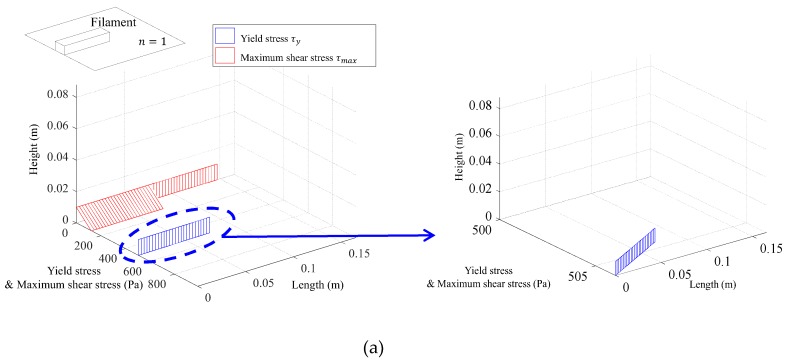
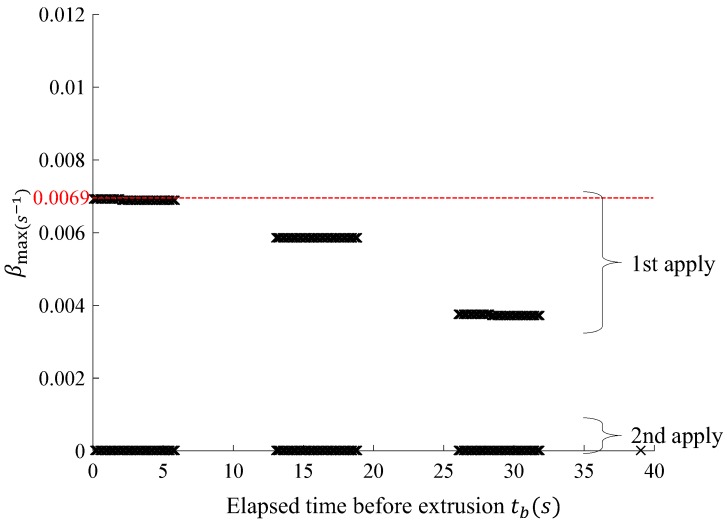
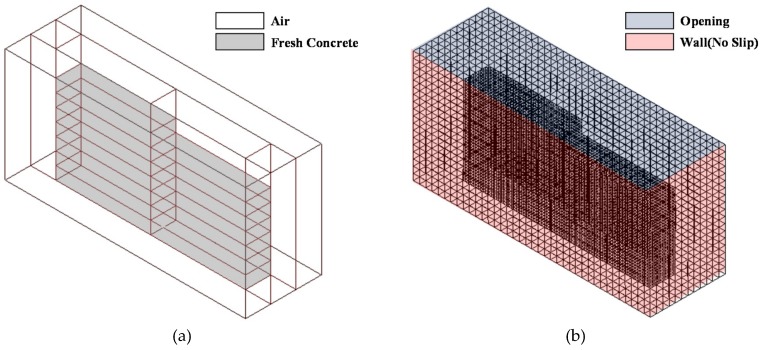
Fresh concrete used in 3D printing should ensure adequate yield stress, otherwise the printed concrete layer may suffer intolerable deformation or collapse during the printing process. In response to this issue, an analytical study was carried out to derive the initial yield stress and hardening coefficient of fresh concrete suitable for 3D printing. The maximum shear stress distribution of fresh concrete was calculated using a stress transformation equation derived from the equilibrium condition of forces. In addition, the elapsed time experienced by fresh concrete during the printing processes was estimated and was then substituted into the elapsed time-yield stress function to calculate the yield stress distribution. Based on these results, an algorithm capable of deriving both the initial yield stress and the hardening coefficient required for printing fresh concrete up to the target height was proposed and computational fluid dynamics (CFD) analyses were performed to verify the accuracy of the proposed model.
用于3D打印的新拌混凝土应确保有足够的屈服应力,否则打印的混凝土层在打印过程中可能会出现无法承受的变形或坍塌。针对这一问题,开展了一项分析研究,以推导适用于3D打印的新拌混凝土的初始屈服应力和硬化系数。利用从力的平衡条件导出的应力转换方程计算新拌混凝土的最大剪应力分布。此外,估算了新拌混凝土在打印过程中经历的时间,然后将其代入时间-屈服应力函数来计算屈服应力分布。基于这些结果,提出了一种能够推导打印新拌混凝土至目标高度所需的初始屈服应力和硬化系数的算法,并进行了计算流体动力学(CFD)分析以验证所提模型的准确性。