Department of Pathology, Riga Stradins University, LV-1007 Riga, Latvia.
Latvian Biomedical Research and Study Centre, LV-1067 Riga, Latvia.
Cells. 2019 Feb 28;8(3):208. doi: 10.3390/cells8030208.
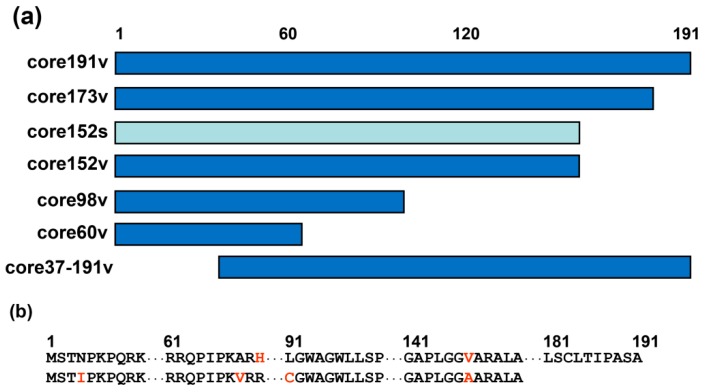
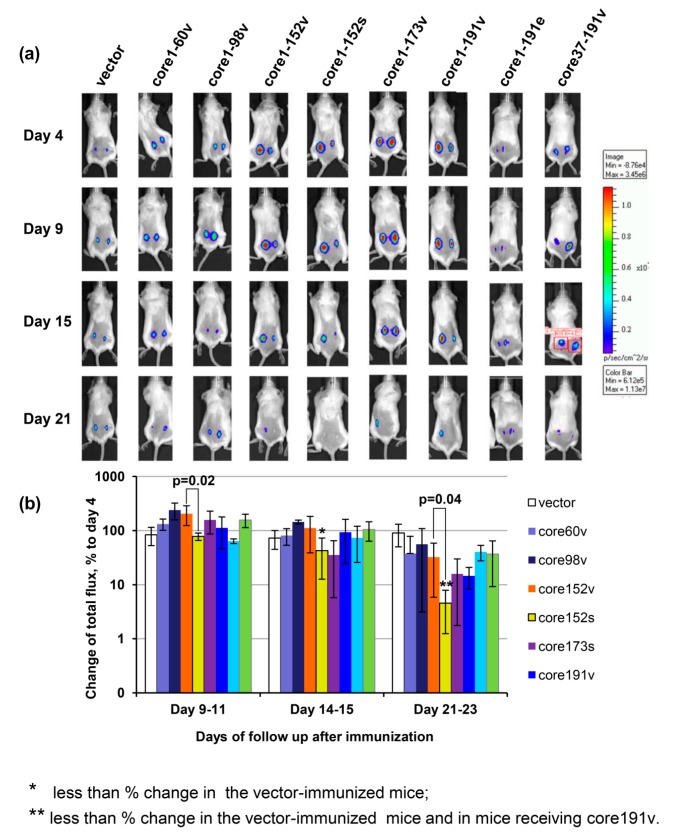
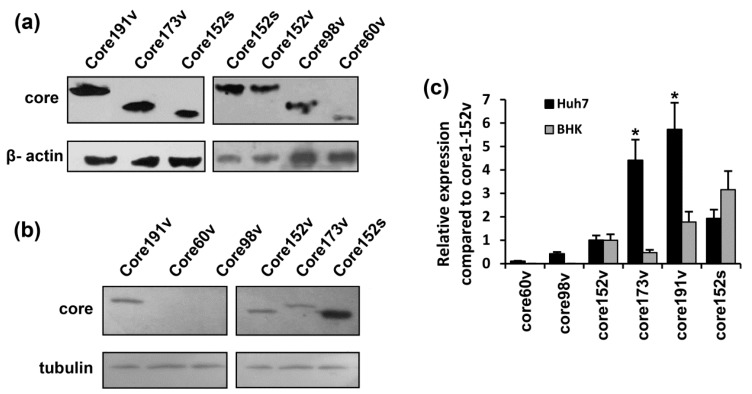
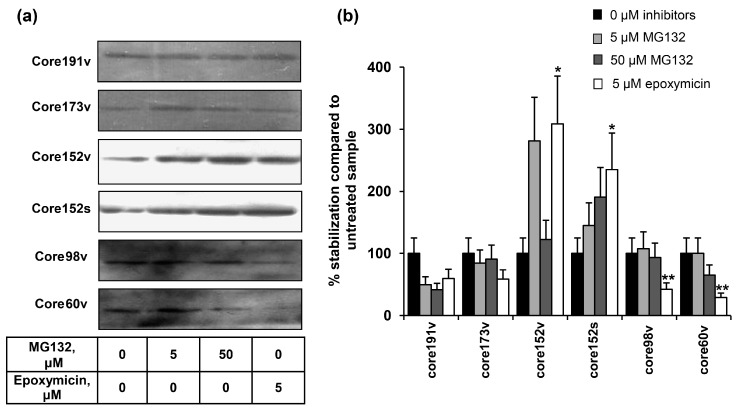
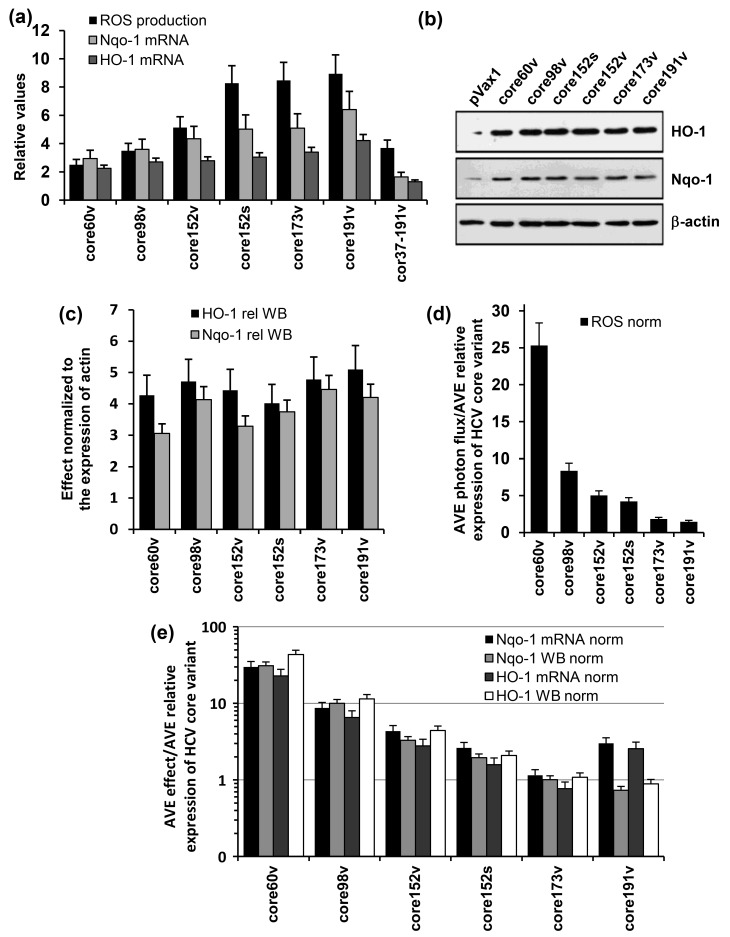
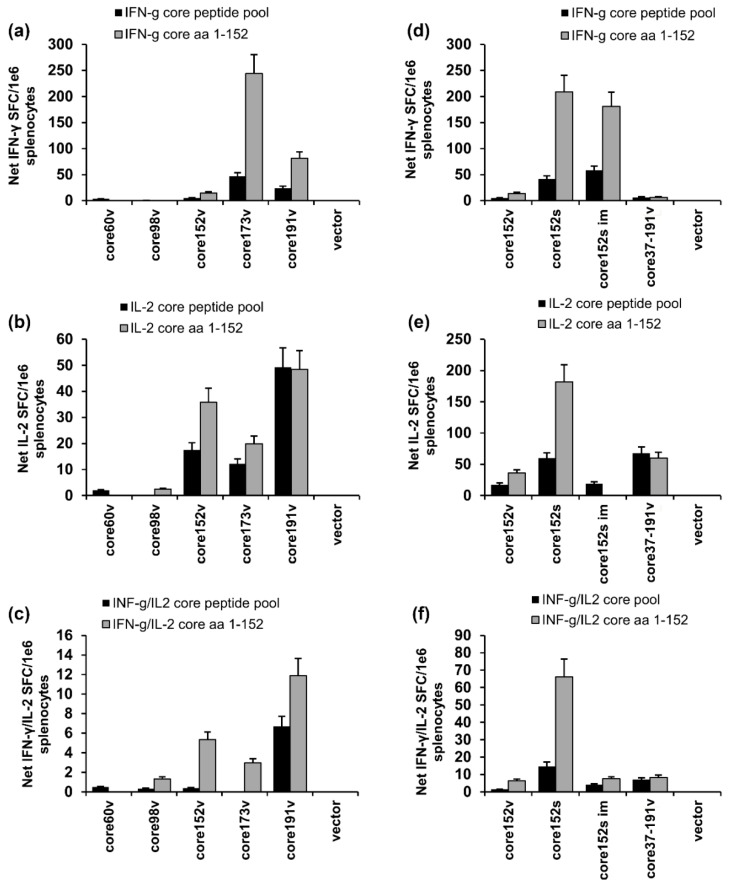
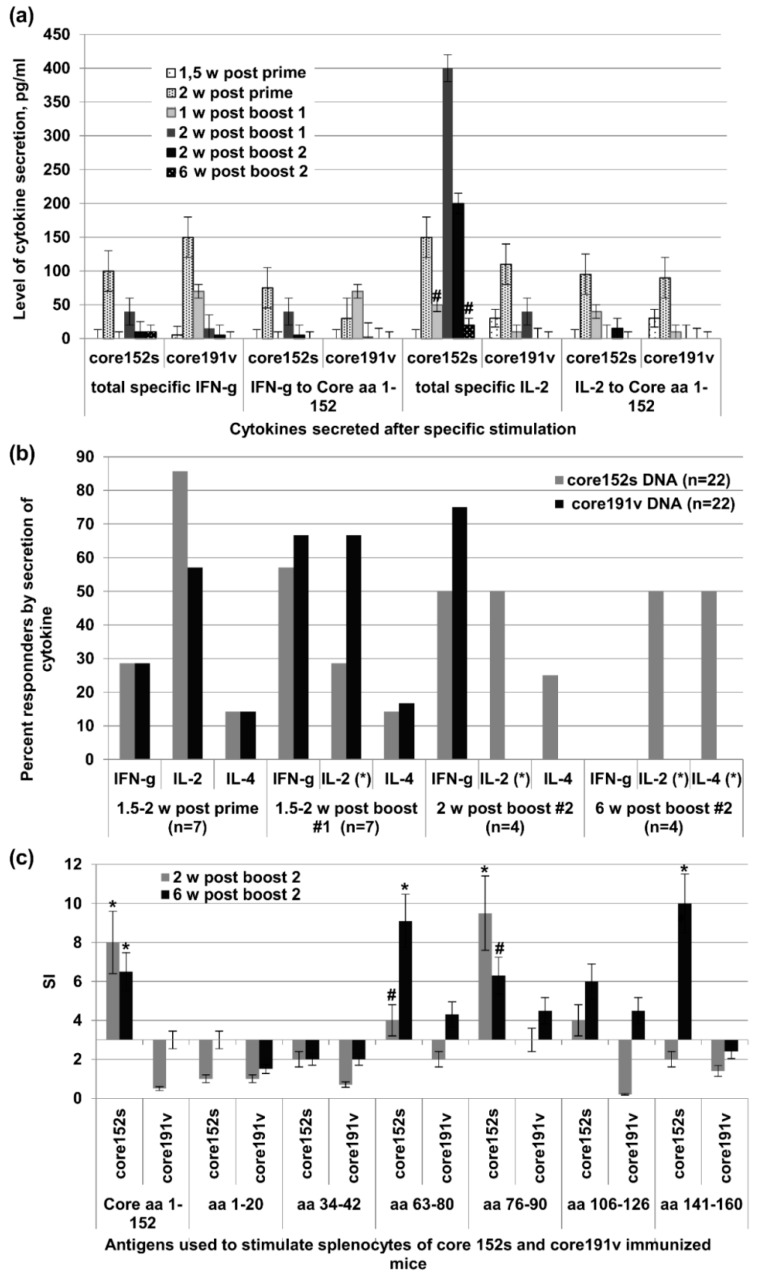
HCV core is an attractive HCV vaccine target, however, clinical or preclinical trials of core-based vaccines showed little success. We aimed to delineate what restricts its immunogenicity and improve immunogenic performance in mice. We designed plasmids encoding full-length HCV 1b core and its variants truncated after amino acids (aa) 60, 98, 152, 173, or up to aa 36 using virus-derived or synthetic polynucleotides (core191/60/98/152/173/36_191v or core152s DNA, respectively). We assessed their level of expression, route of degradation, ability to trigger the production of reactive oxygen species/ROS, and to activate the components of the Nrf2/ARE antioxidant defense pathway heme oxygenase 1/HO-1 and NAD(P)H: quinone oxidoreductase/Nqo-1. All core variants with the intact N-terminus induced production of ROS, and up-regulated expression of HO-1 and Nqo-1. The capacity of core variants to induce ROS and up-regulate HO-1 and Nqo-1 expression predetermined their immunogenicity in DNA-immunized BALB/c and C57BL/6 mice. The most immunogenic was core 152s, expressed at a modest level and inducing moderate oxidative stress and oxidative stress response. Thus, immunogenicity of HCV core is shaped by its ability to induce ROS and oxidative stress response. These considerations are important in understanding the mechanisms of viral suppression of cellular immune response and in HCV vaccine design.
丙型肝炎病毒核心是一种有吸引力的丙型肝炎病毒疫苗靶点,然而,基于核心的临床或临床前疫苗试验显示效果甚微。我们旨在阐明限制其免疫原性的因素,并提高其在小鼠中的免疫原性。我们设计了编码全长丙型肝炎病毒 1b 核心及其在氨基酸(aa)60、98、152、173 或最多至 aa 36 后截断的变体的质粒,使用病毒衍生或合成多核苷酸(core191/60/98/152/173/36_191v 或 core152s DNA)。我们评估了它们的表达水平、降解途径、触发活性氧(ROS)产生的能力、以及激活 Nrf2/ARE 抗氧化防御途径血红素加氧酶 1(HO-1)和 NAD(P)H:醌氧化还原酶/Nqo-1 的成分的能力。所有具有完整 N 末端的核心变体均可诱导 ROS 的产生,并上调 HO-1 和 Nqo-1 的表达。核心变体诱导 ROS 产生和上调 HO-1 和 Nqo-1 表达的能力决定了其在 DNA 免疫的 BALB/c 和 C57BL/6 小鼠中的免疫原性。最具免疫原性的是核心 152s,其表达水平适度,可诱导适度的氧化应激和氧化应激反应。因此,丙型肝炎病毒核心的免疫原性由其诱导 ROS 和氧化应激反应的能力决定。这些考虑因素对于理解病毒抑制细胞免疫反应的机制以及丙型肝炎病毒疫苗设计非常重要。