Unit of Synthesis & Biomedical Applications of Peptides, Institute of Advanced Chemistry of Catalonia (IQAC-CSIC), Jordi Girona 18-26, 08034, Barcelona, Spain.
Nuclear Magnetic Resonance Facility, IQAC-CSIC, Barcelona, Spain.
Sci Rep. 2019 Mar 1;9(1):3257. doi: 10.1038/s41598-019-40125-4.
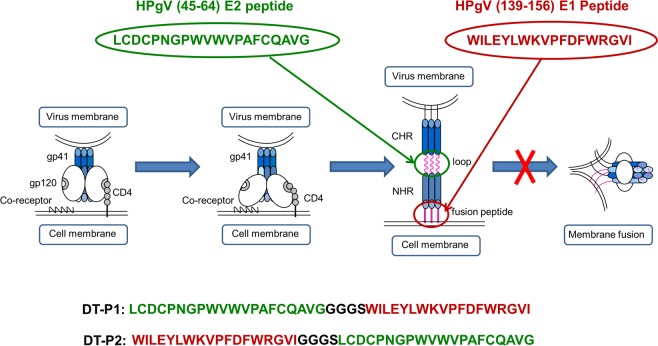
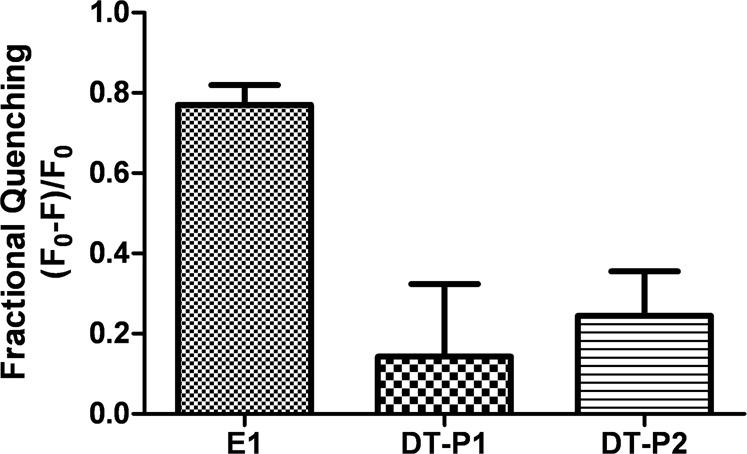
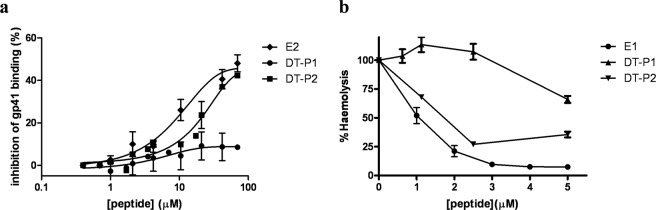
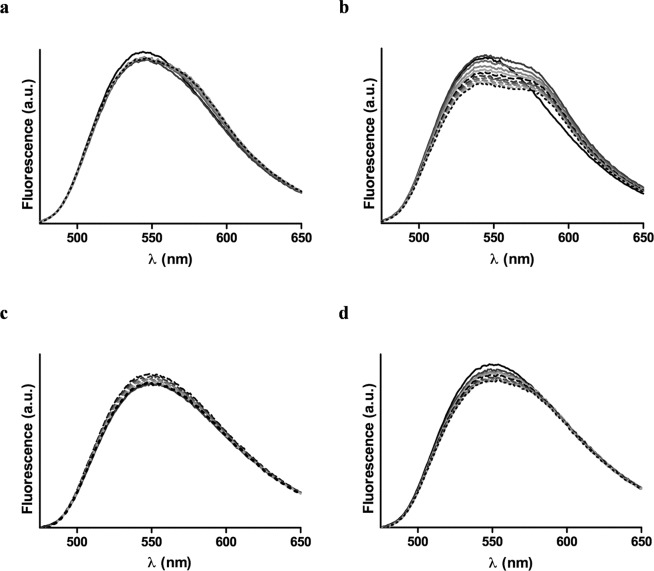
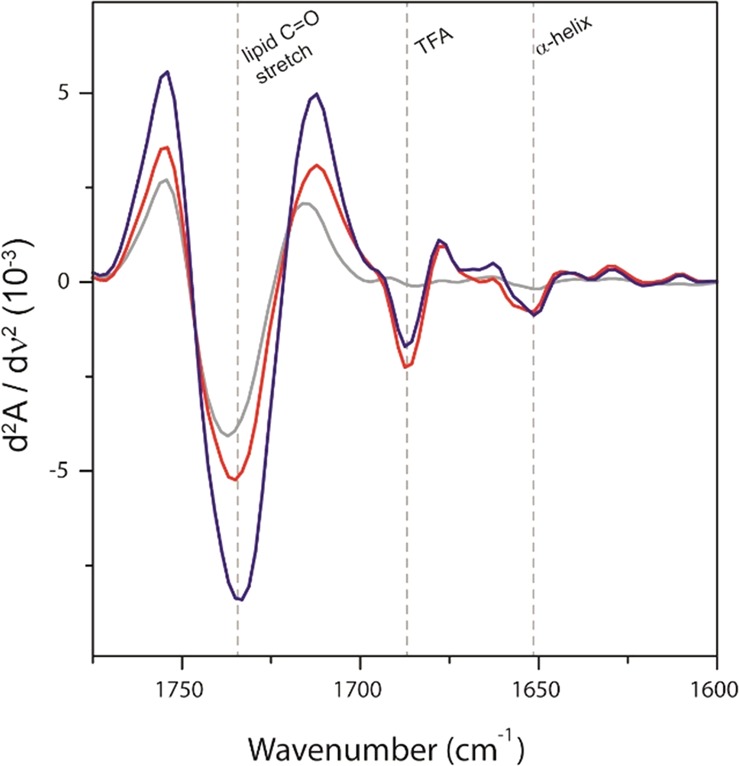
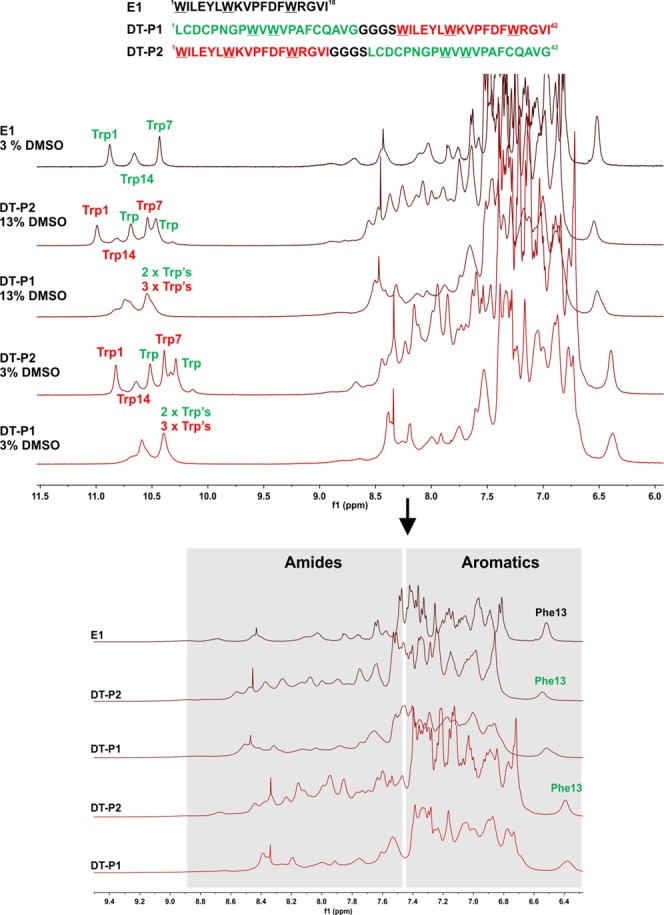
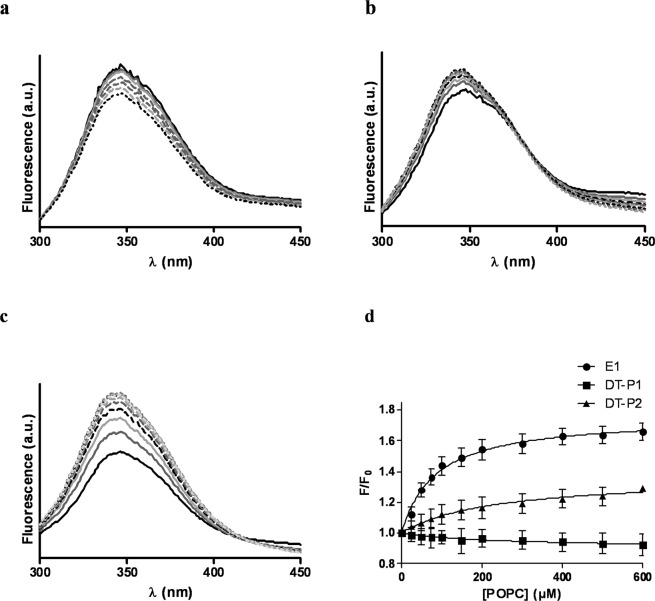
Novel strategies in the design of HIV-1 fusion/entry inhibitors are based on the construction of dual-targeting fusion proteins and peptides with synergistic antiviral effects. In this work we describe the design of dual-targeting peptides composed of peptide domains of E2 and E1 envelope proteins from Human Pegivirus with the aim of targeting both the loop region and the fusion peptide domains of HIV-1 gp41. In a previous work, we described the inhibitory role of a highly conserved fragment of the E1 protein (domain 139-156) which interacts with the HIV-1 fusion peptide at the membrane level. Here, two different dual-targeting peptides, where this E1 peptide is located on the N- or the C-terminus respectively, have been chemically synthesized and their antiviral activities have been evaluated with HIV pseudotyped viruses from different clades. The study of the functional behaviour of peptides in a membranous environment attending to the peptide recognition of the target sites on gp41, the peptide conformation as well as the peptide affinity to the membrane, demonstrate that antiviral activity of the dual-targeting peptides is directly related to the peptide affinity and its subsequent assembly into the model membrane. The overall results point out to the necessity that fusion inhibitor peptides that specifically interfere with the N-terminal region of gp41 are embedded within the membrane in order to properly interact with their viral target.
新型 HIV-1 融合/进入抑制剂的设计策略基于构建具有协同抗病毒作用的双靶向融合蛋白和肽。在这项工作中,我们设计了由人类戊型肝炎病毒包膜蛋白 E2 和 E1 的肽结构域组成的双靶向肽,旨在靶向 HIV-1 gp41 的环区和融合肽结构域。在之前的工作中,我们描述了 E1 蛋白(139-156 结构域)的一个高度保守片段的抑制作用,该片段在膜水平上与 HIV-1 融合肽相互作用。在这里,我们分别在 N 端或 C 端化学合成了两种不同的双靶向肽,研究了这些肽在膜环境中的功能行为,考虑到肽对 gp41 靶位的识别、肽构象以及肽与膜的亲和力,结果表明双靶向肽的抗病毒活性与肽的亲和力及其随后在模型膜中的组装直接相关。总的来说,结果表明,特异性干扰 gp41 N 端区域的融合抑制剂肽必须嵌入膜内,以便与病毒靶标正确相互作用。