Department of Molecular Microbiology & Immunology, Oregon Health & Science University, Portland, OR 97239, USA.
Department of Molecular Microbiology & Immunology, Oregon Health & Science University, Portland, OR 97239, USA.
Dev Cell. 2019 Apr 8;49(1):89-99.e4. doi: 10.1016/j.devcel.2019.02.001. Epub 2019 Feb 28.
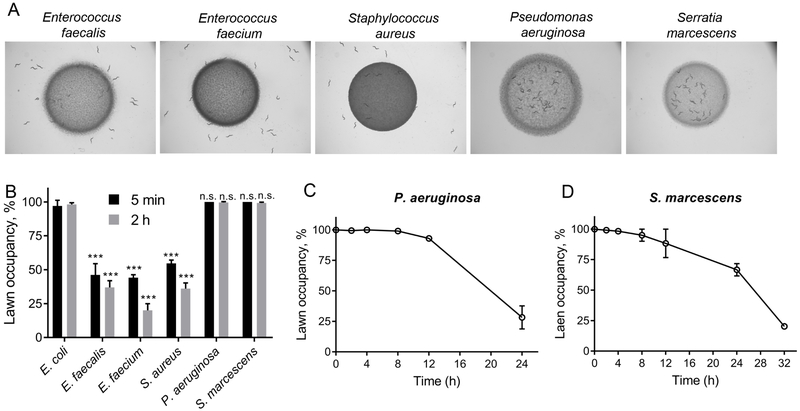
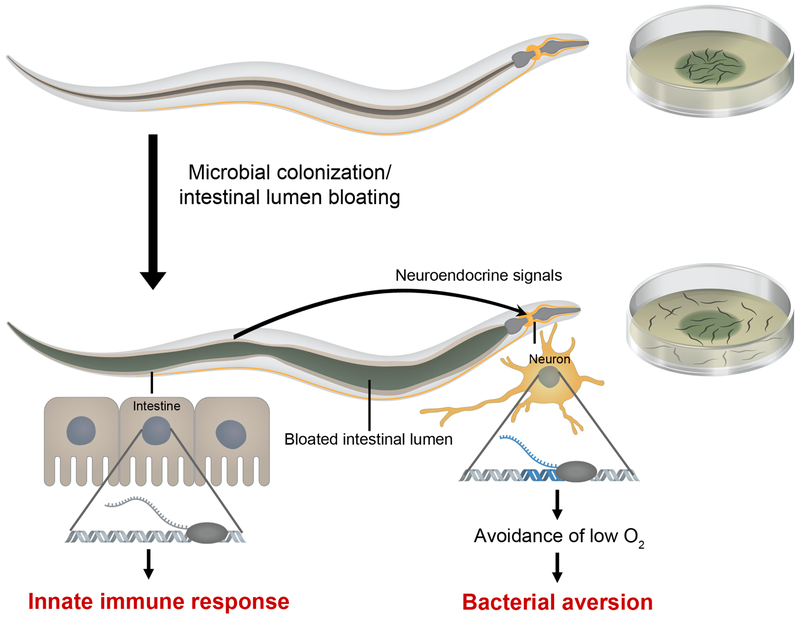
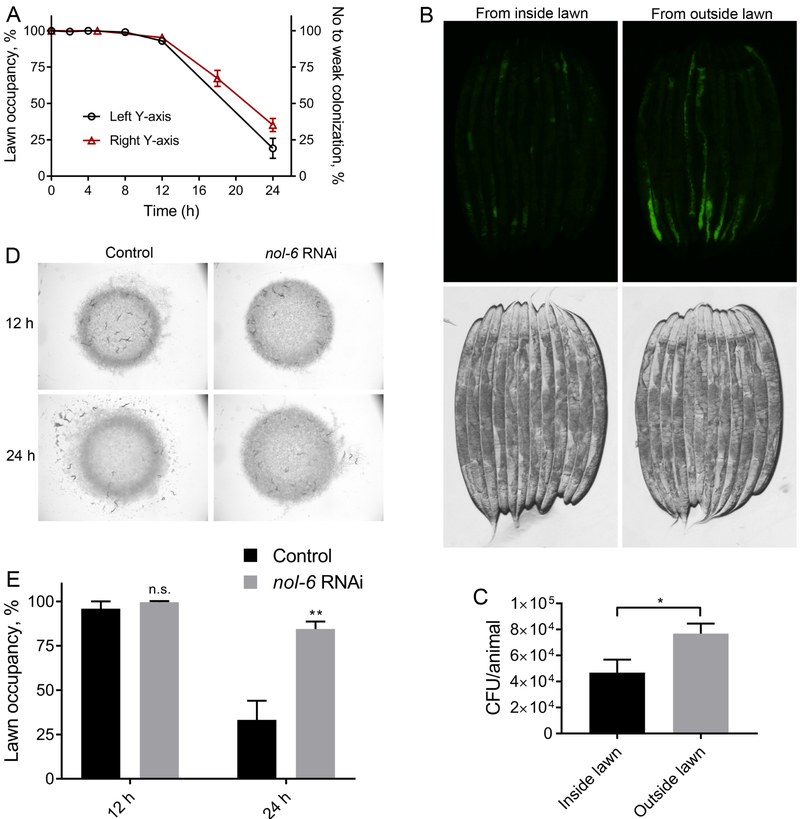
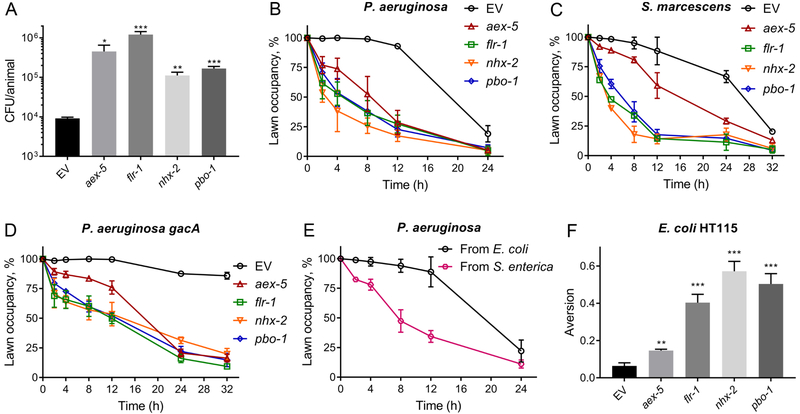
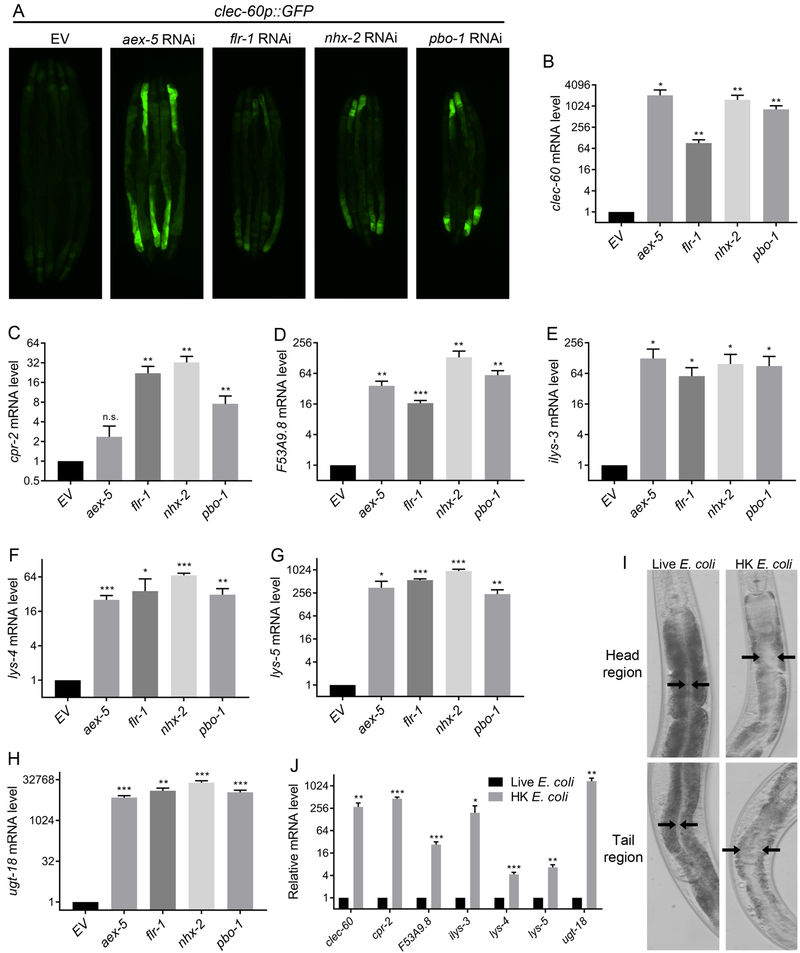
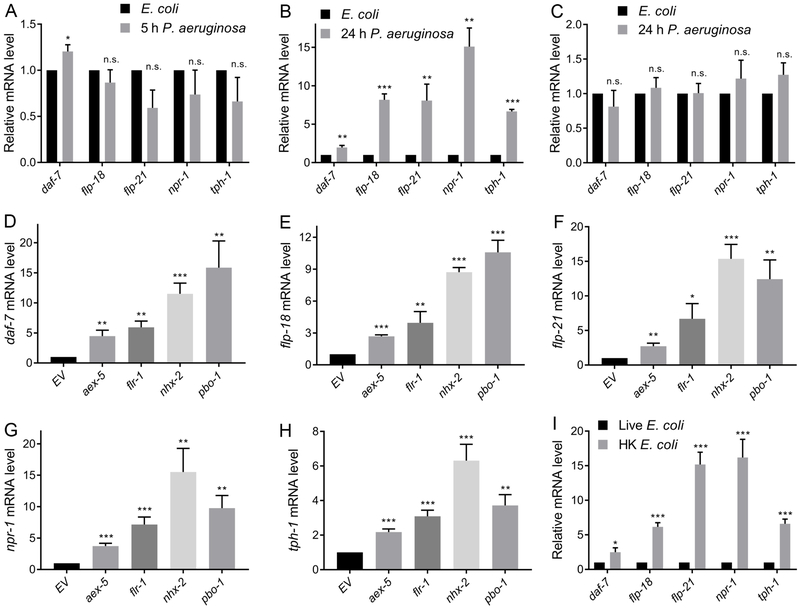
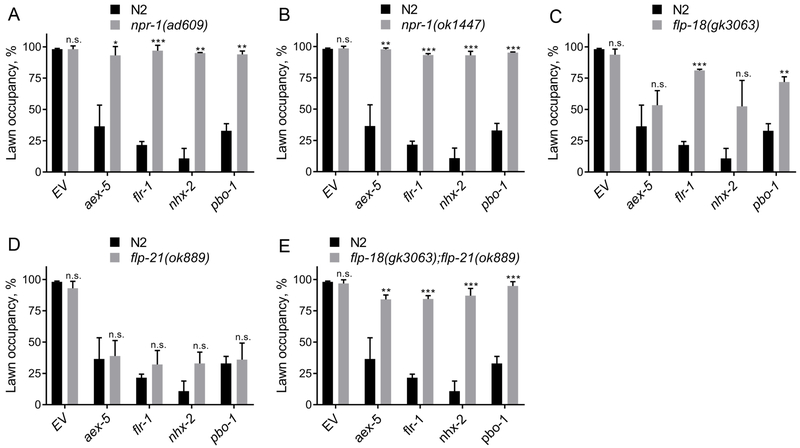
The ability to distinguish harmful and beneficial microbes is critical for the survival of an organism. Here, we show that bloating of the intestinal lumen of Caenorhabditis elegans caused by microbial colonization elicits a microbial aversion behavior. Bloating of the intestinal lumen also activates a broad innate immune response, even in the absence of bacterial pathogens or live bacteria. Neuroendocrine pathway genes are upregulated by intestinal bloating and are required for microbial aversion behavior. We propose that microbial colonization and bloating of the intestine may be perceived as a danger signal that activates an immune fight-and-flight response. These results reveal how inputs from the intestine can aid in the recognition of a broad range of microbes and modulate host behavior via neuroendocrine signaling.
区分有害和有益微生物的能力对于生物体的生存至关重要。在这里,我们表明,微生物定植引起的秀丽隐杆线虫肠道腔肿胀会引发微生物回避行为。肠道腔的肿胀还会引发广泛的先天免疫反应,即使没有细菌病原体或活菌的存在也是如此。神经内分泌途径基因受肠道肿胀的上调,并需要微生物回避行为。我们提出,微生物定植和肠道肿胀可能被感知为一种危险信号,激活免疫“战斗或逃跑”反应。这些结果揭示了肠道的输入如何有助于识别广泛的微生物,并通过神经内分泌信号调节宿主行为。