Kim Yun-Hee, Lee Kuen-Su, Kim Young-Sung, Kim Yeon-Hwa, Kim Jae-Hwan
Department of Anesthesiology and Pain Medicine, Korea University Ansan Hospital, Ansan, Korea.
Department of Anesthesiology and Pain Medicine, Korea University Guro Hospital, Seoul, Korea.
Anim Cells Syst (Seoul). 2019 Feb 12;23(1):10-17. doi: 10.1080/19768354.2018.1557743. eCollection 2019 Feb.
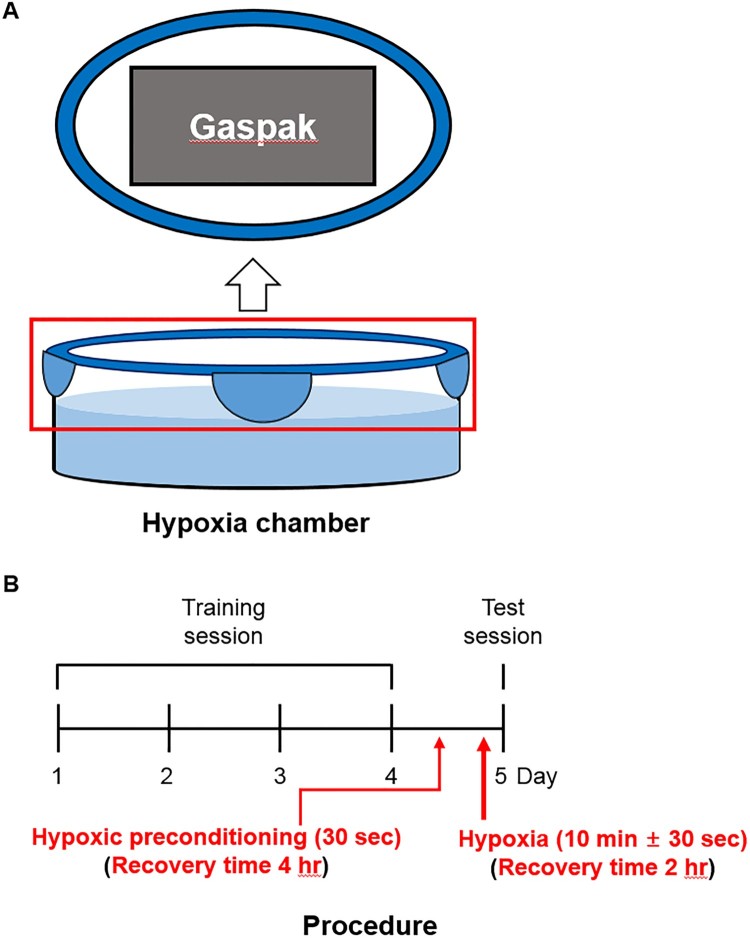
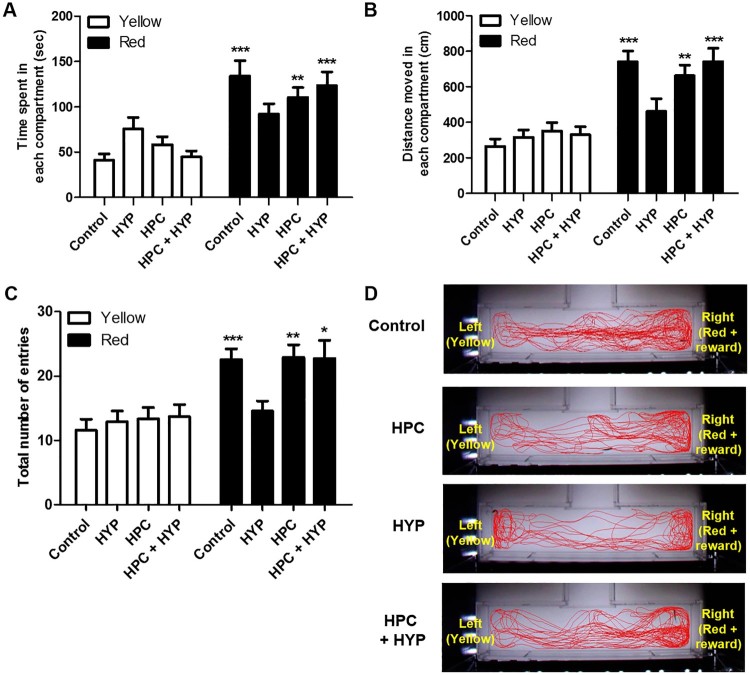
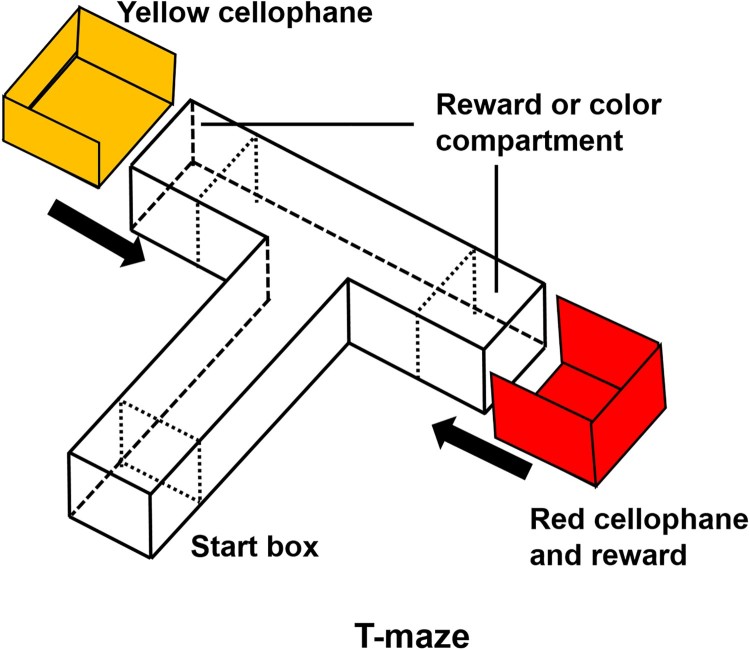
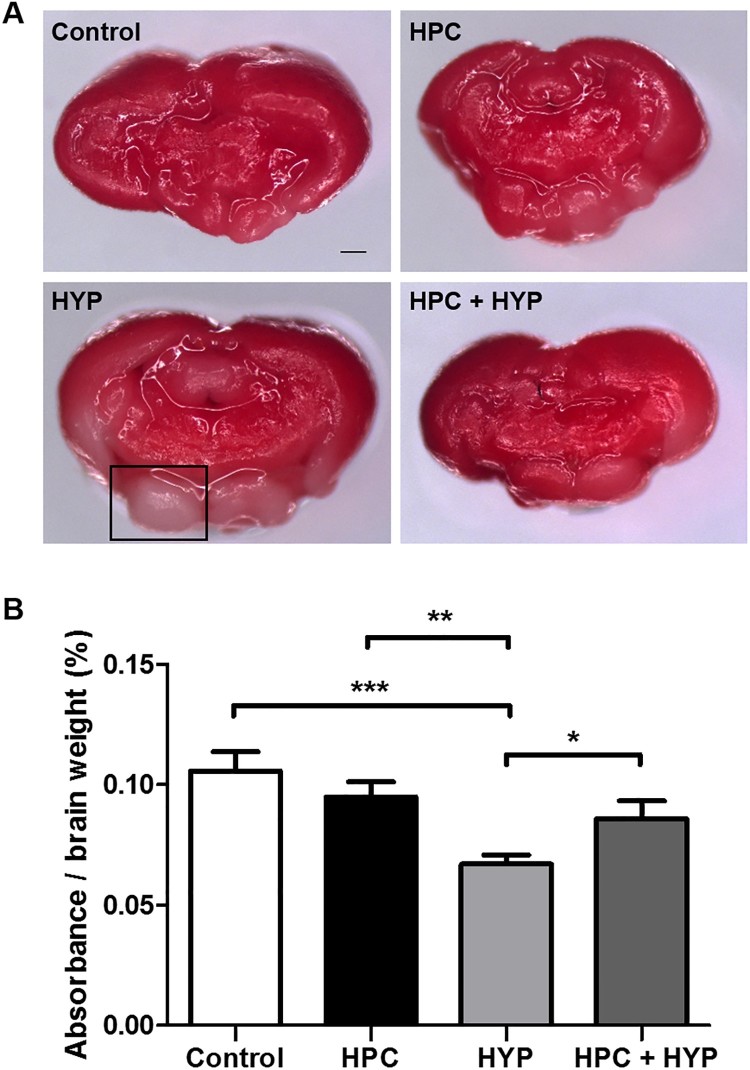
Perioperative brain ischemia and stroke are leading causes of morbidity and mortality. Brief hypoxic preconditioning is known to have protective effects against hypoxic-ischemic insult in the brain. Current studies on the neuroprotective effects of ischemic preconditioning are based on histologic findings and biomarker changes. However, studies regarding effects on memory are rare. To precondition zebrafish to hypoxia, they were exposed to a dissolved oxygen (DO) concentration of 1.0 ± 0.5 mg/L in water for 30 s. The hypoxic zebrafish were then exposed to 1.0 ± 0.5 mg/L DO until the third stage of hypoxia, for 10 min ± 30 s. Zebrafish were assessed for memory retention after the hypoxic event. Learning and memory were tested using the T-maze, which evaluates memory based on whether or not zebrafish moves to the correct target compartment. In the hypoxic preconditioning group, infarct size was reduced compared with the hypoxic-only treated zebrafish group; memory was maintained to a degree similar to that in the hypoxia-untreated group. The hypoxic-only group showed significant memory impairments. In this study, we used a hypoxic zebrafish model and assessed the effects of ischemic preconditioning not only on histological damages but also on brain function, especially memory. This study demonstrated that a brief hypoxic event has protective effects in hypoxic brain damage and helped maintain memory in zebrafish. In addition, our findings suggest that the zebrafish model is useful in rapidly assessing the effects of ischemic preconditioning on memory.
围手术期脑缺血和中风是发病和死亡的主要原因。已知短暂的缺氧预处理对大脑缺氧缺血性损伤具有保护作用。目前关于缺血预处理神经保护作用的研究基于组织学发现和生物标志物变化。然而,关于其对记忆影响的研究很少。为了使斑马鱼适应缺氧环境,将它们暴露于水中溶解氧(DO)浓度为1.0±0.5mg/L的环境中30秒。然后将缺氧的斑马鱼暴露于1.0±0.5mg/L的DO环境中,直至缺氧第三阶段,持续10分钟±30秒。在缺氧事件后评估斑马鱼的记忆保持情况。使用T迷宫测试学习和记忆,该测试根据斑马鱼是否移动到正确的目标隔室来评估记忆。在缺氧预处理组中,与仅接受缺氧处理的斑马鱼组相比,梗死面积减小;记忆维持在与未接受缺氧处理组相似的程度。仅缺氧组表现出明显的记忆障碍。在本研究中,我们使用缺氧斑马鱼模型,不仅评估了缺血预处理对组织学损伤的影响,还评估了其对脑功能,特别是记忆的影响。本研究表明,短暂的缺氧事件对缺氧性脑损伤具有保护作用,并有助于维持斑马鱼的记忆。此外,我们的研究结果表明,斑马鱼模型可用于快速评估缺血预处理对记忆的影响。