Institute for Medical Engineering and Science, Massachusetts Institute of Technology, Cambridge, MA 02142, USA.
Institute for Medical Engineering and Science, Massachusetts Institute of Technology, Cambridge, MA 02142, USA; Broad Institute, Cambridge, MA 02142, USA.
Cell Metab. 2019 Mar 5;29(3):727-735.e3. doi: 10.1016/j.cmet.2019.02.003.
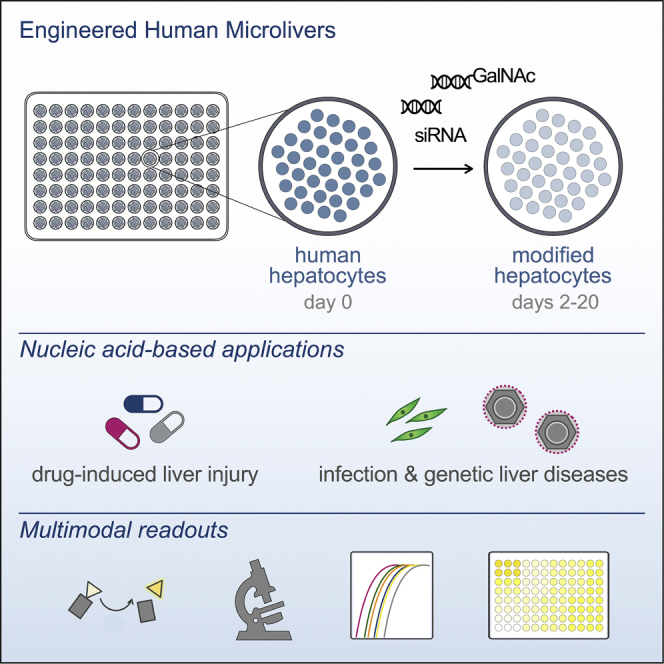
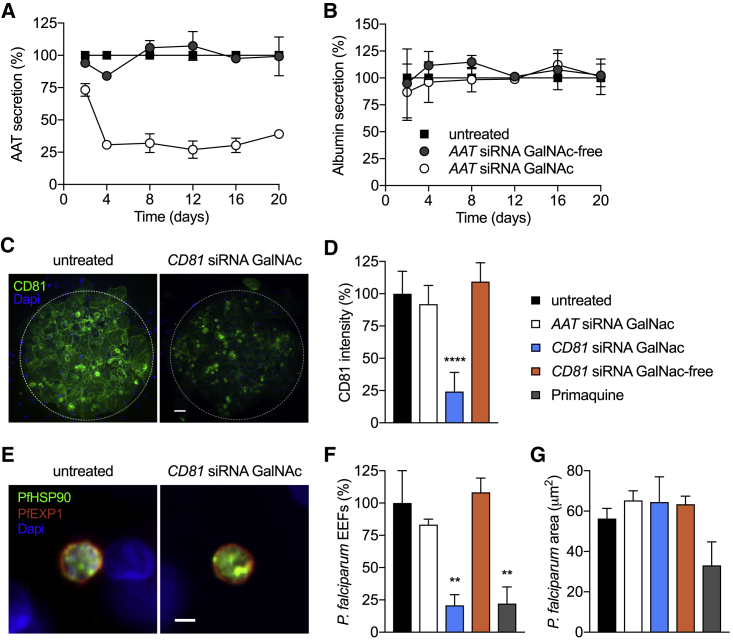
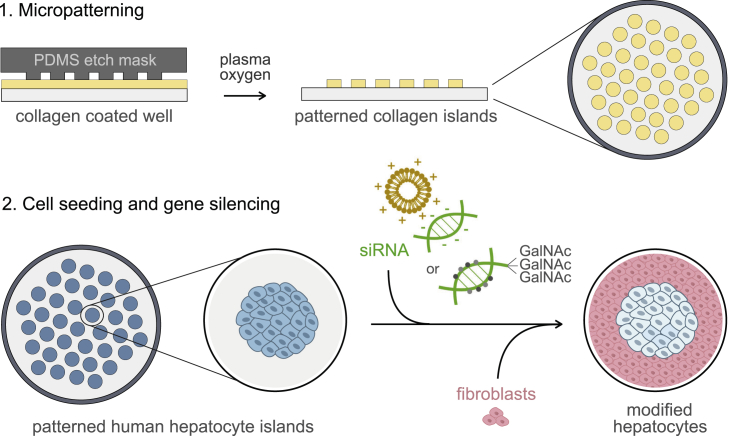
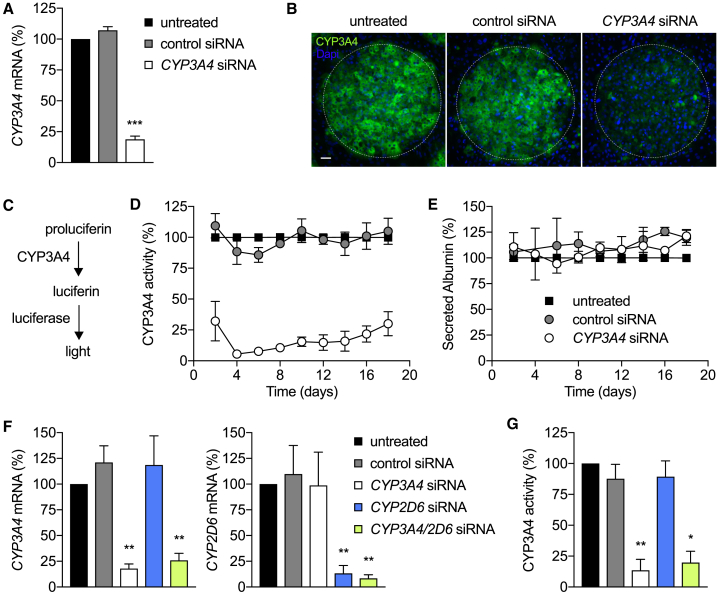
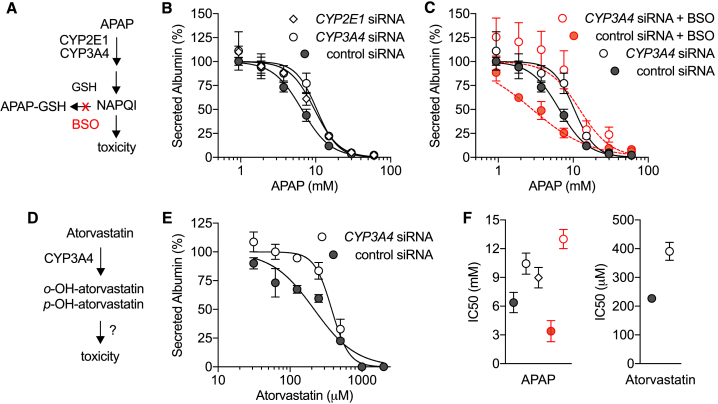
The liver plays a central role in metabolism; however, xenobiotic metabolism variations between human hepatocytes and those in model organisms create challenges in establishing functional test beds to detect the potential drug toxicity and efficacy of candidate small molecules. In the emerging areas of RNA interference, viral gene therapy, and genome editing, more robust, long-lasting, and predictive human liver models may accelerate progress. Here, we apply a new modality to a previously established, functionally stable, multi-well bioengineered microliver-fabricated from primary human hepatocytes and supportive stromal cells-in order to advance both small molecule and nucleic acid therapeutic pipelines. Specifically, we achieve robust and durable gene silencing in vitro to tune the human metabolism of small molecules, and demonstrate its capacity to query the potential efficacy and/or toxicity of candidate therapeutics. Additionally, we apply this engineered platform to test siRNAs designed to target hepatocytes and impact human liver genetic and infectious diseases.
肝脏在新陈代谢中起着核心作用;然而,人类肝细胞和模型生物中的异源生物代谢变化给建立功能测试床以检测候选小分子药物的潜在毒性和疗效带来了挑战。在 RNA 干扰、病毒基因治疗和基因组编辑等新兴领域,更强大、更持久和更具预测性的人类肝脏模型可能会加速进展。在这里,我们将一种新的模式应用于以前建立的、功能稳定的、多孔生物工程微肝,该微肝由原代人肝细胞和支持性基质细胞制造,以推进小分子和核酸治疗药物的研发。具体来说,我们在体外实现了强大而持久的基因沉默,以调节小分子的人体新陈代谢,并证明其能够查询候选治疗药物的潜在疗效和/或毒性。此外,我们还将该工程平台应用于测试旨在靶向肝细胞并影响人类肝脏遗传和传染病的 siRNA。