Faculty of Applied Science and Engineering, Khon Kaen University, Nong Khai Campus, Muang, Nong Khai, 34000, Thailand.
Department of Fundamental Science, Faculty of Science and Technology, Surindra Rajabhat University, Muang, Surin, 32000, Thailand.
BMC Evol Biol. 2019 Mar 8;19(1):73. doi: 10.1186/s12862-019-1393-4.
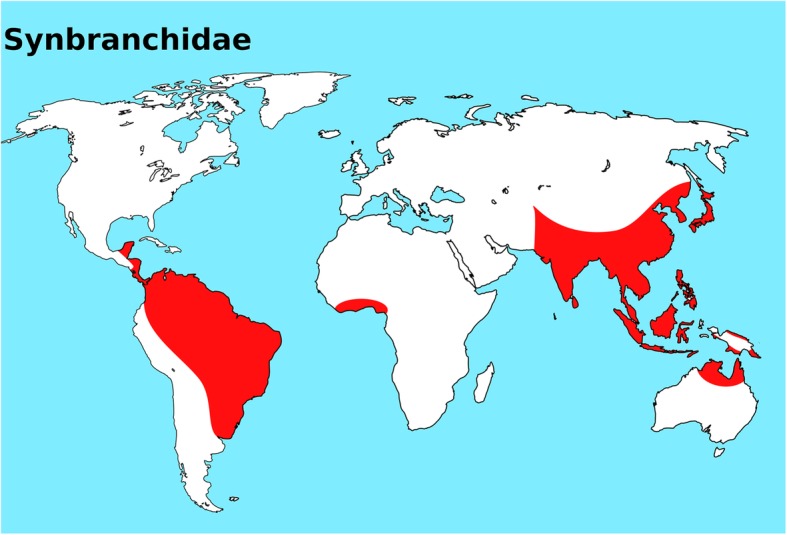
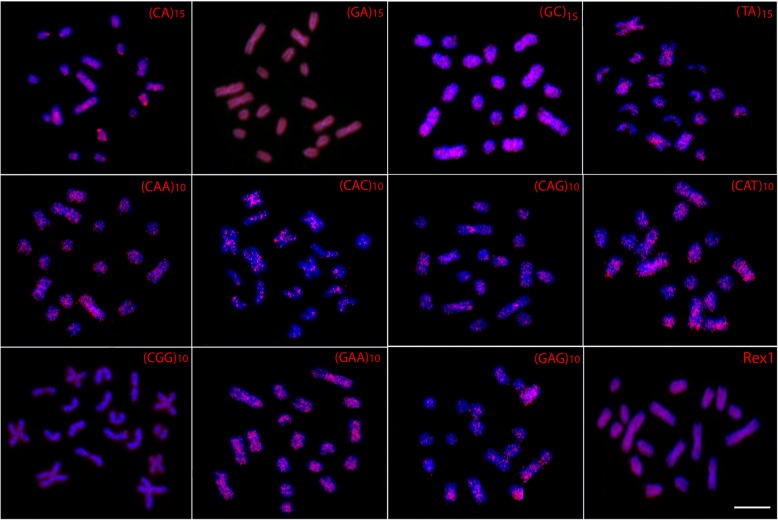
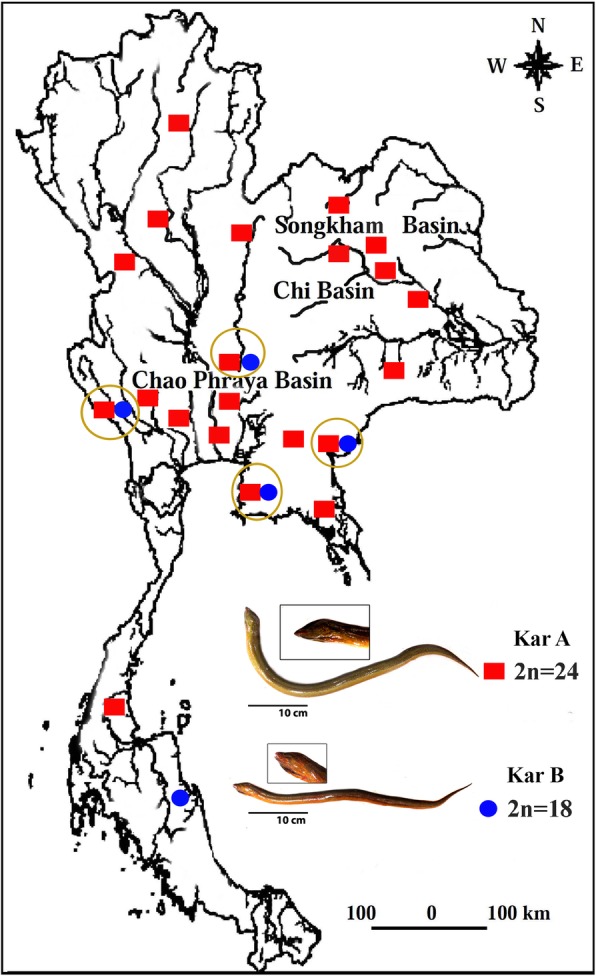
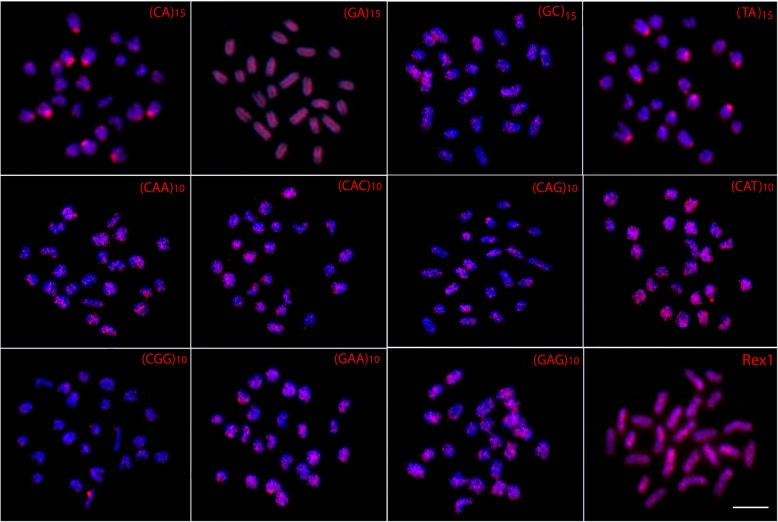
Synbranchidae or swamp eels are fishes belonging to the order Synbranchiformes that occur in both freshwater and occasionally in brackish. They are worldwide distributed in tropical and subtropical rivers of four different continents. A large degree of chromosomal variation has been found in this family, mainly through the use of conventional cytogenetic investigations. Inside this group, a still almost unexplored species under the cytogenetic point of view is the Asian swamp eel Monopterus albus, a widely distributed species throughout Asia. Here, we tested the hypothesis of chromosomal speciation, where a case of sympatric speciation may occur as the primary consequence of chromosomal rearrangements. We performed a comparative chromosomal analysis of M. albus from 22 different localities in Thailand, using distinct staining methods (C-banding, Ag-NO and Chromomycin A), and FISH with repetitive DNA probes (5S rDNA, 18S rDNA, Rex1 element and microsatellite repeats).
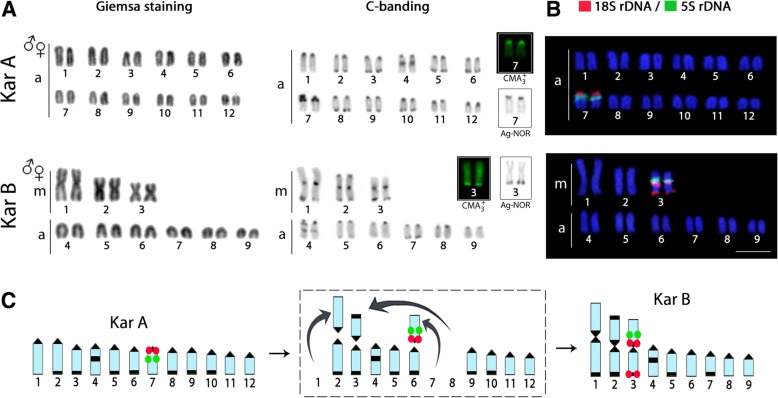
This approach evidenced two contrasting karyotypes (named karyomorphs A and B) that varied concerning their 2n and repetitive DNAs distribution, where chromosomal fusions and pericentric inversions were involved in such differentiation. While the karyomorph A has 2n = 24 chromosomes, the karyomorph B has only 2n = 18, both with NF = 24. In addition, karyomorph A contains only acrocentric chromosomes, while karyomorph B contains three unique metacentric pairs. These features highlight that M. albus has already gone through a significant genomic divergence, and may include at least two cryptic species.
This marked chromosomal differentiation, likely linked to the lifestyle of these fishes, point to the occurrence of a chromosomal speciation scenario, in which fusions and inversions had a prominent role. This highlights the biodiversity of M. albus and justifies its taxonomic revision, since this nominal species may constitute a species complex.
合鳃鱼科或泥鳗科鱼类隶属于合鳃目,分布于淡水和偶尔的半咸水中。它们分布于世界热带和亚热带的四条不同大陆的河流中。该科鱼类的染色体变异程度较大,主要通过常规细胞遗传学研究发现。在这个群体中,亚洲泥鳗 Monopterus albus 是一个从细胞遗传学角度来看仍然几乎未被探索的物种,它是一种分布广泛的亚洲物种。在这里,我们检验了染色体物种形成的假设,其中一个可能发生的同域物种形成的案例可能是由于染色体重排的主要后果。我们对来自泰国 22 个不同地点的 M. albus 进行了比较染色体分析,使用了不同的染色方法(C-带、Ag-NO 和 Chromomycin A),以及重复 DNA 探针(5S rDNA、18S rDNA、Rex1 元件和微卫星重复序列)的 FISH。
这种方法证明了两种截然不同的核型(命名为核型 A 和 B),它们在 2n 和重复 DNA 分布方面存在差异,其中涉及染色体融合和着丝粒倒位的分化。核型 A 的 2n=24 条染色体,核型 B 的 2n=18 条染色体,两者的 NF=24。此外,核型 A 只包含近端着丝粒染色体,而核型 B 包含三个独特的中着丝粒对。这些特征突出表明,M. albus 已经经历了显著的基因组分化,可能包含至少两个隐种。
这种明显的染色体分化可能与这些鱼类的生活方式有关,表明发生了染色体物种形成的情景,其中融合和倒位起了重要作用。这突出了 M. albus 的生物多样性,并证明了其分类学修订的合理性,因为这个命名物种可能构成一个物种复合体。