Institute of Parasitology, McGill University (Macdonald Campus), 21 111 Lakeshore Road, Ste-Anne-de-Bellevue, Québec, H9X 3V9, Canada.
School of Human Nutrition, McGill University (Macdonald Campus), 21 111 Lakeshore Road, Ste-Anne-de-Bellevue, Québec, H9X 3V9, Canada.
Sci Rep. 2019 Mar 12;9(1):4165. doi: 10.1038/s41598-019-40729-w.
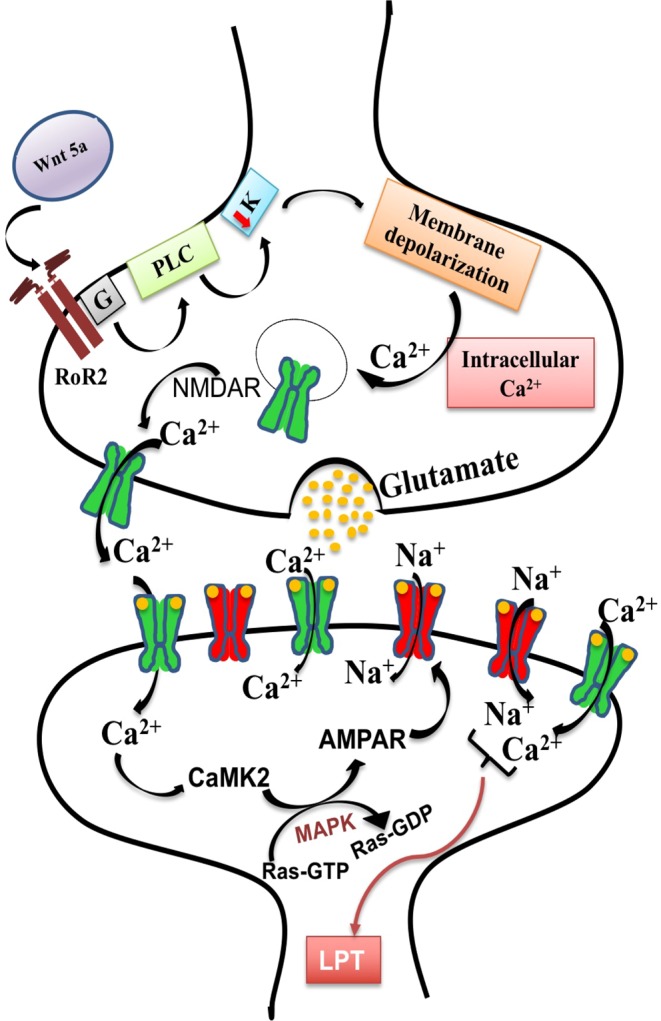
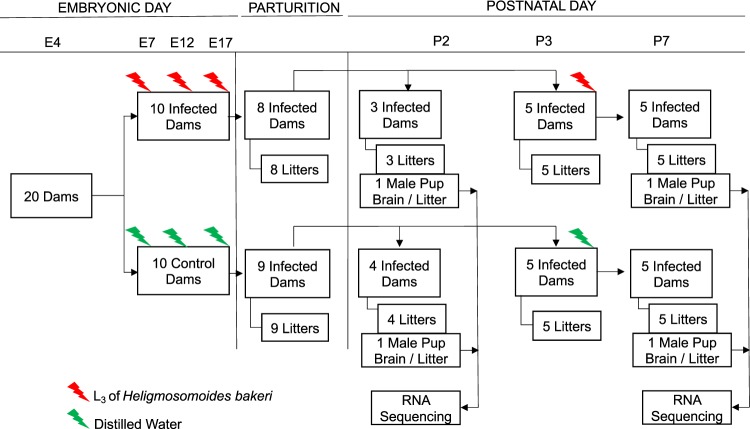
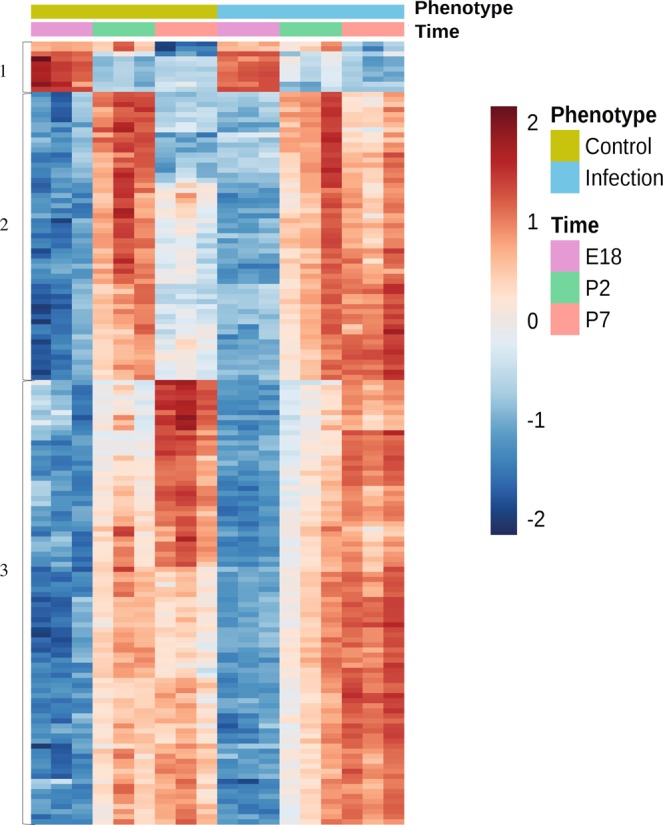
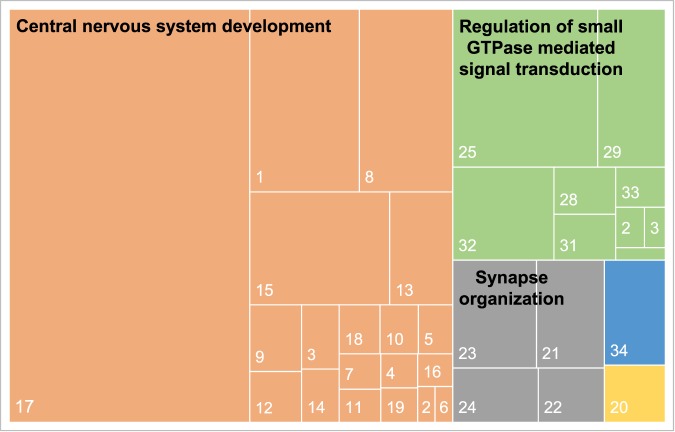
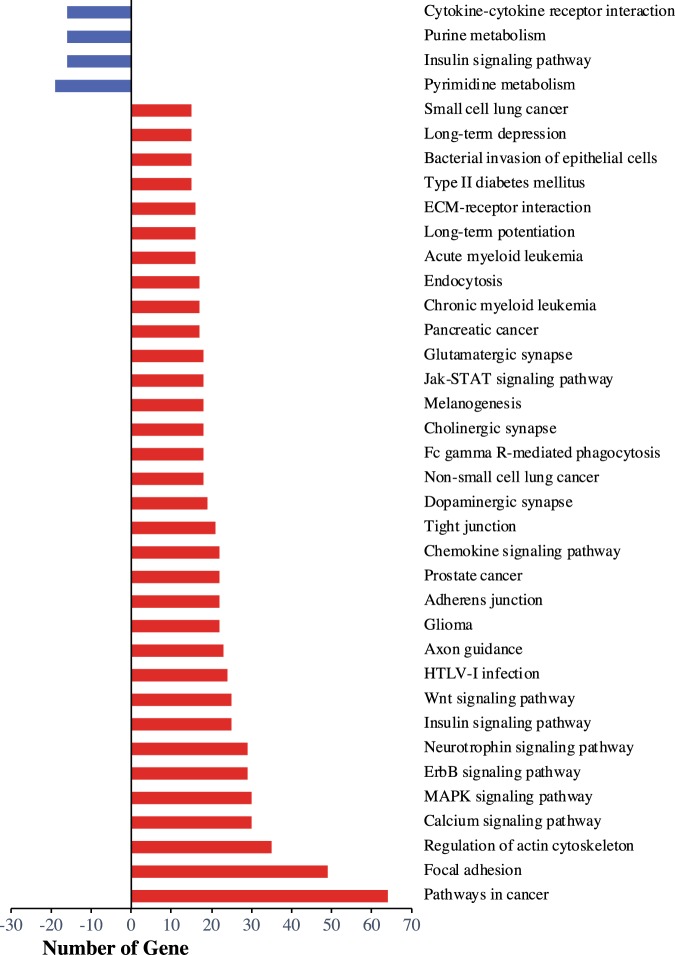
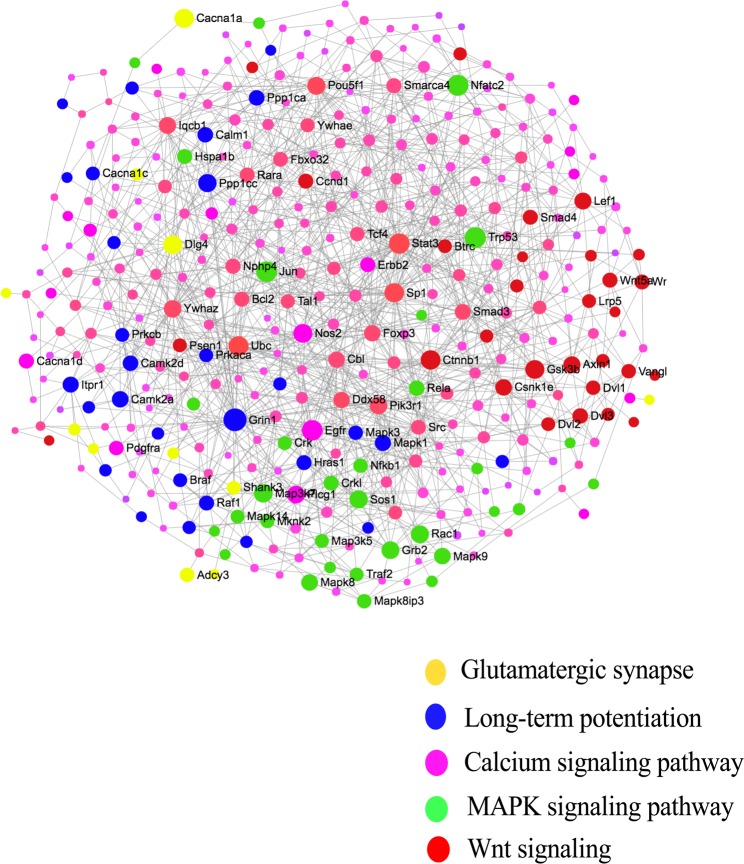
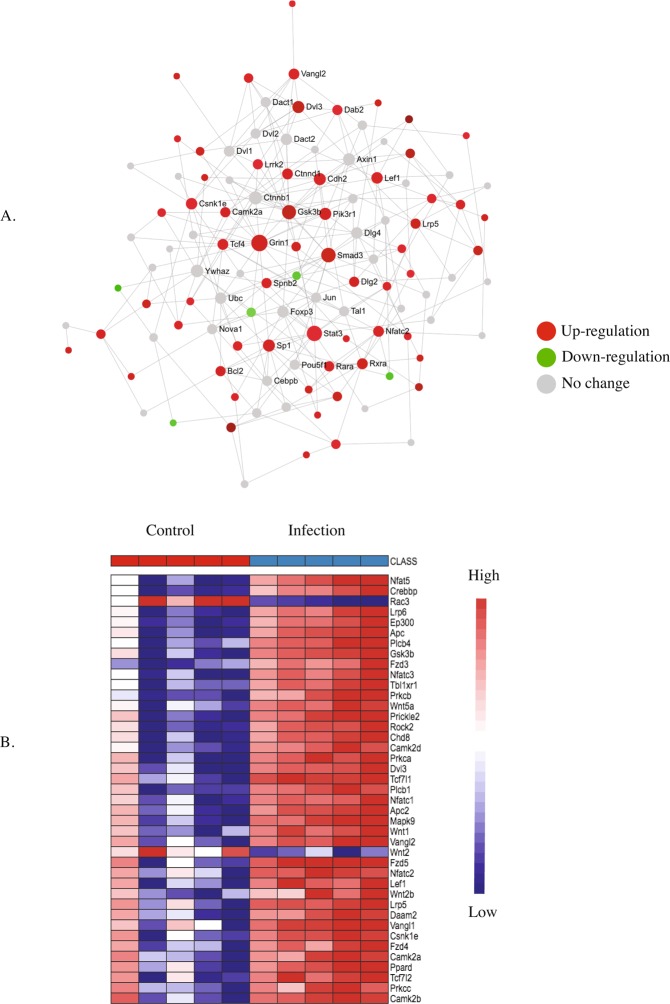
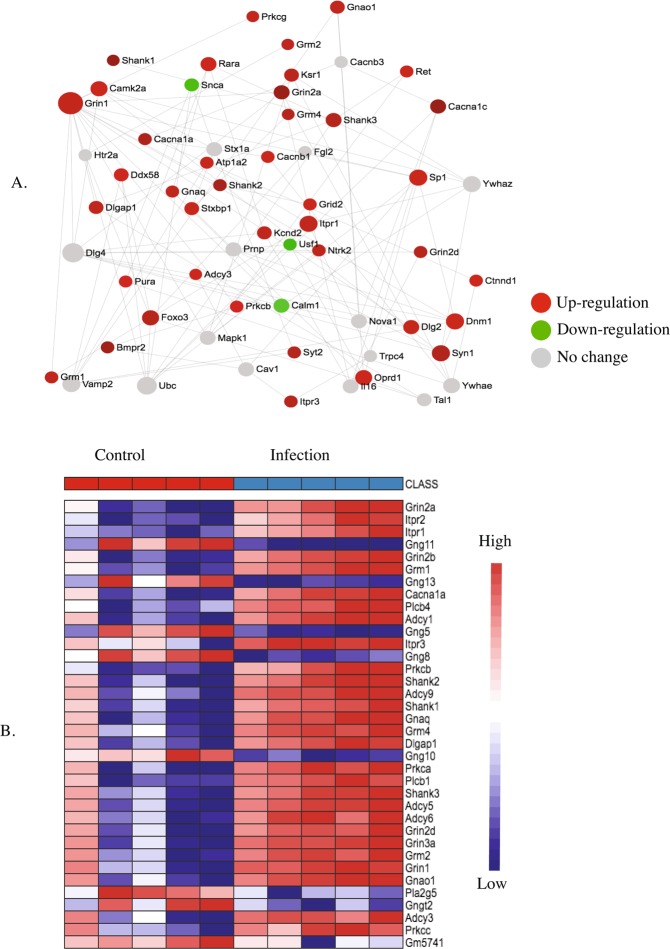
Establishment of neural networks critical for memory and cognition begins during the perinatal period but studies on the impact of maternal infection are limited. Using a nematode parasite that remains in the maternal intestine, we tested our hypothesis that maternal infection during pregnancy and early lactation would alter perinatal brain gene expression, and that the anti-inflammatory nature of this parasite would promote synaptic plasticity and long-term potentiation. Brain gene expression was largely unaffected two days after birth, but in seven-day old pups, long-term potentiation and four related pathways essential for the development of synaptic plasticity, cognition and memory were up-regulated in pups of infected dams. Interestingly, our data suggest that a lowering of Th1 inflammatory processes may underscore the apparent beneficial impact of maternal intestinal infection on long-term potentiation.
神经发育的关键时期始于围产期,但目前关于母体感染对其影响的研究还很有限。本研究使用一种在母体肠道内持续存在的线虫寄生虫,以验证我们的假设,即母体在妊娠和哺乳期早期感染会改变围产期大脑的基因表达,而这种寄生虫的抗炎特性会促进突触可塑性和长时程增强。出生后两天,大脑基因表达基本不受影响,但在出生后 7 天的幼崽中,感染母鼠的幼崽中长时程增强和四个与突触可塑性、认知和记忆发育相关的关键途径上调。有趣的是,我们的数据表明,Th1 炎症过程的降低可能突出了母体肠道感染对长时程增强的明显有益影响。