Beijing University of Chinese Medicine, Beijing, 100029, China.
Livzon Pharmaceutical Group Inc., Zhuhai, 519020, China.
Sci Rep. 2019 Mar 14;9(1):4533. doi: 10.1038/s41598-019-40954-3.
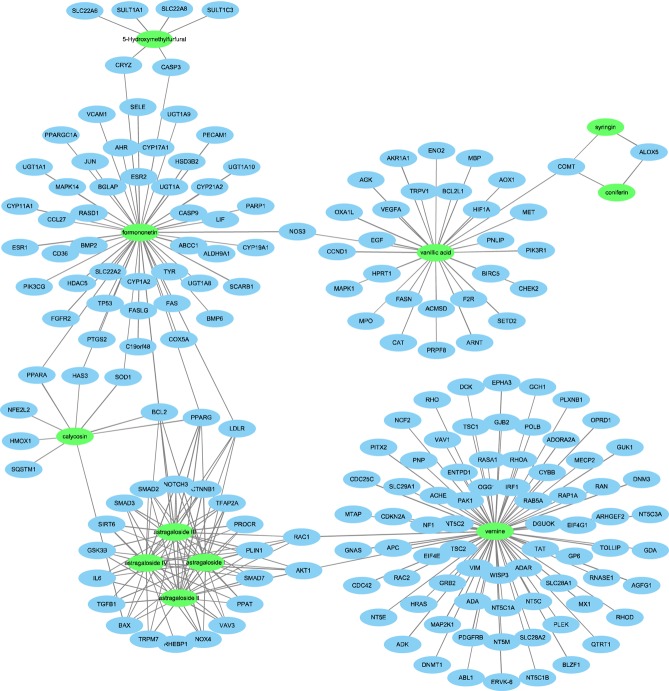
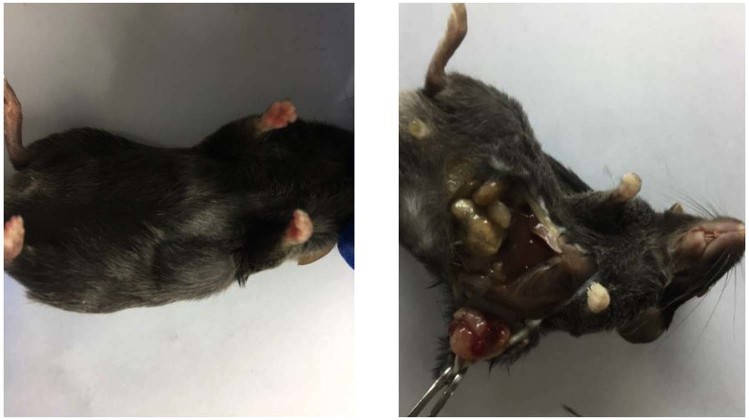
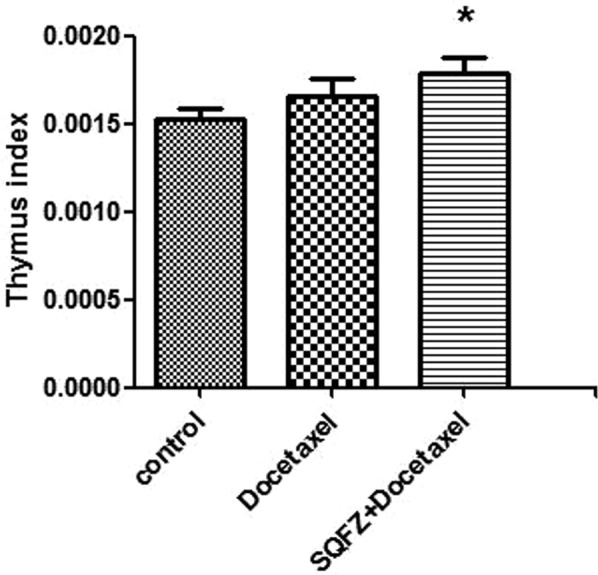
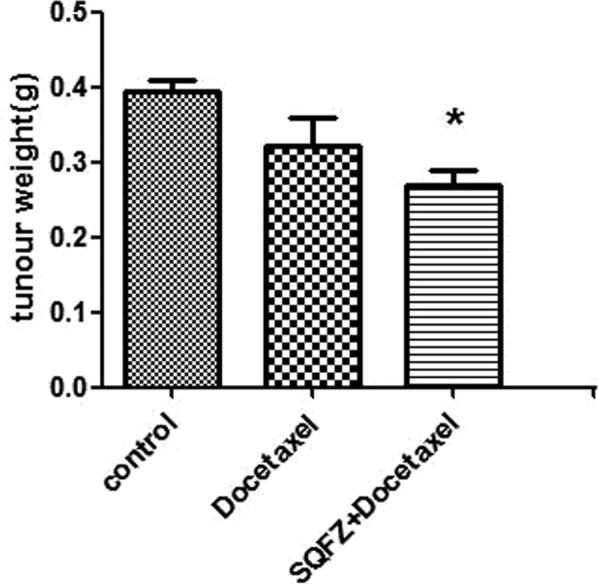
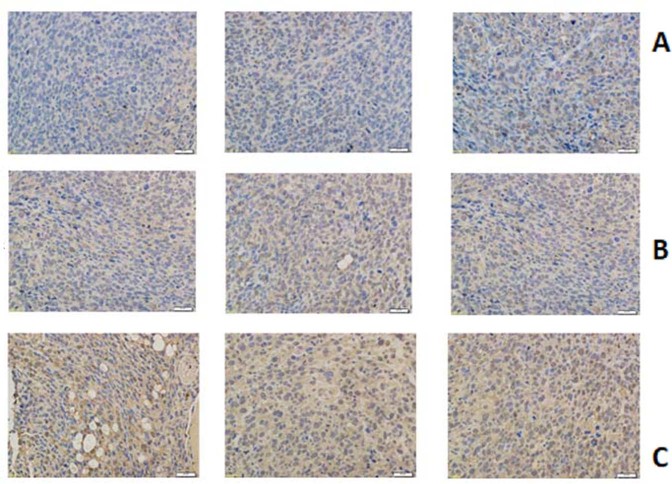
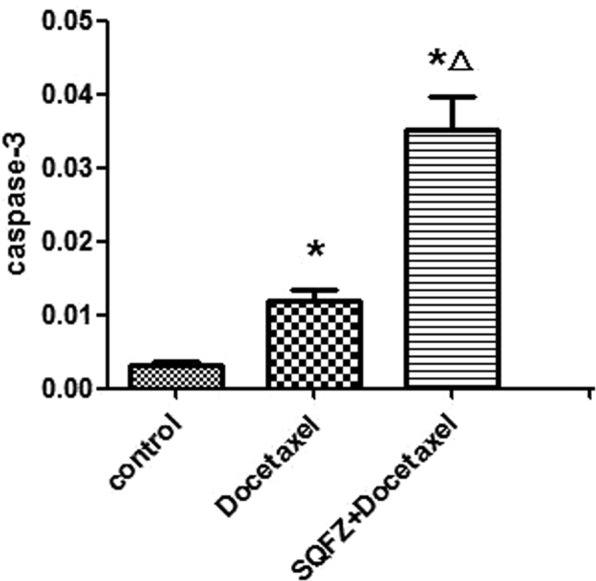
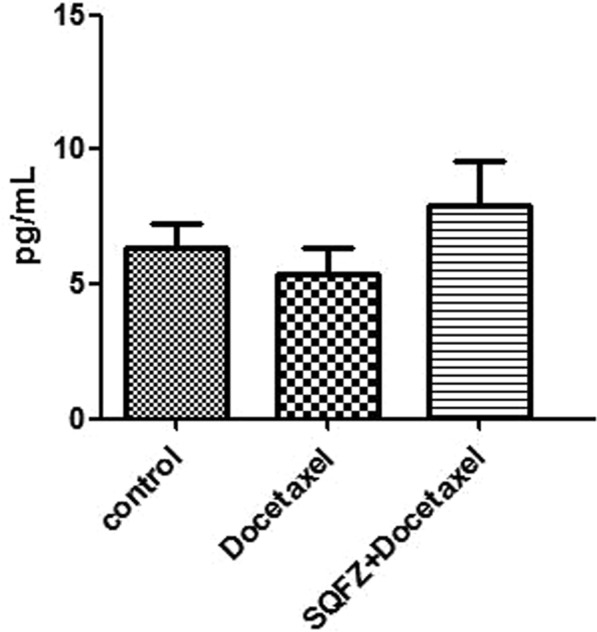
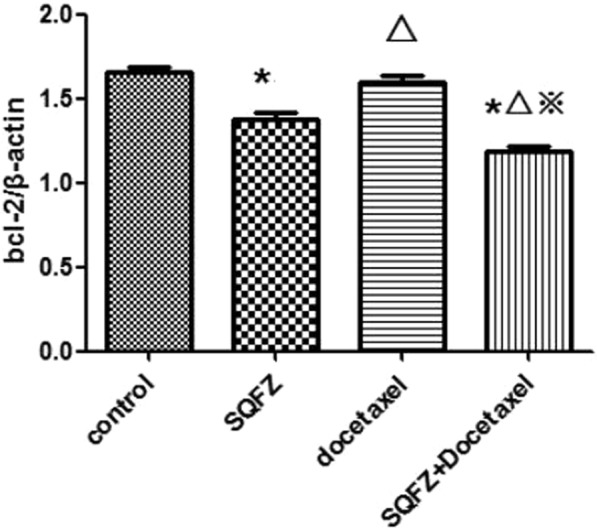
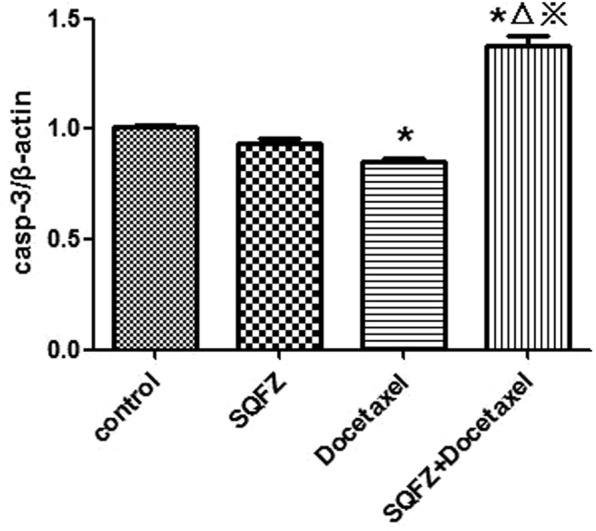
Docetaxel is the widely-used first-line therapy to treat lung cancer around the world. However, tumor progression and severe side effect occurred in some patients with docetaxel treatment. Most of the side effects were caused by immunocompromise, which limits the long-term use of docetaxel. Shenqi Fuzheng (SQFZ) injection has been used as adjuvant therapy to treat lung cancer which may enhance immunity as well. Owing to the complexity of drug combination, the mechanism of SQFZ injection in combination with docetaxel on lung cancer remains unclear. Therefore, a network pharmacology-based strategy was proposed in this study to help solve this problem. Network pharmacology approach comprising multiple components, candidate targets of component and therapeutic targets, has been used in this study. Also, in vivo and in vitro experiment was applied to verify the predicted targets from network pharmacology We established mouse lung cancer model and inject with docetaxel and SQFZ injection. Tumour weight, spleen index, thymus index, immunohistochemical staining and ELISA were conducted to evaluate the effect and underlying mechanisms of docetaxel and SQFZ injection. Besides A549 cells were also administrated by docetaxel and SQFZ.The indexes BCL2, CASP3 and CASP9 were determined after administration. The results indicated that combination of SQFZ and docetaxel could reduce tumour weight, enhance the spleen index, thymus index. Meanwhile, it could improve the activity of caspase-3 and IL-2 in mice and caspase-3, caspase-9 in A549 cell and inhibit the activity of BCL-2 in A549 cell, which verified the potential protective targets predicted by network pharmacology. In conclusion, combination of SQFZ and docetaxel could increase the curative effect by inducing tumour to apoptosis and play a key role on immunoprotection to reduce side effects.
多西紫杉醇是全球广泛用于治疗肺癌的一线药物。然而,在接受多西紫杉醇治疗的患者中,肿瘤进展和严重的副作用仍然存在。大多数副作用是由免疫抑制引起的,这限制了多西紫杉醇的长期使用。参芪扶正注射液已被用于辅助治疗肺癌,它可能具有增强免疫力的作用。由于药物联合使用的复杂性,参芪扶正注射液与多西紫杉醇联合治疗肺癌的机制尚不清楚。因此,本研究提出了一种基于网络药理学的策略来帮助解决这个问题。网络药理学方法包括多个成分、成分的候选靶点和治疗靶点,已被用于本研究。此外,还进行了体内和体外实验来验证网络药理学预测的靶点。我们建立了小鼠肺癌模型,并注射多西紫杉醇和参芪扶正注射液。通过测量肿瘤重量、脾指数、胸腺指数、免疫组织化学染色和 ELISA 来评估多西紫杉醇和参芪扶正注射液的作用及其潜在机制。此外,还对 A549 细胞进行了多西紫杉醇和参芪扶正注射液的处理。给药后测定 BCL2、CASP3 和 CASP9 等指标。结果表明,参芪扶正注射液与多西紫杉醇联合应用可降低肿瘤重量,提高脾指数和胸腺指数。同时,可提高小鼠 caspase-3 和 IL-2 的活性,提高 A549 细胞中 caspase-3 和 caspase-9 的活性,抑制 A549 细胞中 BCL-2 的活性,验证了网络药理学预测的潜在保护靶点。综上所述,参芪扶正注射液与多西紫杉醇联合应用可通过诱导肿瘤细胞凋亡来提高疗效,并在免疫保护方面发挥关键作用,从而减少副作用。